The Cosmic Pet Pet IQ Lab Profiles: A Side-by-Side Look
The Cosmic Pet Pet IQ Lab evaluates canine cognition across five crucial dimensions: Problem Solving, Training Speed, Social Intelligence, Instinctive Drive, and Memory. While raw numerical scores offer a baseline, understanding the context of each breed's historical role illuminates the practical implications of these numbers. Let's explore how the Finnish Lapphund and Kuvasz measure up.
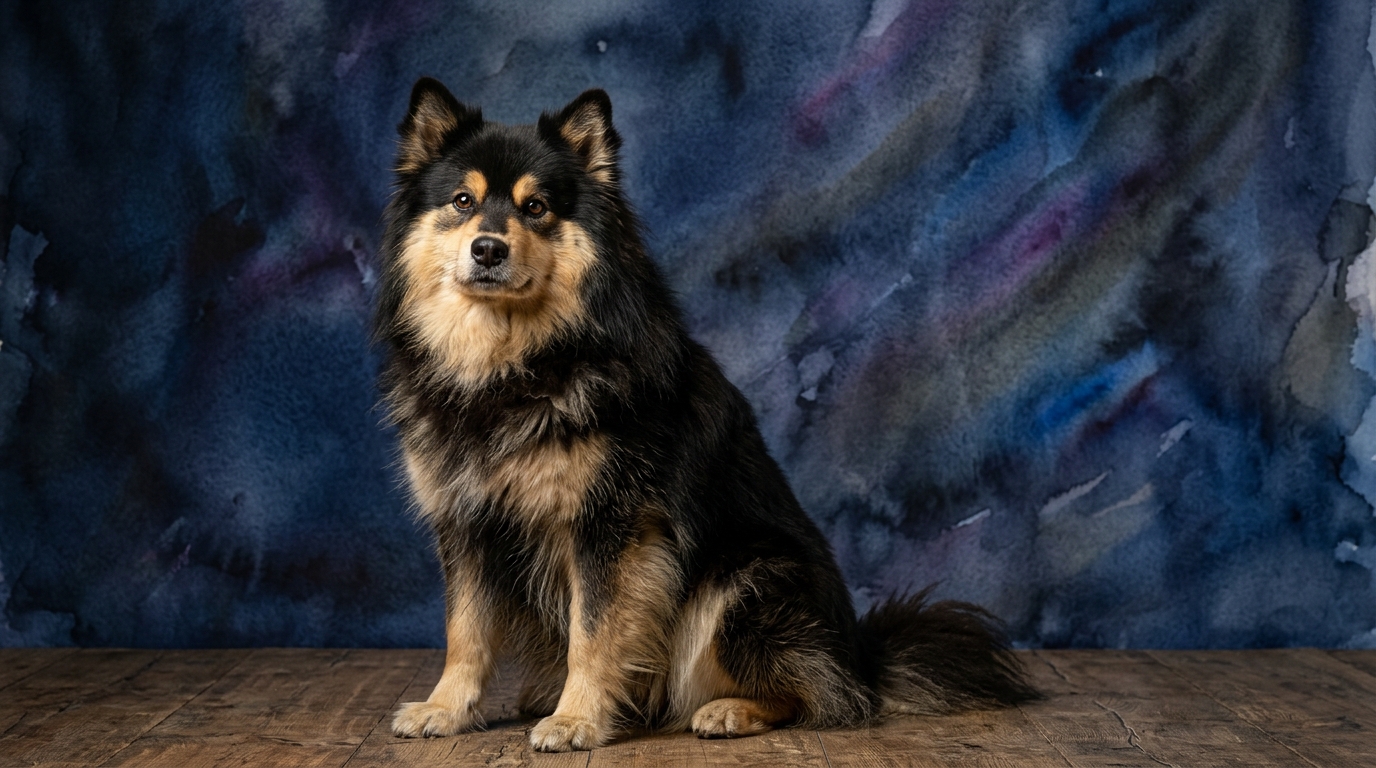
The Finnish Lapphund, a Herding dog, scores a consistent 3/5 across Problem Solving, Training Speed, Social Intelligence, Instinctive Drive, and Memory. These scores reflect a breed developed to work semi-independently with reindeer in vast, challenging landscapes. Their Problem Solving at 3/5 indicates an ability to navigate complex terrain and herd animals without constant human direction, making quick decisions in dynamic situations. A Training Speed of 3/5 suggests they are capable learners, though their independent streak, honed by generations of autonomous herding, means they may not always prioritize human commands over their own judgment. Social Intelligence at 3/5 points to an ability to read the subtle cues of both flock and handler, fostering cooperation within their immediate circle while often maintaining a reserved demeanor towards strangers. Their Instinctive Drive, also 3/5, is a balanced herding drive, characterized by using presence and voice rather than physical force. Finally, a Memory score of 3/5 highlights their capacity to recall commands, routines, and the layout of their working environment, essential for consistent performance over time.
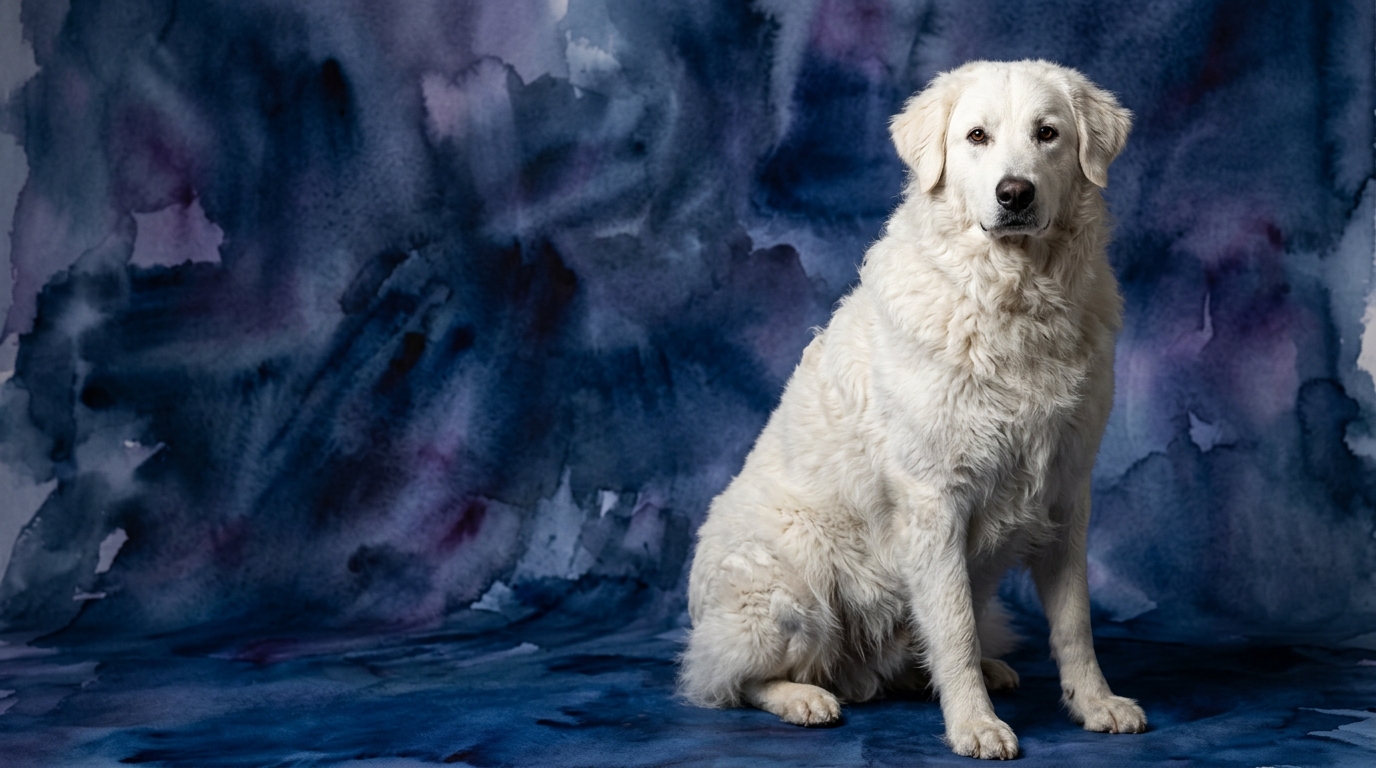
In contrast, the Kuvasz, a Working dog primarily known for its livestock guarding role, shows a slightly different cognitive fingerprint. It registers 3/5 in Problem Solving, Training Speed, Social Intelligence, and Instinctive Drive, but notably achieves a 4/5 in Memory. This breed's Coren rank of #42 places it within the 'above average' working intelligence category, a testament to its capacity for understanding and executing commands. The 3/5 in Problem Solving reflects its historical need to independently assess threats and protect its flock or territory, often making life-or-death decisions without human intervention. A Training Speed of 3/5 indicates a capable but often strong-willed learner, whose independence can be interpreted as stubbornness if not approached with patience and consistency. Their Social Intelligence, also 3/5, is characterized by intense devotion to their family and charges, coupled with a deep suspicion of outsiders, reading intentions through a protective lens. The 3/5 Instinctive Drive is a powerful, inherent guarding instinct, focused on territorial defense rather than active herding. The standout 4/5 in Memory is critical for a guardian breed, allowing them to remember specific threats, safe individuals, territorial boundaries, and long-term routines, building an intricate mental map of their protective domain.
Where the Finnish Lapphund Shows Distinct Cognitive Strengths
While both breeds share several 3/5 scores, the Finnish Lapphund's cognitive profile is uniquely suited to dynamic, cooperative tasks. Its 3/5 Problem Solving, when viewed through the lens of a herding dog, implies a flexibility in decision-making. Lapphunds are adept at adapting to changing flock movements, terrain, and weather conditions, requiring them to think on their feet and adjust strategies quickly. This contrasts with the Kuvasz's more static, observational problem-solving related to territorial defense. The Lapphund's 3/5 Social Intelligence, though numerically similar, often manifests as a more open and adaptable social engagement, capable of forming bonds with a varied 'flock' of humans and animals beyond just a primary guardian role. They tend to be more responsive to nuanced human direction in a collaborative sense, rather than the Kuvasz's independent assessment of threats. This makes their 3/5 Training Speed, while still indicating a degree of independence, more geared towards learning complex sequences and responding to handler cues in agility or obedience, where quick turns and rapid changes in command are crucial.
Where the Kuvasz Shows Distinct Cognitive Strengths
The Kuvasz’s standout cognitive advantage lies in its superior Memory, scoring 4/5. This enhanced recall is not merely about remembering commands, but about building and maintaining a comprehensive mental database of its environment, its charges, and potential threats over extended periods. For a livestock guardian, remembering which individual sheep belongs to the flock, which stranger has previously approached the property, or the exact boundaries of its territory is paramount to its effectiveness. This long-term memory allows for consistent, reliable protective behavior without constant reinforcement. Furthermore, the Kuvasz's 3/5 Problem Solving is distinctively geared towards strategic, independent threat assessment. They are bred to evaluate situations autonomously, often making complex judgments about perceived dangers and how to respond, rather than waiting for human instruction. This deep-seated independence, while challenging in training, is a cognitive strength in its guardian role, enabling them to act decisively when their charges are at risk. Their 3/5 Social Intelligence, while appearing similar to the Lapphund's, is intensely focused and exclusionary, demonstrating profound loyalty and protective instincts towards their chosen family, reading their needs with an almost singular devotion.
Training Dynamics: Which Breed Is More Amenable?
Both the Finnish Lapphund and Kuvasz share a 3/5 score in Training Speed, indicating that neither is an inherently 'easy' dog to train for a novice owner. However, their underlying behavioral differences, rooted in their breed purposes, create distinct training experiences. The Finnish Lapphund's herding background instills a desire to work cooperatively with a human handler, even if they possess an independent streak. Their problem-solving involves taking initiative within a guided framework, making them generally more responsive to positive reinforcement and engagement-based training methods. They enjoy learning and thrive on mental stimulation, often excelling in dog sports where their agility and biddable nature can be channeled. Consistency, clarity, and making training feel like a collaborative game are key to unlocking their potential.
The Kuvasz, conversely, presents a different training challenge. Their 3/5 Training Speed is heavily influenced by their guardian independence. Bred to make autonomous decisions in the absence of human direction, a Kuvasz might perceive commands as suggestions rather than directives, especially if they conflict with their protective instincts or what they deem to be the 'correct' course of action. Their superior Memory (4/5) means they remember everything, including inconsistencies in training or unfair corrections, which can make them resentful. Training a Kuvasz requires immense patience, unwavering consistency, and a deep understanding of their guardian mindset. Early, extensive, and positive socialization is critical to help them differentiate between true threats and normal social interactions. An owner must establish themselves as a confident, fair leader, earning the Kuvasz's respect through consistent guidance rather than force, or their protective instincts can become unmanageable.
Matching Breeds to Lifestyles: Active vs. Relaxed Owners
The Finnish Lapphund generally suits active owners who are prepared to engage deeply with their companion. Their 3/5 Instinctive Drive for herding translates into a need for regular physical exercise and, crucially, mental stimulation. Lapphunds thrive on purpose; whether it's participating in dog sports like agility, obedience, or herding trials, or simply engaging in long, varied walks and puzzle toys, their minds and bodies need to be kept busy. An owner who enjoys outdoor adventures, consistent training sessions, and can provide a structured yet stimulating environment will find a rewarding partnership with a Lapphund. They are not content to be mere couch potatoes and can become destructive or vocal if under-stimulated, making them less ideal for truly 'relaxed' or sedentary lifestyles.
The Kuvasz, while a large and powerful breed, doesn't necessarily demand the same high-intensity physical activity as some working dogs. Their lifestyle is more about patrolling and observing their territory. However, this does not mean they suit 'relaxed' owners in terms of management effort. Kuvasz require an owner who is confident, experienced, and understands the profound responsibilities of a guardian breed. They need early and ongoing socialization to temper their natural suspicion, a secure environment to patrol, and consistent, firm guidance. Their 3/5 Instinctive Drive for guarding means they are always 'on duty,' which can be mentally taxing for both dog and owner. While they enjoy a comfortable home and routine, their vigilance means they are not a 'relaxed' presence in the household. Owners must be prepared for the commitment to managing a powerful, independent dog with strong protective instincts, making them best suited for those who are highly dedicated and consistent, rather than those seeking a low-maintenance companion.
The Verdict
Choose a Finnish Lapphund if you seek an active, cooperative companion for dog sports, hiking, or a family dog that thrives on engagement and possesses a charming, biddable independence.
Opt for a Kuvasz if you are an experienced owner in search of a devoted, independent guardian, understanding the commitment to rigorous socialization and training, and capable of providing a secure environment where its protective instincts can be managed responsibly.
🧠 Find Your Pet's IQ Score
Our Pet IQ Lab assessment covers 25+ tests across 5 cognitive dimensions — personalized to your breed.
Take the Full IQ Test →Frequently Asked Questions
Are Finnish Lapphunds truly easier to train than Kuvasz despite similar training speed scores?
While both score 3/5 in Training Speed, the Finnish Lapphund's herding background generally makes them more amenable to cooperative training, seeking to work with their handler. The Kuvasz's guardian independence means they often question commands, making training a more challenging test of consistency and leadership for the owner.
How does the Kuvasz's superior memory impact its daily life and owner expectations?
The Kuvasz's 4/5 Memory means they remember everything, from specific threats and territorial boundaries to past interactions and inconsistencies in training. This makes them highly effective guardians but also demands unwavering consistency and fairness from owners, as negative experiences or mixed signals can be deeply ingrained.
Do either of these breeds excel in specific dog sports or tasks based on their IQ profiles?
The Finnish Lapphund, with its cooperative nature and adaptability, often excels in dynamic dog sports like agility, obedience, and herding trials. The Kuvasz, due to its protective instincts and independent decision-making, naturally excels in guardian roles, and while capable of obedience, its strengths lie more in tasks requiring vigilance and independent judgment rather than fast-paced, handler-driven sports.