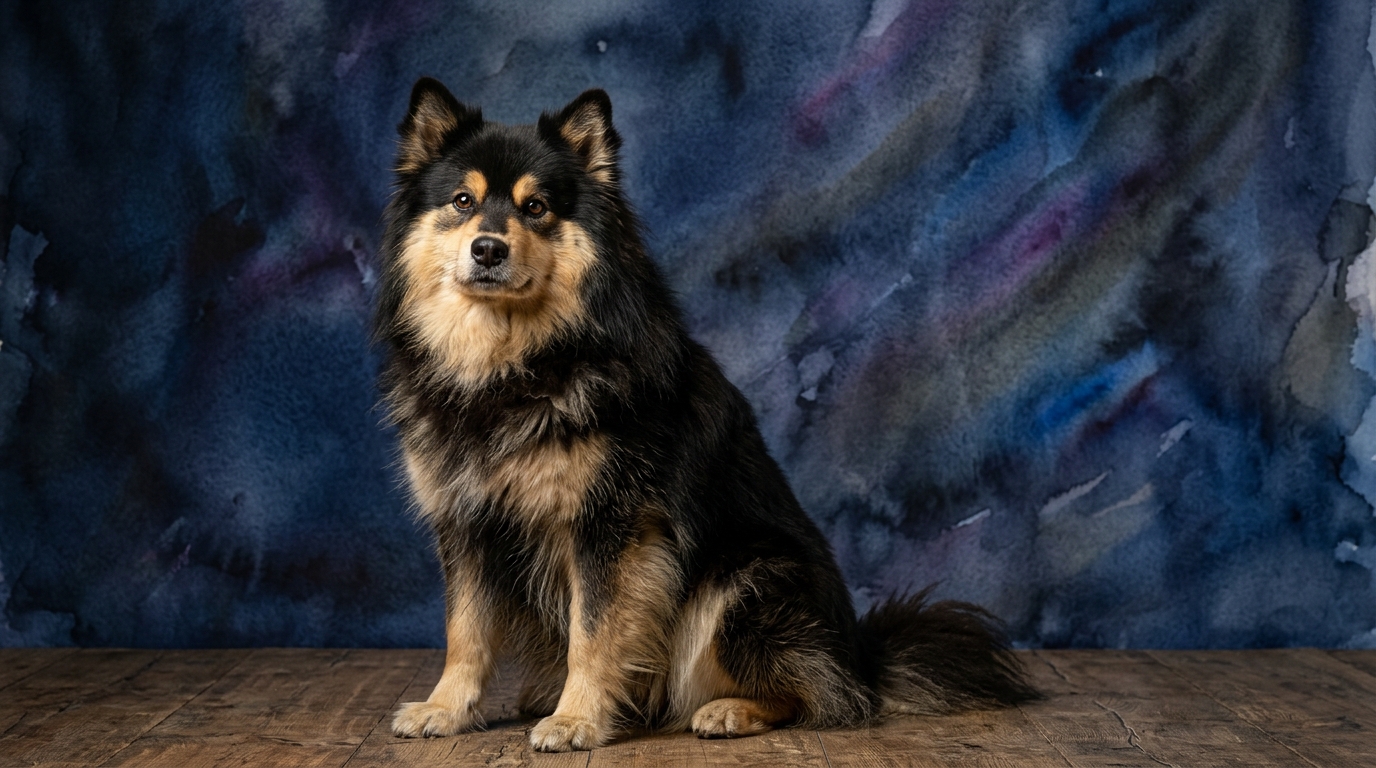

Side-by-Side IQ Profile: Finnish Lapphund vs. Mastiff
For the Finnish Lapphund, problem-solving often involves dynamic, real-time assessments, such as guiding reindeer through varied terrain or navigating complex flock movements to prevent strays. Their intellect shines in adapting quickly to changing environmental conditions and anticipating the actions of their charges, requiring fluid decision-making. The Mastiff's problem-solving, conversely, tends to be more deliberate and strategic, centered on assessing potential threats to their territory or family, understanding household routines, and spatial awareness within their domain. They might analyze a novel situation with calm observation before responding, a reflection of their guardian role.
The Finnish Lapphund exhibits a willingness to engage in training, often picking up new commands with reasonable repetition, driven by their desire to work alongside their human companions. However, their independent herding spirit means they might question a command if it doesn't align with their perceived task, requiring a trainer who can make learning feel like a collaborative effort. The Mastiff, while capable of learning, approaches training with a more thoughtful, sometimes ponderous, disposition, often needing to understand the 'why' behind a command before fully committing. Their sheer physical presence means their responses can appear slower, and consistent, patient reinforcement is essential to build lasting habits.
Finnish Lapphunds possess a refined social awareness, adept at reading the nuanced body language of both livestock and humans, crucial for effective herding and harmonious family life. They form deep attachments and are sensitive to their handler's moods, often adjusting their behavior to maintain social cohesion within their pack. The Mastiff's social intelligence is characterized by a profound discernment, particularly towards strangers, and a deep attunement to their family's emotional states, often acting as a silent, comforting presence. They keenly observe and understand the social hierarchy within their household, responding with loyalty and protective instincts towards their chosen people.
The Finnish Lapphund's instinctive drive is rooted in its ancient herding heritage, manifesting as a strong desire to gather and manage, whether it's livestock, children, or even other pets. This drive is coupled with a resilience to harsh weather and a natural vigilance, making them attentive companions. The Mastiff's instinctive drive is overwhelmingly geared towards guardianship and protection, a deep-seated impulse to defend its territory and family members against perceived threats. This manifests as a watchful, territorial nature, combined with an imposing presence, making them natural deterrents.
Both breeds demonstrate a respectable capacity for memory. The Finnish Lapphund relies on its memory to recall complex routes, the patterns of livestock movement, and a repertoire of past commands, which aids significantly in their working roles and daily life. They remember positive and negative training experiences, shaping future interactions. The Mastiff's memory is robust for recognizing individuals, remembering routines, and recalling the layout of their home and territory. They retain training and past interactions, contributing to their consistent behavior and long-term loyalty towards their family.
Where the Finnish Lapphund Wins Cognitively
The Finnish Lapphund excels in cognitive flexibility within dynamic, unpredictable environments. Their herding background fosters an ability to make rapid, independent decisions when circumstances shift quickly, such as when a flock scatters or a new obstacle appears. This translates to a natural aptitude for agility sports and problem-solving games that require quick thinking and adaptation. They often display a keen sensitivity to subtle environmental cues, picking up on changes in scent, sound, or movement that might go unnoticed by other breeds, a testament to their heritage of working closely with nature and livestock.
Where the Mastiff Wins Cognitively
The Mastiff's cognitive strengths lie in their capacity for patient observation and strategic assessment, particularly in situations requiring a calm, measured response. Their guarding role has honed an ability to differentiate between routine occurrences and genuine threats, often opting for a deliberate, imposing presence over impulsive action. This manifests as a deep understanding of household dynamics and a superior spatial awareness for their territory, allowing them to effectively 'patrol' and secure their domain without constant instruction. Their deliberate nature allows for a more profound, long-term processing of information, leading to highly consistent and reliable behaviors once a concept is understood.
Which is Easier to Train and Why
While both breeds share a 3/5 training speed, their approaches to learning differ significantly. The Finnish Lapphund, with its eager-to-please nature and inherent desire to work, often appears more responsive in initial training sessions. They are generally biddable and enjoy the engagement of learning, though their independent streak means they can get bored or distracted if training isn't stimulating or consistent. Their natural agility and responsiveness make them quick to execute commands. The Mastiff, on the other hand, can be perceived as slower to train due to their deliberate processing and larger physical responses. They require more patience and positive reinforcement, often needing to understand the utility or reward behind a command. Once a Mastiff grasps a concept, their memory and consistency are remarkable, but the journey there demands a calm, unwavering approach from the owner, focusing on motivation rather than force. Therefore, the Lapphund might offer quicker initial progress, but both demand dedicated, understanding trainers.
Which Suits Active Owners vs. Relaxed Owners
The Finnish Lapphund is an ideal companion for active owners who relish outdoor adventures, mental challenges, and potentially dog sports. Their background as working dogs means they thrive with a purpose, requiring regular physical activity like long hikes, alongside mental enrichment activities such as puzzle toys or advanced obedience training. Owners who enjoy engaging their dog in various tasks and providing consistent stimulation will find a loyal and enthusiastic partner in the Lapphund. Conversely, the Mastiff typically suits more relaxed owners who appreciate a calm, watchful presence in their home. While they benefit from moderate daily walks, their exercise needs are not as demanding as a herding breed. They prefer a comfortable home environment and consistent routines, thriving on companionship and the security of their family. Owners looking for a steady, affectionate giant who is content with a less strenuous lifestyle will find the Mastiff a perfect fit.
The Verdict
Choose a Finnish Lapphund if you seek an agile, quick-thinking companion eager for outdoor activities and mental engagement, thriving on a sense of purpose.
Opt for a Mastiff if you desire a calm, watchful guardian who offers unwavering loyalty and a steady presence, preferring a more relaxed home life.
🧠 Find Your Pet's IQ Score
Our Pet IQ Lab assessment covers 25+ tests across 5 cognitive dimensions — personalized to your breed.
Take the Full IQ Test →Frequently Asked Questions
Do Finnish Lapphunds bark a lot due to their herding instinct?
Finnish Lapphunds can be vocal, using barks to communicate while herding or to alert their family to new arrivals, a trait carried from their working heritage. Consistent training from a young age can help manage their tendency to vocalize, especially in non-working environments.
Are Mastiffs difficult to socialize given their protective nature?
Early and consistent socialization is crucial for Mastiffs to ensure they differentiate between true threats and normal interactions, fostering appropriate guardian behavior. Without proper exposure, their natural protective instincts can lead to fear or aggression towards strangers, making early experiences vital.
How do these breeds perform in competitive obedience despite similar training speeds?
While both are capable, the Finnish Lapphund's agility and enthusiasm often lend themselves well to competitive obedience, especially in disciplines requiring quick, precise movements. Mastiffs can excel too, but their deliberate nature means they might be slower to execute complex sequences, requiring more patience in training for speed-focused events.