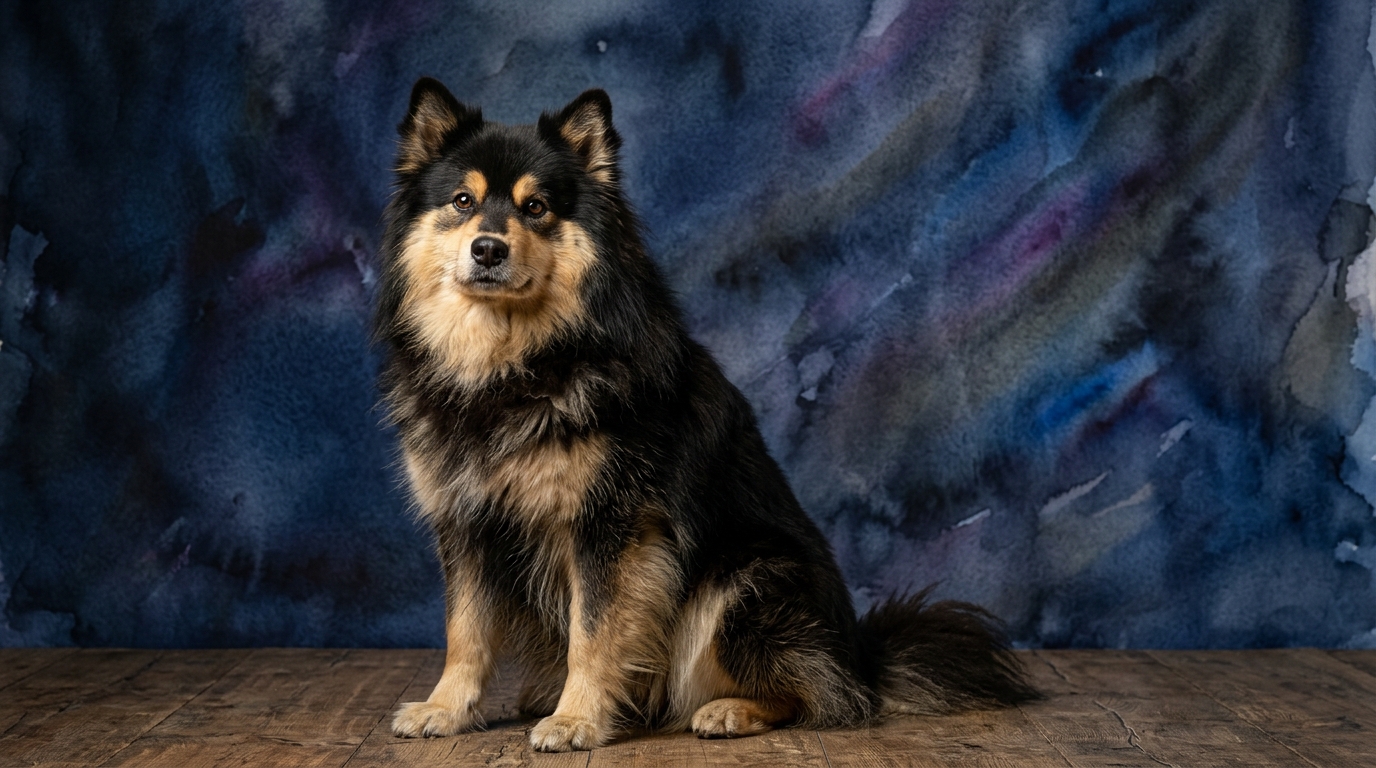
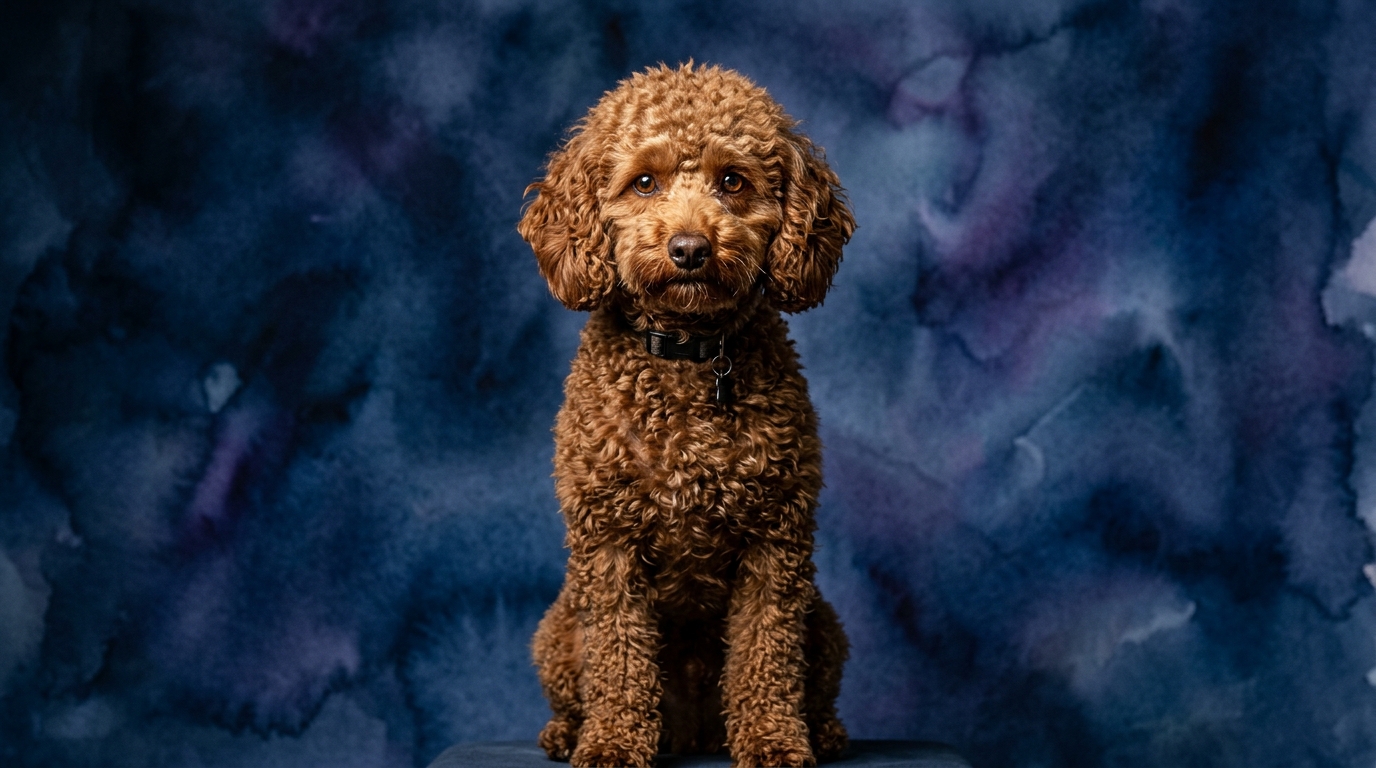
Side-by-Side Cognitive Profiles
Originating from the Arctic, the Finnish Lapphund's cognitive profile reflects its heritage as a reindeer herder. Its **Problem Solving (3/5)** capacity is robust but often practical, geared towards navigating environments and managing livestock rather than abstract puzzles. **Training Speed (3/5)** is moderate; they respond well to consistent, positive reinforcement but require patience and clarity, not always grasping new commands instantly. Their **Social Intelligence (3/5)** allows them to read human cues effectively, but their independent working nature means they might not always prioritize human direction over their own assessment of a situation. **Instinctive Drive (3/5)** is present, manifesting as a desire to herd or observe, yet it's generally manageable and can be channeled. Finally, their **Memory (3/5)** is reliable for learned routines and familiar faces, though perhaps not for intricate, multi-step sequences over long periods without refreshers.
The Miniature Poodle, a descendant of water retrievers, consistently ranks among the most capable learners in canine cognition, underscored by its Coren rank of #2. Its **Problem Solving (5/5)** ability is exceptional; they quickly analyze situations, devise strategies, and adapt their approach, excelling at complex tasks and puzzles. Their **Training Speed (5/5)** is equally remarkable, often learning new commands in just a few repetitions, eager to engage and perform. **Social Intelligence (3/5)** is good; they are attentive to their owners' moods and intentions, though their high cognitive capacity can sometimes lead to independent thought rather than blind obedience. **Instinctive Drive (3/5)**, while rooted in retrieving, is often channeled into dog sports like agility or obedience, making them highly trainable for specific tasks. Their **Memory (5/5)** is outstanding, allowing them to recall a vast repertoire of commands, tricks, and routines over extended durations, making them consistent performers.
Where the Finnish Lapphund Excels Cognitively
While the Miniature Poodle often outshines in raw learning speed, the Finnish Lapphund exhibits a particular cognitive resilience and environmental awareness that sets it apart. Its moderate problem-solving and instinctive drive, rated 3/5, translate into a practical intelligence well-suited for autonomous decision-making in dynamic, outdoor settings. Unlike breeds that might wait for explicit instructions, a Lapphund's cognitive strength lies in its ability to assess a changing landscape or a scattered flock and make independent judgments that are contextually appropriate, even if not perfectly aligned with human expectations every time. This isn't about rapid obedience but about adaptive judgment; they excel where independent thought and a certain level of self-sufficiency are valued, making them less prone to 'learned helplessness' in novel situations. Their balanced social intelligence also means they can interpret human intent without being overly dependent, fostering a strong, albeit partnership-based, bond. This cognitive profile makes them particularly adept at tasks requiring sustained focus amidst distractions, such as lengthy tracking or navigating varied terrains, where their inherent drive complements their practical problem-solving.
Where the Miniature Poodle Shines Cognitively
The Miniature Poodle's cognitive superiority is evident across several dimensions, particularly in its stellar 5/5 ratings for problem-solving, training speed, and memory. This breed's mind is a sponge, absorbing new information with astonishing rapidity. When presented with a novel puzzle, a Miniature Poodle will often experiment with various solutions and quickly arrive at the correct one, demonstrating a profound capacity for abstract thought and strategic planning. Their exceptional training speed means they can master a complex sequence of commands or an intricate agility course with far fewer repetitions than many other breeds, making them a joy for enthusiasts of dog sports or advanced obedience. Furthermore, their outstanding memory ensures that once a skill is learned, it is retained for extended periods, allowing them to perform consistently and reliably without constant refreshers. This combination of quick learning, effective problem-solving, and robust recall makes the Miniature Poodle exceptionally adaptable to new routines, environments, and commands, a true cognitive powerhouse in the canine world.
Training Ease: Lapphund vs. Poodle
When evaluating ease of training, the Miniature Poodle distinctly holds the advantage due to its superior training speed and memory. A Miniature Poodle often makes rapid associations between a command, an action, and a reward, needing only a handful of repetitions to solidify a new behavior. Their eagerness to engage and their capacity to recall a vast array of commands means that training sessions are typically efficient and rewarding, quickly building a complex repertoire of skills. In contrast, the Finnish Lapphund, with its moderate training speed and memory, requires a more patient and consistent approach. While certainly trainable, a Lapphund might need more repetitions and a clearer breakdown of tasks. Their herding background sometimes means they process environmental stimuli with higher priority, occasionally making them appear less focused on human commands if not adequately motivated or if the environment is too distracting. They might also exhibit more independent thought, weighing the command against their own judgment of the situation, which can be perceived as stubbornness if not understood as a facet of their practical, self-reliant intelligence. Therefore, while both breeds can achieve high levels of training, the Miniature Poodle generally offers a smoother, faster, and less repetition-intensive training journey.
Matching Canine Intelligence to Lifestyles
The choice between these two breeds also hinges significantly on an owner's lifestyle. The Finnish Lapphund is undoubtedly better suited for active owners. With its background as a herding dog in challenging Nordic environments, it possesses a moderate instinctive drive and requires consistent physical exercise and mental engagement. These dogs thrive on activities like hiking, long walks, dog sports such as agility or herding trials, and plenty of outdoor exploration. An owner who enjoys an active, outdoor-centric life and can provide ample opportunities for their Lapphund to use its body and mind will find a deeply satisfied companion. For more relaxed owners, a Finnish Lapphund might prove challenging without sufficient outlets for its energy, potentially leading to boredom or undesirable behaviors. The Miniature Poodle, while certainly benefiting from exercise, is more adaptable and can suit a broader range of owner activity levels. Their high cognitive capacity demands mental stimulation through puzzle toys, trick training, or dog sports, rather than just raw physical output. While they enjoy walks and playtime, their physical needs are generally moderate, and they can thrive in smaller living spaces like apartments, provided their minds are kept busy. Therefore, active, outdoor-loving individuals will find a natural partner in the Finnish Lapphund, whereas owners who prioritize mental engagement and perhaps have a slightly less rigorous physical routine will find the Miniature Poodle to be an excellent match.
The Verdict
Opt for a Finnish Lapphund if you are an active, outdoors-oriented individual who values a resilient, moderately independent companion and is prepared to invest consistent, patient training to foster their practical intelligence.
Select a Miniature Poodle if you seek a highly adaptable, rapidly learning companion eager for complex training, trick work, and dog sports, thriving on consistent mental challenges in a variety of living situations.
🧠 Find Your Pet's IQ Score
Our Pet IQ Lab assessment covers 25+ tests across 5 cognitive dimensions — personalized to your breed.
Take the Full IQ Test →Frequently Asked Questions
Is a Finnish Lapphund a good choice for first-time dog owners?
A Finnish Lapphund can be a good choice for committed first-time owners who are active, willing to dedicate time to consistent training, and understand the breed's need for mental stimulation and independence. Their moderate training speed means patience is key.
Do Miniature Poodles require a lot of physical exercise daily?
Miniature Poodles have moderate physical exercise needs, enjoying daily walks and playtime. However, their high cognitive capacity means they crucially require significant mental stimulation through training, puzzles, and interactive games to prevent boredom.
Which breed excels more in advanced obedience or dog sports competitions?
The Miniature Poodle generally excels more in advanced obedience and dog sports due to its exceptional training speed, problem-solving abilities, and memory, allowing them to master complex routines and adapt quickly to new challenges.