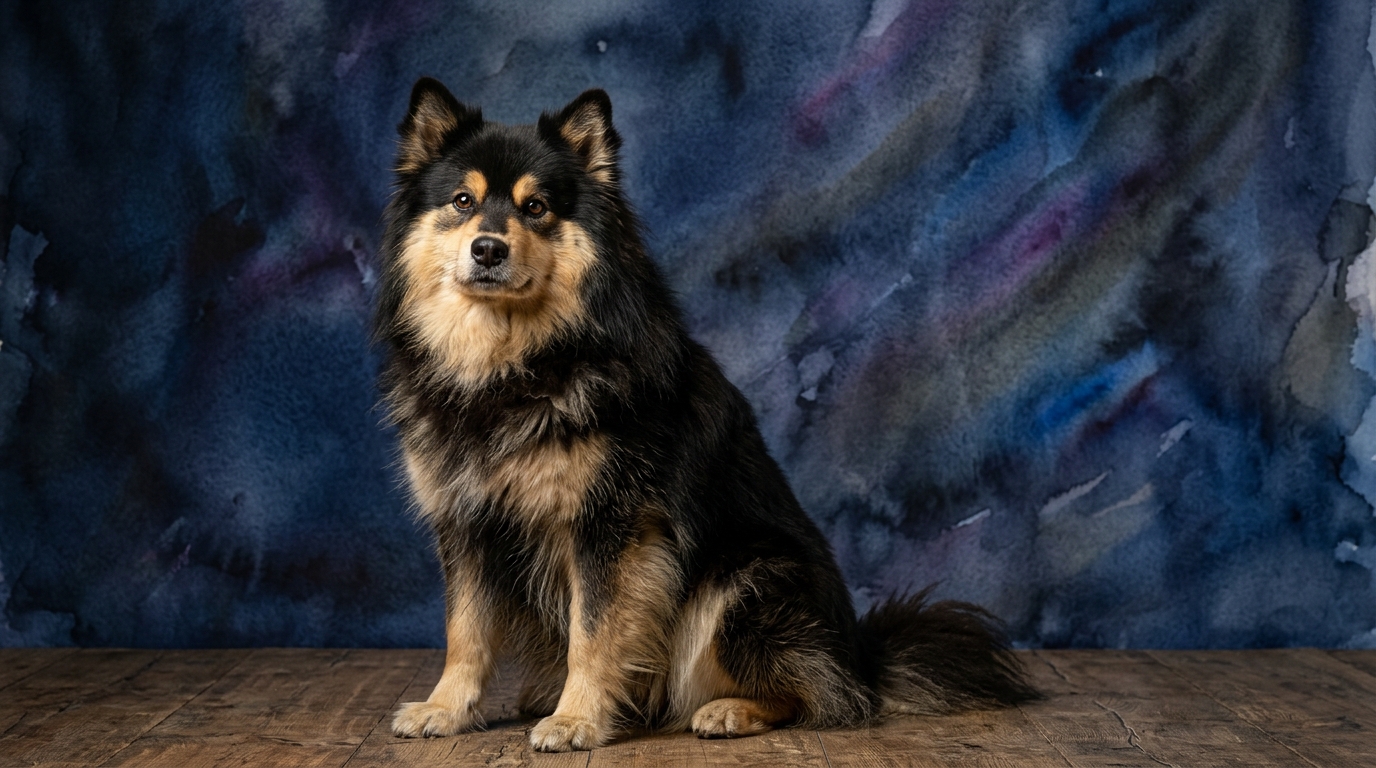
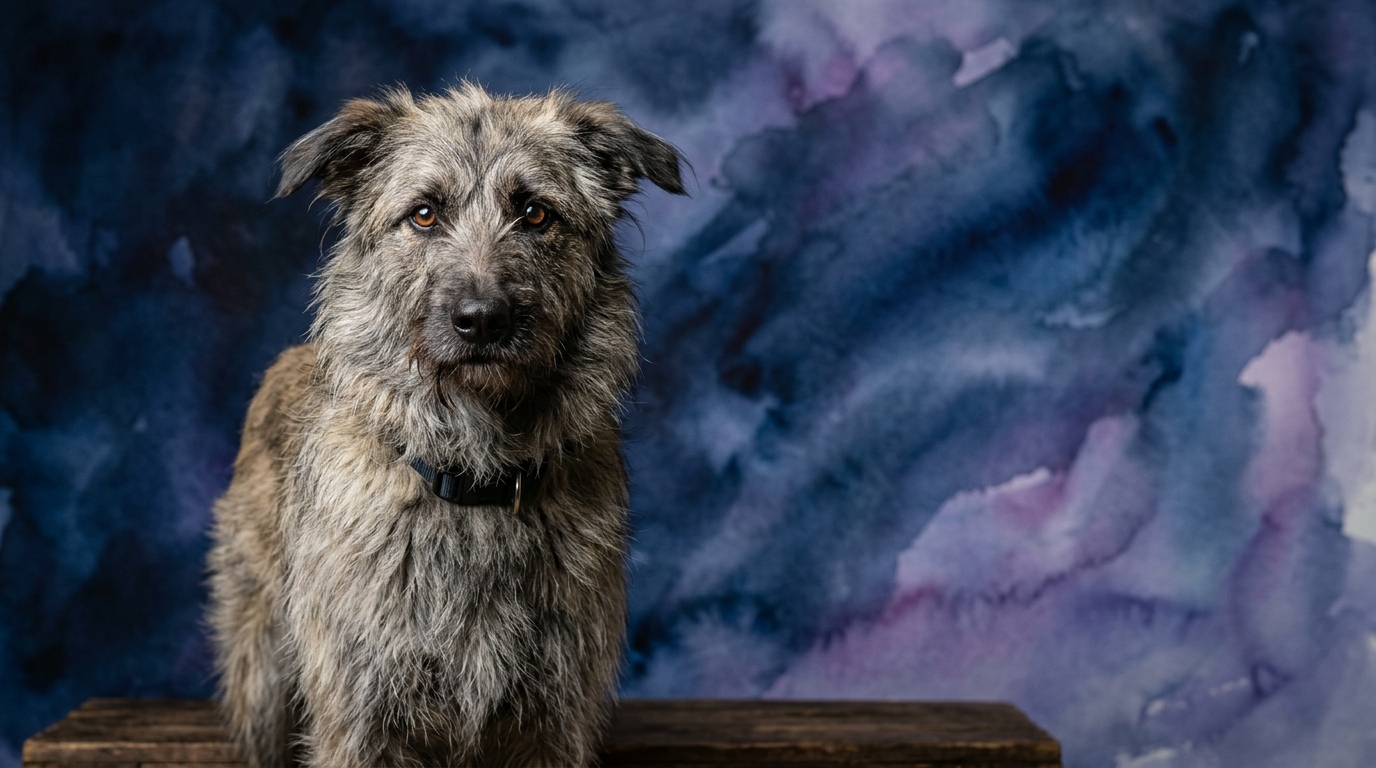
Side-by-Side Cognitive Profiles: Decoding Similar Scores
On The Cosmic Pet Pet IQ Lab scale, both the Finnish Lapphund and Pyrenean Shepherd register a consistent 3/5 across all five cognitive dimensions: Problem Solving, Training Speed, Social Intelligence, Instinctive Drive, and Memory. However, these identical scores belie unique expressions of intellect shaped by their ancestral roles and environments. For the Finnish Lapphund, their Problem Solving (3/5) often manifests as thoughtful observation, adeptly assessing situations calmly to manage reindeer herds by subtle guidance. Their Training Speed (3/5) reflects a steady, willing learner, absorbing commands with deliberate pace through positive reinforcement. Social Intelligence (3/5) means deep attunement to family emotions, often reserved but watchful with strangers, discerning intent quietly. Their Instinctive Drive (3/5) leans towards gathering and protecting their 'flock' (family), coupled with strong territorial awareness. Memory (3/5) is robust, retaining complex sequences and past experiences, contributing to reliability.
The Pyrenean Shepherd interprets these scores with intense energy and acute sensitivity. Their Problem Solving (3/5) is characterized by a quick, sometimes impulsive approach, trying rapid solutions relying on agility and sharp perception. Training Speed (3/5) is fast; eager to learn, they possess an innate desire to work, though their sensitivity demands handler responsiveness. Social Intelligence (3/5) is deeply entwined with their handler bond, incredibly perceptive but wary and discerning with unfamiliar individuals. Their Instinctive Drive (3/5) is powerful, focused intensity towards herding, exhibiting a tireless work ethic. Memory (3/5) is exceptional for commands, routines, and experiences, both positive and negative.
Cognitive Strengths: Where the Finnish Lapphund Excels
The Finnish Lapphund's cognitive strengths often lie in their adaptability and thoughtful resilience. Their Problem Solving tends to be methodical and less prone to frantic energy; they might pause, observe, then proceed with a calculated approach, adapting well to varied environments or changing routines. Their Social Intelligence allows for a calm, reassuring presence in households, particularly with children or other pets, where their ability to read subtle social cues and react with gentle patience is a distinct advantage. This calm discernment, paired with robust memory, means they learn and retain complex house rules and social boundaries effectively, contributing to their reliability as a family companion.
Cognitive Strengths: Where the Pyrenean Shepherd Excels
The Pyrenean Shepherd's cognitive prowess shines in their intensity, lightning-fast reflexes, and profound handler focus. Their Problem Solving is characterized by an almost explosive drive to overcome challenges, making them superb at agility, competitive obedience, or intricate herding tasks where quick decisions and rapid execution are paramount. Their Training Speed is often perceived as faster in practical application due to unwavering focus and desire for interaction. This translates to an almost telepathic understanding in working partnerships. The Pyrenean Shepherd's Social Intelligence is particularly sharp in anticipating their handler's next move, making them incredibly responsive. Their instinctive drive provides an inexhaustible willingness to engage in mentally stimulating work, a true asset for active owners.
Training Dynamics: Finnish Lapphund vs. Pyrenean Shepherd
When it comes to ease of training, the nuanced differences between these breeds become apparent despite their identical Training Speed scores. The Finnish Lapphund, with its calm disposition and inherent desire to please, often presents as a more straightforward training prospect for novice owners. They respond well to consistent, positive reinforcement and are generally forgiving of minor handler inconsistencies. Their problem-solving approach is less about challenging the handler and more about understanding the task. A Lapphund's steady memory ensures that once a command is learned, it is retained, leading to reliable performance over time. They are less likely to become overstimulated or frustrated by repetitive training sessions, preferring a steady, reassuring pace.
The Pyrenean Shepherd, conversely, while incredibly quick to grasp new concepts, requires a more experienced and consistent handler. Their high sensitivity means they can be easily discouraged by harsh corrections or inconsistent commands. Their intense focus, if not properly channeled, can lead to boredom or an independent streak where they might 'think for themselves.' Their exceptional memory retains both good and bad experiences vividly, impacting future training. A Pyr Shep thrives on variety, challenge, and a strong, confident partnership, rewarding those who meet their cognitive and emotional needs, but potentially overwhelming for a first-time dog owner.
Lifestyle Suitability: Active vs. Relaxed Owners
The Finnish Lapphund generally suits a wider range of active owners, including those who enjoy regular outdoor adventures but also appreciate a calmer indoor presence. Their problem-solving ability allows them to adapt to different environments, from hiking trails to quiet evenings at home, without becoming overly anxious or destructive. While they require daily exercise and mental engagement, their social intelligence makes them content to be a part of family activities. They are often described as having an 'off switch,' capable of relaxing once their needs are met, making them suitable for owners who appreciate both adventure and downtime.
The Pyrenean Shepherd is unequivocally a match for highly active, experienced owners prepared for constant partnership in activity and mental engagement. Their intense instinctive drive and rapid problem-solving capabilities demand a lifestyle filled with purpose, whether competitive dog sports, demanding hikes, or a 'job.' A Pyr Shep without sufficient mental and physical stimulation can quickly become restless, inventing their own entertainment. Their sharp social intelligence requires an owner who can consistently provide leadership and engaging tasks. For owners dedicated to a dynamic, active lifestyle, the Pyrenean Shepherd is an exhilarating companion; for more relaxed owners, their constant need for engagement could prove challenging.
The Verdict
Choose the Finnish Lapphund if you seek a thoughtful, adaptable companion who thrives on consistent guidance and offers a balanced blend of outdoor enthusiasm and calm domesticity, suitable for a moderately active family.
Opt for the Pyrenean Shepherd if you are an experienced, highly active individual or family seeking an intense, quick-witted partner for demanding sports, complex training, and a life filled with constant engagement and purpose.
🧠 Find Your Pet's IQ Score
Our Pet IQ Lab assessment covers 25+ tests across 5 cognitive dimensions — personalized to your breed.
Take the Full IQ Test →Frequently Asked Questions
Do Finnish Lapphunds bark a lot due to their herding instincts?
Finnish Lapphunds can be vocal, using barks to alert their family or express excitement, a trait stemming from their watchful herding and guarding roles. Consistent training from a young age can help manage excessive barking, though their natural inclination to communicate vocally remains.
Are Pyrenean Shepherds good with children and other pets?
Pyrenean Shepherds can be good with children and other pets, especially if raised with them, but their intense herding drive and cautious nature with strangers mean careful socialization is essential. They may try to 'herd' children or smaller animals, requiring supervision and consistent training to ensure positive interactions.
Which breed is more prone to separation anxiety?
The Pyrenean Shepherd, with its intense bond and reliance on its primary handler, can be more prone to separation anxiety if not properly conditioned to alone time. The Finnish Lapphund, while deeply affectionate, tends to be a bit more independent and adaptable, potentially making them less susceptible to severe separation distress.