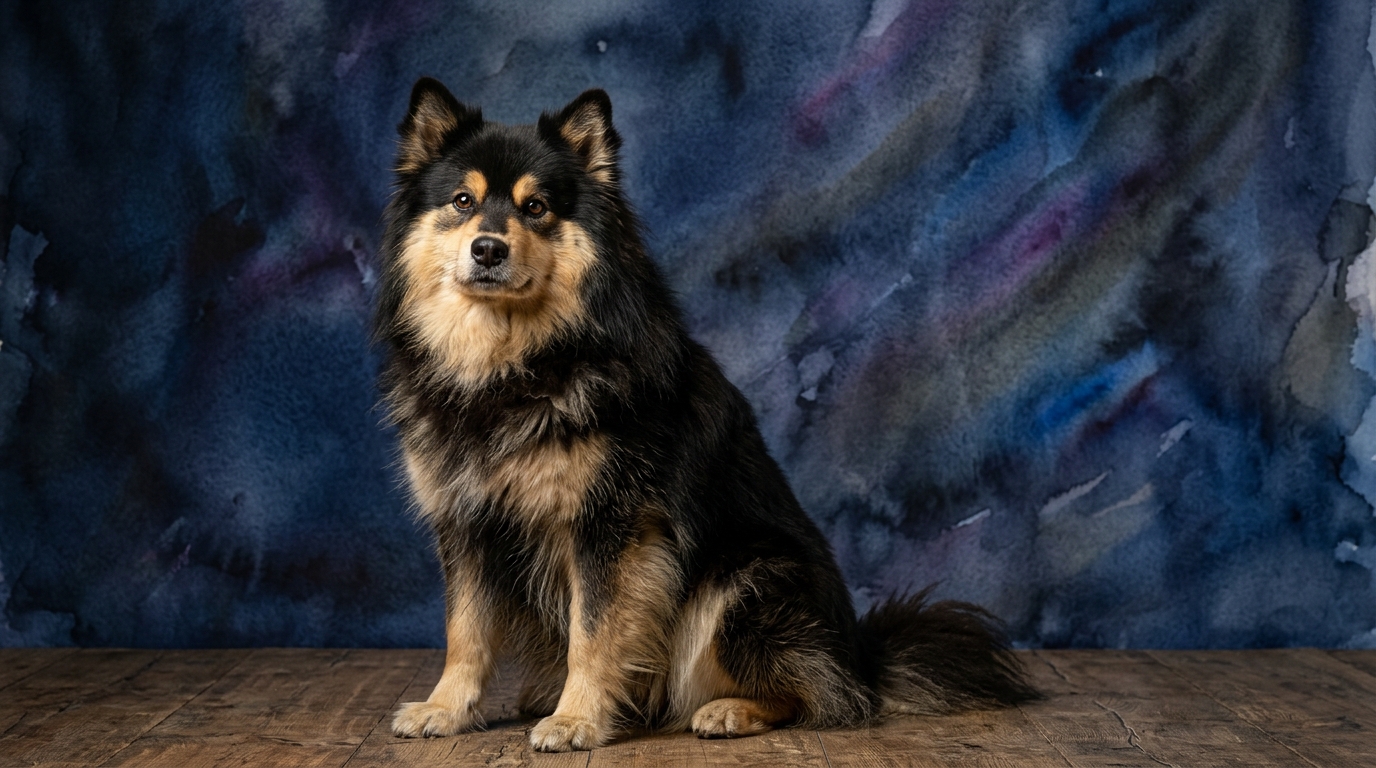
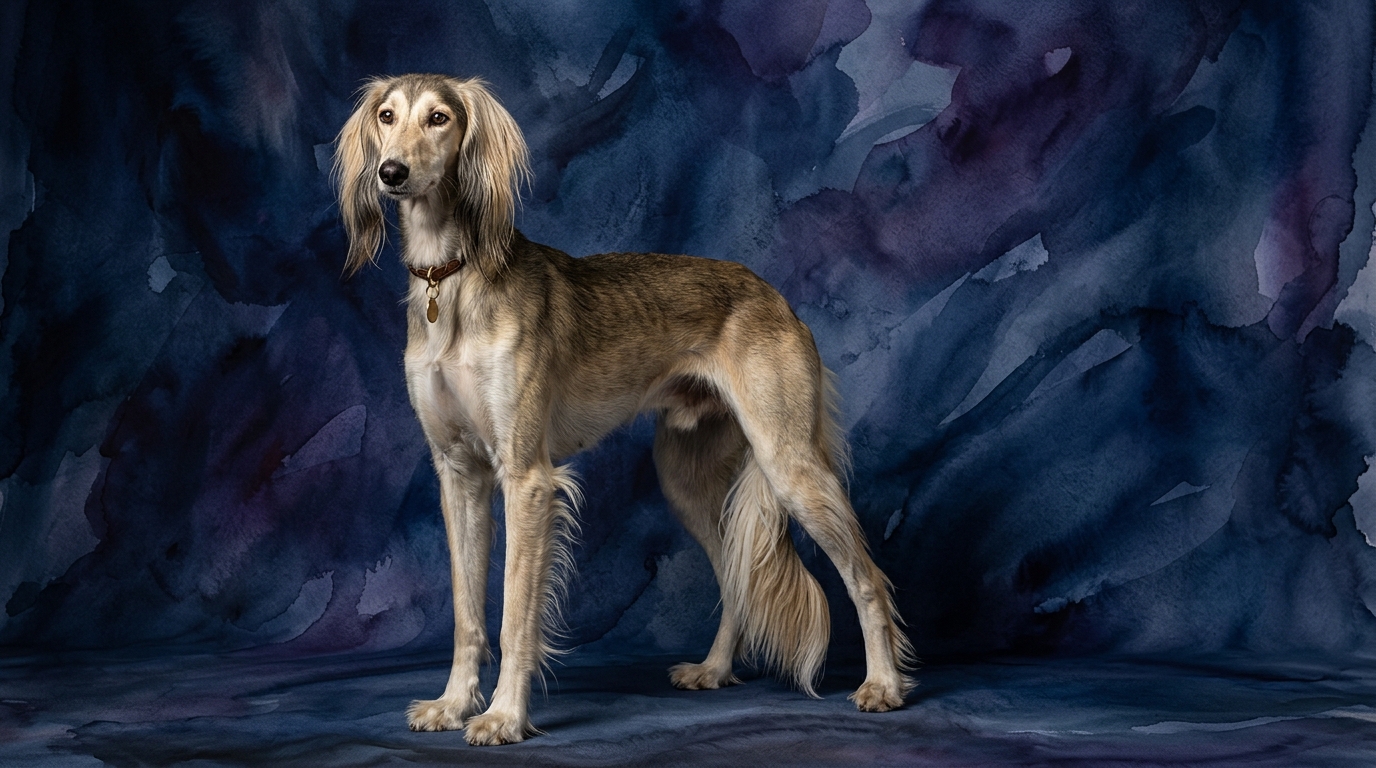
Side-by-Side IQ Profile: Herding Wit vs. Sighthound Instinct
The Finnish Lapphund, originating from the Arctic, developed their Problem Solving (3/5) by independently managing reindeer herds, navigating vast, challenging landscapes, and adapting strategies to keep livestock together, often in harsh weather. Their Training Speed (3/5) reflects their willingness to learn new commands quickly when motivation is clear, though their herding independence means they aren't always blindly compliant. Social Intelligence (3/5) is evident in their ability to work closely with humans and other dogs, interpreting subtle cues from both handler and herd members, making them naturally attuned companions. Their Instinctive Drive (3/5) is deeply rooted in their herding heritage, a strong urge to gather and manage, which translates into a desire for purpose. Memory (3/5) serves them well in recalling complex routes, livestock patterns, and learned routines, crucial for effective herding over large territories.
Conversely, the Saluki, hailing from the Middle East, developed their Problem Solving (3/5) uniquely geared towards autonomous hunting; they excel at identifying, tracking, and outmaneuvering prey across open deserts, requiring split-second decisions and keen observation without human direction. Their Training Speed (3/5) indicates they can grasp concepts swiftly, but their independent nature as a sighthound means they often weigh the value of compliance against their own desires, leading to selective responsiveness. Social Intelligence (3/5) manifests as a deep, often reserved, bond with their chosen family, understanding nuances within their human pack while generally being aloof with strangers, valuing quiet companionship over boisterous interaction. Their Instinctive Drive (3/5) is powerfully focused on chase and capture, a relentless pursuit of anything that moves quickly, a testament to their ancient role. Memory (3/5) in a Saluki is strong for recalling hunting grounds, prey habits, and the routines of their human family, contributing to their discerning nature.
Where the Finnish Lapphund Shines Cognitively
The Finnish Lapphund's cognitive strengths truly come to the forefront in cooperative problem-solving and tasks requiring sustained engagement with a human partner. While both breeds score 3/5 in Problem Solving, the Lapphund's herding background means their intellectual application often involves understanding and responding to human directives to achieve a shared goal. They are adept at figuring out how to manipulate their environment or other animals in a way that aligns with their handler's wishes, displaying a more collaborative form of intelligence. This translates into a dog that can excel in activities like obedience, agility, or even complex trick training, where interpreting human cues and working as a team is paramount. Their social intelligence, while rated the same as the Saluki's, manifests as a greater openness to interaction and a more overt desire to participate in family activities, making them highly receptive to social learning within the home environment.
Where the Saluki Excels Cognitively
Conversely, the Saluki's cognitive prowess is most evident in scenarios demanding independent thought, rapid decision-making, and exceptional sensory processing, particularly visual. Their 3/5 Problem Solving score reflects a profound capability for autonomous action, where they are bred to make critical judgments about prey movement, terrain, and optimal pursuit paths without human input. This translates into a dog with remarkable spatial awareness and an uncanny ability to navigate complex outdoor environments, often anticipating and reacting to changes faster than a human could perceive. Their instinctive drive, equally rated at 3/5, fuels this independent problem-solving, making them highly focused on their primary motivation – the chase. While they may not be as inclined to perform repetitive tasks for human praise, their sharp memory and observational skills allow them to learn complex patterns and routes quickly, especially when it pertains to their own interests or the environment they frequent. Their social intelligence, though reserved, allows for deep, nuanced bonds within their family, where they keenly observe and remember family routines and emotional states, responding with quiet empathy.
Training Dynamics: Biddable Collaboration vs. Independent Pursuit
When it comes to training, the practical differences between these two breeds become pronounced, despite their identical 3/5 Training Speed scores. The Finnish Lapphund, with its herding lineage, generally presents as a more biddable and eager-to-please student. Their historical role required them to work closely with human shepherds, fostering a natural inclination towards cooperation and taking direction. While they possess an independent streak typical of working dogs, their desire to engage and form a partnership often makes them more receptive to positive reinforcement methods and consistent guidance. They find satisfaction in completing tasks alongside their owner, making them relatively straightforward to teach basic obedience and more advanced skills.
The Saluki, on the other hand, embodies the independent spirit of a sighthound. Their ancestral duty was to hunt autonomously, making decisions in the field without constant human input. This translates into a training experience that requires immense patience, creativity, and a deep understanding of canine motivation. A Saluki might grasp a command quickly (reflecting their 3/5 Training Speed), but their willingness to *perform* it consistently depends heavily on whether they perceive it as worthwhile or if a more compelling distraction (like a squirrel) is present. They are not inherently driven by the same desire to please as a herding dog; instead, they are motivated by their own instincts and rewards that truly resonate with them. Consistency, short engaging sessions, and making training feel like a game rather than a chore are crucial for success with a Saluki, acknowledging their discerning and sometimes aloof nature.
Matching Owners: Engaged Companionship vs. Respectful Autonomy
The ideal owner for a Finnish Lapphund is typically someone who enjoys an engaged, active partnership with their dog. These dogs thrive when they have a sense of purpose, whether that's participating in dog sports like agility, herding, or rally, or simply being an integral part of daily family activities. Their 3/5 instinctive drive for herding means they benefit from outlets for their energy and cognitive engagement, making them suitable for owners who can provide consistent mental stimulation and physical exercise beyond just a walk around the block. They appreciate owners who are willing to invest time in training and cooperative play, fostering their social intelligence and desire for companionship. A Lapphund will flourish in a home where they are included in routines and can offer their unique brand of cooperative intelligence.
The Saluki, conversely, suits an owner who appreciates independence and can provide specific outlets for their unique physical and cognitive needs. While they are not "active" in the continuous sense, they require regular opportunities for intense, high-speed sprinting in a secure, large area, fulfilling their 3/5 instinctive prey drive. After these bursts of exercise, they are often content to be relaxed, quiet companions indoors, making them suitable for owners who might prefer a more serene home environment but can commit to their specific exercise requirements. Owners must understand and respect their sighthound nature, including a strong prey drive and a reserved demeanor with strangers. They thrive with owners who provide a calm, consistent environment and appreciate a bond built on mutual respect rather than constant interaction or demanding obedience.
The Verdict
Opt for a Finnish Lapphund if you seek a cooperative, adaptable companion eager to engage in joint activities, thrive on a clear purpose, and integrate fully into a family life that includes consistent mental and physical outlets.
Select a Saluki if you admire an independent, elegant dog with a profound need for high-speed running, valuing a calm indoor presence and a deep, reserved bond with an owner who respects their inherent sighthound autonomy.
🧠 Find Your Pet's IQ Score
Our Pet IQ Lab assessment covers 25+ tests across 5 cognitive dimensions — personalized to your breed.
Take the Full IQ Test →Frequently Asked Questions
Do Finnish Lapphunds and Salukis learn at the same pace?
While both breeds score 3/5 in Training Speed, their motivation differs; Lapphunds are generally more cooperative and eager to please, often making them seem to learn faster in traditional obedience. Salukis grasp concepts quickly but require more motivation and patience due to their independent nature.
Which breed is better for a first-time dog owner?
The Finnish Lapphund is generally more forgiving for a first-time owner due to their cooperative nature and responsiveness to training, provided the owner can meet their activity and mental stimulation needs. Salukis can be more challenging for novices due to their strong prey drive and independent streak, requiring a specific understanding of sighthound behavior.
How do their social intelligence scores of 3/5 manifest differently?
A Lapphund's 3/5 social intelligence often translates into a more overtly friendly and interactive demeanor, readily engaging with family and familiar faces. A Saluki's 3/5 social intelligence is typically more reserved, forming deep, loyal bonds with their immediate family while being aloof or indifferent to strangers, valuing quiet companionship.