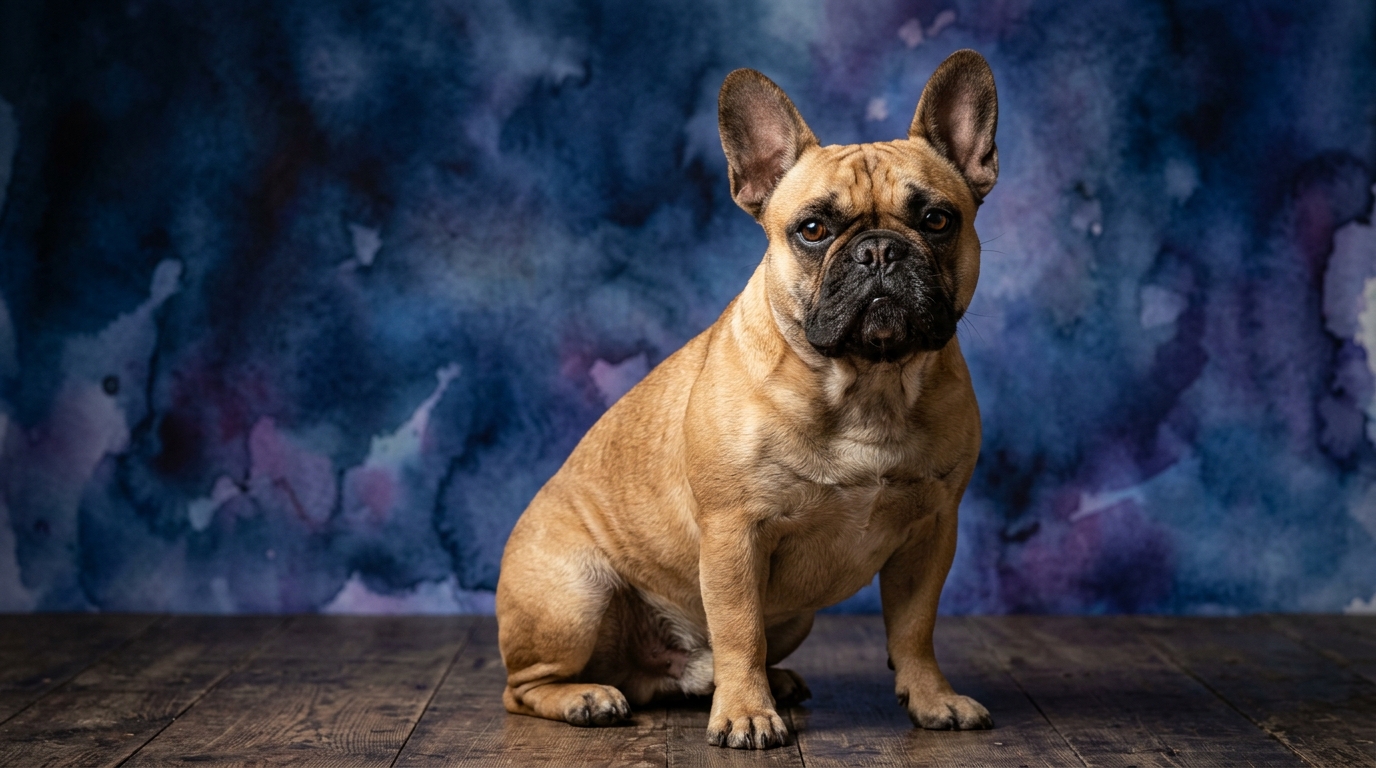
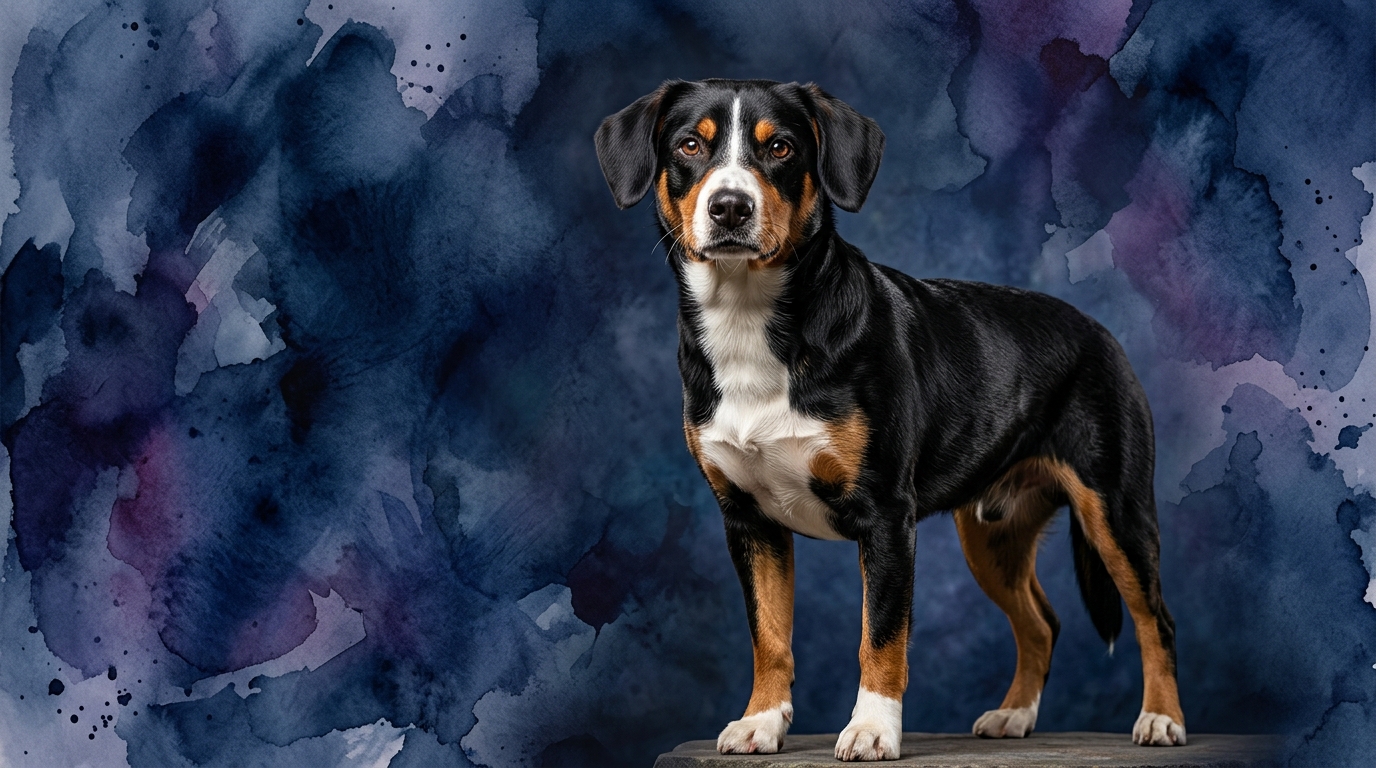
Side-by-Side IQ Profile: French Bulldog vs. Entlebucher Mountain Dog
To truly understand the cognitive landscape of these two breeds, we must delve into The Cosmic Pet Pet IQ Lab's five core dimensions of intelligence. Each offers a unique lens through which to view their mental aptitudes.
**Problem Solving (French Bulldog: 3/5, Entlebucher Mountain Dog: 3/5):** This dimension gauges a dog's capacity to independently navigate novel situations, overcome obstacles, or figure out how to achieve a goal. Both breeds register a moderate 3/5, indicating they are neither quick-witted masterminds nor particularly slow to grasp new concepts. They possess a practical intelligence, capable of learning to open simple latches or figure out basic puzzle toys with some effort, but complex, multi-step challenges might push their limits, often requiring owner guidance.
**Training Speed (French Bulldog: 3/5, Entlebucher Mountain Dog: 3/5):** Training speed measures how rapidly a dog forms associations between commands and desired actions, and how quickly they pick up new routines. With identical scores of 3/5, both French Bulldogs and Entlebucher Mountain Dogs demonstrate a moderate pace of learning. They are receptive to instruction and capable of absorbing new commands effectively, provided the training is consistent, clear, and engaging. Neither breed will master a new trick in a single session, but with patient repetition, they will reliably learn and retain information.
**Social Intelligence (French Bulldog: 5/5, Entlebucher Mountain Dog: 3/5):** This critical dimension assesses a dog's ability to interpret human cues, understand intentions, and navigate social dynamics within a human family. Here, the French Bulldog truly shines with an exceptional 5/5. This breed displays a remarkable attunement to human emotions, subtle body language, and even unspoken desires. They are masters of reading their owners, often adapting their behavior to comfort, entertain, or simply coexist harmoniously, making them profoundly intuitive companions. The Entlebucher Mountain Dog, in contrast, scores a moderate 3/5. While capable of forming strong bonds and understanding basic human directives, their social intelligence is more direct. They are less inclined to constantly interpret nuanced human signals and more focused on clear communication, possessing a practical understanding of their role within the family structure rather than a deep emotional mirroring.
**Instinctive Drive (French Bulldog: 2/5, Entlebucher Mountain Dog: 3/5):** Instinctive drive refers to the strength of inherent, breed-specific behavioral patterns, such as herding, hunting, or guarding. The French Bulldog exhibits a lower 2/5, reflecting its evolution primarily as a companion animal. While they retain fundamental dog instincts, the intensity of specialized drives is minimal. They are generally not driven by strong urges to chase, herd, or patrol, contributing to their relaxed demeanor. The Entlebucher Mountain Dog scores a moderate 3/5, a direct reflection of its historical role as a herding dog from the Swiss Alps. This manifests as a discernible, though not overwhelming, inclination towards purposeful activity, vigilance, and a desire to keep its 'flock' (family) together. This drive provides a foundational motivation for engagement and a keen awareness of their surroundings.
**Memory (French Bulldog: 3/5, Entlebucher Mountain Dog: 3/5):** Memory evaluates a dog's ability to retain learned information, commands, and experiences over time. Both breeds achieve a moderate 3/5, indicating a solid capacity for recall. They will remember learned behaviors, routines, and past interactions reliably, allowing for effective long-term training. While they may not possess photographic memory, their retention is robust enough to build upon previous lessons without constant re-teaching, though occasional refreshers are always beneficial.
Where the French Bulldog Wins Cognitively
The French Bulldog's preeminent cognitive strength lies squarely in their exceptional social intelligence, scoring a perfect 5/5. This isn't just about being friendly; it reflects a profound capacity to interpret human emotional states, subtle body language, and even anticipate their owner's needs or desires. A French Bulldog excels at 'reading the room,' often adjusting their demeanor to match the prevailing mood, whether offering quiet comfort during sadness or playful antics to lighten the atmosphere. This acute sensitivity makes them profoundly empathetic companions, skilled at forming deep, nuanced bonds. Their ability to understand human social dynamics allows for a remarkably harmonious cohabitation, often requiring fewer overt commands because they are already attuned to unspoken cues. They learn quickly what makes their human happy or upset, leveraging this understanding to navigate their social world with remarkable finesse.
Where the Entlebucher Mountain Dog Wins Cognitively
While the Entlebucher Mountain Dog shares similar scores with the French Bulldog across most cognitive dimensions, its distinct advantage emerges from its slightly higher instinctive drive, rated at 3/5. This isn't a score of raw intellect but rather a measure of the inherent behavioral programs that guide their actions, rooted in their herding lineage. This manifests as a discernible propensity for purpose-driven activity and a vigilant awareness of their surroundings. Entlebuchers often demonstrate a stronger inclination to 'work' or engage in tasks that provide a sense of purpose, whether it's monitoring the yard, participating in dog sports, or even 'herding' family members gently. Their instincts provide a framework for focused activity and a sense of responsibility, leading them to be more naturally inclined towards structured engagement compared to the French Bulldog's more relaxed, companion-oriented disposition. This drive, while moderate, provides a cognitive edge in situations requiring sustained attention to a task or environmental monitoring.
Which is Easier to Train and Why?
When evaluating ease of training, both French Bulldogs and Entlebucher Mountain Dogs share a moderate training speed score of 3/5, suggesting neither is inherently a 'quick study' nor particularly slow. However, the *approach* to training and the perceived ease can vary significantly due to their other cognitive dimensions. The French Bulldog's exceptional social intelligence (5/5) often makes them appear easier to train in a household context. They are highly attuned to human reactions and desire to please their owners, meaning they quickly learn which behaviors earn praise and affection. Their motivation is often deeply tied to maintaining social harmony and receiving positive attention. However, their lower instinctive drive (2/5) means they might lack the inherent 'go-getter' attitude for complex obedience routines or tasks that don't directly involve human interaction, and can exhibit a stubborn streak if they don't see the immediate social reward.
Conversely, the Entlebucher Mountain Dog, with its moderate social intelligence (3/5) and moderate instinctive drive (3/5), approaches training with a different mindset. They are capable learners, but their motivation might be more task-oriented than purely social. They respond well to clear, consistent commands and enjoy having a 'job' to do, aligning with their herding heritage. While they may not be as instinctively driven to 'please' in the same nuanced way as a French Bulldog, their inherent drive for purpose can make them receptive to structured training, especially when it involves mental and physical engagement. Training an Entlebucher often benefits from making tasks feel meaningful, whereas a French Bulldog thrives on connection and positive reinforcement within a social context. Therefore, for an owner seeking a dog that intuitively understands and responds to social cues in daily life, the French Bulldog might feel 'easier' to integrate. For owners who enjoy structured, task-oriented training and can tap into a dog's natural working inclinations, the Entlebucher offers a rewarding partnership.
Which Suits Active Owners vs. Relaxed Owners?
The differing cognitive profiles of these two breeds naturally align them with distinct owner lifestyles. The French Bulldog, with its lower instinctive drive (2/5) and exceptional social intelligence (5/5), is ideally suited for more relaxed owners who prioritize companionship and indoor comfort. Their moderate problem-solving, training speed, and memory scores mean they benefit from mental engagement through puzzle toys and short training sessions, but their overall energy demands are typically lower. They thrive on being a central part of family life, offering intuitive emotional support and contentment with a comfortable routine. They are content with moderate daily walks and ample cuddle time, making them excellent companions for apartment dwellers or individuals with less time for rigorous outdoor adventures.
In contrast, the Entlebucher Mountain Dog, with its moderate instinctive drive (3/5) and herding background, naturally gravitates towards more active owners. While their problem-solving, training speed, and memory scores are also moderate, their inherent drive for purpose means they require more than just physical exercise; they need mental stimulation and a 'job' to feel fulfilled. Owners who enjoy hiking, dog sports like agility or obedience, or simply engaging in structured play sessions that mimic herding or tracking will find the Entlebucher a willing and capable partner. Their vigilance and desire to monitor their environment also mean they appreciate having a role in the household, making them a better fit for those who can integrate them into an active, purposeful lifestyle rather than a purely sedentary one.
The Verdict
Choose the French Bulldog if your priority is an exceptionally socially attuned companion who thrives on close emotional connection and a more relaxed pace of life, perfectly content with moderate activity and ample cuddle time.
Choose the Entlebucher Mountain Dog if you seek an active, engaged partner for outdoor adventures and structured activities, valuing a dog with a discernible working drive and a vigilant nature that enjoys having a purpose.
🧠 Find Your Pet's IQ Score
Our Pet IQ Lab assessment covers 25+ tests across 5 cognitive dimensions — personalized to your breed.
Take the Full IQ Test →Frequently Asked Questions
Are French Bulldogs easy to house train?
Their moderate training speed and strong social intelligence mean French Bulldogs can be house trained effectively with consistent positive reinforcement, as they are keen to please and understand routines. Patience and clear communication are key to their success.
Do Entlebucher Mountain Dogs bark a lot?
Their moderate instinctive drive and vigilance, stemming from their herding roots, can lead to alert barking, especially if they perceive something out of place in their environment. Early training and socialization can help manage this tendency and direct their alertness appropriately.
Which breed is better with children?
The French Bulldog's high social intelligence makes them generally gentle and adaptable with children, often understanding boundaries and seeking harmonious interaction. The Entlebucher, while loyal to family, might require more supervision due to their moderate herding instincts which could manifest as gentle 'nipping' or pushing to gather children.