
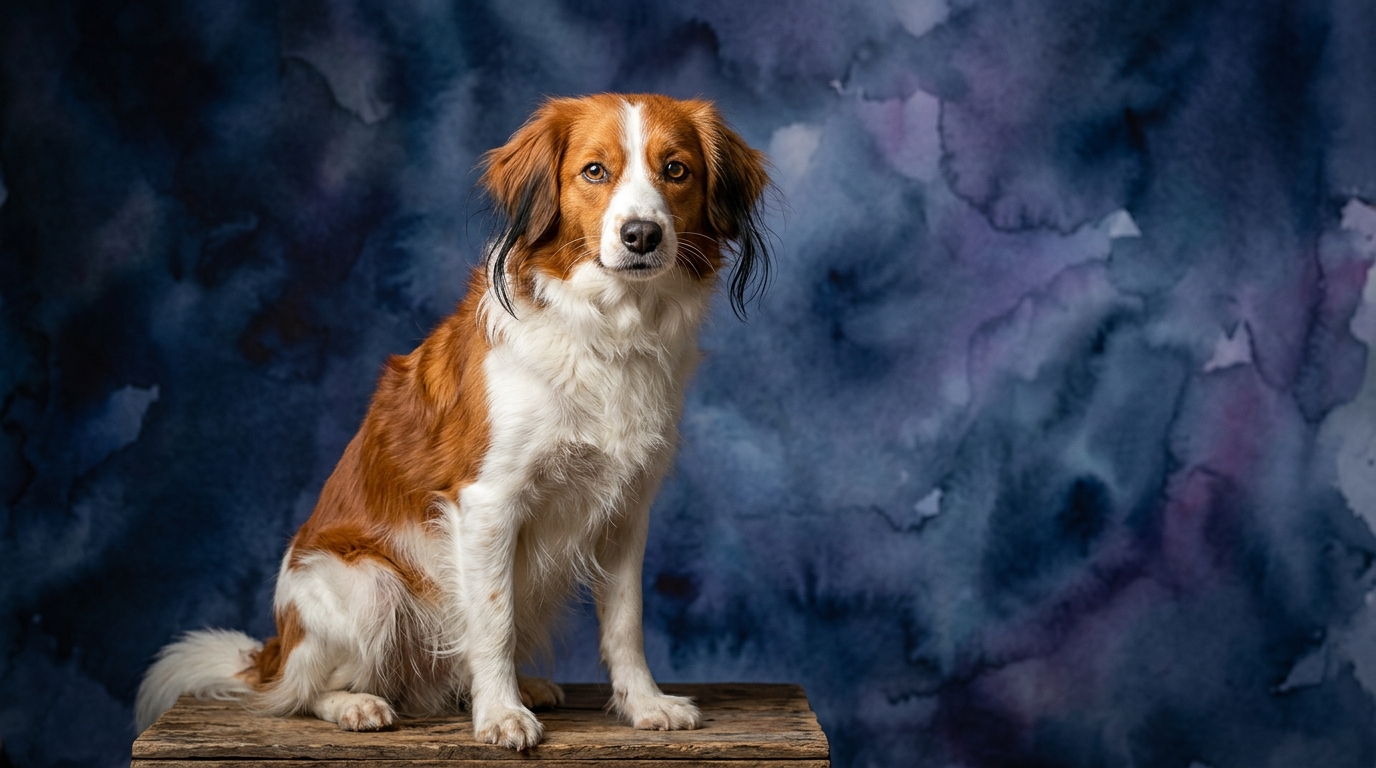
The Cosmic Pet IQ Profiles: French Bulldog vs. Kooikerhondje
At The Cosmic Pet Pet IQ Lab, we analyze canine intelligence across five key dimensions, moving beyond simplistic notions to understand how each breed genuinely thinks and interacts with their world. While the French Bulldog and Kooikerhondje share some similar scores, their underlying cognitive wiring tells a fascinating story.
The **French Bulldog**, a member of the Non-Sporting Group, presents a cognitive profile geared towards companionship and social harmony. Their **Problem Solving (3/5)** indicates a capacity for navigating moderately complex tasks, often relying on observation and a direct approach to achieve immediate comfort or gratification. **Training Speed (3/5)** reflects a steady pace in grasping new commands, typically motivated by their desire to please and the promise of positive reinforcement. Where they truly shine is **Social Intelligence (5/5)**, showcasing an exceptional attunement to human emotions and social cues, making them masters of communication within a family unit. Their **Instinctive Drive (2/5)** is notably low, with minimal inclination for traditional canine working behaviors like hunting or herding, prioritizing human interaction instead. Finally, their **Memory (3/5)** allows them to retain learned behaviors, routines, and associations with reasonable consistency.
The **Kooikerhondje**, a lively member of the Sporting Group, exhibits a cognitive makeup influenced by their heritage as duck luring dogs. Their **Problem Solving (3/5)** demonstrates a practical capacity for challenges, often employing observation and a systematic, methodical approach, reflecting their historical need to outsmart waterfowl. Their **Training Speed (3/5)** suggests they learn new tasks at a consistent rate, thriving on clear instructions and engaging methods that tap into their natural inclinations. **Social Intelligence (3/5)** indicates a good understanding of social dynamics and strong family bonds, though they may be more reserved with strangers than the highly gregarious French Bulldog. Their **Instinctive Drive (3/5)** is moderate, rooted in their original purpose, manifesting as an interest in scent work, chasing, and a methodical, sometimes independent approach to tasks. Their **Memory (3/5)** is functional and task-oriented, enabling good recall of training, routines, and environmental details, crucial for their historical work.
Where the French Bulldog Cognitively Excels
The French Bulldog's preeminent cognitive strength lies in their extraordinary Social Intelligence, scoring a perfect 5/5 compared to the Kooikerhondje's 3/5. This isn't merely about friendliness; it's a profound capacity to read and respond to human emotions and subtle social cues with remarkable precision. A French Bulldog can often sense a change in their owner's mood, offering comfort or adapting their behavior to maintain household harmony. This keen empathy and intuitive understanding make them unparalleled companions for individuals seeking a deep, emotionally resonant bond, often acting as natural emotional support animals by mirroring and responding to human affect.
Where the Kooikerhondje Cognitively Shines
Conversely, the Kooikerhondje's cognitive advantage is rooted in their more pronounced Instinctive Drive, rated at 3/5 compared to the French Bulldog's 2/5. This isn't just about energy; it's a cognitive inclination towards purposeful activity and independent problem-solving derived from their duck-luring heritage. Kooikerhondjes naturally exhibit a methodical approach to tasks, a greater inherent interest in scent work, retrieving, and exploring their environment with a goal in mind. Their cognitive strengths are best displayed when given tasks that allow them to apply these drives, whether it's navigating an agility course, engaging in complex scent games, or methodically 'working' for a reward, showcasing a focused, task-oriented intellect.
Training Dynamics: Nuances Beyond Speed
Both breeds share a 3/5 rating for Training Speed, yet their behavioral differences dictate distinct approaches to effective instruction. The French Bulldog, with their elevated social intelligence and desire for human connection, responds exceptionally well to positive reinforcement methods that strengthen the bond with their owner. They are often eager to please and will readily engage in training that feels like a shared, enjoyable activity. However, their lower instinctive drive means they might lack sustained focus for highly repetitive or purely task-oriented drills unless the social reward is consistently high, and they can exhibit a charming stubbornness if not properly motivated. Their best training outcomes come from short, engaging sessions that prioritize fun and connection.
The Kooikerhondje, while learning at a similar pace, benefits from training that taps into their moderate instinctive drive and sporting background. They thrive on engaging challenges that allow them to use their intellect and natural drives, such as retrieving games, agility, or scent work. Unlike the French Bulldog, a Kooikerhondje might be less inclined to train purely for social approval, often requiring more intrinsic motivation or task-based rewards to maintain interest. Their intelligence allows them to grasp complex concepts, but their independent streak means consistent, patient, and varied training is essential to ensure compliance and prevent boredom. Neither breed is inherently 'easier' to train, but understanding their core motivations is key to success: relationship-based for the French Bulldog, and task-oriented engagement for the Kooikerhondje.
Lifestyle Match: Active vs. Relaxed Owners
The cognitive profiles of these breeds offer clear guidance for owner lifestyles. The French Bulldog, with their low instinctive drive (2/5) and supreme social intelligence (5/5), is ideally suited for owners who prioritize companionship and a relaxed home environment. They are generally content with shorter bursts of play and moderate mental stimulation, thriving on simply being present with their human family. Their primary cognitive need is social interaction, making them perfect for those seeking a devoted, emotionally attuned companion who enjoys a more sedentary pace of life, yet still appreciates mental engagement through puzzles or short training sessions that reinforce their bond.
In contrast, the Kooikerhondje's moderate instinctive drive (3/5) and sporting group heritage make them a better match for active owners capable of providing consistent mental and physical challenges. They require more than just a walk around the block; their cognitive well-being benefits immensely from activities like dog sports, extended hikes, or structured games that mimic their luring instincts. Their problem-solving (3/5) and memory (3/5) mean they appreciate and need purposeful engagement to prevent boredom and channel their natural drives constructively. Owners who enjoy an active lifestyle and want a partner for various canine activities will find the Kooikerhondje a rewarding match.
The Verdict
Choose a French Bulldog if you seek a devoted, emotionally attuned companion who thrives in a relaxed home environment and offers unparalleled social connection.
Opt for a Kooikerhondje if you desire an engaging partner who enjoys purposeful activities, benefits from consistent mental and physical challenges, and offers a blend of companionship with an independent spirit.
🧠 Find Your Pet's IQ Score
Our Pet IQ Lab assessment covers 25+ tests across 5 cognitive dimensions — personalized to your breed.
Take the Full IQ Test →Frequently Asked Questions
Are French Bulldogs good at learning tricks?
Yes, French Bulldogs can learn a variety of tricks with consistent, positive reinforcement, especially when training sessions are fun and strengthen their bond with their owner. Their social intelligence makes them keen to please, though they might prefer shorter, more engaging sessions over repetitive drills.
Do Kooikerhondjes need a lot of mental stimulation?
Absolutely, Kooikerhondjes thrive on mental challenges and purposeful activities due to their sporting heritage and moderate instinctive drive. Engaging them in puzzles, scent games, or dog sports helps satisfy their cognitive needs and prevents boredom.
Which breed is more adaptable to apartment living?
The French Bulldog is generally more adaptable to apartment living due to their lower energy levels and strong desire to be close to their human companions, requiring less expansive outdoor space. Kooikerhondjes, while not needing vast estates, benefit from more regular and varied outdoor activity to satisfy their drives.