Side-by-side IQ profile
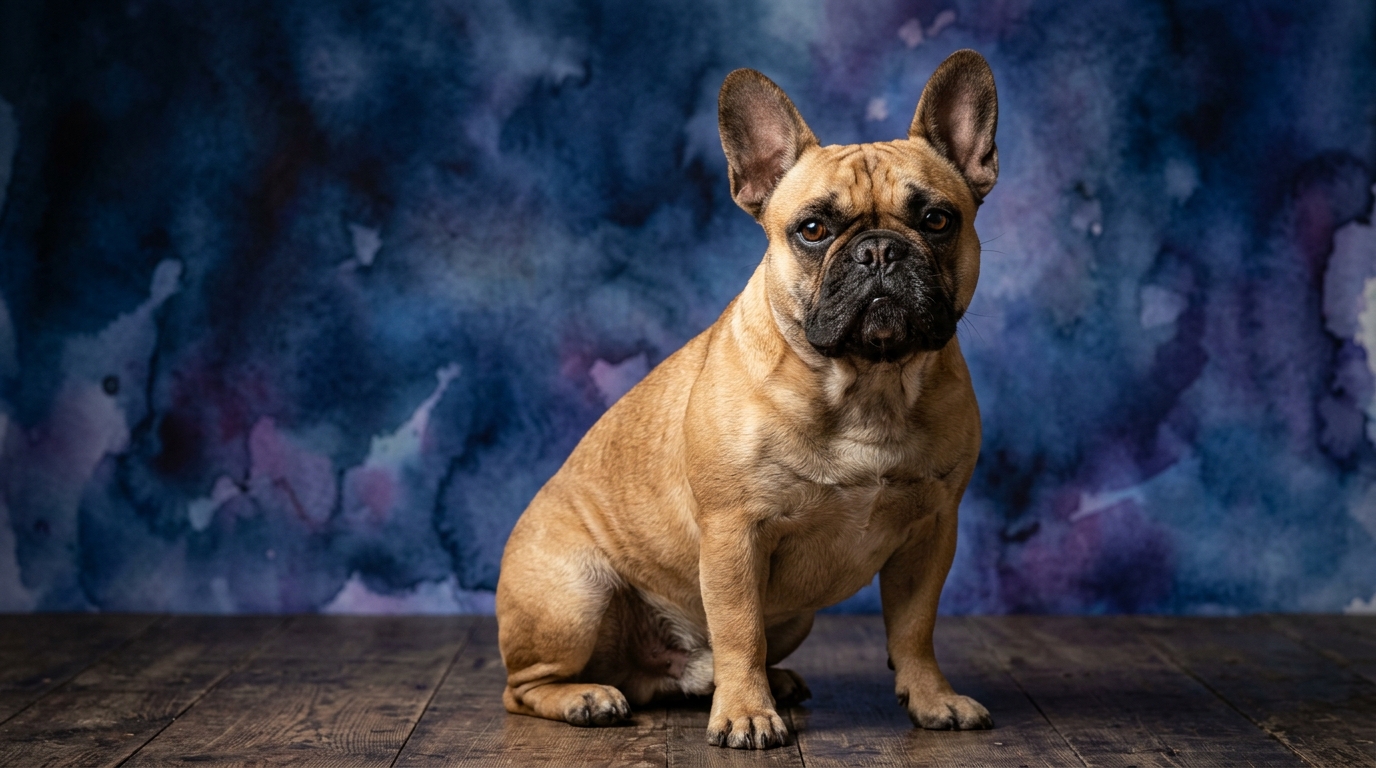
The Cosmic Pet Pet IQ Lab uses five dimensions to understand canine cognition. The French Bulldog, a Non-Sporting breed, shows Problem Solving at 3/5, indicating an ability to handle simple puzzles and routines, but not complex, multi-step challenges without guidance. Training Speed is 3/5; they learn commands at an average pace, needing consistent, positive reinforcement, often food or affection-based. Their Social Intelligence is an exceptional 5/5, reflecting an acute capacity to read human emotions, understand subtle cues, and integrate seamlessly into family life, often anticipating owner moods. Instinctive Drive is a low 2/5, meaning minimal inherent desire for tasks like herding or hunting, preferring companionship. Memory is 3/5, recalling routines, people, and basic commands, but not intricate long-term sequences.
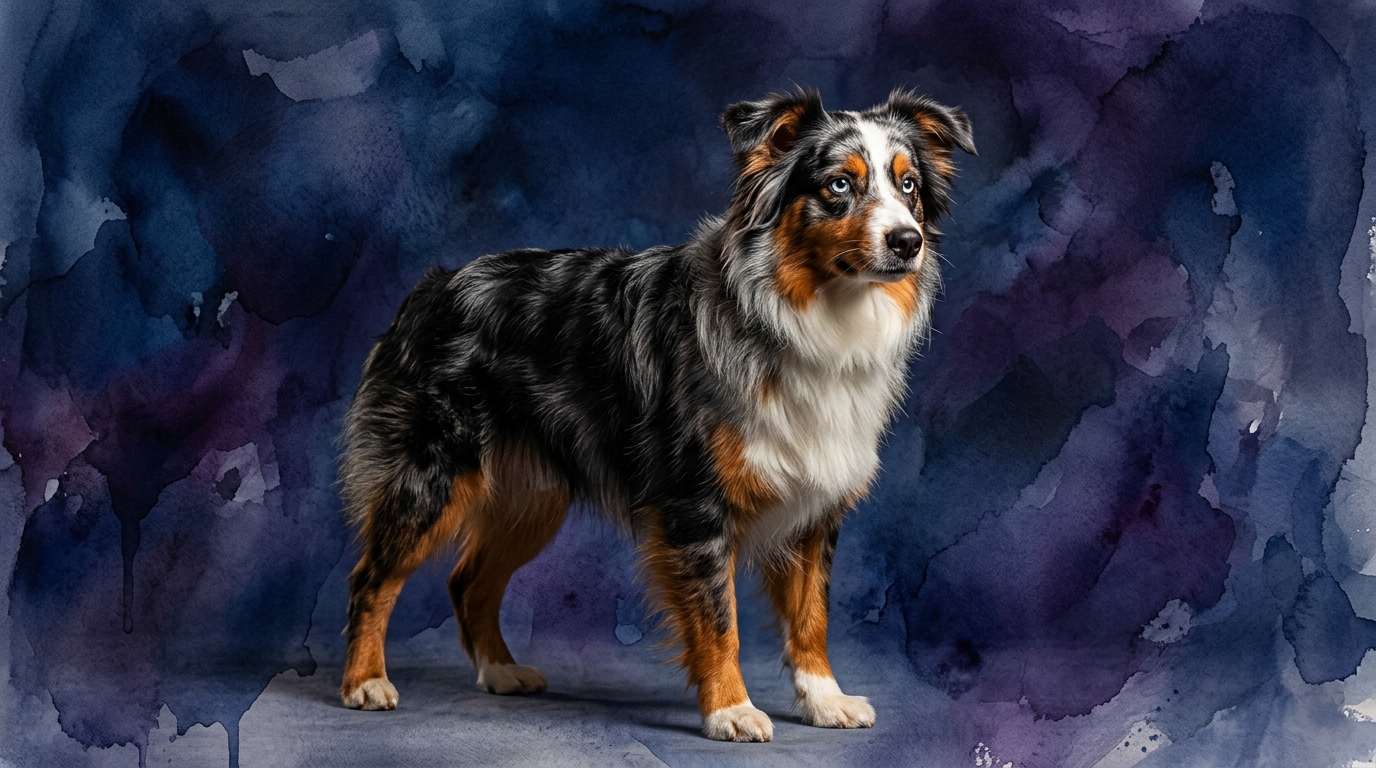
The Miniature American Shepherd, a Herding breed, presents a different cognitive landscape. Their Problem Solving also registers at 3/5, similar to the French Bulldog for basic environmental challenges. However, their problem-solving is often geared towards practical, task-oriented situations, like retrieving or maneuvering obstacles. Training Speed is likewise 3/5, an average learning curve, but their working drive often makes them eager, focused participants in structured learning. Social Intelligence is 3/5. While forming deep bonds, their interactions are often colored by their working heritage; they may be more reserved initially, focusing on understanding tasks and their role within the "pack," though sensitive to handler mood. Instinctive Drive is a moderate 3/5, reflecting a natural inclination towards herding behaviors and a desire for purpose. Memory is 3/5, enabling them to retain learned tasks and routines effectively, especially when regularly practiced in a working context.
Where French Bulldog wins cognitively
The French Bulldog's cognitive standout is their Social Intelligence, rated 5/5. This isn't just friendliness; it's a sophisticated capacity to perceive and respond to human emotions and social dynamics. A French Bulldog often senses an owner's upset, offering comfort, or subtly communicates their needs through easily interpreted body language. This deep social awareness means they effortlessly become the emotional heart of a household. They excel at reading facial expressions, vocal tones, and posture, adapting their behavior for harmony. This acute social perception also allows them to charmingly "train" their humans for attention or treats. Their strength lies in a profound understanding of the human-canine bond, making them unparalleled emotional companions.
Where Miniature American Shepherd wins cognitively
While sharing similar scores in Problem Solving and Training Speed, the Miniature American Shepherd's edge lies in the *application* of these abilities, fueled by their moderate Instinctive Drive (3/5). Unlike the French Bulldog's primary drive for companionship, the MAS possesses an innate desire for purpose and structured activity. This manifests as a readiness to engage with tasks and a practical intelligence for learning and executing complex behavior sequences with enthusiasm. Their herding background means their problem-solving, though 3/5, is often directed towards practical challenges requiring spatial reasoning or strategic movement, like agility courses. This drive for "work" makes them highly collaborative partners in activities demanding sustained mental engagement, excelling in dog sports or advanced obedience. Their cognitive profile suits an owner who enjoys guiding a dog through intricate learning and activity.
Which is easier to train and why
Determining "easier" to train depends on goals and style. The French Bulldog, with 3/5 Training Speed and 5/5 Social Intelligence, can seem easy for basic manners. Their strong desire to please and connect makes reward-based training effective for foundational commands. However, their lower Instinctive Drive (2/5) means they may not enjoy repetitive drills or complex tasks lacking immediate, high-value rewards. They can be charmingly stubborn if a task is uninteresting, using social acumen to divert.
The Miniature American Shepherd, also 3/5 Training Speed, approaches training differently. Their moderate Instinctive Drive (3/5) provides an inherent eagerness for structured activity and a "job," making them focused students. While Social Intelligence is 3/5, their motivation often stems from task satisfaction and working alongside their person, not solely emotional connection. This makes them amenable to complex sequences, dog sports, or longer sessions. Their herding background equips them with a natural inclination to follow direction and work collaboratively. For advanced obedience or performance, the MAS might feel "easier" due to intrinsic motivation for purposeful activity; for basic home manners, the French Bulldog's social drive makes foundational training straightforward.
Which suits active owners vs relaxed owners
Their cognitive profiles clearly delineate suitability for lifestyles. The French Bulldog, with low Instinctive Drive (2/5) and high Social Intelligence (5/5), is ideal for relaxed owners. Their contentment comes from close companionship and comfort, not extensive exertion or mental "work." They thrive near their people, observing, and engaging in gentle play. Short walks and interactive toys suffice; they lack inherent drive for complex tasks. Their cognitive makeup aligns with a devoted, emotionally present companion content with a calm routine.
The Miniature American Shepherd's moderate Instinctive Drive (3/5) and task-oriented problem-solving make them excellent for active owners. These dogs naturally seek purpose and activity, needing regular mental and physical outlets. An active owner can channel this into agility, obedience, rally, or hikes. Their cognitive profile indicates enjoyment in learning and applying new skills, making them eager partners in structured challenges. Without engagement, a MAS might invent "jobs," potentially herding family, born from an unfulfilled cognitive need. Owners providing consistent physical and mental stimulation will find them rewarding.
The Verdict
Select the French Bulldog for a devoted, emotionally attuned companion thriving on close human interaction and not requiring extensive mental or physical "work."
Opt for the Miniature American Shepherd as an engaged, collaborative partner seeking purpose, enjoying structured activities and a consistent routine with an active owner.
🧠 Find Your Pet's IQ Score
Our Pet IQ Lab assessment covers 25+ tests across 5 cognitive dimensions — personalized to your breed.
Take the Full IQ Test →Frequently Asked Questions
Are French Bulldogs difficult to house-train?
French Bulldogs typically respond well to consistent, positive reinforcement for house-training due to their high social intelligence and desire to please. However, their average training speed means owners need patience and a clear routine, as they are not inherently quick learners for complex concepts.
Do Miniature American Shepherds really need a "job" or just exercise?
Miniature American Shepherds benefit from both physical exercise and mental engagement. Their moderate instinctive drive means they thrive on having a purpose, such as learning new tricks, participating in dog sports, or even just having a consistent training routine, beyond just running around.
Can a French Bulldog learn complex tricks or sports?
While French Bulldogs have an average problem-solving and training speed, their exceptional social intelligence means they can learn many tricks, especially those involving interaction with their owner. However, their lower instinctive drive means they might not have the sustained motivation for the repetitive, high-energy demands of complex dog sports.