A Side-by-Side Cognitive Profile
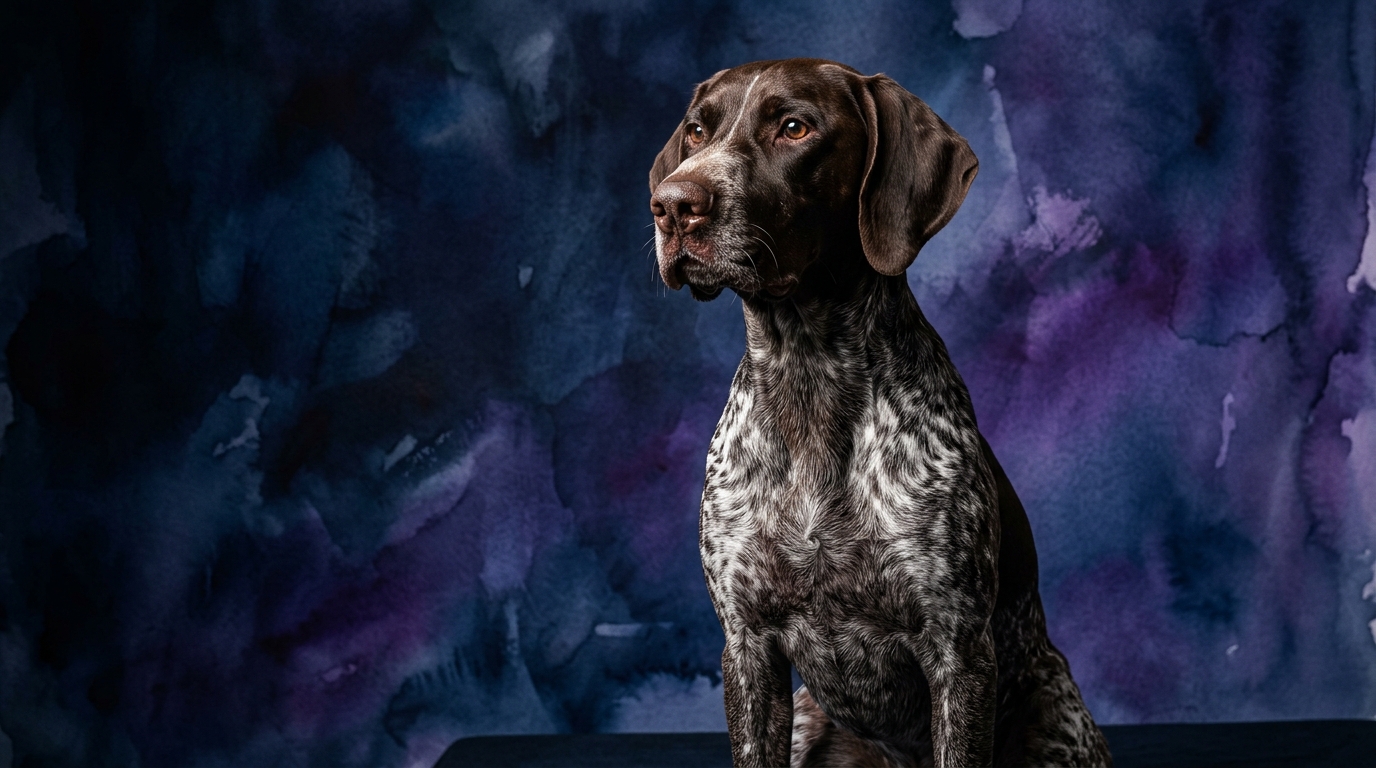
The Cosmic Pet Pet IQ Lab provides a detailed lens through which to examine the cognitive strengths of these two distinct breeds. The German Shorthaired Pointer (GSP), a member of the Sporting group, boasts a Coren rank of #17, indicating a significant aptitude for obedience and working intelligence. Its cognitive profile includes an exceptional 5/5 in Problem Solving, a robust 4/5 for Training Speed, a solid 4/5 in Social Intelligence, a powerful 5/5 for Instinctive Drive, and a reliable 4/5 for Memory. These scores paint a picture of a dog built for complex, cooperative tasks, readily absorbing information and applying it.
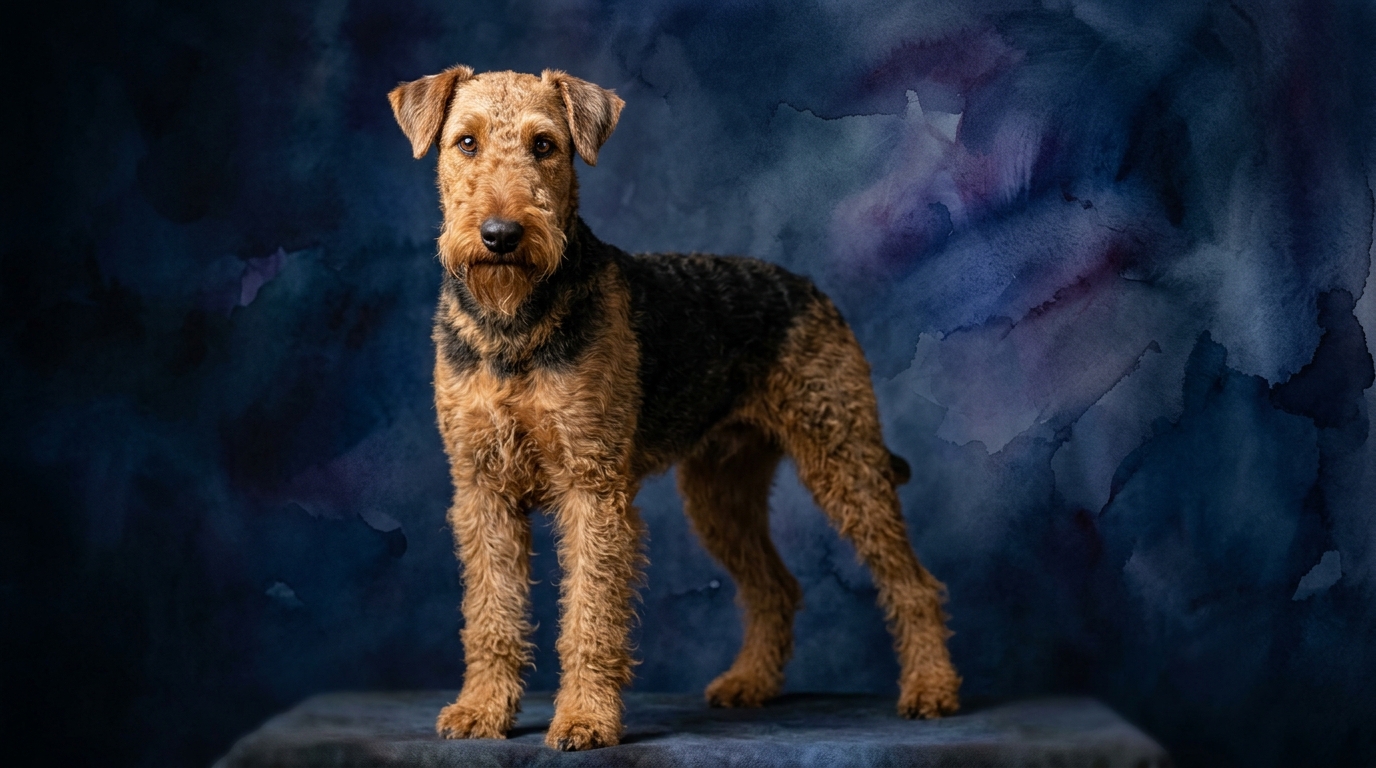
In contrast, the Airedale Terrier, hailing from the Terrier group, holds a Coren rank of #29, still placing it well above average but suggesting a different cognitive emphasis. Its IQ breakdown shows a strong 4/5 in Problem Solving, a comparable 4/5 for Training Speed, but a more independent 3/5 in Social Intelligence. Its Instinctive Drive is rated at 3/5, reflecting a different application of natural urges, and its Memory stands at a commendable 4/5. This profile suggests a resourceful thinker with a more self-directed approach.
Where the German Shorthaired Pointer Excels Cognitively
The German Shorthaired Pointer's cognitive strengths are particularly evident in its 5/5 Problem Solving ability. This isn't just about figuring out simple puzzles; it’s about adapting to dynamic, real-world scenarios, such as tracking elusive game through varied terrain or navigating complex field trials. Their capacity to quickly assess situations and execute multi-step solutions makes them exceptionally versatile.
Furthermore, the GSP's 4/5 Social Intelligence is a cornerstone of its cooperative nature. These dogs are adept at reading human body language, vocal cues, and even subtle shifts in mood, allowing them to anticipate commands and work in seamless partnership with their owners. This awareness fosters a deep, responsive bond. Coupled with a 5/5 Instinctive Drive, which is geared towards cooperative hunting tasks like pointing and retrieving, the GSP possesses an innate eagerness to engage in shared activities, channeling their powerful drives into productive, collaborative work. Their superior Coren rank of #17 underscores this combination of attributes, indicating a breed highly attuned to understanding and executing human directives in a consistent manner.
Distinct Cognitive Strengths of the Airedale Terrier
While the Airedale Terrier's scores might appear lower in certain cooperative dimensions, its cognitive profile shines in areas of independence and tenacious self-reliance. Its 4/5 Problem Solving score is robust, but it often manifests differently than the GSP's. Airedales excel at independent problem-solving, particularly when it aligns with their inherent terrier drive. They are adept at figuring out how to achieve a goal on their own terms, whether it's outsmarting a perceived pest or navigating an obstacle course with minimal human guidance.
The Airedale's 3/5 Social Intelligence, though lower than the GSP's, reflects a unique strength: a less people-pleasing, more self-assured mental approach. This independence means they are less likely to be flustered by a lack of constant direction, often exhibiting remarkable tenacity in pursuing their objectives. Their 3/5 Instinctive Drive, while not as overtly cooperative as a GSP's, is intensely focused on specific tasks, like hunting small game. This drive fuels a persistent, sometimes stubborn, determination, allowing them to focus deeply on a task until it's completed, relying on their own judgment and perseverance rather than constant human feedback. This self-directed cognitive style means they can be incredibly resourceful when motivated by their own internal compass.
Training Dynamics: Which Breed Learns More Readily?
When it comes to ease of training, the German Shorthaired Pointer generally presents a more straightforward experience. Their 4/5 Training Speed is augmented by their excellent 5/5 Problem Solving and 4/5 Social Intelligence. This combination allows GSPs to quickly grasp new commands, understand the context of what is being asked, and readily respond to human cues. Their powerful 5/5 Instinctive Drive is inherently cooperative, meaning they are often eager to work alongside their owner, finding satisfaction in shared tasks and positive reinforcement. They tend to seek to understand and comply, making them highly receptive students.
The Airedale Terrier, while also scoring a 4/5 in Training Speed, often requires a more nuanced approach due to its distinctive cognitive makeup. Their 3/5 Social Intelligence and 3/5 Instinctive Drive mean they are more independent thinkers. An Airedale might learn *what* a command means quickly, but consistent execution often hinges on its perceived value or alignment with their goals. They can exhibit a 'what's in it for me?' attitude, and their inherent terrier tenacity can translate into stubbornness if they don't see the point or are not properly motivated. Training an Airedale demands creativity, consistency, and a deep understanding of their independent, sometimes challenging, spirit to channel their intelligence effectively.
Matching Cognitive Profiles to Lifestyles: Active vs. Engaged Owners
For owners with an active lifestyle that thrives on partnership and shared endeavors, the German Shorthaired Pointer is an ideal match. Their 5/5 Instinctive Drive and 5/5 Problem Solving capabilities demand significant mental and physical engagement. GSPs flourish in environments where they can participate in demanding activities like agility, field trials, advanced obedience, or extensive hiking and running. A GSP needs an owner who is not just active, but also committed to providing structured mental stimulation and cooperative work, as their cognition is geared towards partnership and purpose.
The Airedale Terrier, while certainly an active breed, suits an owner who appreciates a dog with a strong independent streak and a different kind of engagement. Their 4/5 Problem Solving and tenacious spirit mean they need activity, but perhaps less constant, directed cooperative work than a GSP. They can be content with vigorous walks, secure yard exploration, and puzzle toys, often finding their own entertainment. An Airedale owner should be active enough to meet their physical needs but also prepared to manage a dog that makes its own decisions, requiring creative engagement to channel its formidable, self-directed cognitive energy rather than expecting constant compliance.
The Verdict
Choose the German Shorthaired Pointer if you seek a highly cooperative, mentally agile partner eager for shared tasks, advanced training, and a deep bond built on continuous engagement and purpose.
Opt for the Airedale Terrier if you value a dog with robust, independent problem-solving skills, tenacious spirit, and are prepared to invest in creative, consistent training to channel their distinctive, self-directed terrier drive.
🧠 Find Your Pet's IQ Score
Our Pet IQ Lab assessment covers 25+ tests across 5 cognitive dimensions — personalized to your breed.
Take the Full IQ Test →Frequently Asked Questions
Which breed is better for first-time dog owners?
The German Shorthaired Pointer, with its higher social intelligence and cooperative drive, is generally more forgiving for a first-time owner willing to commit to its significant exercise needs. The Airedale's independence and potential for stubbornness can be more challenging without prior dog ownership experience.
Do Airedale Terriers learn commands as quickly as German Shorthaired Pointers?
Both breeds share a 4/5 Training Speed, meaning they can grasp commands at a similar pace. However, the GSP's higher social intelligence and cooperative drive often translate to more consistent and eager application of learned commands, whereas the Airedale might require more motivation and convincing to perform consistently.
How do their instinctive drives manifest differently in a home environment?
A GSP's 5/5 instinctive drive, geared towards cooperative hunting, often manifests as a desire for 'work' with their owner, like fetching or 'hunting' for toys. An Airedale's 3/5 drive, rooted in independent vermin control, might lead to more digging, chasing small animals (or toys resembling them), and exploring independently, requiring secure boundaries and appropriate outlets.