
Side-by-Side Pet IQ Profile
The German Shorthaired Pointer (GSP), ranking #17 on Coren's scale, presents a cognitive profile built for versatile field work.
Problem Solving (5/5): GSPs exhibit exceptional capability in navigating complex environmental challenges, such as locating hidden game or figuring out intricate puzzle toys with minimal human intervention. Their high score here reflects a breed developed to make independent decisions in the field, adapting quickly to changing scent patterns and terrain.
Training Speed (4/5): These dogs process new commands and routines with impressive alacrity, often grasping concepts after a moderate number of repetitions. Their eagerness to work alongside a handler, combined with a strong desire to please, contributes to their swift acquisition of skills.
Social Intelligence (4/5): GSPs possess a robust understanding of human cues and social dynamics within a family or pack structure. They are adept at interpreting body language and vocalizations, fostering strong bonds and often anticipating their owner's intentions.
Instinctive Drive (5/5): Their inherent drives for pointing, retrieving, and tracking are profoundly strong, a genetic blueprint for their sporting heritage. This manifests as an intense focus on scent work and a powerful desire to pursue and retrieve, making them highly motivated by tasks that engage these instincts.
Memory (4/5): GSPs demonstrate a solid capacity for retaining learned behaviors, commands, and spatial information over extended periods. This reliability in memory supports their consistent performance in complex field trials and obedience routines.
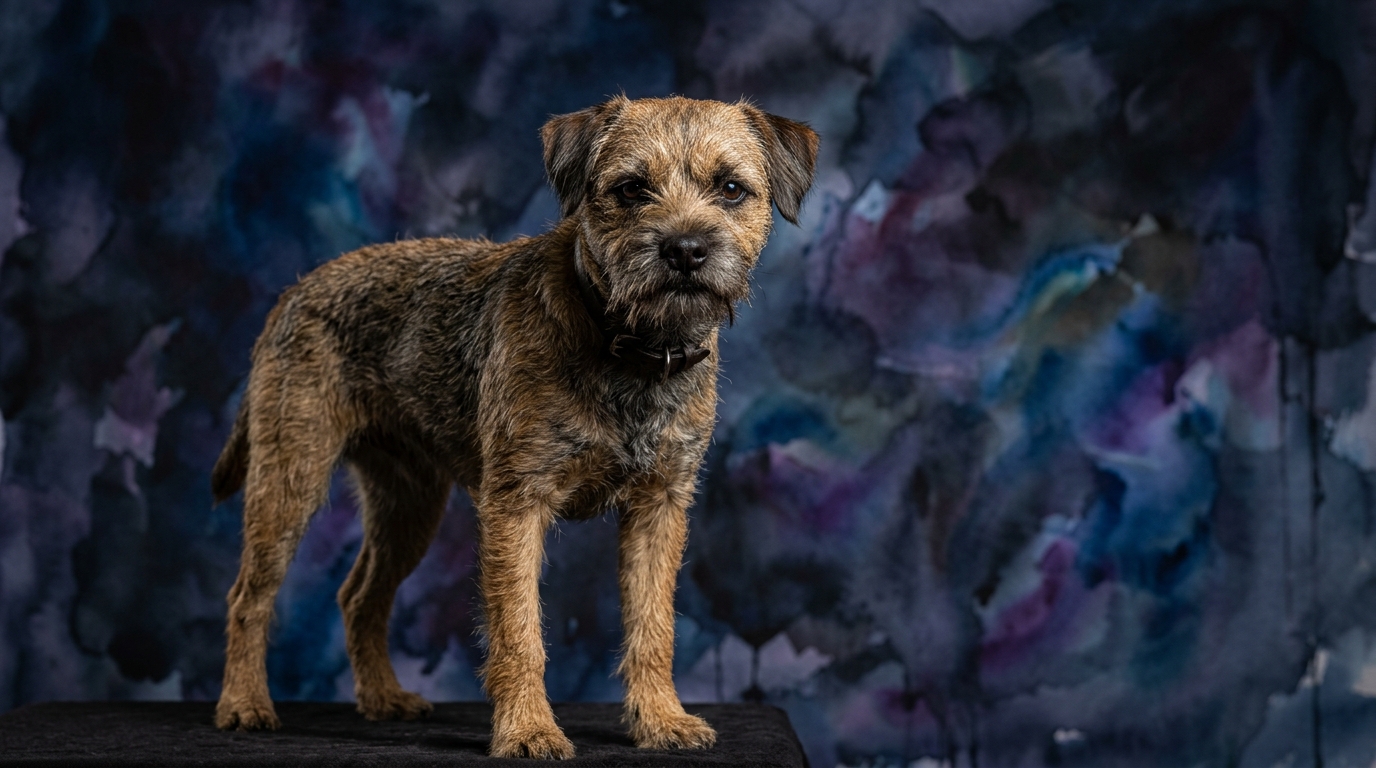
The Border Terrier (BT), with a Coren rank of #30, showcases a cognitive design suited for independent earth work.
Problem Solving (4/5): Border Terriers display a commendable ability to overcome obstacles, whether it's finding a way around a barrier or strategizing to get a desired toy. While not as high as the GSP, their score indicates a keen wit and resourcefulness, crucial for a dog bred to independently navigate burrows.
Training Speed (4/5): Similar to GSPs, Border Terriers pick up new commands and routines at a good pace, requiring a moderate number of repetitions for mastery. Their terrier tenacity means they can be persistent learners, though their independent streak might require more engaging training methods.
Social Intelligence (3/5): Border Terriers generally understand human social cues, but their independent nature can sometimes mean they are less overtly attuned to their owner's every mood compared to more people-focused breeds. They are affectionate but often express it on their own terms, valuing companionship but not necessarily seeking constant direction.
Instinctive Drive (3/5): Their instinctive drives are primarily focused on hunting small quarry, characterized by a strong prey drive and a propensity for digging and chasing. While present, this drive is often more contained and less overtly expressed than the GSP's intense working instincts, allowing for a broader range of domestic activities without constant stimulation of hunting behaviors.
Memory (4/5): Border Terriers exhibit good memory for commands, routines, and the layout of their environment. This cognitive strength ensures they can recall learned behaviors reliably, even if their independent spirit occasionally prompts them to choose their own path.
Where the German Shorthaired Pointer Wins Cognitively
GSPs distinctly outshine Border Terriers in Problem Solving (5/5 vs 4/5) and Instinctive Drive (5/5 vs 3/5). Their superior problem-solving acumen is evident in their ability to quickly adapt to novel situations and devise effective strategies, particularly in environments requiring navigation and resource acquisition, like complex scent trails or multi-step tasks. This reflects their history as versatile hunting companions needing to make split-second decisions independently in varied terrain.
The GSP's intense instinctive drive for pointing, tracking, and retrieving means they possess an unparalleled focus and motivation when engaged in activities that tap into these inherent behaviors. This deep-seated drive translates into a profound capacity for sustained effort and engagement in working roles, making them exceptionally goal-oriented when their instincts are properly channeled. Furthermore, their slightly higher Social Intelligence (4/5 vs 3/5) suggests a greater natural inclination to interpret and respond to human social cues, fostering a highly cooperative partnership dynamic.
Where the Border Terrier Wins Cognitively
While the GSP has higher scores in some areas, the Border Terrier's cognitive profile emphasizes a different kind of strength. The Border Terrier's Instinctive Drive (3/5) is less overwhelming than the GSP's, which can be a cognitive advantage in a domestic setting. This moderated drive means they are generally less consumed by intense hunting behaviors in daily life, allowing them to settle into a relaxed home environment with less constant stimulation required to satisfy deep-seated urges.
Their cognitive resourcefulness in Problem Solving (4/5) is still very respectable, enabling them to figure out challenges with a tenacious, independent spirit. This manifests in their ability to cleverly navigate household rules or locate hidden treats, often using their wits to achieve a desired outcome without relying heavily on human direction. Their comparable Training Speed (4/5) and Memory (4/5) scores suggest they are just as capable of learning and retaining information, but their application might be tinged with more self-direction, a characteristic often valued by owners seeking a dog with a distinct personality and independent thought processes.
Which is Easier to Train and Why
Based on the Pet IQ Lab scores, both breeds share an impressive Training Speed of 4/5, indicating they both grasp new commands and routines with moderate repetition. However, the German Shorthaired Pointer's higher Social Intelligence (4/5 vs 3/5) and profound Instinctive Drive (5/5) often make them appear "easier" to train for complex tasks, especially those involving cooperation and sustained focus. GSPs are typically more attuned to their handler's desires, eager to please, and their intense drive can be powerfully channeled into specific training goals like advanced obedience, field work, or agility. They thrive on having a job and excel when given clear direction.
The Border Terrier, while equally capable of learning quickly, brings a strong independent streak characteristic of terriers. Their lower Social Intelligence score suggests they might be less consistently focused on human cues, and their more moderate Instinctive Drive means they might not possess the same unwavering intensity for repetitive, handler-directed tasks. Training a Border Terrier often requires more creativity, patience, and positive reinforcement to keep them engaged, as they can quickly become bored or decide to pursue their own interests if the training isn't stimulating enough. They are not less capable of learning, but their application of that learning might be more selective and less overtly compliant than a GSP.
Which Suits Active Owners vs. Relaxed Owners
The German Shorthaired Pointer is unequivocally suited for active owners. Their 5/5 Instinctive Drive and 5/5 Problem Solving capabilities demand consistent engagement, both physically and mentally. These dogs thrive in homes where they can participate in daily vigorous exercise, such as long runs, hikes, or swimming, combined with mentally stimulating activities like scent work, advanced obedience, or dog sports. A GSP without sufficient outlets for their energy and cognitive prowess can become bored and potentially destructive. They are ideal companions for outdoor enthusiasts, hunters, or individuals committed to dog sports.
The Border Terrier, while still an active breed, possesses a more moderate 3/5 Instinctive Drive and 4/5 Problem Solving. This profile makes them a better fit for moderately active owners who enjoy regular walks, playtime, and short training sessions but might not be able to provide the intense, daily physical and mental demands of a GSP. Border Terriers enjoy exploring, digging, and chasing, and benefit from secure yards and engaging toys. They can adapt well to apartment living if their exercise needs are consistently met, and they are generally more content to relax indoors after their daily activities than a GSP. They suit owners looking for a robust, independent companion who enjoys adventure but also appreciates downtime.
The Verdict
Opt for a German Shorthaired Pointer if you are an exceptionally active individual or family seeking a highly cooperative, driven companion for outdoor adventures, hunting, or advanced dog sports, valuing their intense focus and problem-solving prowess.
Select a Border Terrier if you desire a spirited, independent, and resourceful companion for moderately active pursuits, appreciating their tenacity and cleverness in a more compact and adaptable package.
🧠 Find Your Pet's IQ Score
Our Pet IQ Lab assessment covers 25+ tests across 5 cognitive dimensions — personalized to your breed.
Take the Full IQ Test →Frequently Asked Questions
Do German Shorthaired Pointers need a "job" to be content?
Yes, their exceptional 5/5 Instinctive Drive and 5/5 Problem Solving mean GSPs are happiest when their cognitive and physical energies are channeled into a purpose. Whether it's hunting, agility, or extensive training, providing a "job" prevents boredom and fosters a balanced temperament.
Are Border Terriers prone to digging due to their instincts?
Border Terriers do possess a moderate 3/5 Instinctive Drive for hunting small quarry, which often manifests as a propensity for digging. Providing designated digging areas or engaging them in alternative activities can help manage this natural behavior effectively.
How do their memory scores impact daily life?
Both breeds score 4/5 in Memory, indicating they reliably retain commands and routines. This means both can be taught complex sequences and remember them over time, though the GSP's higher social intelligence might make them more consistent in recalling commands under distraction.