
IQ Profile: German Shorthaired Pointer vs. Cane Corso
The Cosmic Pet Pet IQ Lab offers a nuanced look at canine cognition, evaluating five key dimensions. For the German Shorthaired Pointer (GSP), a Sporting group member with a Coren ranking of #17, their cognitive profile is a testament to their demanding working heritage. They achieve a Problem Solving score of 5/5, indicating exceptional ingenuity in navigating complex scenarios and adapting rapidly. Their Training Speed is rated 4/5, reflecting a quick grasp of new commands and sequences. Social Intelligence stands at 4/5, demonstrating a strong ability to read human cues and adapt to various social situations. An Instinctive Drive of 5/5 highlights their powerful urge for pointing and retrieving, coupled with an unwavering work ethic. Finally, their Memory is 4/5, signifying effective retention of learned behaviors and spatial information, crucial for field work.
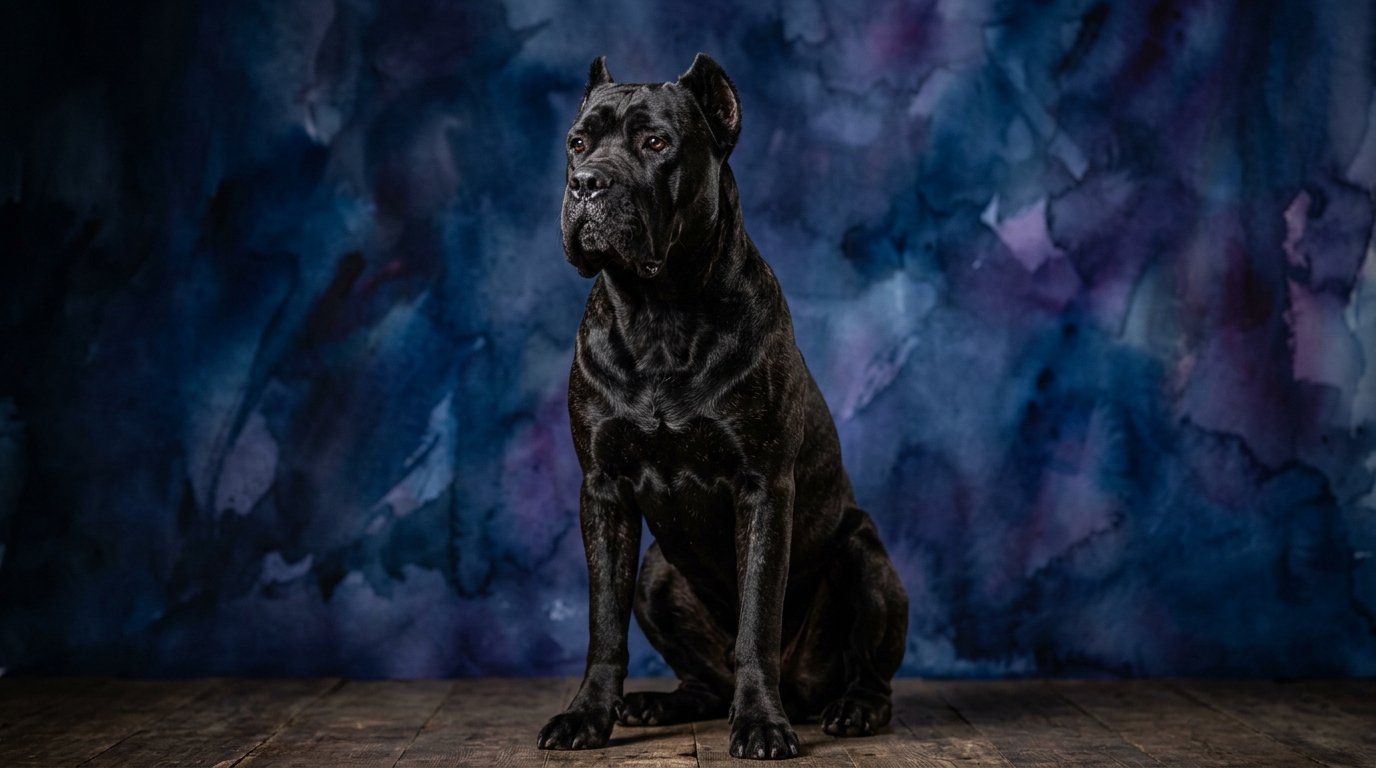
In contrast, the Cane Corso, a Working group member without a Coren ranking, presents a different cognitive landscape tailored to its guardian role. Their Problem Solving ability is rated 3/5, suggesting competence in assessing situations for protection but less inclination towards abstract or novel puzzle-solving without direct purpose. Training Speed is 3/5, indicating they can learn, but often require consistent, patient methods and may not acquire new tasks as rapidly as some breeds. Social Intelligence is 3/5, reflecting their discernment between familiar and unfamiliar individuals, showing loyalty to family but often wariness with strangers. Their Instinctive Drive is also 3/5, primarily focused on territorial protection rather than the sustained prey drive of a hunting dog. Memory is 3/5, meaning they retain routines and family recognition well, though complex sequences or abstract lessons might not be retained as readily.
Where the German Shorthaired Pointer Shines Cognitively
The German Shorthaired Pointer’s cognitive strengths are deeply rooted in its purpose as a versatile hunting companion. Their Problem Solving score of 5/5 means they are not just capable of following instructions, but can independently assess dynamic environments, such as tracking game through varied terrain or navigating dense cover to retrieve. This isn't about solving an obedience puzzle; it's about making real-time decisions in unpredictable, high-stakes situations. Their Instinctive Drive of 5/5 fuels this problem-solving, providing an unwavering motivation to work, explore, and engage with their environment. This drive translates into an eagerness to learn and perform, making them highly responsive to training that leverages their natural inclinations.
Furthermore, their 4/5 rating in Training Speed and Memory means they grasp complex multi-step commands and retain them over time, allowing for intricate sequences in hunting or dog sports. A GSP can remember specific hand signals, verbal cues, and even the scent trail of a particular bird, applying this knowledge consistently. Their Social Intelligence (4/5) enables them to form strong, cooperative partnerships with their handlers, reading subtle body language and cues, which is essential for synchronized fieldwork. This combination of drive, rapid learning, and adaptive problem-solving makes the GSP exceptionally proficient in tasks requiring both physical prowess and mental agility.
Where the Cane Corso's Cognition Excels
The Cane Corso’s cognitive profile, while different from the GSP, reflects an equally specialized intelligence tailored for guardianship. Their Problem Solving at 3/5 is not about retrieving a hidden object in a field, but about assessing potential threats within their territory. This involves a calm, discerning evaluation of strangers or unusual occurrences, rather than immediate reactive engagement. Their lower Instinctive Drive (3/5) compared to a GSP means their motivation isn't a relentless chase, but a measured, protective vigilance, often expressed as a watchful presence and a strong sense of boundaries.
The Cane Corso's Social Intelligence (3/5) is particularly adept at distinguishing between family and outsiders, and their memory (3/5) helps them retain this critical information. They remember who belongs in their home and who does not, and they are excellent at recalling routines and established family members. While they may not pick up abstract tricks quickly, they excel at understanding and adhering to household rules and their protective duties. Their cognitive strengths lie in their ability to be a steadfast, reliable presence, making calculated decisions about their environment and the safety of their loved ones, often with a quiet confidence that belies their powerful physique.
Training Dynamics: GSP vs. Cane Corso
When it comes to training, the cognitive differences between the German Shorthaired Pointer and the Cane Corso become particularly evident. The GSP, with its 4/5 Training Speed and 5/5 Instinctive Drive, is typically a highly enthusiastic and responsive learner. They thrive on interactive training sessions that incorporate their natural desire to work, retrieve, and explore. Positive reinforcement, often involving toys, praise, or opportunities to 'work,' yields rapid results. Their eagerness to please and high energy mean they often pick up new commands with fewer repetitions and are motivated by the challenge itself, making them a joy for owners who enjoy consistent, engaging training.
The Cane Corso, by contrast, with its 3/5 Training Speed and 3/5 Instinctive Drive, requires a different approach. They are capable of learning, but their motivation is often rooted in a clear purpose and consistent leadership rather than an innate desire for abstract tasks. Training a Cane Corso demands patience, firmness, and unwavering consistency from the owner. They respond best to clear boundaries, short and focused sessions, and a trainer who can establish themselves as a confident, reliable leader. Their social intelligence, while discerning, means they may be less outwardly eager to please strangers, requiring early and extensive socialization to ensure they are comfortable and discerning in various public settings, distinguishing genuine threats from benign interactions.
Matching Cognitive Profiles to Lifestyles
Choosing between a German Shorthaired Pointer and a Cane Corso often comes down to aligning their cognitive profiles with an owner's lifestyle. The GSP's high problem-solving ability, intense instinctive drive, and rapid training speed make them an ideal fit for active owners who relish constant mental and physical engagement. These are companions for individuals or families who enjoy extensive outdoor activities like hiking, running, cycling, or participating in dog sports such as agility, obedience, or field trials. A GSP requires daily, vigorous exercise and consistent mental challenges to prevent boredom and channel their abundant energy positively. A relaxed owner who cannot meet these demands might find a GSP developing destructive behaviors or becoming overly restless due to unmet cognitive and physical needs.
The Cane Corso, while also requiring exercise, suits owners seeking a different kind of companionship. Their discerning social intelligence and protective instincts make them a steadfast guardian for those who appreciate a watchful, loyal presence. They thrive with owners who can provide consistent leadership, early and extensive socialization, and a secure, structured environment. While not requiring the same level of continuous, high-intensity activity as a GSP, they need regular, purposeful exercise and mental stimulation that reinforces their role and keeps them balanced. They are better suited for owners who prioritize a calm, confident companion for home and family protection, rather than a tireless partner for endurance sports, though they still benefit from daily walks and structured training.
The Verdict
Opt for a German Shorthaired Pointer if you seek a highly engaged, energetic partner for outdoor adventures, dog sports, or a family that thrives on interactive mental challenges and extensive physical activity.
Select a Cane Corso if you desire a steadfast, discerning guardian for your home and family, provided you can offer consistent leadership, early socialization, and a secure, structured environment.
🧠 Find Your Pet's IQ Score
Our Pet IQ Lab assessment covers 25+ tests across 5 cognitive dimensions — personalized to your breed.
Take the Full IQ Test →Frequently Asked Questions
Are German Shorthaired Pointers good for first-time dog owners?
GSPs can be challenging for first-timers due to their high energy and strong drives, requiring consistent training and significant exercise to prevent boredom and destructive behaviors. They thrive with owners who understand their need for mental and physical engagement.
Do Cane Corsos require a lot of exercise?
While not as hyperactive as some breeds, Cane Corsos still need regular, structured exercise to maintain physical health and mental balance. Daily walks, playtime, and mental stimulation are crucial to prevent restlessness.
Which breed is better with children?
With proper socialization and training, both breeds can be good with children, though their approaches differ. GSPs are often playful and tolerant, while Cane Corsos are typically protective and watchful, requiring supervision to ensure appropriate interactions given their size and strength.