
Side-by-Side IQ Profile: A Tale of Two Minds
The German Shorthaired Pointer (GSP), a Sporting group marvel ranked #17 by Coren, presents a cognitive profile built for active engagement. Our IQ Lab assigns them a Problem Solving score of 5/5, indicating a remarkable capacity for strategic thinking in complex environments. Their Training Speed is 4/5, reflecting rapid skill acquisition for multi-stage commands, while Social Intelligence stands at 4/5, showcasing an attunement to handler cues and cooperative work. An Instinctive Drive of 5/5 underscores their unyielding pursuit of prey and boundless energy, complemented by a Memory score of 4/5 for recalling vast territories and intricate command sequences.
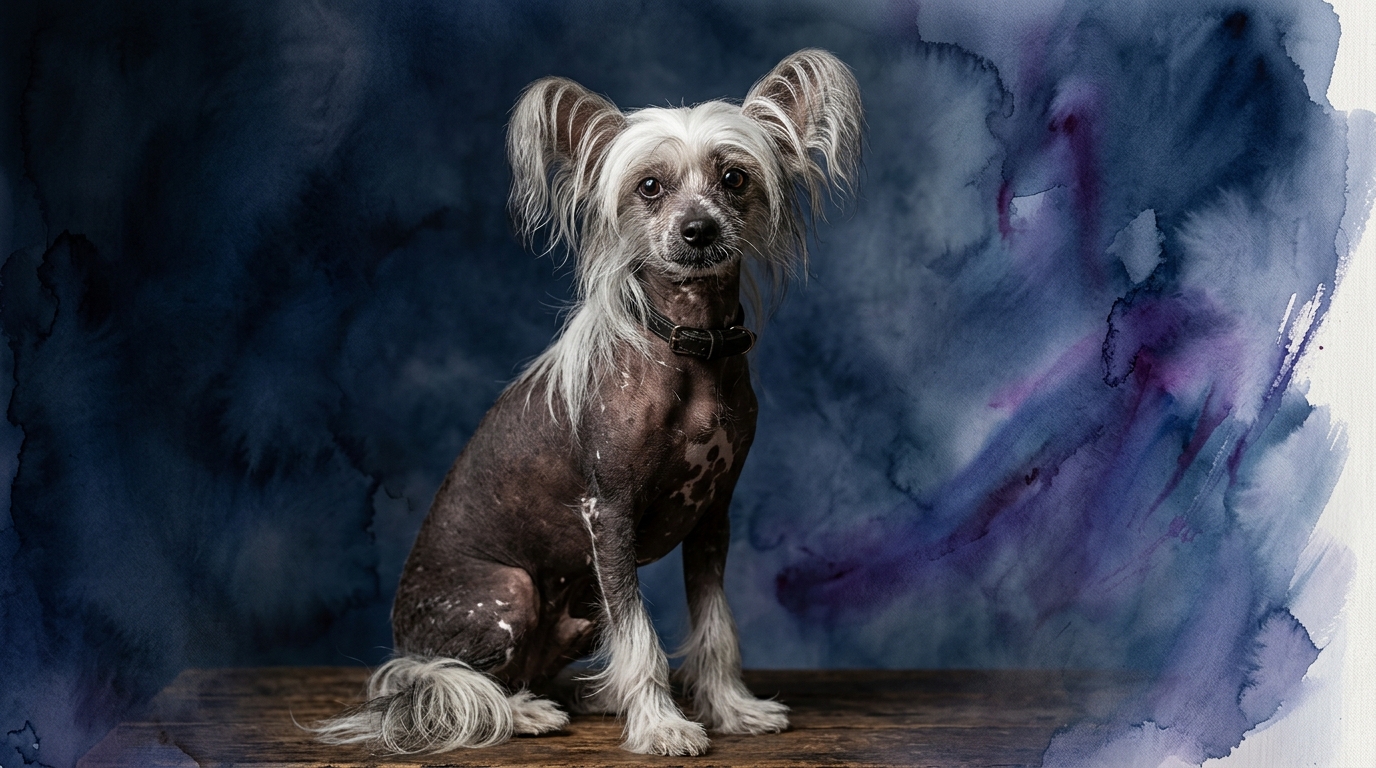
In stark contrast, the Chinese Crested, a charming Toy breed not Coren-ranked, exhibits a cognitive blueprint centered on companionship. Their Problem Solving is rated 3/5, suggesting a modest capacity for novel challenges and a preference for routine over complex tasks. Training Speed is 3/5, meaning they require patient repetition and consistent reinforcement to master new behaviors. Social Intelligence also sits at 3/5, indicating they form strong bonds but are less focused on intricate human communication for tasks. Their Instinctive Drive is 3/5, showing minimal prey drive and contentment with a domestic life, and their Memory is 3/5, recalling familiar routines and close human interactions rather than extensive data sets.
Where the German Shorthaired Pointer's Cognition Excels
The German Shorthaired Pointer's Problem Solving score of 5/5 is a testament to their innate ability to process environmental cues and adapt on the fly. This isn't merely about retrieving; it's about strategizing how to navigate varied terrain, precisely locating scent sources, and managing game effectively, crucial for a versatile hunting dog performing under pressure. This cognitive strength allows them to make independent decisions in dynamic situations, a cornerstone of their utility.
Their Instinctive Drive, rated 5/5, transcends mere energy levels; it signifies a profound, enduring motivation to work, search, and perform tasks with unwavering focus. This deep-seated drive fuels their engagement with training, their persistence in reaching objectives, and their overall enthusiasm for any activity that taps into their natural predispositions, making them exceptional partners for demanding outdoor activities. It’s a cognitive engine that powers their entire being.
With a Training Speed of 4/5, GSPs grasp new commands and complex sequences with notable efficiency. Their cognitive architecture allows them to often anticipate next steps in a routine, a direct outcome of their cooperative social intelligence and robust memory for learned behaviors. This rapid acquisition means they can progress quickly through advanced obedience, field work, or competitive dog sports, constantly seeking new mental engagement.
Unpacking the Chinese Crested's Unique Cognitive Strengths
While the Chinese Crested's Social Intelligence is rated 3/5, its strength lies not in complex team tasks, but in prioritizing deep, personal bonding. Their cognitive focus is on the human-dog dyad, allowing them to excel at reading individual human emotions and seeking comfort or offering companionship with remarkable sensitivity. They form intensely loyal attachments, expressing their intelligence through subtle cues and profound devotion within their intimate social circle.
The Chinese Crested's Problem Solving, at 3/5, manifests differently than in a working breed. Instead of field challenges, it's applied to navigating the home environment, understanding household routines, and subtly communicating their needs. They might devise clever ways to get attention, access a favorite sleeping spot, or manipulate toys, demonstrating a practical, domestically-oriented intelligence rather than a task-driven one.
Their lower Instinctive Drive of 3/5 is a distinct cognitive advantage for a companion animal. This means there is less intrinsic need to chase, herd, or work, making them generally content with a calmer, indoor lifestyle. This absence of intense external motivation reduces the likelihood of destructive behaviors stemming from unfulfilled urges, fostering a peaceful coexistence and making them ideal for owners seeking a low-maintenance emotional presence.
Training Dynamics: GSP's Eagerness vs. CC's Nuance
The German Shorthaired Pointer's 4/5 training speed and 5/5 instinctive drive make them exceptionally receptive to instruction, particularly when tasks align with their natural predilections for work and movement. They thrive on structured training sessions, absorbing complex commands like multi-stage retrieves or intricate agility sequences with relative ease. Their inherent desire to engage and participate means they often require less repetition for command retention, making them a joy for experienced trainers.
In contrast, the Chinese Crested, with a 3/5 training speed, necessitates a more patient, positive reinforcement-based approach. While fully capable of learning basic obedience, they may not possess the same inherent drive for complex tasks or the rapid generalization of commands. Their training benefits from short, engaging sessions that focus on consistency and making learning a positive, low-pressure experience, often excelling at tricks that involve close interaction rather than independent problem-solving.
Behavioral differences are notable: a GSP might become restless or destructive if their cognitive and physical needs aren't met, channeling their high drive into unwanted behaviors like excessive chewing or digging. A Chinese Crested, due to lower inherent drive, is less likely to exhibit such behaviors when bored, but might become withdrawn or anxious if their social needs for companionship are neglected, demonstrating a different set of behavioral responses to unmet cognitive requirements.
Matching Cognitive Profiles to Lifestyles: Active Pursuits vs. Calm Companionship
An owner considering a German Shorthaired Pointer should be prepared for a canine partner whose cognition is wired for action. Their high problem-solving and instinctive drive mean they require consistent mental and physical challenges to prevent boredom and channel their abundant energy productively. They are ideally suited for individuals or families committed to extensive outdoor engagement, such as hiking, running, hunting, competitive dog sports, or any lifestyle that offers shared, task-oriented activities.
The Chinese Crested's cognitive profile aligns perfectly with a more relaxed, indoor-centric lifestyle. Their moderate instinctive drive and problem-solving skills mean they do not require intense physical exertion or complex mental puzzles to thrive. They are content with daily walks, indoor play, and, most importantly, ample human interaction and affection. They are well-suited for individuals or families who value a devoted lap companion and prefer a generally calm household atmosphere, where subtle companionship is prioritized over robust activity.
The GSP's cognitive makeup requires an owner who understands the breed's need for purpose, providing outlets for their keen senses and strong work ethic. Conversely, the Chinese Crested's intelligence is best nurtured by an owner who appreciates their deep emotional connection and provides a stable, loving environment that prioritizes closeness and gentle interaction, understanding that their cognitive strengths are expressed in their unwavering devotion.
The Verdict
Choose a German Shorthaired Pointer if you seek a highly engaged, physically robust partner for demanding outdoor activities and enjoy structured, progressive training that challenges a keen mind. Their cognitive design thrives on purpose and shared work.
Opt for a Chinese Crested if your lifestyle leans towards calm companionship, valuing a deeply affectionate and attentive presence that doesn't demand extensive physical exertion or complex cognitive tasks. Their intelligence is expressed in subtle social cues and unwavering devotion.
🧠 Find Your Pet's IQ Score
Our Pet IQ Lab assessment covers 25+ tests across 5 cognitive dimensions — personalized to your breed.
Take the Full IQ Test →Frequently Asked Questions
How does the GSP's instinctive drive impact daily life compared to the CC's?
The GSP's 5/5 instinctive drive means they possess a powerful intrinsic motivation for activity, scent work, and chasing, requiring owners to provide structured outlets to prevent boredom-induced behaviors like excessive digging or barking. The CC's 3/5 drive, conversely, means they are generally content with a more sedentary lifestyle, reducing the need for constant mental or physical stimulation beyond companionship and short walks.
Can a Chinese Crested learn complex tricks or agility despite its lower problem-solving score?
While a Chinese Crested may not possess the same innate aptitude for complex, multi-step problem-solving as a GSP, they are certainly capable of learning tricks and participating in agility with patient, positive reinforcement. Their 3/5 in problem-solving and training speed indicates it might take more repetition and creative motivation, but their social intelligence ensures they enjoy engaging with their human in these activities.
Does a GSP's high social intelligence mean they are always easygoing with strangers?
A GSP's 4/5 social intelligence refers to their capacity for cooperative work and understanding handler cues, making them highly attuned to their human partners and eager to participate in family life. While generally friendly and outgoing, their protective instincts and strong bond with their family mean they may be reserved or cautious with strangers, especially when perceiving a threat or when "on duty" in a hunting context, requiring proper socialization.