Side-by-Side IQ Profile: GSP vs. JRT
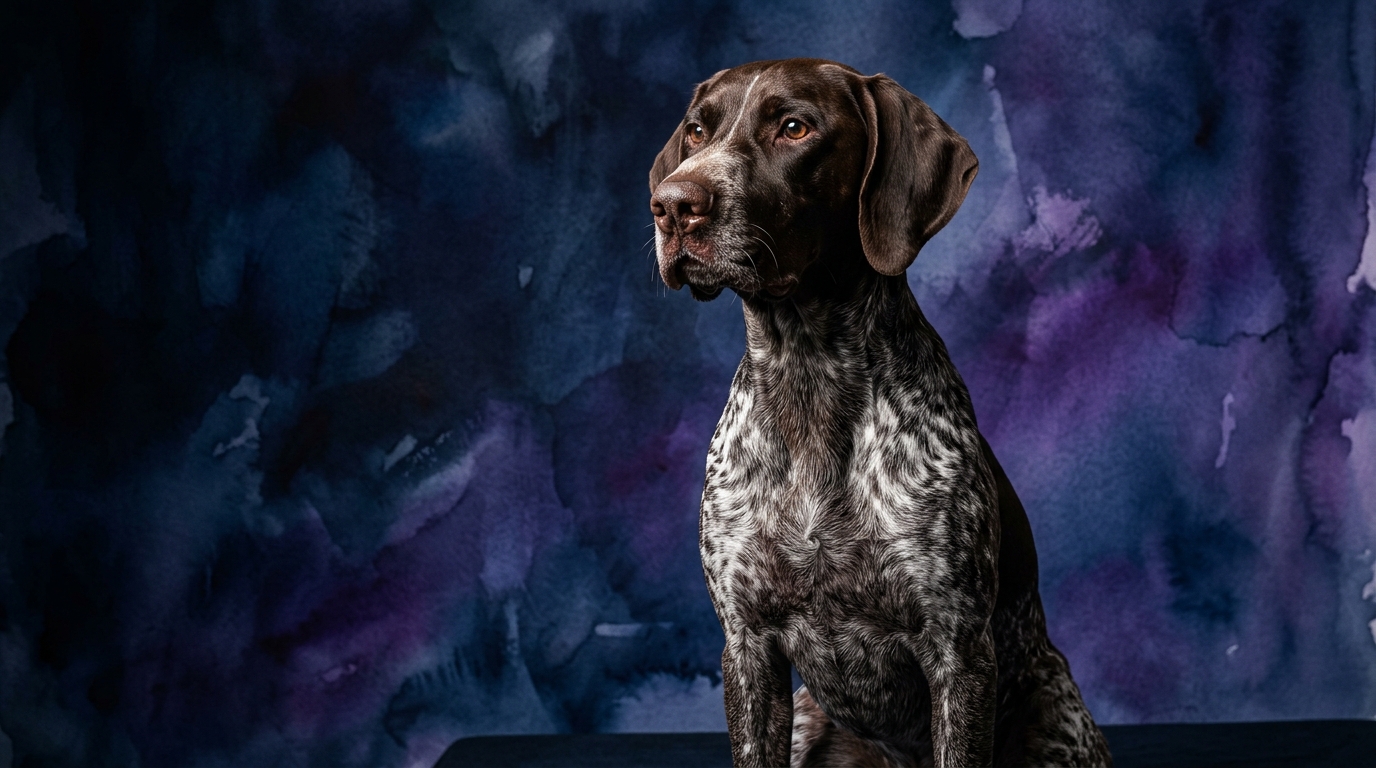
The German Shorthaired Pointer (GSP), a distinguished Sporting breed, ranks #17 on the Coren intelligence scale, signifying its capacity for understanding and obedience. Its cognitive profile includes a robust Problem Solving score of 5/5, indicating an exceptional ability to navigate complex situations and adapt strategies, often observed in its methodical approach to hunting. Training Speed is rated 4/5, reflecting its responsiveness and eagerness to learn new commands efficiently, while its Social Intelligence at 4/5 highlights its strong cooperative drive and attunement to human cues. An Instinctive Drive of 5/5 underscores its powerful prey drive and scenting capabilities, and its Memory at 4/5 ensures it retains learned behaviors and routines effectively.
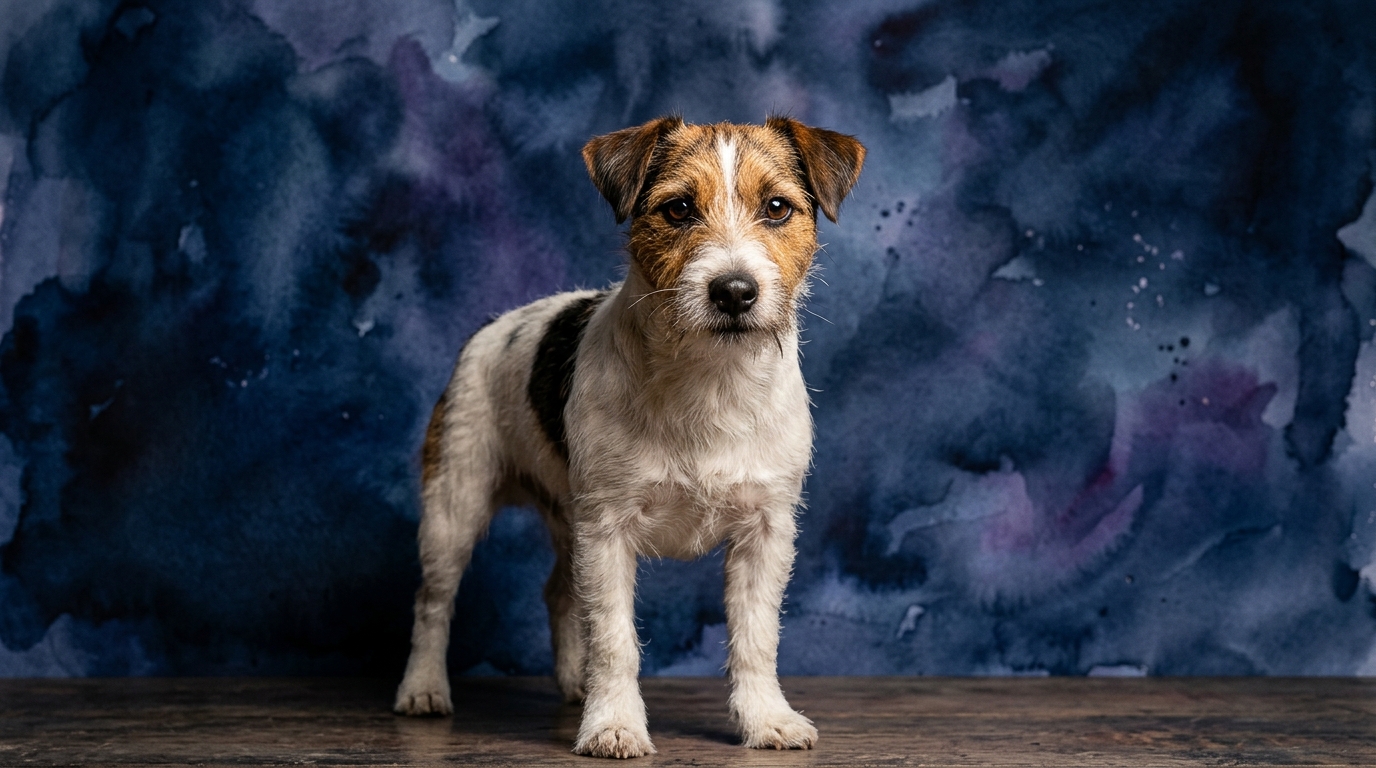
The Jack Russell Terrier (JRT), a tenacious Terrier breed, while not Coren-ranked, showcases a formidable cognitive makeup, particularly in its Problem Solving, also rated 5/5. This reflects its ingenuity and determination in overcoming obstacles, often in pursuit of a goal. However, its Training Speed comes in at 3/5, suggesting a more independent learning curve that requires consistent, engaging methods. Social Intelligence for the JRT is 3/5, indicating a more self-directed approach to interactions, less focused on pleasing and more on achieving its own objectives. Its Instinctive Drive is a profound 5/5, demonstrating an unyielding prey drive and an instinct for digging and chasing. Like the GSP, its Memory is strong at 4/5, allowing it to remember tasks, boundaries, and experiences over time.
Where the German Shorthaired Pointer Wins Cognitively
The German Shorthaired Pointer demonstrates clear cognitive advantages in areas requiring cooperative effort and nuanced understanding of human intent. Its superior Training Speed (4/5 versus JRT's 3/5) means it typically grasps and executes new commands with greater alacrity, making multi-step tasks and complex obedience routines more accessible. This is further amplified by its higher Social Intelligence (4/5 versus JRT's 3/5), which allows the GSP to be more attuned to a handler's subtle cues, body language, and emotional states. This cooperative nature, combined with its Coren ranking, positions the GSP as a dog that not only learns quickly but actively seeks to engage and work in partnership, making it exceptionally proficient in structured environments like competitive obedience or field trials where synchronicity with its handler is paramount. Its cognitive strength lies in its ability to integrate its strong instincts with human direction seamlessly.
Where the Jack Russell Terrier Wins Cognitively
While the GSP excels in cooperative learning, the Jack Russell Terrier’s cognitive prowess shines in its independent, tenacious problem-solving, particularly when driven by its powerful instincts. With a Problem Solving score of 5/5, identical to the GSP, the JRT applies this intelligence in a distinct manner, often figuring out ingenious solutions to achieve its own goals, such as finding a way through or under an obstacle to pursue a scent. Their formidable Instinctive Drive (5/5) fuels this self-directed ingenuity, making them relentless in their pursuits. This isn't about following instructions; it's about navigating the environment with a laser focus on an objective, demonstrating remarkable resourcefulness and determination. The JRT's cognitive strength lies in its ability to adapt, invent, and persist without constant human guidance, making it an exceptional independent worker in situations requiring cunning and grit.
Which is Easier to Train and Why
Between these two breeds, the German Shorthaired Pointer generally presents as easier to train due to its higher Training Speed (4/5) and Social Intelligence (4/5). GSPs are inherently eager to please their owners and possess a strong desire to work collaboratively, which translates into a rapid uptake of new commands and a more consistent response to cues. They thrive on positive reinforcement and clear direction, quickly forming associations between actions and rewards within a structured training framework. In contrast, the Jack Russell Terrier, with a Training Speed of 3/5 and Social Intelligence of 3/5, combined with its robust Instinctive Drive (5/5), can be more challenging. JRTs are famously independent thinkers; their strong prey drive and self-directed nature mean they are often more motivated by their own objectives than by human directives. Training a JRT requires immense patience, creativity, and consistency, focusing on channeling their natural drives into desirable behaviors rather than trying to suppress their inherent terrier spirit. While they are capable learners, their learning process is often characterized by a need for strong motivation and a firm understanding of 'why' a task is relevant to *them*.
Suitability for Active vs. Relaxed Owners
Neither the German Shorthaired Pointer nor the Jack Russell Terrier is suited for truly relaxed owners; both are high-energy working breeds demanding substantial physical and mental engagement. The GSP, with its boundless stamina and keen intellect, is an an ideal fit for owners who embrace an active, outdoor lifestyle, such as hunters, hikers, runners, or those involved in dog sports like agility, dock diving, or field trials. They thrive when given a 'job' and require consistent opportunities to burn off energy and engage their minds through structured activities and training. Similarly, the Jack Russell Terrier demands an equally active, if differently focused, owner. Their relentless drive and terrier tenacity mean they need daily outlets for chasing, digging, and exploring. They excel with owners who can provide varied enrichment, engage in active play, and channel their formidable instincts into positive endeavors like earthdog trials or advanced obedience. Owners considering either breed must be prepared for a significant time commitment to exercise and mental stimulation, as insufficient engagement can lead to boredom and undesirable behaviors.
The Verdict
Choose a German Shorthaired Pointer if you desire a highly cooperative, versatile partner for outdoor adventures and structured training, appreciating a dog deeply attuned to human cues and eager to work alongside you in a partnership.
Opt for a Jack Russell Terrier if you relish a spirited, independent problem-solver with immense drive, are prepared for consistent, creative training, and enjoy a companion with a tenacious, self-directed approach to navigating the world.
🧠 Find Your Pet's IQ Score
Our Pet IQ Lab assessment covers 25+ tests across 5 cognitive dimensions — personalized to your breed.
Take the Full IQ Test →Frequently Asked Questions
Do German Shorthaired Pointers learn commands faster than Jack Russell Terriers?
Yes, German Shorthaired Pointers generally exhibit a faster training speed (4/5) compared to Jack Russell Terriers (3/5). Their higher social intelligence and eagerness to cooperate mean they often grasp and execute new commands with greater alacrity and fewer repetitions, making formal training more straightforward.
Which breed is more likely to figure out how to escape a yard?
Both breeds possess exceptional problem-solving abilities (5/5), but a Jack Russell Terrier's strong instinctive drive (5/5) and independent nature might make them more inclined to tenaciously pursue an escape. Their determination to achieve a goal, like chasing a scent, can lead to creative solutions such as digging under fences or maneuvering gates, often without waiting for human permission.
How do their social intelligence scores impact their suitability as family pets?
A German Shorthaired Pointer's higher social intelligence (4/5) suggests they are often more attuned to family dynamics and human cues, potentially making them more adaptable in varied social settings and cooperative with children. A Jack Russell Terrier's slightly lower social intelligence (3/5) means they might be more independent and require clear, consistent boundaries and socialization, though they can form deep, loyal bonds within their immediate family.