
Side-by-Side IQ Profile: German Shorthaired Pointer vs. Kuvasz
The German Shorthaired Pointer (Sporting, Coren Rank #17) presents a cognitive profile optimized for active collaboration and rapid learning. Its Problem Solving (5/5) excels at complex tasks, rapidly assessing environments to achieve goals like locating game or solving puzzles; their mind actively seeks engagement. Training Speed (4/5) is impressive, as they learn new commands quickly, often grasping concepts in few repetitions, aided by eagerness to please. Social Intelligence (4/5) is high, with GSPs attuned to human cues like body language and tone, fostering strong partnerships. Instinctive Drive (5/5) for hunting and retrieving is powerful, manifesting as relentless energy, scent focus, and a desire to perform tasks simulating their purpose, requiring significant outlets. Memory (4/5) is robust, ensuring learned behaviors, specific locations, and past experiences stick, aiding consistent performance.
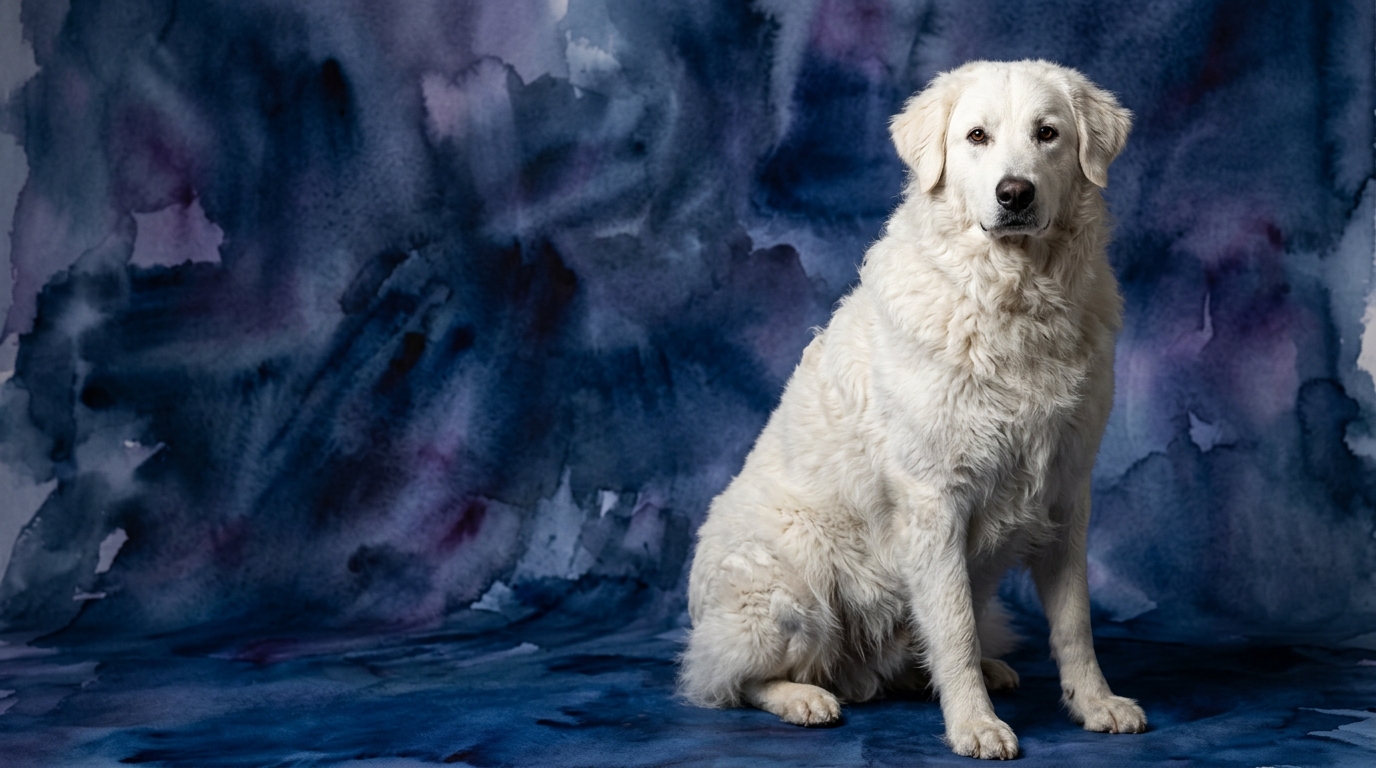
In contrast, the Kuvasz (Working, Coren Rank #42) exhibits a cognitive makeup designed for independent guardianship. Its Problem Solving (3/5) shows practical application, particularly for guarding, such as assessing threats or finding optimal vantage points, often relying on routine and independent judgment over human guidance for novel puzzles. Training Speed (3/5) is slower, requiring more repetition and patience; their independent nature means they process commands through their own assessment, not immediate compliance. Social Intelligence (3/5) sees Kuvasz dogs observe their family but remain reserved, preferring a watchful, distant relationship over constant engagement, extending to wariness of strangers. Instinctive Drive (3/5) is centered on protection and vigilance, a deep-seated instinct to guard, manifesting as strong territorial impulse and a watchful demeanor, not intense collaborative drive. Memory (4/5) is strong, particularly for individuals, boundaries, and past threats, aiding guarding duties by recalling who belongs and territory limits for consistent protection.
Where the German Shorthaired Pointer Wins Cognitively
The GSP's cognitive strengths distinctly outshine the Kuvasz in areas demanding active partnership and rapid adaptation. Its superior problem-solving (5/5 vs 3/5) means a GSP will independently figure out complex tasks, like an agility course or retrieving a hidden toy, without constant explicit instruction. Coupled with faster training speed (4/5 vs 3/5), the GSP grasps new concepts quickly and enjoys the mental exercise. Higher social intelligence (4/5 vs 3/5) allows fluid, intuitive communication, making it exceptionally responsive. The GSP's intense instinctive drive (5/5 vs 3/5) for work means it actively seeks mental engagement, thriving on challenges that would leave a Kuvasz less motivated for cooperative tasks.
Where the Kuvasz Wins Cognitively
While the Kuvasz's scores appear lower in direct comparison, its cognitive profile is perfectly tailored for its ancient role, demonstrating a different kind of strength. Its memory (4/5), matching the GSP, is crucial for guarding, enabling recall of faces, boundaries, and routines. The Kuvasz's lower social intelligence and instinctive drive (both 3/5) are not deficits but indicators of its independent nature; it's designed to make its own decisions in the field, assessing threats without constant human oversight. This self-reliance means it "wins" where an owner needs a dog capable of independent judgment and steadfast vigilance over territory or flock, rather than one seeking constant direction.
Which is Easier to Train and Why
The German Shorthaired Pointer is significantly easier to train than the Kuvasz. The GSP's exceptional training speed (4/5) means it masters new commands quickly, often after few repetitions. This is bolstered by high social intelligence (4/5) and strong instinctive drive (5/5), translating into eagerness to please and motivation to perform. They thrive on collaborative work and positive reinforcement. In contrast, the Kuvasz's training speed (3/5) is slower, and its independent nature, with lower social intelligence (3/5), means it evaluates commands before complying. They are not as inherently driven to "work with" a human, requiring more patience, consistency, and understanding of their guardian instincts.
Which Suits Active Owners vs. Relaxed Owners
The German Shorthaired Pointer is unequivocally suited for highly active owners providing ample mental and physical stimulation. Its powerful instinctive drive (5/5) and high problem-solving capacity (5/5) demand daily outlets for running, hunting, and complex activities like agility. An owner enjoying extensive outdoor adventures and consistent training will find a GSP an ideal, tireless companion; it would become bored and destructive in a sedentary household. The Kuvasz, while not "relaxed," suits owners committed to managing a large, independent, protective breed. They require secure fencing, consistent boundaries, and an owner understanding their guardian instincts, rather than constant high-intensity physical exercise. Their lower cooperative drive means they need space and purpose, fitting owners with a more structured, watchful lifestyle.
The Verdict
Opt for the GSP if you seek an enthusiastic, highly trainable partner for active sports, hunting, or intense outdoor adventures, thriving on a dog that constantly wants to engage and learn with you.
Select the Kuvasz if you need a steadfast, independent guardian for your property or family, appreciating a dog that thinks for itself and requires a firm, consistent leader who respects its ancient protective instincts.
🧠 Find Your Pet's IQ Score
Our Pet IQ Lab assessment covers 25+ tests across 5 cognitive dimensions — personalized to your breed.
Take the Full IQ Test →Frequently Asked Questions
Are German Shorthaired Pointers difficult to live with due to their high energy?
GSPs are indeed high-energy dogs. Without sufficient physical and mental exercise, they can become restless or destructive. Owners must commit to daily vigorous activity and engaging training sessions to channel their powerful instinctive drive constructively, ensuring a harmonious home life.
Does the Kuvasz's independent nature make it difficult to bond with?
The Kuvasz forms deep bonds with its family, but these are often expressed through watchful loyalty and protection rather than effusive displays. Their independence means they appreciate a stable, consistent relationship built on mutual respect, rather than constant overt affection.
Which breed is better for a first-time dog owner?
Neither breed is typically recommended for a first-time dog owner due to their specific needs. However, the GSP might be comparatively more manageable for an active novice willing to commit to extensive training. The Kuvasz's strong guarding instincts and independence generally require an experienced handler.