
Side-by-Side IQ Profile: German Shorthaired Pointer
**Problem Solving (5/5):** GSPs demonstrate a robust capacity for analytical thought, quickly assessing novel situations and devising effective solutions, particularly when it involves retrieving game or navigating complex terrain during a hunt. Their ability to connect cause and effect is highly developed, allowing them to learn intricate sequences of actions.
**Training Speed (4/5):** These dogs absorb new commands and routines with impressive alacrity, often requiring fewer repetitions than many other breeds. Their eagerness to engage and their focus on their handler contribute significantly to their rapid learning curve in structured training environments.
**Social Intelligence (4/5):** GSPs are adept at interpreting human cues, understanding intentions, and responding appropriately within a social context. They are generally cooperative and seek to work alongside their human companions, forming strong communicative bonds based on mutual understanding.
**Instinctive Drive (5/5):** Their innate drive is exceptionally powerful, manifesting as an intense desire to hunt, track, and retrieve. This deep-seated motivation fuels their endurance and focus during tasks, making them relentless in pursuing their natural calling, which can be channeled into various working roles.
**Memory (4/5):** GSPs possess an excellent memory, retaining learned commands, familiar routes, and past experiences with considerable accuracy. This cognitive strength allows them to build upon prior knowledge, making advanced training and complex routines manageable over time.
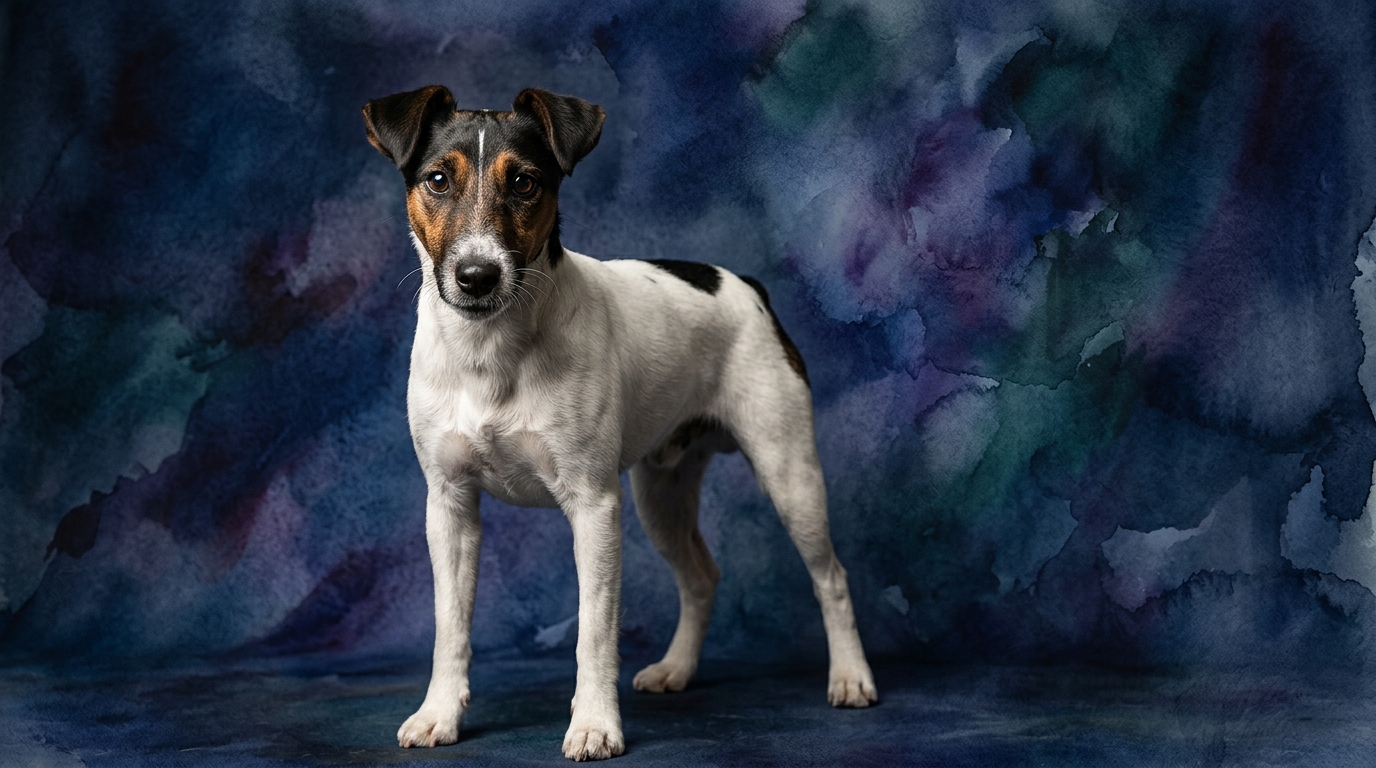
Side-by-Side IQ Profile: Smooth Fox Terrier
**Problem Solving (3/5):** Smooth Fox Terriers approach problems with a blend of tenacity and instinct rather than systematic analysis. They are capable of figuring out how to achieve a goal, especially if it involves digging, chasing, or outsmarting small prey, but their methods are often more trial-and-error than calculated.
**Training Speed (3/5):** While capable of learning, SFTs typically require more consistent repetition and highly motivating rewards to solidify new behaviors. Their independent nature means they can be selective about when they choose to apply their learned skills, often prioritizing their own interests over strict obedience.
**Social Intelligence (3/5):** SFTs are observant of their human companions but tend to process social cues through the lens of their terrier instincts. They understand basic interactions but may be less inclined to seek constant validation or collaboration, often preferring to operate with a degree of self-sufficiency.
**Instinctive Drive (3/5):** Their primary instinctive drive revolves around hunting small burrowing animals, characterized by a formidable prey drive, digging prowess, and a determined pursuit. While not as broadly applied as a GSP's hunting drive, it is intensely focused and difficult to redirect once activated.
**Memory (3/5):** Smooth Fox Terriers have a functional memory for commands and routines, particularly those they find rewarding or that align with their natural tendencies. However, their recall might be less consistent than breeds with higher memory scores, especially if distractions or more compelling instincts are at play.
Where German Shorthaired Pointer Wins Cognitively
The German Shorthaired Pointer clearly excels in areas demanding collaborative problem-solving and rapid assimilation of complex tasks. Their 5/5 Problem Solving score means they aren't just following orders; they are actively thinking through challenges, like finding a downed bird in dense cover or navigating an agility course with precision. This cognitive prowess, combined with a 4/5 Training Speed, makes them remarkably efficient learners, capable of mastering a wide array of commands and multi-step behaviors in fewer repetitions than many other breeds.
Furthermore, the GSP's 4/5 Social Intelligence allows for a nuanced understanding of human communication, making them highly responsive to subtle cues and changes in tone. This deep cognitive connection fosters a partnership where the dog anticipates needs and works in tandem with its handler, a quality directly reflected in their Coren ranking of #17 among working dogs. Their 4/5 Memory ensures that these learned skills and social understandings are retained reliably, building a strong foundation for consistent performance across various environments and over time.
Where Smooth Fox Terrier Wins Cognitively
While not achieving high scores in categories emphasizing human-directed collaboration, the Smooth Fox Terrier displays cognitive strengths tailored to its historical purpose. Their 3/5 Instinctive Drive, though lower than the GSP's, is intensely focused and relentless when directed towards their specific prey. This singular determination allows them to persist in tasks like digging out vermin or tracking a scent through challenging conditions, often with an independent resolve that requires minimal human intervention.
The SFT's 3/5 Problem Solving manifests as a cunning, self-reliant approach, particularly when faced with obstacles related to their primary drive. They might not analyze a complex puzzle box with the same systematic thought as a GSP, but they will often find an unconventional or persistent way to achieve their goal, especially if it involves circumventing barriers to reach something interesting. This self-starter mentality, combined with their moderate memory, means they can operate effectively in environments where quick, independent action is more valuable than awaiting detailed instructions.
Which is Easier to Train and Why
The German Shorthaired Pointer is unequivocally easier to train for a broad range of obedience and advanced tasks, a direct result of their superior cognitive profile. Their 4/5 Training Speed means they pick up new commands with impressive quickness, often eager to please and highly motivated by working alongside their handler. This is supported by their 4/5 Social Intelligence, which allows them to readily understand human intentions and respond cooperatively to instruction. For example, a GSP will typically learn "stay" or "heel" with fewer repetitions and more consistent execution, driven by a desire to collaborate and a strong memory for learned behaviors.
In contrast, the Smooth Fox Terrier's 3/5 Training Speed and 3/5 Social Intelligence mean that training requires more patience, consistency, and creative motivation. An SFT's independent streak often means they'll weigh whether a command aligns with their current interests. While capable of learning, they might choose to "selectively hear" commands if a more exciting scent or potential chase opportunity presents itself. Their problem-solving, while tenacious, isn't always directed at pleasing a human, making them more challenging to mold into a highly compliant working partner without significant dedicated effort and understanding of their terrier nature.
Which Suits Active Owners vs. Relaxed Owners
For truly active and task-oriented owners, the German Shorthaired Pointer is an ideal match. Their 5/5 Instinctive Drive demands significant physical and mental engagement, thriving on long runs, hunting expeditions, agility courses, or demanding scent work. Owners must be prepared to integrate their GSP into a dynamic lifestyle, providing consistent outlets for their formidable energy and intellectual curiosity. A GSP expects to be a working partner, and an owner who can meet this need will find an incredibly devoted and capable companion.
The Smooth Fox Terrier also requires an active owner, but their activity needs are often characterized by bursts of intense energy and a need for specific types of mental stimulation rather than sustained, collaborative work. Owners who appreciate a dog with a strong, independent personality and enjoy engaging in activities like earthdog trials, extensive walks exploring new scents, or structured play that satisfies their prey drive might find an SFT rewarding. They are not suited for truly relaxed owners who prefer a sedentary lifestyle, as their moderate instinctive drive still demands regular exercise and mental challenge to prevent boredom and destructive behaviors, but they might be less dependent on constant human direction for their entertainment.
The Verdict
Choose the German Shorthaired Pointer if you seek a highly trainable, collaborative partner for demanding outdoor activities, intricate training, and a deep, communicative bond.
Choose the Smooth Fox Terrier if you appreciate a tenacious, independent spirit, are prepared for consistent, patient training, and enjoy a companion with a strong individual will and focused prey drive.
🧠 Find Your Pet's IQ Score
Our Pet IQ Lab assessment covers 25+ tests across 5 cognitive dimensions — personalized to your breed.
Take the Full IQ Test →Frequently Asked Questions
Are GSPs good for first-time dog owners?
German Shorthaired Pointers can be a handful for first-time owners due to their intense energy and high training needs, but their eagerness to please and trainability make them manageable with proper commitment to exercise and consistent positive reinforcement. They thrive with owners who understand and can channel their strong working drive.
Do Smooth Fox Terriers require a lot of exercise?
Yes, Smooth Fox Terriers, despite their smaller size, are energetic dogs that require regular, vigorous exercise to satisfy their terrier instincts. Daily walks, playtime, and opportunities for digging or chasing in a secure area are essential to keep them mentally stimulated and physically content.
How do their social skills compare with other pets?
German Shorthaired Pointers generally possess good social intelligence and can coexist well with other pets, especially if introduced early and properly socialized, though their prey drive might need management around smaller animals. Smooth Fox Terriers, with their strong prey drive and independent nature, can be more challenging with other small pets and may require careful, supervised introductions and ongoing management.