
Side-by-Side IQ Profile: German Shorthaired Pointer
The German Shorthaired Pointer, a versatile gundog, boasts a Coren rank of #17, reflecting a profound capacity for learning and task execution. Our Pet IQ Lab assessment gives the GSP a perfect 5/5 in Problem Solving, showcasing their exceptional ability to navigate complex scenarios, understand multi-step commands, and adapt strategies in the field, whether tracking game or retrieving. This breed actively processes and plans.
Their Training Speed scores 4/5, indicating a rapid grasp of new commands and sequences. Coupled with a 4/5 in Social Intelligence, GSPs are adept at reading human cues, fostering highly communicative partnerships. Their Instinctive Drive is a powerful 5/5 for scent work, pointing, and retrieving, while a 4/5 Memory ensures retention of learned behaviors and spatial awareness, crucial for field work.
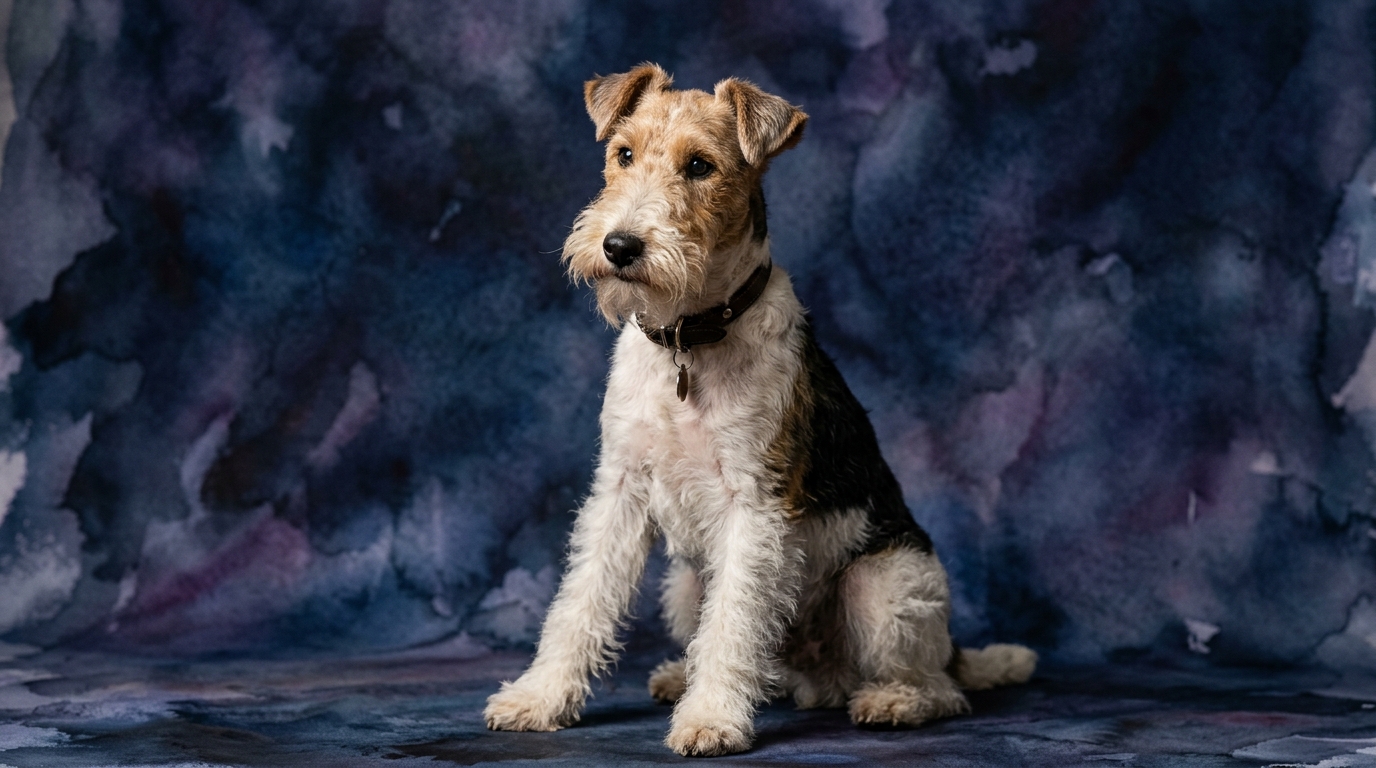
Side-by-Side IQ Profile: Wire Fox Terrier
The Wire Fox Terrier, bred for flushing quarry from dens, is not on Coren's ranking, but our Pet IQ Lab details their specific cognitive strengths. Their Problem Solving rates 3/5; capable of immediate obstacle solutions, their approach often leans on instinct and persistence over complex reasoning. They excel at direct, focused tasks, especially related to their hunting heritage.
Training Speed for the WFT is 3/5, meaning new commands are learned at a moderate pace, but independence can make compliance secondary. Social Intelligence also scores 3/5; they understand human interaction but possess a self-reliant streak, leading to selective listening. An Instinctive Drive of 3/5 captures their tenacity for digging and pursuing small game, a formidable drive in its specific context. Their Memory is rated 3/5, sufficient for routines, though requiring more consistent reinforcement for intricate sequences.
Where the German Shorthaired Pointer Wins Cognitively
The German Shorthaired Pointer clearly shines in areas demanding collaborative effort and intricate cognitive processing. Their 5/5 Problem Solving isn't just about figuring things out; it’s about partnering to solve them. A GSP can swiftly learn to differentiate scents, understand hand signals, and execute a complex retrieve involving terrain navigation and ignoring distractions. This capacity for multi-layered task engagement and adaptive strategy is a hallmark of their intellect, making them exceptional at activities like advanced obedience, agility, or competitive field trials where precise execution is paramount.
Furthermore, the GSP's higher Social Intelligence (4/5) and Training Speed (4/5) contribute to a more fluid learning experience. They are inherently tuned to their human companions, often anticipating desires and responding with an eagerness that accelerates training. This collaborative mindset, combined with their robust memory, allows them to build vast repertoires of learned behaviors and apply them flexibly, making them incredibly versatile working partners in diverse environments.
Where the Wire Fox Terrier Wins Cognitively
While the GSP excels in collaborative problem-solving, the Wire Fox Terrier's cognitive strengths lie in independent, tenacious pursuit of specific goals. Their 3/5 Problem Solving, though numerically lower, is highly specialized for self-reliance and grit. A WFT might not devise a complex strategy for a puzzle toy, but they possess unparalleled determination to dig under a fence or root out a perceived 'pest,' demonstrating a focused, single-minded intelligence driven by instinct.
The WFT's cognitive profile is geared towards persistence and self-direction. Their 3/5 Instinctive Drive, while not as broad as a GSP's, is incredibly potent within its niche. They can focus intensely on a perceived 'mission,' showing remarkable ingenuity in navigating tight spaces or overcoming small obstacles to reach a target. This breed's intellect is less about pleasing and more about achieving their own objective, making them effective where a dog needs to think and act independently.
Which is Easier to Train and Why
When considering ease of training, the German Shorthaired Pointer generally presents a more straightforward path. Their superior Training Speed (4/5) means they grasp commands rapidly, and their high Social Intelligence (4/5) fuels a strong desire to work with their human companions. GSPs typically thrive on positive reinforcement and clear communication, quickly associating cues with desired actions. They are eager participants, often finding immense satisfaction in mastering new skills and pleasing their owners. This intrinsic motivation and cooperative spirit make complex training regimens, like those for competitive dog sports or field work, a rewarding experience for both dog and handler.
In contrast, training a Wire Fox Terrier can be a more involved endeavor. Their 3/5 Training Speed and 3/5 Social Intelligence mean they may require more repetition and a highly engaging approach to maintain focus. WFTs possess a strong independent streak; their problem-solving often prioritizes their own agenda over human directives. For instance, a GSP might immediately respond to a recall command even with a squirrel nearby, driven by its desire to collaborate. A WFT, however, might weigh the excitement of the chase against the command, often choosing the former due to its innate drive and self-reliant nature. Effective WFT training demands unwavering consistency, creative motivation, and an understanding of their terrier tenacity, leveraging their prey drive in structured ways rather than trying to suppress it entirely.
Which Suits Active Owners vs. Relaxed Owners
Neither the German Shorthaired Pointer nor the Wire Fox Terrier are suitable companions for truly relaxed owners; both breeds demand significant energy and mental stimulation. However, the type of activity they thrive on differs considerably. The GSP is an ideal match for highly active individuals or families who enjoy extensive outdoor pursuits like running, hiking, biking, or hunting. They require substantial daily physical exercise, often an hour or more of vigorous activity, coupled with mental challenges like scent work, obedience training, or agility. Their collaborative nature means they thrive when engaged in activities with their owners, making them perfect for those seeking a dedicated adventure partner.
The Wire Fox Terrier also demands an active lifestyle, but one that accommodates their independent and spirited nature. They require daily vigorous exercise to channel energy and prevent boredom-induced behaviors like excessive digging or chewing. Owners who appreciate a dog with a bold personality, are prepared for consistent training, and can provide outlets for their terrier instincts—such as structured 'hunting' games, earthdog trials, or agility—will find a rewarding companion. While they enjoy human company, their independent streak means they may not always be as focused on shared activities as a GSP, often preferring to explore or pursue their own interests on walks, making secure containment and diligent leash training essential.
The Verdict
Choose the German Shorthaired Pointer if you seek a highly collaborative, versatile working companion for demanding outdoor activities, thriving on shared purpose and complex tasks. Their eagerness to please and rapid learning make them excellent partners for active lifestyles and competitive dog sports.
Opt for the Wire Fox Terrier if you admire spirited independence, a tenacious problem-solver for specific tasks, and are prepared for a vibrant, sometimes challenging, personality. This breed suits owners who can provide consistent guidance and outlets for their distinctive terrier drive.
🧠 Find Your Pet's IQ Score
Our Pet IQ Lab assessment covers 25+ tests across 5 cognitive dimensions — personalized to your breed.
Take the Full IQ Test →Frequently Asked Questions
Are German Shorthaired Pointers good family dogs?
Yes, GSPs can be excellent family dogs, especially for active families who can meet their substantial exercise and mental stimulation needs. Their social intelligence and desire to be part of the family make them affectionate companions, though their energy might be overwhelming for very young children without proper training.
Do Wire Fox Terriers get along with other pets?
Wire Fox Terriers can coexist with other pets, particularly if socialized from a young age. However, their strong prey drive means small, non-canine pets like hamsters or birds may trigger their instincts. Careful introductions and supervision are crucial, especially with cats.
What kind of mental stimulation do these breeds need?
German Shorthaired Pointers thrive on complex obedience, scent work, puzzle toys, and field training that engages their problem-solving and instinctive drives. Wire Fox Terriers benefit from digging boxes, interactive toys, agility, and earthdog trials that channel their natural tenacity and pursuit instincts.