
Side-by-Side IQ Profile: Golden Retriever vs. Rottweiler
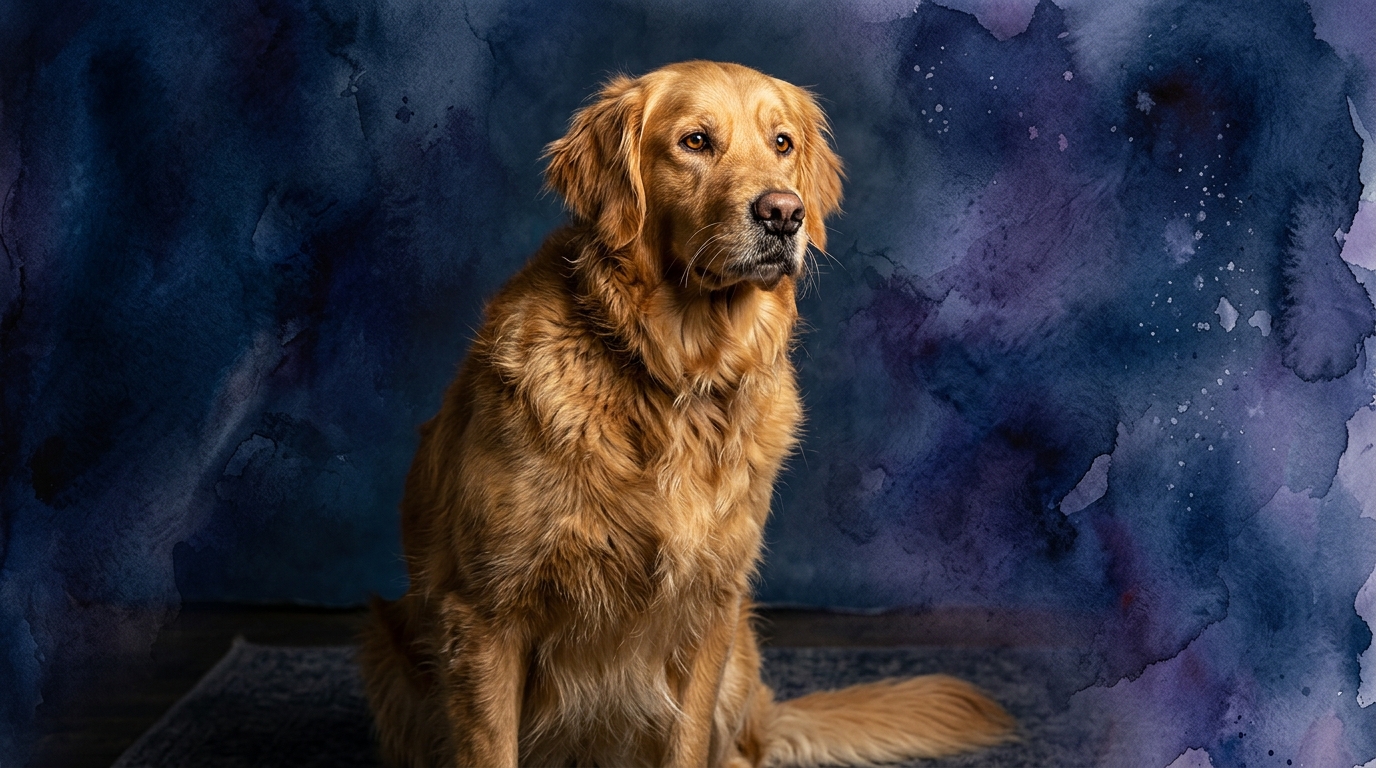
The Cosmic Pet Pet IQ Lab employs a five-dimensional framework to assess canine intelligence, offering a nuanced view beyond simple obedience. For the Golden Retriever, a Sporting group member and ranked #4 by Coren, its profile highlights a mind built for cooperation and companionship. Its problem-solving ability is rated 4/5, indicating a capacity for adaptable thought, often in concert with human direction. Training speed is a standout at 5/5, reflecting a remarkable eagerness to learn and comply. Social intelligence also scores 5/5, demonstrating an exceptional ability to read and respond to human emotions. Instinctive drive, relevant to its retrieving heritage, sits at 4/5, while memory is a solid 4/5, allowing for good retention of experiences and commands.
In contrast, the Rottweiler, a formidable Working group member and Coren rank #9, presents a different cognitive blueprint, geared for purpose and protection. Its problem-solving skills are rated an impressive 5/5, showcasing an independent and strategic mind capable of complex task execution. Training speed, while still strong at 4/5, suggests a need for consistent guidance to channel its will. Social intelligence is 4/5, reflecting deep loyalty to its family but often a reserved demeanor with strangers. Instinctive drive is a powerful 5/5, indicative of its innate guarding and working capabilities. Crucially, its memory is also 5/5, enabling the retention of intricate details and long-term learned behaviors essential for its demanding roles.
Where the Golden Retriever Wins Cognitively
The Golden Retriever's cognitive edge shines brightest in domains demanding emotional attunement and rapid learning. Their 5/5 social intelligence score means they are unparalleled in interpreting human moods and intentions, often anticipating needs before they are voiced. This makes them exceptional emotional support animals and family companions, as they intuitively seek to connect and harmonize with their human counterparts. Their capacity to form profound emotional bonds and understand subtle human cues is a hallmark of their cognitive makeup, allowing them to integrate seamlessly into diverse family dynamics and respond empathetically to human distress or joy.
Furthermore, their 5/5 training speed isn't merely about obedience; it reflects a deep-seated desire for cooperative engagement and a cognitive framework that quickly processes and internalizes new commands and routines when presented with positive reinforcement. This swift assimilation of information, coupled with their inherent eagerness to please, allows for a remarkably smooth and enjoyable training experience, even for novice owners. They excel in scenarios where understanding nuanced social cues and responding with enthusiastic compliance are paramount, such as in therapy work or competitive obedience where a strong handler-dog bond translates directly to performance and a joyful working partnership.
Where the Rottweiler Wins Cognitively
Conversely, the Rottweiler exhibits a distinct cognitive superiority in areas requiring independent thought, robust memory, and potent instinctive application. Their 5/5 problem-solving ability indicates a dog capable of analyzing situations and devising solutions, often without direct human prompting, which is a hallmark of their working heritage. This manifests in their capacity for complex protection tasks, navigating challenging environments with purpose, or executing multi-step operations that demand strategic thinking and initiative. They are not merely following commands; they are actively processing and responding to dynamic situations with a calculated approach.
The Rottweiler's 5/5 instinctive drive is not just about raw power; it's a finely tuned cognitive system that channels their protective and territorial urges into focused, purposeful action. This drive, combined with a 5/5 memory, allows them to retain intricate sequences of commands, recognize specific threats or patterns over long periods, and apply learned behaviors with unwavering consistency and precision. This cognitive profile makes them exceptional candidates for roles demanding vigilance, precise task execution, and a deep understanding of their territory and responsibilities, such as in police work, personal protection, or advanced scent detection, where their powerful intellect is put to serious, practical use.
Which is Easier to Train and Why
When evaluating ease of training, the Golden Retriever generally presents a more straightforward path for the average owner. Their 5/5 training speed combined with their 5/5 social intelligence means they are inherently motivated to cooperate and please their human companions. They thrive on positive reinforcement, quickly forming associations between actions and rewards, and are highly receptive to guidance. A Golden Retriever often approaches training as a collaborative game, eager to learn what is expected and striving to meet those expectations. This disposition minimizes resistance and accelerates the learning process for basic obedience and even more complex tasks, making them forgiving for first-time dog owners who appreciate a willing student.
In contrast, while the Rottweiler possesses a 4/5 training speed and a 5/5 problem-solving capacity, their independent nature and strong instinctive drives mean they require a more experienced and consistent hand. A Rottweiler might question commands or attempt to solve problems their own way if the handler isn't clear and confident. Their training is highly effective when built on mutual respect and firm boundaries, but it demands more mental discipline and leadership from the owner to channel their formidable intelligence and drive productively. Without this, their problem-solving can manifest as stubbornness or self-directed action, which can be challenging for an inexperienced trainer to manage, requiring a firm but fair approach to establish clear expectations and control.
Which Suits Active Owners vs. Relaxed Owners
For the active owner seeking a partner in adventure and mental stimulation, both breeds offer compelling attributes, though with different nuances. The Rottweiler, with its 5/5 instinctive drive and 5/5 problem-solving, thrives on purposeful work and rigorous physical activity. They excel in demanding roles like competitive obedience, protection sports, or extensive hiking, requiring an owner who can consistently provide structured challenges and mental engagement to prevent boredom and channel their powerful drives. An active owner for a Rottweiler is one who sees their dog as a working companion, ready to dedicate significant time to training, exercise, and reinforcing their role within the family unit. Their cognitive needs demand consistent intellectual engagement, making them ideal for owners who enjoy teaching complex tasks and maintaining a structured routine where their dog has a clear job.
Conversely, the Golden Retriever, while certainly active with its 4/5 instinctive drive, fits a broader spectrum of active lifestyles. They are excellent companions for jogging, swimming, retrieving games, and family outings, but their cognitive demands lean more towards social interaction and cooperative play rather than intense, independent problem-solving tasks. A Golden Retriever is suited for an owner who enjoys consistent physical activity and wants a joyful, highly social companion for shared experiences, without necessarily needing to engage in high-level working dog activities. They are happy with long walks, fetch in the park, and being an integral part of family activities, making them adaptable for active owners who prioritize companionship and cooperative fun over specialized working roles, thriving on shared activities and affection.
The Verdict
Choose a Golden Retriever if you prioritize a highly social, adaptable companion with exceptional trainability, eager to please and integrate seamlessly into a family dynamic, especially for novice owners.
Opt for a Rottweiler if you are an experienced owner seeking a powerful, protective partner with outstanding problem-solving skills and a strong work ethic, prepared to provide consistent leadership and rigorous mental and physical challenges.
🧠 Find Your Pet's IQ Score
Our Pet IQ Lab assessment covers 25+ tests across 5 cognitive dimensions — personalized to your breed.
Take the Full IQ Test →Frequently Asked Questions
Are Golden Retrievers better with children than Rottweilers?
Golden Retrievers, with their 5/5 social intelligence, are generally more tolerant and patient with children, often seeking to engage in gentle play. Rottweilers, while fiercely loyal to their family (4/5 social intelligence), require careful socialization and supervision around children due to their protective instincts and powerful build.
Which breed requires more mental stimulation?
Both breeds benefit from mental stimulation, but Rottweilers (5/5 problem solving, 5/5 instinctive drive) typically require more structured, challenging tasks to prevent boredom and destructive behaviors. Golden Retrievers (4/5 problem solving, 4/5 instinctive drive) are satisfied with a mix of social interaction, obedience practice, and retrieving games.
Can a first-time dog owner manage a Rottweiler?
While a Rottweiler's 4/5 training speed means they learn quickly, their strong independent nature and 5/5 instinctive drive require confident, consistent leadership, making them generally less suitable for first-time dog owners. A Golden Retriever's 5/5 training speed and social intelligence offer a more forgiving and cooperative learning experience for beginners.