Side-by-Side Cognitive Profiles
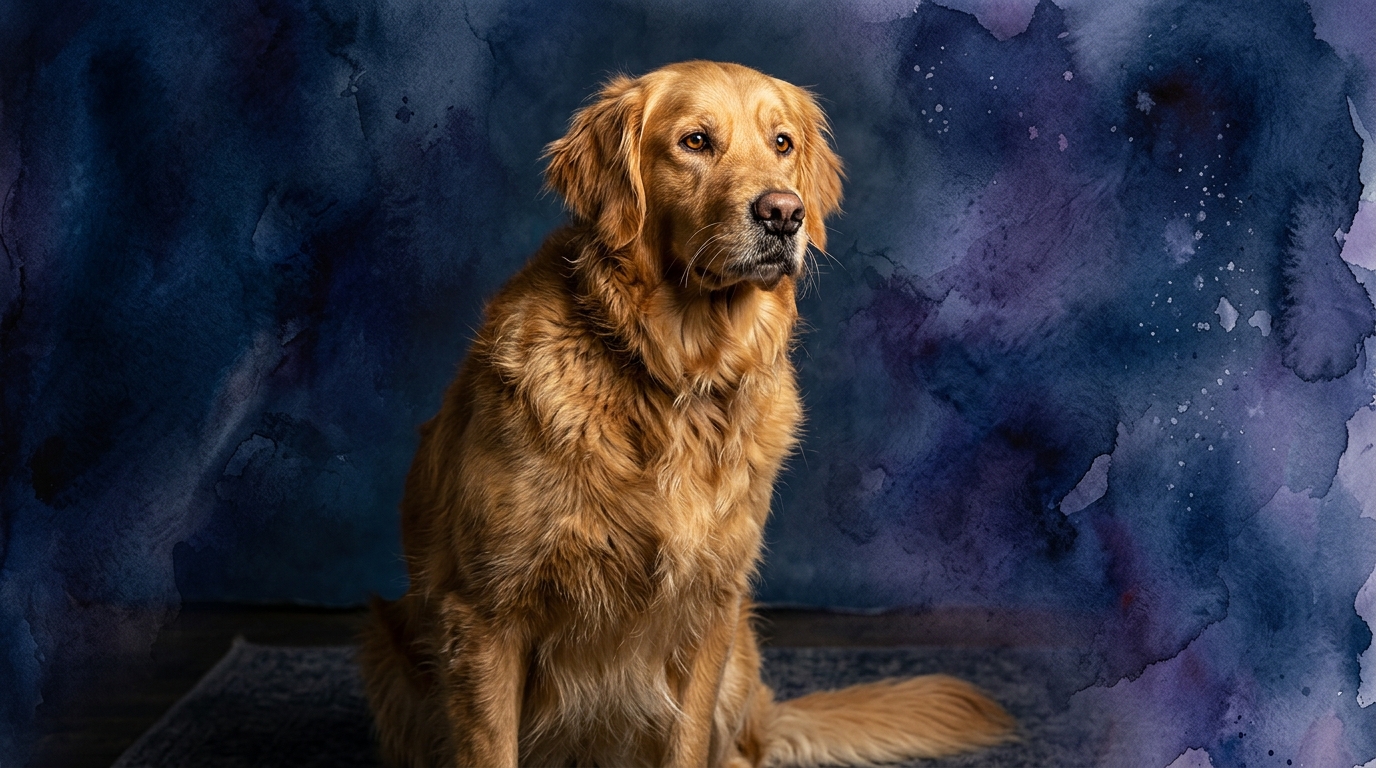
The Golden Retriever, a member of the Sporting group and notably ranked #4 by Dr. Stanley Coren for working and obedience intelligence, presents a profile marked by strong cooperative abilities. Their problem-solving (4/5) often involves tasks benefiting their human partners, like retrieving specific items or navigating obstacles to reach a desired person. Training speed is exceptional (5/5), demonstrating a rapid capacity to learn and retain commands, driven by an eagerness to engage. Social intelligence is paramount (5/5), allowing them to deeply understand human emotions and cues, fostering profound relational bonds. Their instinctive drive (4/5) channels into cooperative activities like retrieving, water work, and companionship, while memory (4/5) ensures consistent recall of learned behaviors and social associations over time.
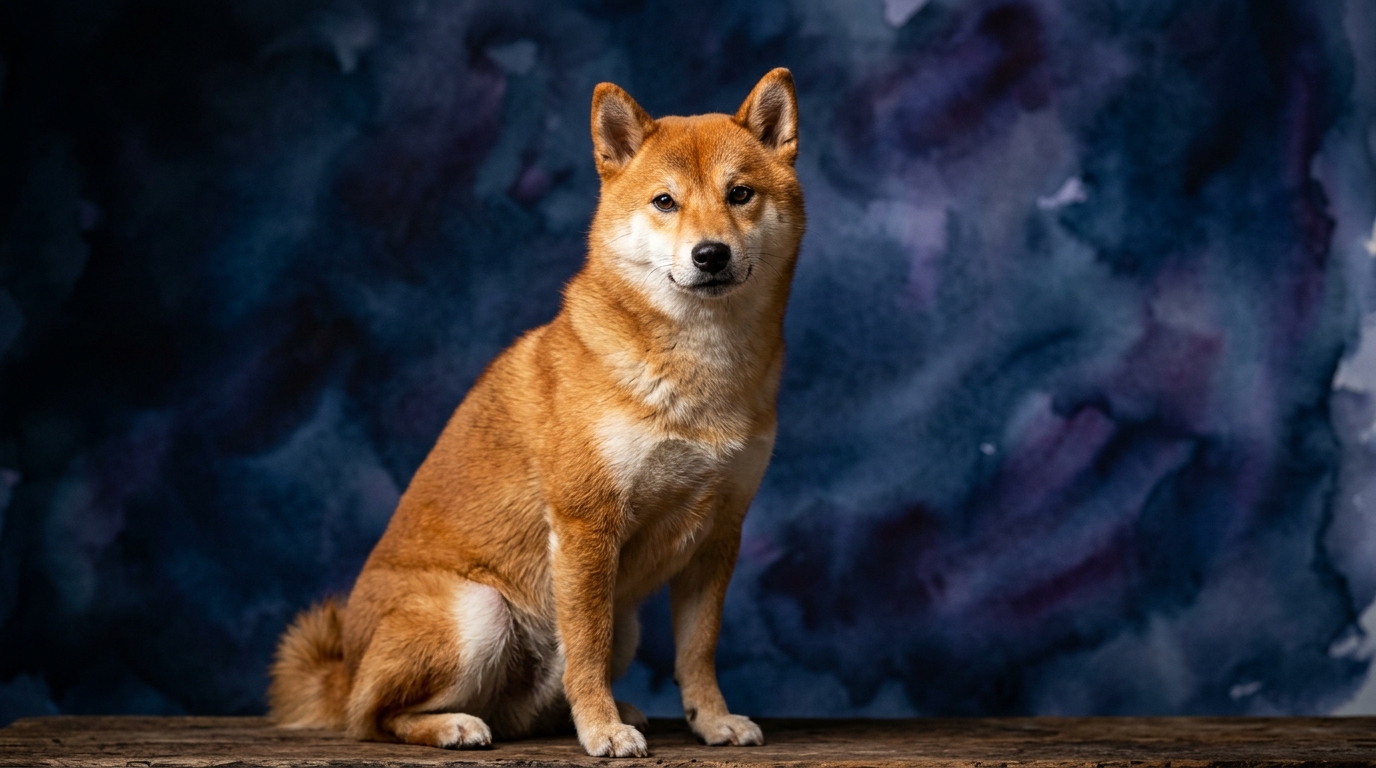
In contrast, the Shiba Inu, from the Non-Sporting group and not formally Coren-ranked due to its unique disposition, showcases a distinctly independent cognitive makeup. Their problem-solving (4/5) is highly effective, often applied to self-serving objectives such as figuring out how to bypass barriers or access hidden treats. Training speed is a more moderate 2/5, reflecting a need for strong motivation and a selective approach to following directions. Social intelligence stands at 3/5; while observant of their environment and humans, they often choose to engage on their own terms, valuing autonomy over constant interaction. An intense instinctive drive (5/5) defines them, encompassing a keen prey drive, territorial awareness, and a robust sense of self-preservation. Memory (4/5) is also robust, allowing them to recall routines, people, and experiences, forming lasting impressions.
Golden Retriever's Cognitive Strengths
The Golden Retriever's cognitive edge is most evident in its unparalleled training speed and profound social intelligence. Their 5/5 rating for training speed isn't merely about rote learning; it signifies a deep-seated desire to collaborate and respond to human direction. Goldens actively seek to understand and comply, forming quick associations between commands and desired actions, often driven by the reward of human approval and companionship. This inherent biddability makes them exceptionally receptive to structured learning, allowing them to master complex sequences and a broad vocabulary of commands with remarkable efficiency.
Furthermore, their 5/5 social intelligence sets them apart. Goldens possess a nuanced capacity to interpret intricate human social cues, from subtle shifts in vocal tone to body language, and even emotional states. This cognitive skill allows them to anticipate needs, offer comfort, and integrate seamlessly into family dynamics, often appearing to "read" their owners. Their ability to form cooperative bonds is not just a trait but a sophisticated cognitive process, enabling a profound level of empathetic connection and responsive interaction within a human household.
Shiba Inu's Cognitive Strengths
The Shiba Inu's distinct cognitive strengths lie in its intense instinctive drive and a unique application of problem-solving. Their 5/5 instinctive drive is a powerful engine for independent action and self-reliance, shaped by their ancestral role as hunters in challenging Japanese terrains. This drive fuels a sharp prey instinct, a vigilant awareness of their surroundings, and a strong will to navigate situations based on their own judgment rather than relying solely on human input. This translates to an innate resilience and resourcefulness in various environments, a cognitive asset for survival and self-sufficiency.
While both breeds share a 4/5 problem-solving rating, the Shiba's approach is characterized by a strong independent streak. A Golden might solve a puzzle to please its owner; a Shiba often solves problems to achieve personal goals, such as finding a way to escape a yard, outsmarting a human to access a forbidden treat, or manipulating situations for their own comfort. This demonstrates a cognitive flexibility and determination to pursue self-directed objectives, often requiring creative and persistent thought processes. Their solutions are typically born from a desire for autonomy, showcasing a different facet of cognitive ingenuity.
Trainability: Cooperation vs. Independence
When considering trainability, the Golden Retriever presents a significantly smoother experience due to its high training speed (5/5) and social intelligence (5/5). Goldens are intrinsically motivated by connection and positive reinforcement from their human companions. They view training as a collaborative activity, eager to learn and respond to commands to earn praise, treats, or playtime. Their natural inclination to please and their attentiveness to human cues make them highly receptive students, quickly grasping new behaviors and consistently offering them. This cooperative mindset means fewer repetitions are needed, and the learning process is generally more fluid and rewarding for both dog and owner.
The Shiba Inu, with its training speed of 2/5 and social intelligence of 3/5, offers a more challenging training journey. Shibas are independent thinkers who evaluate whether a command aligns with their own interests before complying. They are not inherently driven by a desire to please and can exhibit selective hearing, especially if something more stimulating captures their attention. Successful training with a Shiba requires immense patience, consistent motivation with high-value rewards, and an understanding of their independent spirit. Owners often describe the process as a negotiation, where the Shiba decides if the reward is worth the effort, rather than an eager acceptance of instruction. For example, a Golden will often retrieve a dropped item for a simple "good dog," while a Shiba might assess the item's value versus the effort required, often needing a compelling incentive like a prized treat.
Matching Breed to Owner Lifestyle
Golden Retrievers are ideally suited for moderately to highly active owners who desire a canine partner deeply integrated into their daily lives. Their 4/5 instinctive drive, combined with exceptional social intelligence, means they thrive on consistent mental and physical engagement. They excel in activities like long hikes, running, swimming, dog sports such as agility or obedience, and retrieving games. Goldens actively seek interaction and companionship, requiring owners who are prepared to involve them in family activities and provide ample opportunities for both structured and unstructured play. An owner seeking a constant, empathetic companion who is always ready for adventure will find a perfect match.
Shiba Inus, while possessing a high instinctive drive (5/5), suit owners who appreciate and can accommodate their independent nature. Their energy often manifests in bursts of self-directed play and exploration rather than sustained, human-led activity. They enjoy vigorous walks, runs, and secure off-leash exploration in safe areas, but they also value their alone time and can be content with independent mental stimulation from puzzle toys. Owners who lead a somewhat more relaxed lifestyle but are committed to providing consistent, engaging, and secure outlets for their dog's energy and curiosity will find a Shiba rewarding. Their strong prey drive and potential for escape necessitate secure environments and diligent leash training, making them less suitable for owners who prefer a dog that needs minimal supervision outdoors.
The Verdict
You should choose a Golden Retriever if you seek a highly cooperative, eager-to-please companion who thrives on shared activities and forms deep, empathetic bonds, making training a rewarding, collaborative experience.
You should choose a Shiba Inu if you appreciate an independent, resilient companion with a unique personality, are prepared for a more nuanced training approach, and value a dog that navigates the world with self-assured curiosity.
🧠 Find Your Pet's IQ Score
Our Pet IQ Lab assessment covers 25+ tests across 5 cognitive dimensions — personalized to your breed.
Take the Full IQ Test →Frequently Asked Questions
Are Golden Retrievers good family dogs?
Yes, their high social intelligence and eagerness to please make them excellent family companions. They typically form strong bonds with all family members, are patient with children, and enjoy participating in household activities, often seeking to be part of every gathering.
Do Shiba Inus get along with other pets?
Shiba Inus can coexist with other pets, especially if socialized early and extensively, but their strong instinctive drive and independent nature mean they may prefer to be the sole pet or require careful, supervised introductions. Their inherent prey drive can be a factor with smaller animals like cats or rodents, requiring vigilance.
What is the Coren rank?
The Coren rank, established by Dr. Stanley Coren, assesses a breed's working and obedience intelligence primarily based on how quickly they learn new commands and their obedience to those commands. A lower numerical rank indicates faster learning and higher obedience in standardized tests.