Side-by-Side IQ Profile
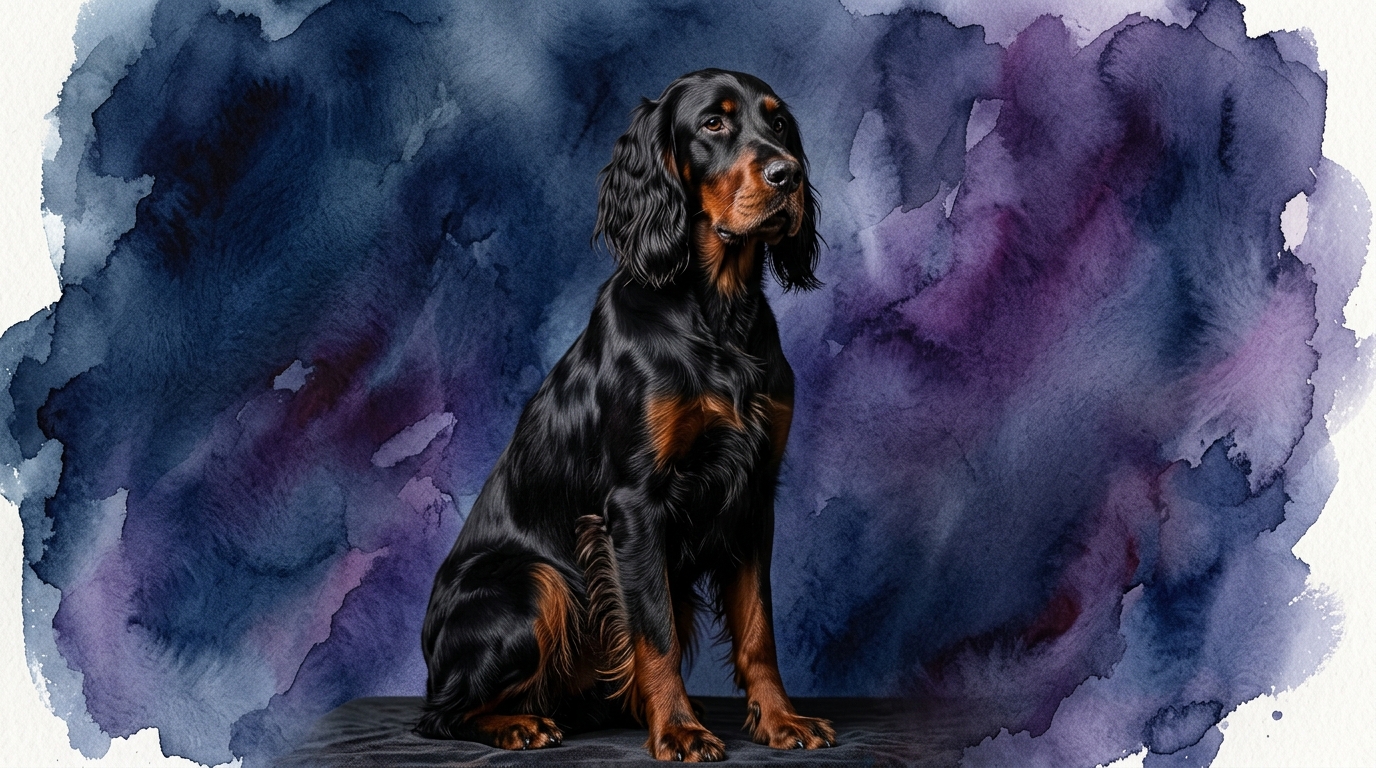
The Gordon Setter, recognized by Coren's ranking at #39, presents a cognitive profile indicative of a sharp, agile mind. Their problem-solving capacity scores a robust 4/5, suggesting an inherent ability to strategize and navigate novel situations, often figuring out solutions independently. Training speed also rates 4/5, meaning new commands and routines are typically grasped quickly, reflecting a strong capacity for associative learning and a desire to engage. Social intelligence at 3/5 indicates a competent understanding of human cues and pack dynamics, though perhaps not with the nuanced sensitivity of some companion breeds. Instinctive drive, also 3/5, points to a reliable but not overwhelming natural inclination for their original hunting tasks, while memory, at 4/5, ensures long-term retention of learned behaviors and experiences. This blend equips the Gordon Setter with both the quick wit and the enduring recall necessary for complex field work and home life.
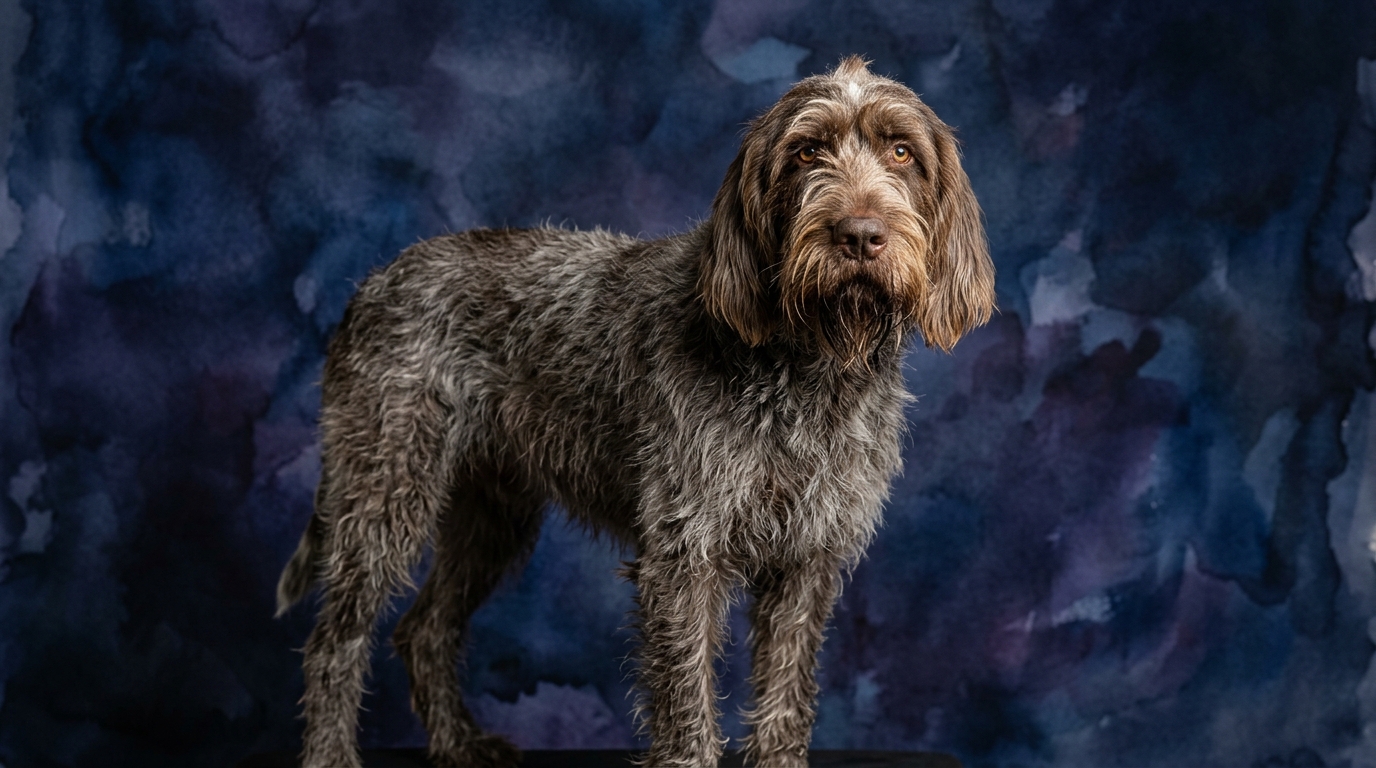
In contrast, the Spinone Italiano, while not included in Coren's widely cited rankings, demonstrates a steady and considered cognitive approach across the board. Their problem-solving abilities score 3/5, indicating a competent capacity to tackle challenges, often with a deliberate, thoughtful method rather than immediate, independent experimentation. Training speed likewise sits at 3/5, meaning they are perfectly capable of learning, though they may require more consistent repetition and patience to solidify new commands. Social intelligence, at 3/5, suggests a balanced understanding of their human companions, forming strong bonds based on mutual respect without excessive emotional dependency or over-sensitivity. Their instinctive drive, also 3/5, reflects a deep-seated but controlled desire for work, making them reliable partners in the field without being perpetually driven. Finally, their memory, at 3/5, supports consistent recall of training and experiences, albeit potentially requiring more reinforcement over time compared to breeds with higher scores. The Spinone’s profile paints a picture of a consistent, cooperative learner with a steady mental disposition.
Where Gordon Setter Wins Cognitively
The Gordon Setter's cognitive strengths distinctly shine in areas demanding rapid acquisition of information and independent strategic thinking. With a 4/5 in both problem-solving and training speed, they are often quicker to connect cause and effect, leading to faster mastery of complex sequences or multi-step tasks. For example, when faced with a new puzzle toy, a Gordon Setter is likely to experiment with various methods more rapidly and creatively until a solution is found, rather than waiting for guidance. This quick processing speed translates directly into their ability to learn new sporting commands, agility courses, or even household rules with fewer repetitions than many other breeds.
Furthermore, their 4/5 memory score provides a robust foundation for retaining these quickly learned lessons and past experiences over extended periods. This means a Gordon Setter is less likely to "forget" commands or routines even after a break, making them highly reliable for activities requiring a broad repertoire of behaviors. Their ability to recall specific past successes or failures helps them adapt their approach to new challenges more efficiently. This combination of rapid learning, effective problem-solving, and strong recall positions the Gordon Setter as a mentally agile companion, thriving in environments that offer continuous intellectual engagement and varied learning opportunities.
Where Spinone Italiano Wins Cognitively
While the Spinone Italiano may not exhibit the same rapid-fire cognitive processing as the Gordon Setter, their consistent 3/5 scores across all dimensions reveal a unique cognitive advantage: a thoughtful, steady, and cooperative intellect. Their 3/5 in problem-solving means they approach challenges with a deliberate, unhurried mindset, often preferring to collaborate with their human partner rather than acting entirely independently. This can be a significant benefit in situations where an owner prefers a dog that seeks guidance and works *with* them, rather than a dog constantly devising its own solutions, which might sometimes diverge from the owner's intent. Their method is often less about speed and more about careful consideration and partnership.
The Spinone’s balanced social intelligence (3/5) and instinctive drive (3/5) contribute to a highly predictable and emotionally stable cognitive presence. They are not prone to overthinking or excessive emotional responses, fostering a calm and steady demeanor that can be reassuring in various settings. This consistency means their reactions and learning patterns are often more uniform, making them less prone to erratic behavior or sudden shifts in focus. For owners who value a reliable, even-tempered companion who processes the world with a calm competence, the Spinone’s deliberate cognitive style offers a distinct advantage, promoting a harmonious and predictable partnership in both training and daily life.
Which Is Easier to Train and Why
Based on their respective cognitive profiles, the Gordon Setter generally presents as the easier breed to train, primarily due to their superior scores in training speed and memory. A Gordon Setter's 4/5 training speed means they form associations between commands and actions quickly, often requiring fewer repetitions to solidify a new behavior. This swift understanding makes initial training sessions more efficient and rewarding for both dog and owner. For instance, teaching a new trick or a complex retrieve pattern might take significantly less time with a Gordon Setter, as they process the instructions and desired outcomes more rapidly.
Coupled with their 4/5 memory, a Gordon Setter is also more likely to retain these learned behaviors over the long term, reducing the need for constant refreshers. This robust recall capacity means that once a command is learned, it tends to stick, allowing owners to progress to more advanced training or maintain a broad repertoire of skills without extensive review. In contrast, the Spinone Italiano’s 3/5 training speed and memory indicate a more deliberate learning process, requiring more consistent repetition and patience. While equally capable of learning, the Spinone will benefit from shorter, more frequent training sessions and a patient approach, as they take more time to ingrain new information and may need periodic reminders to maintain proficiency. Their thoughtful nature means they process information thoroughly, but not always quickly.
Which Suits Active Owners vs. Relaxed Owners
The Gordon Setter's cognitive makeup aligns well with active owners who enjoy engaging their canine companions in mentally stimulating activities and a dynamic lifestyle. Their 4/5 problem-solving and training speed mean they thrive on challenges, complex tasks, and consistent intellectual engagement, making them excellent partners for dog sports like agility, obedience, or advanced field trials. Owners who can provide ample opportunities for their Gordon Setter to use their sharp mind and strong memory in varied environments will find them incredibly fulfilling companions. This breed benefits from an owner who is prepared to keep them mentally occupied, beyond just physical exercise, to prevent boredom and ensure a well-adjusted temperament.
Conversely, the Spinone Italiano, with its consistent 3/5 scores across the board, is an ideal match for owners who appreciate a more relaxed, yet still active, pace of life and a thoughtful companion. While still a Sporting breed with a need for regular exercise, their deliberate problem-solving and steady training speed suggest they are less prone to demanding constant, high-intensity mental stimulation. They are cooperative and enjoy working alongside their human, making them suitable for owners who prefer a steady, predictable training approach and a dog that is content with a moderate level of engagement, perhaps enjoying long, exploratory walks or less competitive field work. The Spinone thrives with an owner who values a calm presence and a dog that approaches life with considered competence rather than constant urgency, offering a harmonious blend of activity and tranquility.
The Verdict
If you seek a cognitively agile partner who learns quickly, excels at problem-solving, and thrives on consistent mental challenges and varied activities, the Gordon Setter is an excellent choice.
Opt for the Spinone Italiano if you prefer a thoughtful, steady companion who learns deliberately, values cooperation, and offers a calm, predictable presence in a moderately active household.
🧠 Find Your Pet's IQ Score
Our Pet IQ Lab assessment covers 25+ tests across 5 cognitive dimensions — personalized to your breed.
Take the Full IQ Test →Frequently Asked Questions
Does a Coren rank make a dog 'smarter'?
Coren's ranking primarily assesses "working and obedience intelligence," reflecting how quickly a dog learns commands and responds to them. It doesn't encompass all facets of canine cognition, such as problem-solving in novel situations or social understanding, which can be equally important.
Can a Spinone Italiano be good at dog sports despite lower training speed?
Absolutely. While they may take longer to master new skills, the Spinone Italiano's consistent drive and cooperative nature mean they can excel in many dog sports with patient, consistent training. Their endurance and thoughtful approach can be assets in activities like tracking or scent work.
How do their social intelligence scores impact their family life?
Both breeds have a 3/5 social intelligence score, indicating they are generally good family companions. This suggests a balanced understanding of human dynamics, forming strong bonds without being overly clingy or excessively independent, making them adaptable to various household environments.