Side-by-Side IQ Profile: Unpacking Identical Scores
It's rare to find two breeds with identical scores across all five intelligence dimensions, making this comparison particularly insightful. Both the Irish Red and White Setter and the Norfolk Terrier score a consistent 3/5 in Problem Solving, Training Speed, Social Intelligence, Instinctive Drive, and Memory. However, these scores are not monolithic; their manifestation is deeply rooted in each breed's historical purpose and inherent temperament.
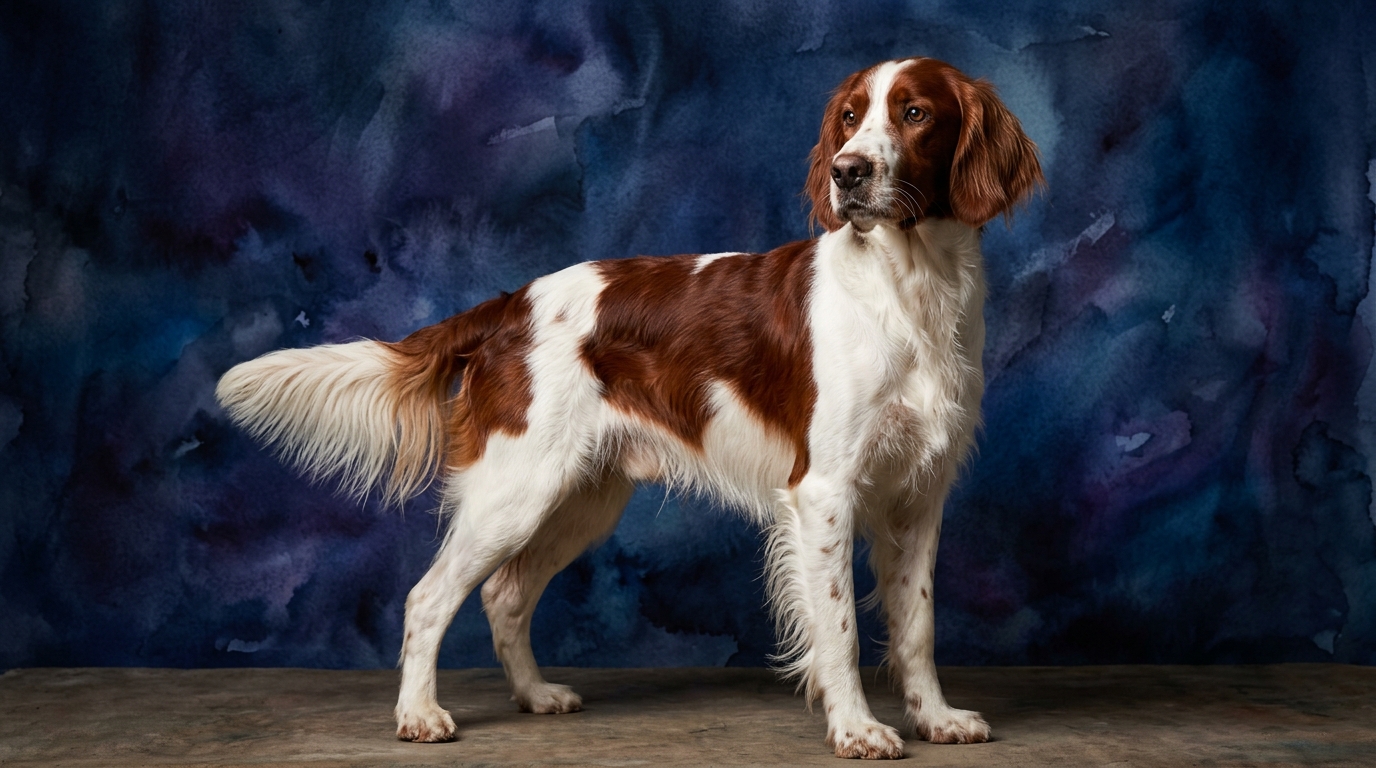
For the Irish Red and White Setter, a 3/5 in Problem Solving translates to practical intelligence in field settings. They are adept at navigating complex terrains, understanding the nuances of scent trails, and executing multi-step retrieval tasks, often under the guidance of a handler. Their Training Speed at 3/5 indicates a moderate pace of learning, where consistency and positive reinforcement linked to their natural drives yield reliable results. Social Intelligence (3/5) highlights their capacity for deep bonds and sensitivity to human cues, making them highly cooperative partners. Their Instinctive Drive (3/5) is primarily focused on bird work—pointing and retrieving—channeled into purposeful collaboration. Finally, their Memory (3/5) allows them to recall commands, locations, and routines effectively, especially when tied to positive experiences and their working role.
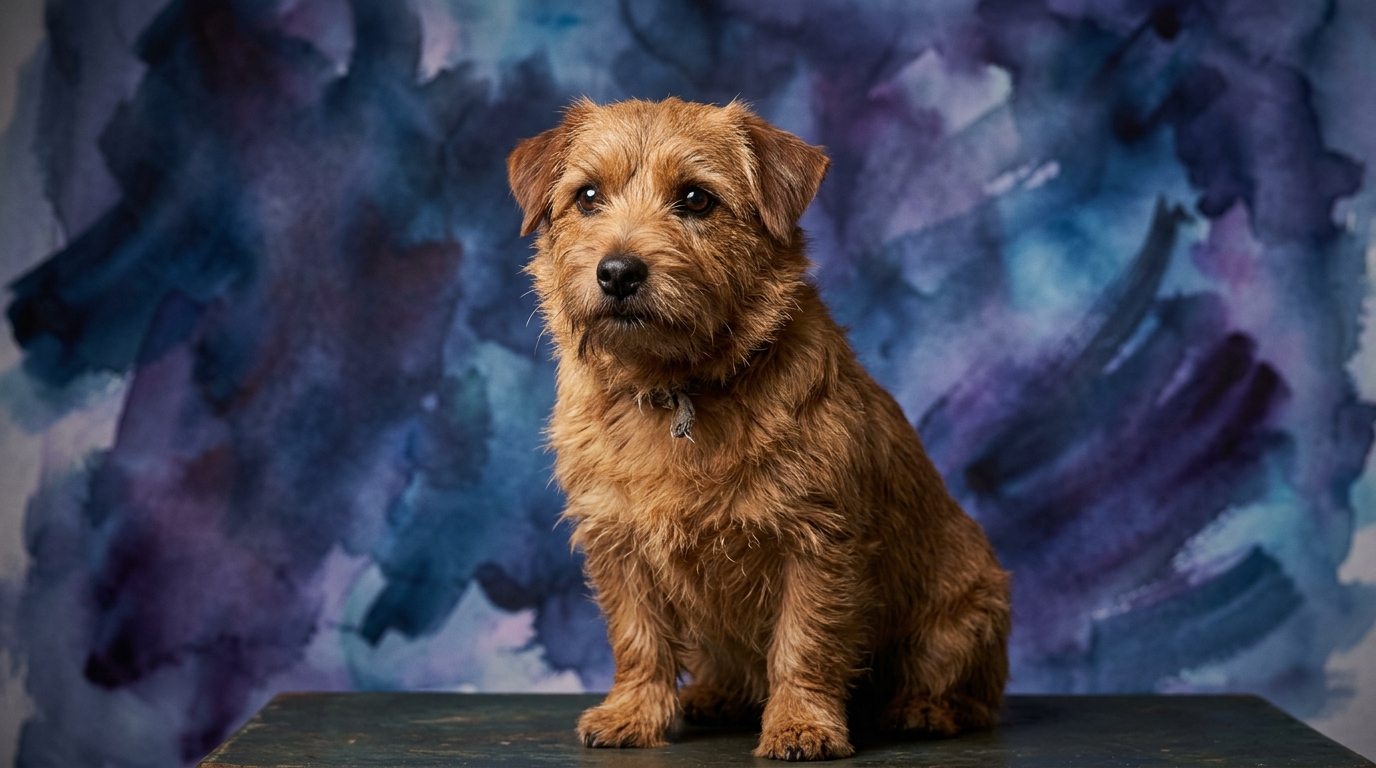
The Norfolk Terrier, while sharing the same scores, expresses them differently. Their 3/5 in Problem Solving often manifests as independent resourcefulness; they are clever at figuring out how to access tight spaces, outwit small 'prey' (like a squeaky toy under furniture), or overcome minor obstacles through persistent effort. Training Speed at 3/5 means they learn, but their independent streak can sometimes make consistent execution a delightful challenge, requiring engaging and varied methods. Social Intelligence (3/5) means they are highly attuned to their family's dynamics and can be quite expressive of their needs and desires, forming strong, often opinionated, bonds. Their Instinctive Drive (3/5) is a strong urge to hunt small vermin, dig, and explore, driven by a tenacious terrier spirit. Their Memory (3/5) is robust for people, places, and routines, particularly those that involve excitement or a 'win' in their self-directed pursuits.
Where the Irish Red and White Setter Shines Cognitively
The Irish Red and White Setter's cognitive strengths lie in their capacity for cooperative, sustained effort. Their 3/5 in Problem Solving, when combined with their social intelligence, makes them exceptional at tasks requiring a partnership with a human. They excel in scenarios where they need to interpret subtle body language or vocal commands to complete a complex sequence, such as quartering a field systematically or executing a blind retrieve over varied terrain. Their memory is particularly strong for sequences of actions and established routines that contribute to a shared goal, making them reliable partners in activities like obedience, rally, or field trials.
Furthermore, their instinctive drive, while rated 3/5, is inherently geared towards working *with* a human. This translates to an impressive ability to maintain focus on a task for extended periods, especially when engaged in scent work or retrieving. They are less likely to abandon a given task for an independent pursuit compared to a terrier, demonstrating a superior capacity for directed, collaborative attention. This makes them particularly adept at learning and performing multi-stage tasks that require a human-directed flow.
Where the Norfolk Terrier Excels Cognitively
The Norfolk Terrier's cognitive prowess is best observed in situations demanding independent thought, tenacity, and quick decision-making. Their 3/5 in Problem Solving is less about following complex human instructions and more about figuring things out for themselves in a dynamic environment. They are masters of creative maneuvering, whether it's finding a way through a hedge, digging persistently to unearth a hidden object, or devising a strategy to get attention. This self-directed problem-solving makes them surprisingly adaptable and resourceful in novel situations.
Their instinctive drive, also 3/5, fuels a remarkable determination. When a Norfolk Terrier decides on a course of action, their memory of past successes (3/5) and their independent problem-solving combine to create a formidable, persistent approach. This makes them excellent at tasks like earthdog trials, where they must navigate tunnels and respond to simulated prey without direct human intervention. They possess a keen awareness of their surroundings, often picking up on subtle environmental changes or sounds that might go unnoticed by other breeds, showcasing their alert social intelligence in monitoring their territory and family.
Training Dynamics: Cooperation vs. Tenacity
Despite identical 3/5 scores in Training Speed, the practical experience of training these two breeds can feel quite different due to their inherent motivations and historical roles. The Irish Red and White Setter is generally perceived as easier to train for cooperative obedience and complex tasks. Their Sporting group heritage means they are bred to work in close partnership with humans, and their social intelligence (3/5) manifests as a strong desire to please and respond to their handler's cues. They thrive on positive reinforcement and consistent methods, quickly internalizing commands that align with their retrieving and pointing instincts. Their focus is often on the human-dog team.
The Norfolk Terrier, while equally capable of learning at a 3/5 speed, presents a different training challenge. Their Terrier group background emphasizes independence and tenacity, not necessarily eager cooperation. While they understand commands, their problem-solving (3/5) and instinctive drive (3/5) often lead to 'selective hearing' when something more stimulating (like a compelling scent or a perceived 'prey' target) captures their attention. Training a Norfolk requires creativity, engagement, and unwavering consistency to maintain their interest and prevent boredom. They need to believe the training is their idea or offers a better reward than their independent pursuits; otherwise, their self-directed nature will take over, making off-leash reliability a significant achievement.
Matching Lifestyles: Active Explorers vs. Spirited Companions
Both breeds benefit immensely from active owners, but the *nature* of that activity differs significantly. The Irish Red and White Setter is an endurance athlete, requiring substantial physical exercise daily, such as long runs, hikes, or vigorous field work. Their active owner is one who enjoys sustained outdoor adventures and is prepared to incorporate their dog into these lengthy excursions. Beyond physical exertion, they also need mental stimulation through consistent training, scent games, or dog sports that leverage their cooperative drives. A relaxed owner who cannot provide this level of consistent, prolonged activity will likely find their Setter restless and potentially destructive.
The Norfolk Terrier also requires an active approach from their owner, though their physical needs are for bursts of energy rather than sustained endurance. Daily walks, engaging play sessions, and opportunities for mental challenges like puzzle toys, agility, or urban exploration are crucial. Their active owner is one who can provide varied, stimulating interactions and consistent mental enrichment throughout the day, preventing boredom and channeling their tenacious energy. While they can adapt to smaller living spaces, a truly 'relaxed' owner who offers minimal engagement will find their Norfolk inventing their own (often mischievous) activities to satisfy their problem-solving and instinctive drives.
The Verdict
Choose the Irish Red and White Setter if you seek a highly cooperative, athletic canine partner for extensive outdoor adventures and enjoy consistent, positive reinforcement training focused on teamwork.
Opt for the Norfolk Terrier if you appreciate a spirited, tenacious, and independently clever companion in a smaller package, ready for engaging mental challenges and varied, stimulating play sessions, understanding their need for creative and consistent training to channel their strong will.
🧠 Find Your Pet's IQ Score
Our Pet IQ Lab assessment covers 25+ tests across 5 cognitive dimensions — personalized to your breed.
Take the Full IQ Test →Frequently Asked Questions
Do Irish Red and White Setters make good family dogs?
Yes, their social intelligence (3/5) makes them affectionate and generally good with children, thriving on companionship and interaction within the family unit. They require proper socialization and ample exercise to be calm and well-mannered within the family setting, preventing restlessness.
Are Norfolk Terriers good for apartment living?
With sufficient mental stimulation, engaging play, and daily walks, Norfolk Terriers can adapt to apartment living due to their smaller size. However, their instinctive drive (3/5) means they need consistent outlets for exploring, 'hunting' (even toys), and digging, which must be managed through structured activities.
Despite similar IQ scores, why do their training approaches differ?
While both score 3/5 in training speed, their differing instinctive drives and problem-solving styles dictate varied approaches. Setters thrive on cooperative, positive reinforcement methods aligned with their desire to please, whereas Terriers require more engaging, varied, and consistent training to overcome their independent streak and tenacious focus on self-directed tasks.