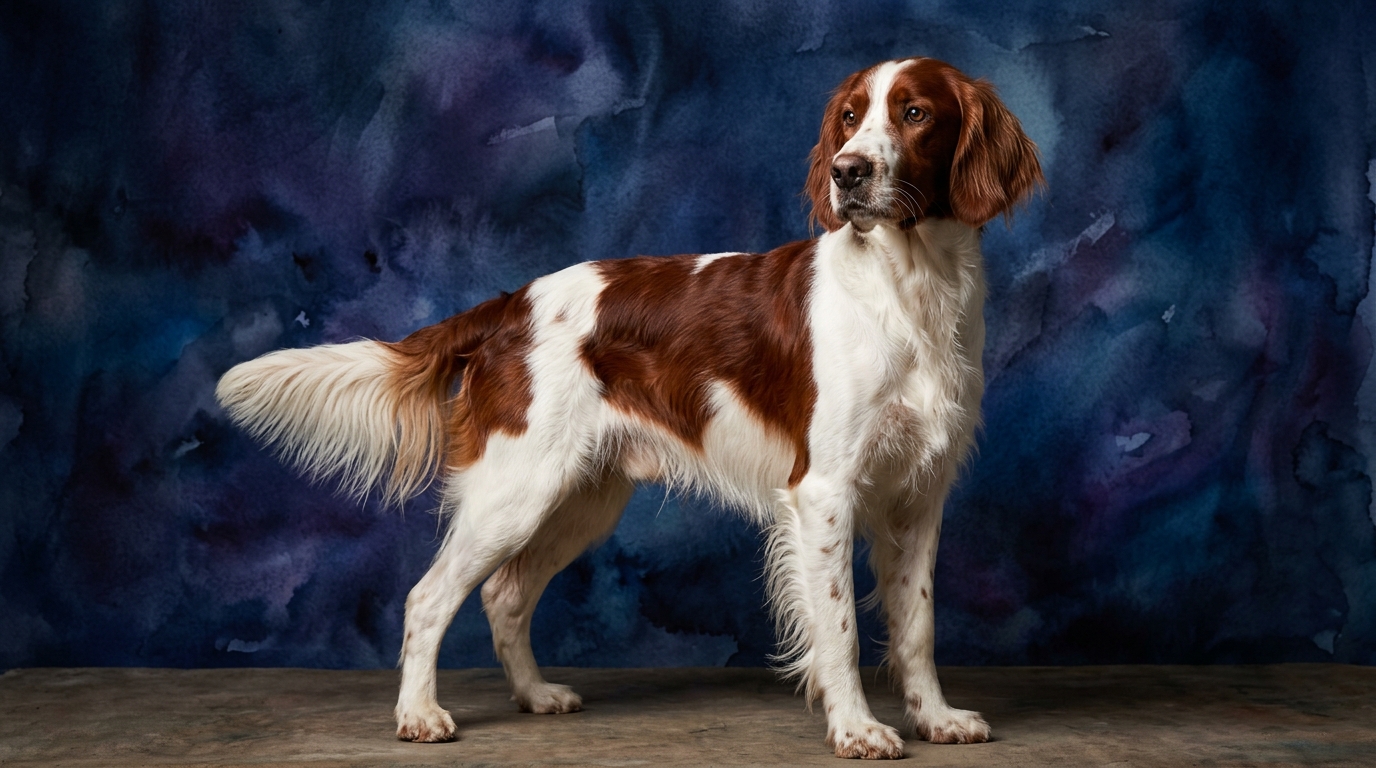

Side-by-Side Cognitive Profiles: Decoding the 3/5 Scores
While both breeds register a 3 out of 5 in problem-solving, training speed, social intelligence, instinctive drive, and memory, the *nature* of these cognitive strengths diverges significantly due to their distinct working heritage. It's not just about the score, but how that score translates into their unique ways of interacting with the world and their human companions.
For the Irish Red and White Setter, a Sporting dog, their **Problem Solving (3/5)** often revolves around tasks requiring cooperation and focus, such as locating game in varied terrain or navigating obstacles to retrieve. They excel at deciphering handler cues and understanding sequences in a structured environment. Their **Training Speed (3/5)** reflects a moderate learning pace, where consistent, positive reinforcement yields steady progress, largely fueled by their desire to engage and please their human partners. Their **Social Intelligence (3/5)** is typically expressed through an affable nature, a keen ability to read human emotions, and a general openness to new people and situations, thriving on integration into family life. The Setter's **Instinctive Drive (3/5)** is primarily geared towards pointing, flushing, and retrieving birds, a cooperative drive that is highly valued in the field and easily channeled into dog sports. Finally, their **Memory (3/5)** is strong for routines, commands, and specific locations where positive experiences or successful hunts have occurred, aiding in consistent performance.
Conversely, the Rhodesian Ridgeback, a member of the Hound group, demonstrates its **Problem Solving (3/5)** through a more independent and strategic lens. Bred to track and hold large game, their cognitive efforts often involve assessing situations, making autonomous decisions, and finding solutions without direct human intervention, such as figuring out escape routes or outsmarting perceived threats. Their **Training Speed (3/5)** is also moderate, but their learning process can be influenced by their strong will and discerning nature; they may require more convincing that a command is worthwhile or relevant. The Ridgeback's **Social Intelligence (3/5)** manifests as a reserved discernment, quickly assessing strangers and forming deep, protective bonds with their immediate family. They are astute at reading the nuances of their 'pack' dynamics but less inclined to offer indiscriminate friendliness. Their **Instinctive Drive (3/5)** is a potent blend of tracking, guarding, and a moderate prey drive, often expressed with remarkable determination and stamina. This drive is inherently more self-reliant. Their **Memory (3/5)** is notable for retaining information about territory, family members, and past interactions, contributing to their excellent guarding capabilities and ability to remember perceived slights or positive encounters with individuals.
Where the Irish Red and White Setter Shines Cognitively
The Irish Red and White Setter's cognitive strengths truly come to the fore in scenarios demanding collaborative effort and a desire to work alongside a human. Their 3/5 problem-solving ability is exceptionally applied to tasks where handler input is key, such as complex obedience routines, agility courses, or navigating scent trails under direction. They excel at understanding and anticipating human signals, making them highly responsive partners in shared activities.
Furthermore, their social intelligence, while rated the same, leans towards an outward expressiveness and adaptability that makes them more readily integrate into diverse social settings. They are often quicker to accept new people and animals, using their cognitive capacity to understand and adapt to varied social cues in a broad range of environments. This makes them particularly adept at roles requiring public interaction or frequent encounters with unfamiliar individuals, where their amiable nature and ability to read general human intentions are assets.
Where the Rhodesian Ridgeback Holds a Cognitive Edge
The Rhodesian Ridgeback's cognitive prowess is most evident in situations demanding independent thought, resilience, and a discerning nature. Their 3/5 problem-solving score translates into a remarkable capacity for self-sufficiency, particularly in tasks involving strategic assessment of their environment or a perceived challenge. They are adept at figuring out how to achieve a goal even when direct instructions are absent, demonstrating an innate ability to plan and execute.
Their social intelligence, while equally rated, provides an advantage in discernment and protective judgment. They use their cognitive abilities to quickly assess the intentions of strangers, making them exceptional at identifying potential threats or unwelcome visitors. This isn't just instinct; it's a calculated evaluation of body language, tone, and context. Their memory supports this by retaining specific details about individuals and events, allowing them to form reliable judgments over time, contributing to their role as a steadfast guardian.
Training Dynamics: Which Breed is More Amenable?
When considering ease of training, the Irish Red and White Setter generally presents a more straightforward experience for most owners. Their cooperative nature and inherent desire to please their human companions mean they often approach training sessions with eagerness. They respond well to positive reinforcement methods, and their instinctive drives for retrieving and scent work can be effectively channeled into structured learning, making them highly motivated students. Their focus is typically directed towards the handler, making it easier to maintain attention during lessons.
The Rhodesian Ridgeback, despite an identical 3/5 training speed, can be more challenging due to their independent and discerning temperament. They possess a strong will and may question the necessity of a command if it doesn't align with their perceived purpose or logic. Training a Ridgeback requires a confident, consistent, and patient handler who can establish clear boundaries and motivate them through engaging, fair methods. They are not dogs for rote repetition; they thrive on mental stimulation and understanding the 'why' behind a command. Early and extensive socialization is crucial to temper their natural wariness and channel their protective instincts appropriately.
Matching Breeds to Lifestyles: Active vs. Relaxed Owners
Both the Irish Red and White Setter and the Rhodesian Ridgeback are breeds that require active engagement, making them unsuitable for truly relaxed, sedentary lifestyles. However, the *type* of activity and interaction they thrive on differs.
The Irish Red and White Setter is an ideal companion for active owners who enjoy participating in outdoor sports, hiking, or dog-related activities like agility, obedience, or field trials. They thrive on having a job to do and appreciate structured physical and mental stimulation that allows them to work collaboratively. Owners who are prepared to dedicate significant time to training and shared activities will find a highly engaged and responsive partner in the Setter.
The Rhodesian Ridgeback also demands rigorous exercise and mental engagement, but they are perhaps better suited for experienced, active owners who appreciate a strong-willed, independent companion. Their exercise needs are significant, requiring long walks, runs, or secure off-leash play. Beyond physical activity, they need mental challenges that engage their problem-solving and discerning instincts, such as advanced obedience, tracking, or protection sports. While they can be calm indoors, this calm is earned through sufficient physical and mental exertion, and they are not a breed that will be content with minimal interaction.
The Verdict
Choose the Irish Red and White Setter if you seek a highly cooperative, eager-to-please companion for active, engaged owners who appreciate a dog that thrives on shared activities and consistent, positive training.
Opt for the Rhodesian Ridgeback if you are an experienced, active owner valuing a discerning, independent, and protective companion with a strong will and the capability for self-reliant decision-making.
🧠 Find Your Pet's IQ Score
Our Pet IQ Lab assessment covers 25+ tests across 5 cognitive dimensions — personalized to your breed.
Take the Full IQ Test →Frequently Asked Questions
Are Irish Red and White Setters good family dogs?
Yes, Irish Red and White Setters are generally excellent family dogs, known for their affectionate and gentle nature. They tend to be good with children and other pets, provided they receive proper socialization and training from a young age. Their social intelligence and eagerness to be part of the family make them adaptable companions.
Do Rhodesian Ridgebacks bark a lot?
Rhodesian Ridgebacks are not typically excessive barkers, but they will use their voice to alert their family to perceived threats or unusual occurrences. Their barking is often purposeful, serving as a warning or to express their strong guarding instincts. Proper training can help manage any unwanted vocalizations.
What kind of exercise do these breeds need?
Both breeds require substantial daily exercise. Irish Red and White Setters need vigorous activity like long runs, hikes, or field work, totaling at least an hour or two daily. Rhodesian Ridgebacks also need significant exercise, including long walks, runs, or secure off-leash play, often benefiting from mentally stimulating activities like tracking or agility in addition to physical exertion.