A Side-by-Side Look at Cognitive Profiles
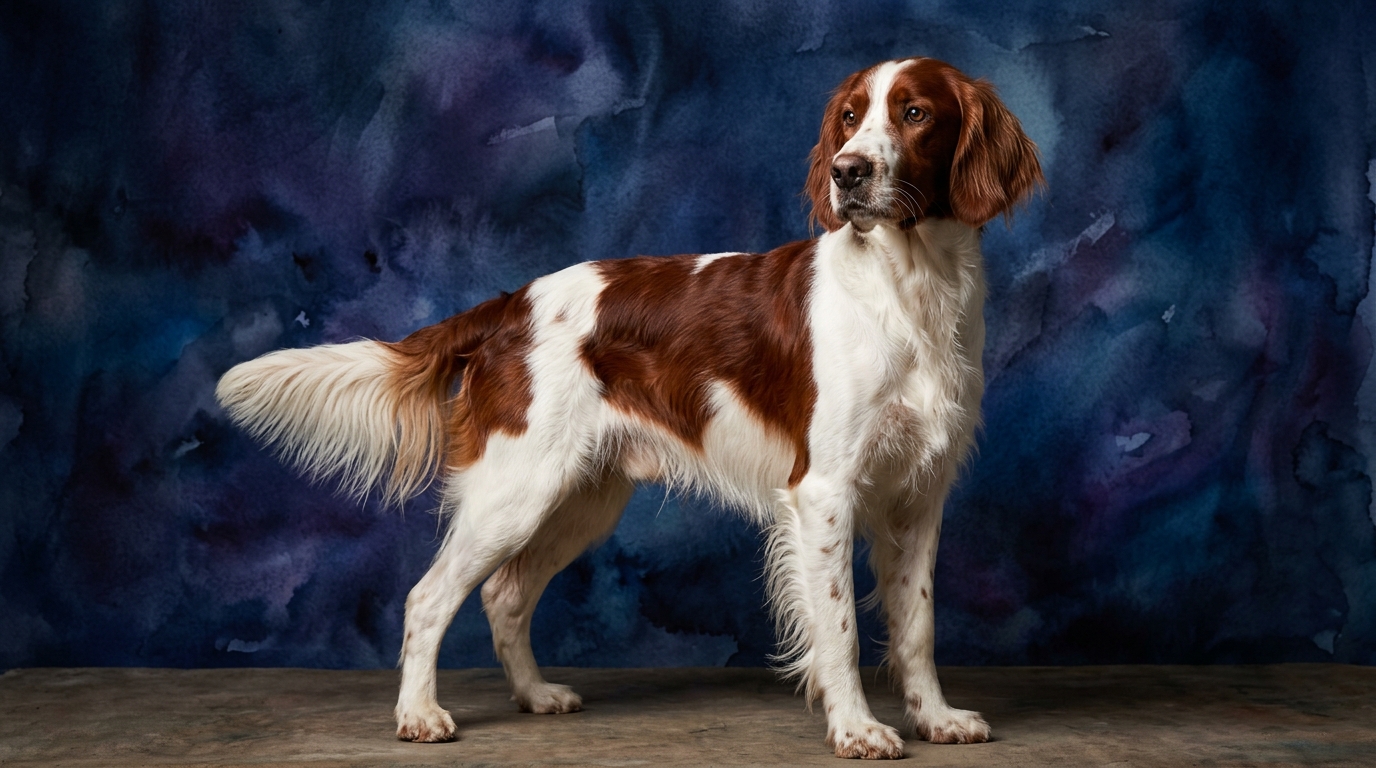
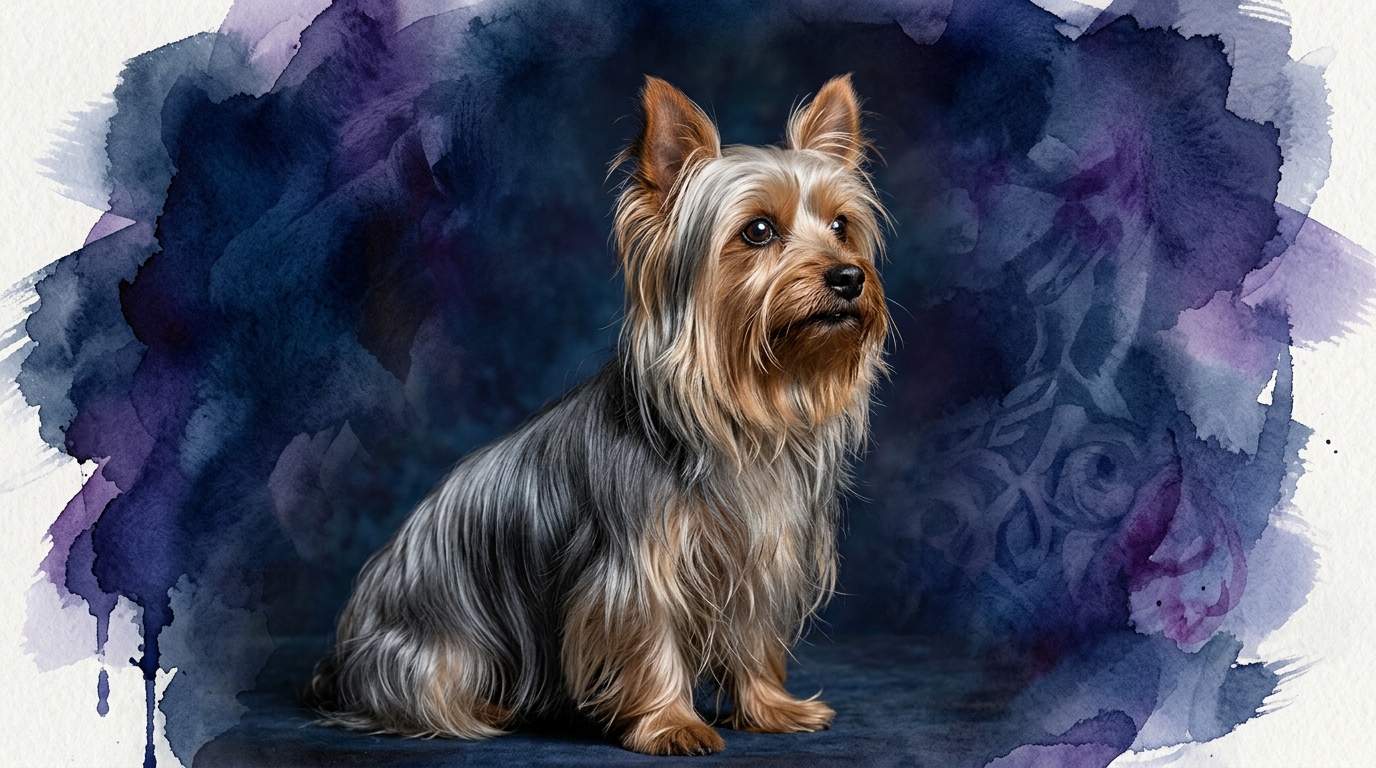
Despite their differing origins—the Irish Red and White Setter (IRWS) as a Sporting dog and the Silky Terrier (ST) as a Toy breed—our Pet IQ Lab assessment gives both breeds a 3/5 rating across all five cognitive dimensions. This numerical equality, however, belies a rich tapestry of behavioral differences shaped by their respective historical roles and physical attributes.
For Problem Solving (3/5), the IRWS typically exhibits practical, adaptive thinking in dynamic, outdoor environments, such as navigating varied terrain to locate game or figuring out the most efficient path to a retrieve. Their cognitive efforts are often directed towards environmental challenges. The Silky Terrier's problem-solving, conversely, often manifests in domestic cunning; they might skillfully figure out how to gain access to a forbidden treat, manipulate objects for play, or strategically position themselves for maximum human attention.
In Training Speed (3/5), both breeds grasp commands at a moderate pace, but the context differs. The IRWS, with its strong environmental awareness, might be slower to generalize commands in distracting outdoor settings, requiring consistent, engaging training to maintain focus. The Silky Terrier can also be quick to pick up both desired and undesired behaviors, sometimes exhibiting a 'what's in it for me?' attitude, which requires a handler to be equally clever in motivation. Their small size doesn't diminish their capacity for learning, but their tenacity can make them selective learners.
Social Intelligence (3/5) in the IRWS often revolves around cooperative interaction, understanding human cues for working partnerships, and generally being agreeable within a family or pack structure. They are sensitive to their handler's moods but primarily driven by companionship and shared activity. The Silky Terrier's social intelligence is highly tuned to its human family, forming strong bonds and often being acutely perceptive of owner emotions and routines, which they may leverage for their own comfort or advantage. They can be more selective in their social circles, often exhibiting a 'big dog' confidence in their interactions.
Instinctive Drive (3/5) for the IRWS is deeply rooted in hunting and retrieving; they possess a strong urge to explore, follow scents, and work collaboratively. This drive is a powerful motivator that needs appropriate outlets to prevent restlessness. The Silky Terrier's instinctive drive, characteristic of terriers, includes chasing small prey, digging, and guarding. In a domestic setting, this translates into vigilant barking, energetic play with toys, and a determined 'management' of their immediate territory, often with a fiercely independent spirit.
Finally, Memory (3/5) for the IRWS aids in consistent fieldwork, recalling scent trails, specific locations, and learned routines over vast areas. This cognitive ability ensures their reliability in tasks like remembering where a bird was flushed or the layout of a field. The Silky Terrier's memory is excellent for daily routines, the location of favored items (like treats or toys), and past interactions. They tend to remember specific commands, the people associated with them, and can even recall past perceived injustices, influencing future behaviors.
Where the Irish Red and White Setter Shines Cognitively
The Irish Red and White Setter’s cognitive strengths are deeply intertwined with its sporting heritage, making it excel in areas requiring sustained engagement with complex outdoor environments. While scoring 3/5, their problem-solving and memory are particularly suited for tasks involving spatial awareness and navigation over varied terrains. An IRWS can efficiently cover large areas, recall specific landmarks or scent locations, and maintain focus on a distant objective, showcasing a sophisticated form of practical intelligence.
Their social intelligence, while rated 3/5, is particularly adept at cooperative problem-solving with a human handler. This involves reading subtle body language, anticipating commands, and working in sync during dynamic activities like field trials or long walks. This partnership-oriented cognition allows them to excel in tasks that require coordinated effort and a shared objective, distinguishing their social acuity from breeds primarily focused on individual interaction.
The IRWS also demonstrates considerable cognitive endurance. Their physical stamina directly supports their mental capacity for sustained tasks, enabling them to remain engaged in scent work or training for extended periods. This ability to maintain mental effort over time is a significant advantage for owners seeking a dedicated and persistent companion for demanding activities.
Where the Silky Terrier Excels Cognitively
The Silky Terrier, despite its diminutive size, possesses a vibrant cognitive profile that excels in domestic and social contexts. Their 3/5 problem-solving ability often manifests as clever resourcefulness within the home, allowing them to figure out how to access desired objects, navigate complex furniture arrangements, or even 'train' their owners through charming persistence. This makes them adept at manipulating their immediate environment to their advantage.
Their social intelligence, also rated 3/5, is particularly strong in emotional attunement. Silky Terriers are often highly perceptive of human moods, routines, and nuances, using this understanding to foster close bonds and elicit attention or comfort. This keen awareness allows them to integrate seamlessly into family dynamics, often becoming the central, observant figure in the household.
The Silky's instinctive drive, while rated 3/5, translates into exceptional vigilance and rapid processing of sensory input within their territory. They are quick to alert their owners to new sounds or sights, making them effective watchdogs. This quick assessment of their surroundings demonstrates a focused cognitive energy directed towards protection and awareness, a trait highly valued in a companion animal for home security.
Training Dynamics: Irish Red and White Setter vs. Silky Terrier
Both the Irish Red and White Setter and the Silky Terrier receive a 3/5 for Training Speed, yet the approach and challenges associated with training them differ significantly due to their inherent temperaments and drives. The IRWS, a sporting dog, requires a training regimen that acknowledges its strong hunting instincts and potential for environmental distraction. While capable of learning at a moderate pace, their focus can easily be drawn to scents or movement in an outdoor setting, necessitating consistent, patient, and engaging positive reinforcement to channel their energies productively. Early socialization and impulse control training are crucial to help them manage their natural desire to range and explore.
The Silky Terrier, a tenacious toy breed, also learns at a moderate pace, but their small stature and spirited personality present different training considerations. They can be quick to grasp commands but are equally adept at developing 'selective hearing' or stubborn streaks if not properly motivated or if boundaries are inconsistent. Their keen social intelligence means they may attempt to outsmart their handler for desired outcomes, requiring firm, consistent, and positive reinforcement from a young age. Owners must be diligent in teaching manners and preventing small-dog syndrome, where undesirable behaviors are inadvertently reinforced due to their 'cuteness.' Without appropriate mental stimulation and clear guidance, their instinctive drives can lead to nuisance barking or digging within the home environment.
Matching Cognitive Profiles to Lifestyles: Active vs. Flexible Owners
For owners seeking a partner whose cognitive abilities align with an active, outdoor-oriented lifestyle, the Irish Red and White Setter is an excellent choice. Their problem-solving, instinctive drive, and memory are geared towards sustained physical and mental engagement in expansive environments. Owners who enjoy activities such as long hikes, scent work, dog sports like agility or obedience, or even extensive daily outdoor exploration will find their IRWS thrives on these challenges. A less active owner might struggle to provide the necessary outlets for their Setter's inherent drives, potentially leading to boredom-induced behaviors that are misconstrued as lack of intelligence.
The Silky Terrier, while a Toy breed, is better suited for owners who are flexible but not necessarily 'relaxed' in the sense of neglecting mental engagement. Their 3/5 instinctive drive and problem-solving skills require consistent mental stimulation, which can be provided through interactive toys, puzzle feeders, short, engaging training sessions, and regular social interaction. While adaptable to apartment living, they still require daily walks and structured playtime to satisfy their curious minds and energetic spirits. An owner who underestimates the Silky's cognitive needs and fails to provide appropriate outlets might find their spirited companion developing nuisance barking, territorial behaviors, or mischievous antics as they direct their problem-solving skills toward 'managing' the household in their own way.
The Verdict
Choose the Irish Red and White Setter when you seek a cooperative partner for extensive outdoor adventures and structured activities, valuing a dog whose cognitive abilities are honed for field work and sustained engagement with the environment and handler.
Opt for the Silky Terrier when you desire a spirited, observant companion who excels in domestic settings, appreciating a dog whose keen social and problem-solving skills make for an engaging, albeit sometimes assertive, household member.
🧠 Find Your Pet's IQ Score
Our Pet IQ Lab assessment covers 25+ tests across 5 cognitive dimensions — personalized to your breed.
Take the Full IQ Test →Frequently Asked Questions
Do their identical IQ scores mean they are equally easy to train?
No, while both score 3/5 in Training Speed, the manifestation differs significantly. The Irish Red and White Setter's training is influenced by its strong hunting drive and need for expansive physical outlets, requiring patient redirection of focus from environmental stimuli. The Silky Terrier, conversely, needs consistent boundary setting to prevent its domestic cleverness and terrier tenacity from leading to selective hearing or charming manipulation.
How does 'Instinctive Drive' differ between these breeds, given both are 3/5?
For the Irish Red and White Setter, a 3/5 instinctive drive points to a strong desire for scent work, ranging, and cooperative hunting activities, demanding outlets like field sports or long exploratory walks. The Silky Terrier's 3/5 drive manifests as robust terrier traits, including vigilance, chasing small critters, and a determined guarding instinct within its home territory, often requiring structured play and mental challenges indoors.
Are either of these breeds suitable for first-time dog owners?
Both breeds can be suitable for first-time owners who are committed to understanding their specific breed traits and investing in consistent training and socialization. The Irish Red and White Setter requires an owner prepared for significant exercise and patient, engaging training to channel its sporting drives. The Silky Terrier needs an owner dedicated to firm, positive reinforcement to manage its spirited terrier personality and prevent small-dog syndrome, ensuring it learns appropriate manners.