Side-by-Side Cognitive Profiles: Irish Setter vs. American Foxhound
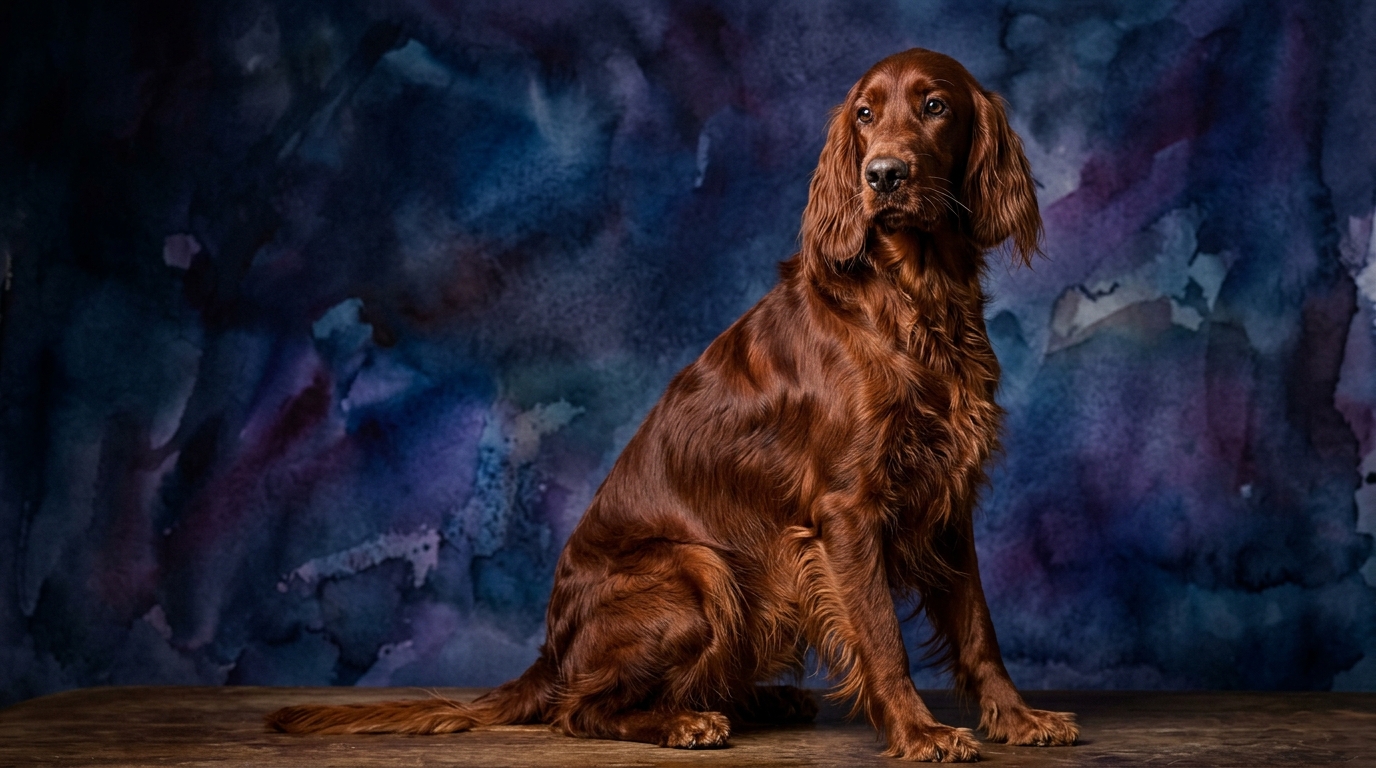
The Irish Setter, a vibrant member of the Sporting Group, demonstrates a cognitive profile indicative of its role as a responsive hunting companion. Ranked #35 by Coren for working intelligence, its Problem Solving ability is rated 4/5, suggesting an aptitude for navigating novel situations and understanding cause-and-effect. Training Speed also scores 4/5, highlighting a quick grasp of new commands. Social Intelligence stands at 3/5, indicating a cooperative nature with humans, while Instinctive Drive is 3/5, reflecting a manageable but present prey drive. A Memory score of 4/5 means learned lessons are well-retained, contributing to its overall trainability and adaptability.
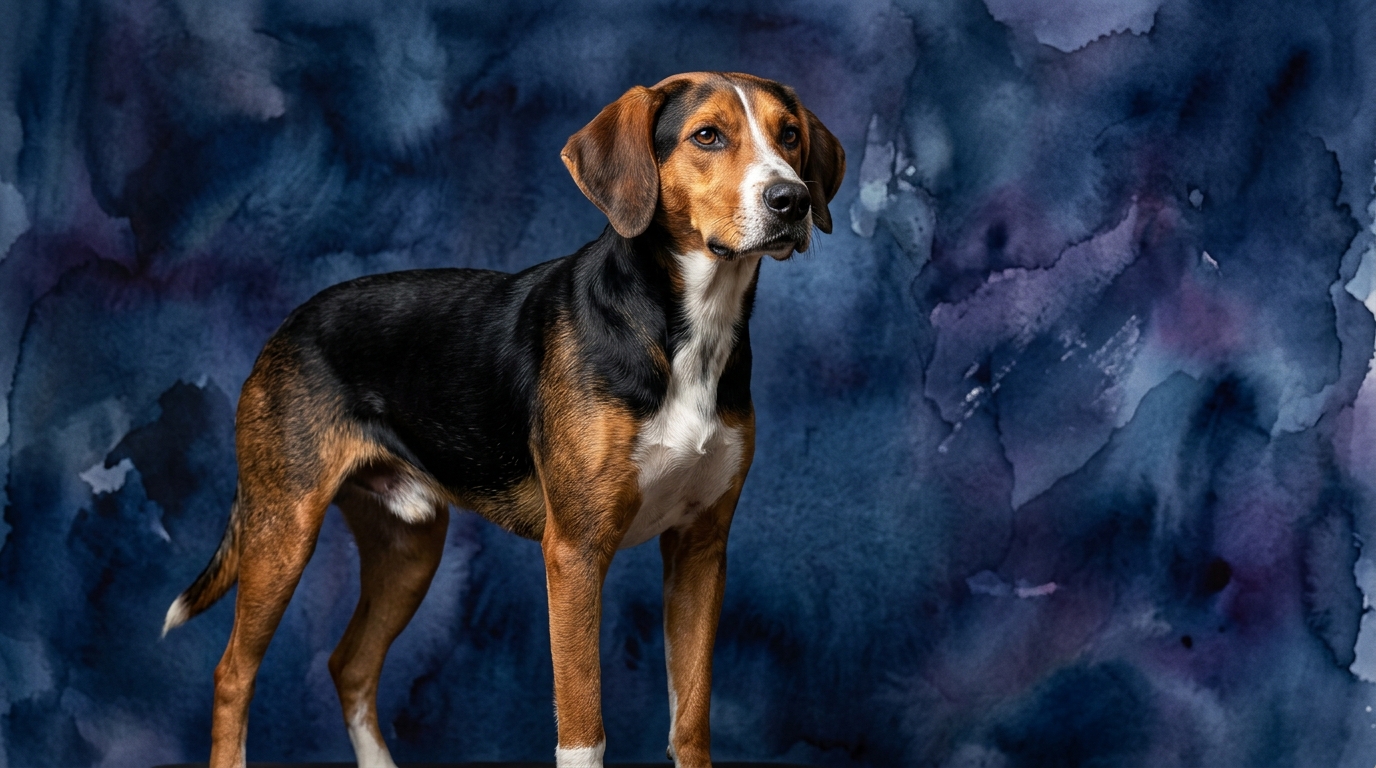
In contrast, the American Foxhound, a dedicated Hound, possesses a specialized intelligence shaped by centuries of independent pursuit. Not appearing on Coren's list, its cognitive strengths are geared towards endurance and scent work. Its Problem Solving ability is rated 3/5, suggesting it can work through challenges, often with persistence, particularly when related to its primary drive. Training Speed also sits at 3/5, meaning it learns steadily but may require more consistency. Social Intelligence is 3/5, similar to the Setter, indicating a generally agreeable disposition. Instinctive Drive is 3/5, specifically a powerful focus on scent, and its Memory is 3/5, sufficient for recalling trails and learned routines.
Where the Irish Setter Holds a Cognitive Edge
The Irish Setter's superior scores in Problem Solving (4/5) and Training Speed (4/5) grant it a distinct advantage in rapid learning and adaptability. This breed tends to grasp new commands and complex sequences more quickly than the American Foxhound, making them highly receptive to varied training methodologies, from basic obedience to advanced canine sports. Owners often report that Setters seem to 'figure things out' with a certain elegance, whether it's manipulating a puzzle toy or understanding subtle human cues.
Furthermore, the Setter's robust Memory (4/5) complements its quick learning, ensuring that once a lesson is learned, it tends to stick. This cognitive strength translates into a dog that builds upon its knowledge base efficiently, leading to a more consistently responsive and predictable companion in diverse environments. Their cognitive agility makes them excellent candidates for roles requiring nuanced understanding and quick decisions, such as advanced agility or competitive obedience.
The American Foxhound's Unique Cognitive Strengths
While the American Foxhound's scores appear lower in direct comparison, its cognitive profile represents a specialization rather than a deficit. Its 3/5 in Instinctive Drive signifies a profound and unwavering focus on scent, a drive that is arguably unparalleled in its intensity and singular purpose. This breed's intelligence is deeply rooted in its olfactory prowess, allowing it to meticulously follow complex scent trails over vast distances and varied terrain, a feat that demands immense cognitive stamina and sensory processing.
The American Foxhound's Problem Solving (3/5) and Memory (3/5) are intimately tied to this instinctive drive, enabling it to persist through obstacles and recall patterns of a scent. This isn't about solving abstract puzzles, but rather the highly specialized problem of 'where did the scent go?' and 'how do I get there?' Its cognitive strengths lie in its sustained focus, independence, and relentless determination when engaged in its primary function, demonstrating a robust, specialized intelligence for endurance-based scent work.
Training Dynamics: Responsiveness vs. Persistence
When it comes to ease of training, the Irish Setter generally presents a more straightforward path. With a Training Speed of 4/5, they are often eager to please and quick to form associations between commands and actions. Their inherent responsiveness and higher social intelligence (3/5, but coupled with better problem-solving) mean they are typically more attuned to human instruction and motivation, making them suitable for a broader range of training disciplines, including complex obedience routines and performance sports.
The American Foxhound, with its Training Speed of 3/5 and strong independent drive, requires a different approach. While capable of learning, their priority is often the call of a scent rather than human directives. Training an American Foxhound demands immense patience, consistency, and a deep understanding of their hound nature. Owners must employ highly motivating, positive reinforcement techniques and be prepared to work through their strong desire to follow their nose, which can sometimes override obedience commands. Their training journey is often about harnessing and redirecting their natural instincts rather than simply teaching new behaviors.
Matching Breeds to Lifestyles: Active Explorers vs. Engaged Partners
For owners with an active lifestyle who seek a highly engaged and mentally stimulated companion, the Irish Setter is an excellent match. Their high Problem Solving and Training Speed scores mean they thrive on varied activities, from long hikes and runs to dog sports like agility, flyball, or advanced obedience. These dogs excel when their minds are challenged with new tasks and when they can work collaboratively with their human partners. They are not suited for purely relaxed owners; their cognitive and physical energy requires consistent outlets.
The American Foxhound appeals to a different kind of active owner – one who appreciates endurance, independence, and a dog deeply connected to its primal instincts. While they require substantial physical exercise, often in the form of long runs or exploratory walks where they can utilize their exceptional nose, their mental stimulation often comes from the act of tracking itself rather than intricate human-led puzzles. They are best suited for owners who can provide ample opportunities for scent work and outdoor adventures, understanding that their independence means they may not always be 'at heel' but are profoundly engaged in their own world of smells. They are not for the relaxed owner who prefers short walks and minimal engagement.
The Verdict
Choose the Irish Setter if you desire a responsive, quick-learning companion eager for varied mental challenges and active partnership in training and sports.
Opt for the American Foxhound if you are a dedicated, active owner who values a dog with exceptional endurance and a deep-seated drive for scent work, prepared to patiently guide its independent spirit.
🧠 Find Your Pet's IQ Score
Our Pet IQ Lab assessment covers 25+ tests across 5 cognitive dimensions — personalized to your breed.
Take the Full IQ Test →Frequently Asked Questions
How does the Coren ranking apply to these breeds?
The Irish Setter's Coren rank of #35 indicates it generally understands new commands quickly and obeys known commands reliably, reflecting its strong working intelligence. The American Foxhound, not Coren-ranked, suggests its intelligence is highly specialized for its breed purpose, often prioritizing independent scent-following over human-directed obedience, which isn't always captured by general obedience metrics.
Are American Foxhounds harder to train due to their intelligence scores?
While their training speed is rated 3/5 compared to the Irish Setter's 4/5, it doesn't mean they are 'harder' but rather require different methods and expectations. Their independent nature and strong instinctive drive for scent work mean training must be highly consistent, engaging, and often focused on channeling these natural behaviors rather than suppressing them, demanding a patient and understanding handler.
What kind of activities best stimulate each breed's mind?
Irish Setters thrive on activities that engage their problem-solving and memory, such as advanced obedience, agility, retrieve games, or complex puzzle toys that require strategy. American Foxhounds are most mentally stimulated by activities that allow them to utilize their exceptional olfactory senses, like scent work, tracking, or long, exploratory walks in varied environments where they can follow intriguing trails.