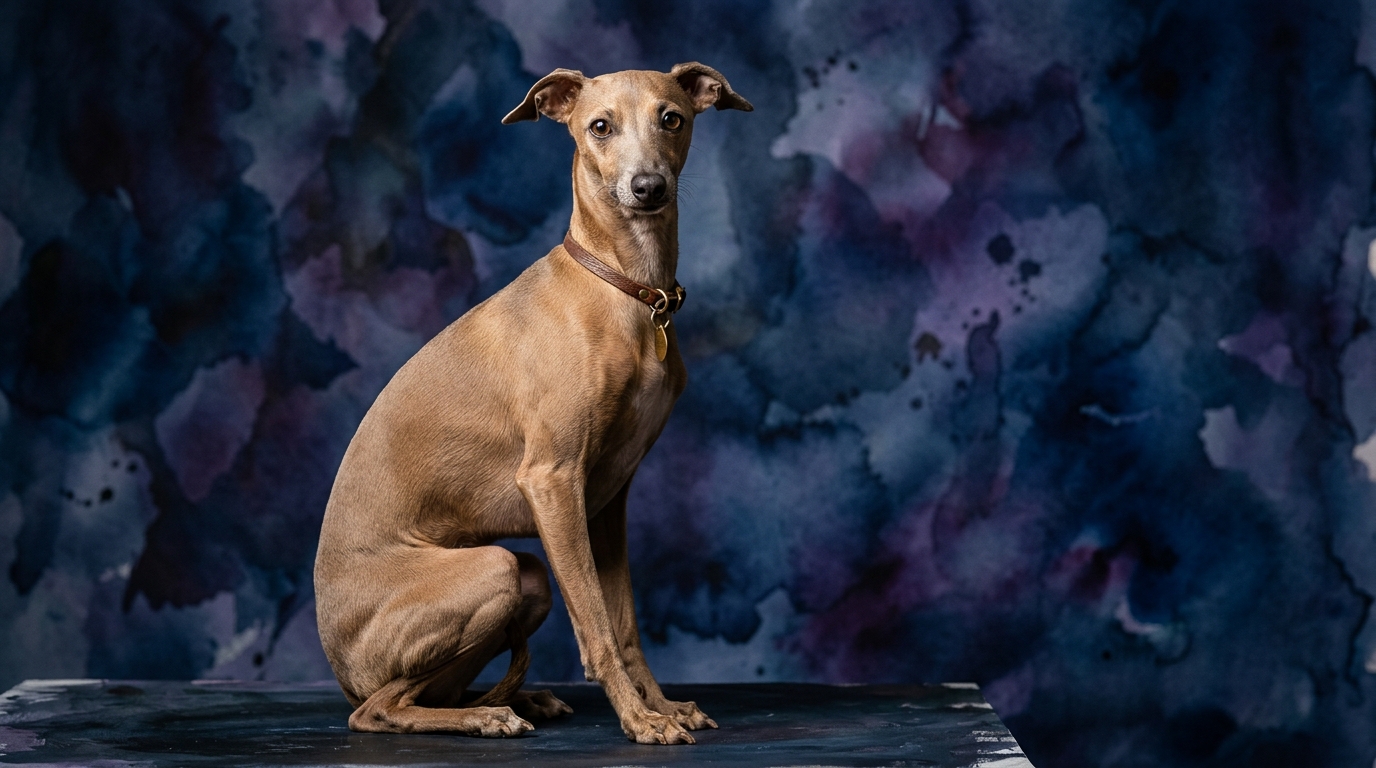
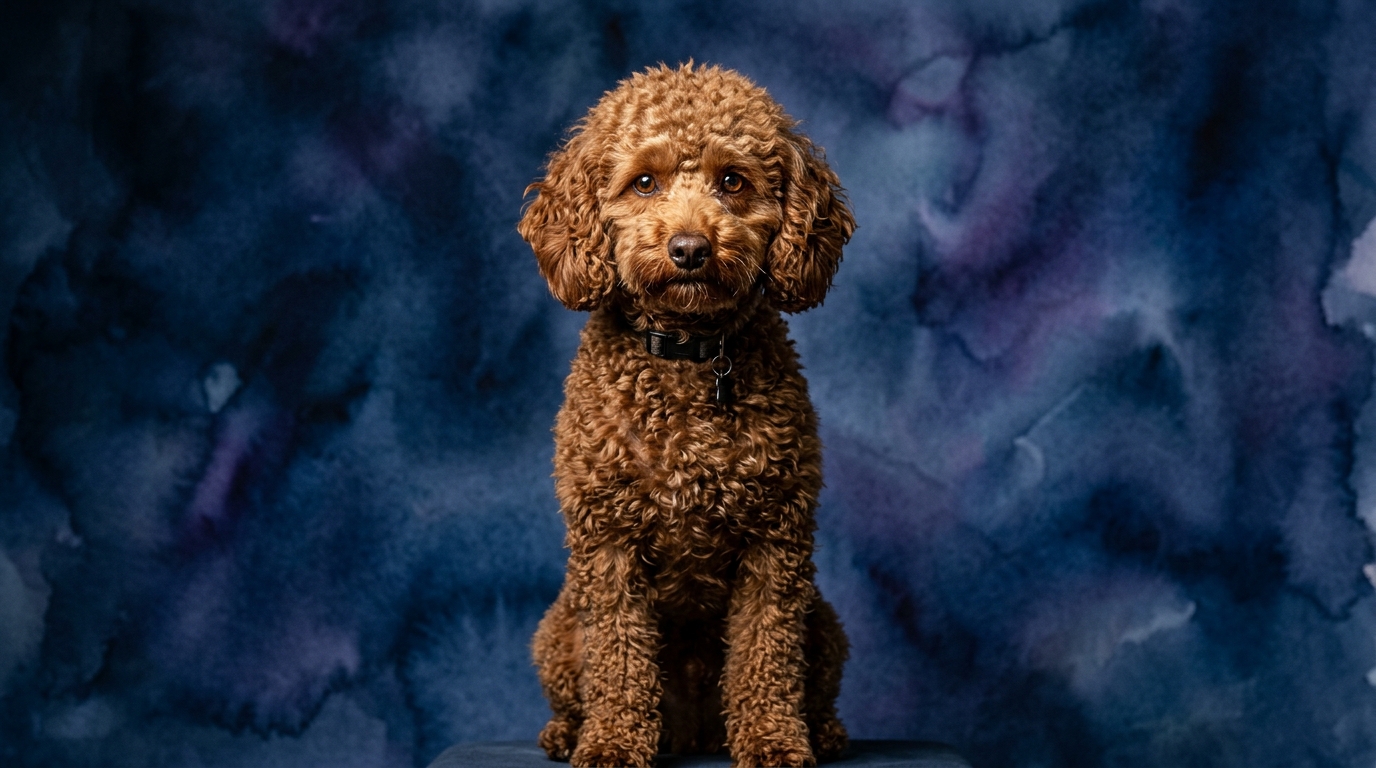
Side-by-Side IQ Profile: Italian Greyhound vs. Miniature Poodle
The Cosmic Pet Pet IQ Lab provides a unique lens through which to compare these breeds, assessing five key dimensions of canine cognition. For the Italian Greyhound, we observe a consistent, well-rounded profile: Problem Solving (3/5), Training Speed (3/5), Social Intelligence (3/5), Instinctive Drive (3/5), and Memory (3/5). This indicates a dog with practical, moderate capabilities across the board, demonstrating a balanced approach to its environment without extremes in any one area. Its intelligence is often expressed through adaptability and keen observation rather than overt displays of complex problem-solving.
In contrast, the Miniature Poodle presents a more specialized cognitive blueprint, earning a Coren rank of #2, a testament to its operational intelligence. This breed excels dramatically in specific areas: Problem Solving (5/5), Training Speed (5/5), and Memory (5/5). These scores highlight an exceptional capacity for analytical thought, rapid learning, and retention of information. Its Social Intelligence (3/5) and Instinctive Drive (3/5) align with the Italian Greyhound, suggesting a comparable level of social engagement and innate behavioral tendencies. The Poodle's cognitive strengths make it particularly adept at tasks requiring sequential thought and quick reflexes.
Where the Italian Greyhound Wins Cognitively
While the Miniature Poodle showcases specific cognitive peaks, the Italian Greyhound's consistent 3/5 across all categories isn't a deficit but rather a win for balanced, unassuming companionship. Its moderate Problem Solving (3/5) means it's less likely to meticulously dismantle the house out of boredom or devise elaborate schemes to access forbidden treats; their problem-solving is often more about navigation and comfort than complex manipulation. This breed’s even-keeled nature ensures they are not perpetually seeking intricate mental puzzles, making them content with a simpler, yet stimulating, daily routine. They are masters of adapting to their human's pace.
The Italian Greyhound’s Social Intelligence (3/5) means they are affectionate and connected without being overwhelmingly demanding of attention or requiring constant complex social cues. They form deep bonds but respect personal space, making them superb companions who fit seamlessly into a calm household. Their Instinctive Drive (3/5) is present, manifesting as a typical sighthound's love for a chase, but it's generally manageable and can be channeled with appropriate outlets, rather than dominating their entire cognitive output. This balanced drive allows them to be agile and responsive outdoors yet calm and cuddly indoors, offering a versatile presence that doesn't constantly push boundaries.
Where the Miniature Poodle Wins Cognitively
The Miniature Poodle's cognitive profile reveals a breed exceptionally tuned for learning and intellectual engagement, securing clear wins in areas where it truly shines. Its Problem Solving (5/5) is outstanding; these dogs possess a remarkable ability to analyze situations, figure out mechanisms, and creatively overcome obstacles. This often manifests as an aptitude for opening latches, strategically retrieving hidden items, or even understanding complex sequences of commands. Owners frequently report their Poodles demonstrating a capacity for abstract reasoning, quickly grasping concepts beyond simple rote memorization, making them adept at navigating novel situations with cleverness.
Furthermore, the Miniature Poodle's Training Speed (5/5) is unparalleled, reflecting their eagerness to absorb and execute new commands with impressive rapidity. They often pick up new tricks or obedience cues in just a few repetitions, thriving on structured learning environments and positive reinforcement. This rapid assimilation of information is strongly supported by their exceptional Memory (5/5), allowing them to retain vast repertoires of commands, routines, and even specific words for extended periods. This combination makes them highly responsive and a joy to train, capable of performing complex sequences and adapting learned behaviors to new contexts with minimal effort, showcasing an operational intelligence that makes them truly versatile working dogs in miniature form.
Which is Easier to Train and Why
Based on their respective IQ profiles, the Miniature Poodle is undeniably easier to train, primarily due to its perfect scores in Training Speed (5/5) and Memory (5/5). Poodles possess an inherent drive to understand and perform, coupled with the cognitive machinery to process and retain information quickly. They often display an eagerness to please and a high motivation for mental engagement, which translates into rapid acquisition of commands, tricks, and complex routines. Their ability to remember cues and sequences over long periods means less repetition is needed, and skills are retained even after breaks. This makes them ideal candidates for advanced obedience, agility, and trick training, as they actively seek out the challenge and reward of learning.
The Italian Greyhound, with its moderate 3/5 in Training Speed and Memory, can certainly be trained, but the process may require more patience, consistency, and tailored motivation. IGs are intelligent, but their motivation often stems from comfort, play, or connection rather than an inherent drive for structured learning. They might learn commands, but their sighthound nature can mean an independent streak or a tendency to prioritize a sudden interesting scent or movement over a handler's command. Training an Italian Greyhound often means finding what truly excites them—be it a favorite toy, a brief chase, or a delicious treat—and integrating it into shorter, engaging sessions, rather than expecting the sustained, focused effort a Poodle might offer. They respond well to gentle, positive reinforcement, but their learning curve is steadier, requiring more consistent reinforcement to solidify behaviors.
Which Suits Active Owners vs. Relaxed Owners
For owners with an active lifestyle that includes mental engagement, the Miniature Poodle is an exceptional match. Their high Problem Solving, Training Speed, and Memory scores mean they thrive on consistent mental stimulation, not just physical exercise. An owner who enjoys teaching new tricks, participating in dog sports like agility or rally obedience, or even engaging in complex puzzle toys will find the Poodle a willing and enthusiastic partner. Without sufficient mental outlets, a Poodle might become bored and invent their own, potentially less desirable, forms of problem-solving. They flourish when their considerable cognitive abilities are regularly challenged and directed.
The Italian Greyhound, while still needing daily exercise, is often better suited for more relaxed owners who appreciate a dog that enjoys quiet companionship as much as a spirited sprint. Their consistent 3/5 cognitive profile means they are adaptable and content without requiring constant, intensive mental challenges. They enjoy walks, short bursts of play, and then are typically happy to curl up on the sofa for extended periods. An owner who values a gentle, affectionate companion who isn't always seeking the next 'job' or intellectual puzzle will find the Italian Greyhound's calm demeanor and moderate cognitive needs a perfect fit. They still benefit from engagement and training, but their overall disposition leans towards a less demanding, more serene partnership.
The Verdict: When to Choose Each
The Verdict
Choose an Italian Greyhound if you seek a graceful, affectionate companion who thrives on moderate activity, enjoys quiet time, and offers a balanced, practical intelligence without demanding constant mental gymnastics.
Opt for a Miniature Poodle if you are an owner eager to engage in consistent training, dog sports, and provide ample mental stimulation, valuing a companion with exceptional problem-solving skills, rapid learning, and impressive memory.
🧠 Find Your Pet's IQ Score
Our Pet IQ Lab assessment covers 25+ tests across 5 cognitive dimensions — personalized to your breed.
Take the Full IQ Test →Frequently Asked Questions
Do Italian Greyhounds require less mental stimulation than Miniature Poodles?
Generally, yes. Italian Greyhounds have a more moderate cognitive profile, making them content with practical engagement and less demanding of complex mental puzzles, unlike the Miniature Poodle's robust need for intellectual challenges.
Can Italian Greyhounds learn complex tricks despite their moderate training speed?
Italian Greyhounds can learn a variety of tricks, but it may take more time and patience than with a Miniature Poodle. Their moderate training speed means consistent, positive reinforcement in engaging, shorter sessions is key for success.
How does the Miniature Poodle's high problem-solving ability manifest in daily life?
A Miniature Poodle's high problem-solving often translates into figuring out how to open gates, retrieve items from difficult spots, or even anticipating routines, making them clever and resourceful companions in everyday situations.