
Side-by-Side IQ Profile
The Jack Russell Terrier, a breed not ranked on Coren's list, exhibits a cognitive profile tailored for its original purpose: independent hunting. Their problem-solving ability scores a remarkable 5 out of 5, indicating a high capacity for figuring things out independently and creatively navigating complex situations to achieve a goal. Training speed is rated 3 out of 5, suggesting they can learn new commands but might require more repetition or motivation than some other breeds, often preferring to act on their own initiative. Social intelligence stands at 3 out of 5, meaning they possess a moderate understanding of human cues and social dynamics but might prioritize their own agenda over strict adherence to social norms. Their instinctive drive is exceptionally high at 5 out of 5, reflecting a powerful urge to hunt, chase, and explore, which profoundly influences their behavior and engagement with their environment. Memory is strong at 4 out of 5, allowing them to retain learned behaviors, routes, and experiences effectively.
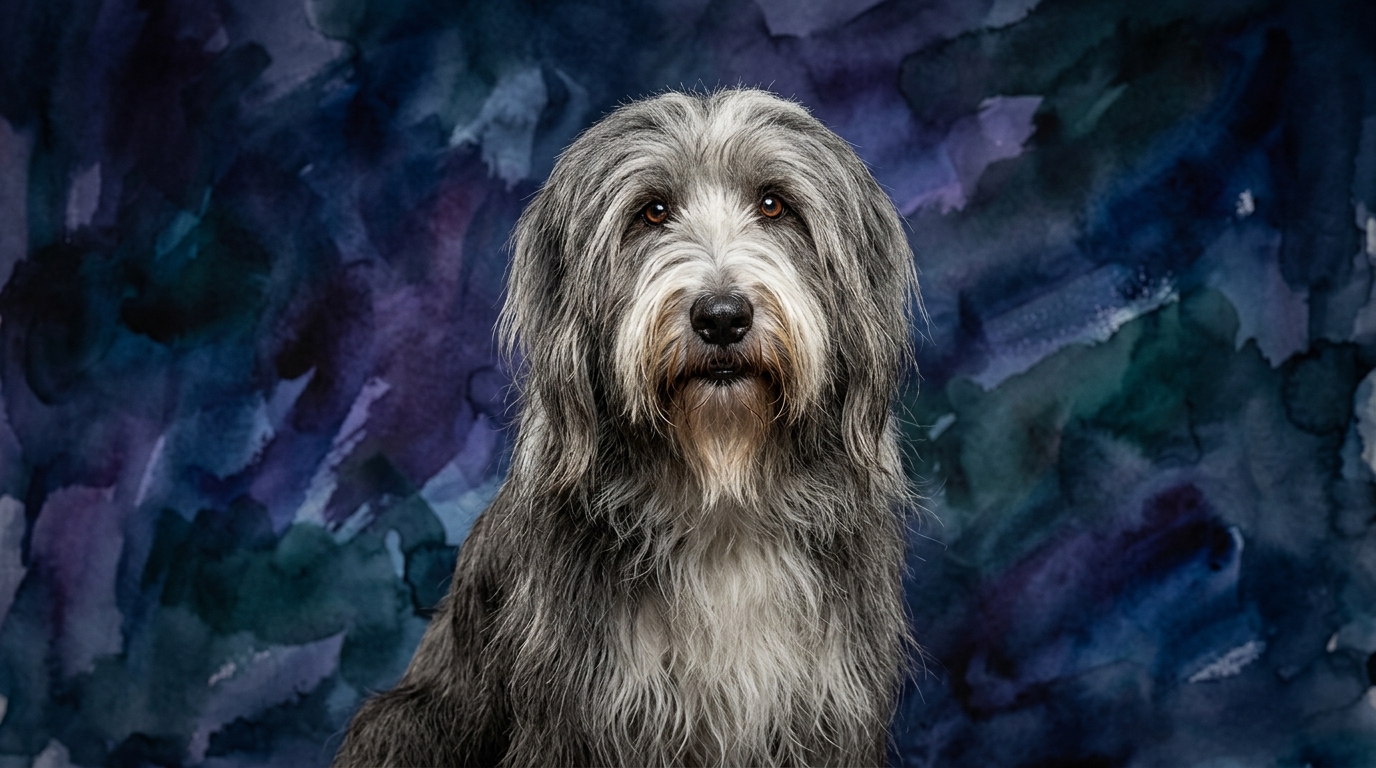
The Bearded Collie, ranking #34 on Coren's list, presents a cognitive makeup optimized for cooperative herding work. Its problem-solving ability is strong at 4 out of 5, demonstrating a solid capacity to analyze situations and find solutions, though perhaps with a slightly more structured approach than the JRT. Training speed scores 4 out of 5, indicating a quicker grasp of new commands and a generally more eager disposition to learn from human instruction. Social intelligence is rated 3 out of 5, similar to the JRT, implying a moderate ability to interpret human intentions and social cues, which is crucial for working closely with shepherds. Their instinctive drive is 3 out of 5, a moderate level that allows them to be driven by their herding instincts without becoming overly single-minded or difficult to redirect. Memory is also robust at 4 out of 5, enabling them to recall complex routines and commands essential for effective herding tasks over varied terrain.
Where Jack Russell Terrier Wins Cognitively
The Jack Russell Terrier truly shines in areas demanding independent thought and relentless pursuit. With a top-tier problem-solving score of 5/5, they excel at devising novel solutions to obstacles, whether it's figuring out how to bypass a gate, retrieve a toy from an inaccessible spot, or outsmart a perceived “prey” item. This cognitive strength often manifests as a tenacious, almost cunning approach to challenges, making them formidable little strategists. Coupled with an exceptional instinctive drive of 5/5, their cognitive processes are highly tuned to action and exploration. This drive fuels their problem-solving, compelling them to persist until a goal is met, particularly when it involves chasing, digging, or investigating. This combination means a JRT isn't just capable of solving a puzzle; they are intensely motivated to do so, often with an independent spirit that requires little external prompting once a goal is identified. Their cognitive edge lies in this self-directed, highly motivated problem-solving, making them adept at navigating complex physical environments and pursuing objectives with singular focus.
Where Bearded Collie Wins Cognitively
The Bearded Collie's cognitive strengths lie in its cooperative learning and adaptable nature, clearly evidenced by its higher training speed score of 4/5 compared to the JRT's 3/5. This indicates a greater propensity for quickly grasping and executing new commands, making them generally more responsive to structured instruction and eager to please their human companions. While their problem-solving at 4/5 is excellent, it often works in tandem with their training aptitude, allowing them to apply learned solutions efficiently rather than solely relying on independent improvisation. Their Coren ranking of #34 further underscores their capacity for obedience and working intelligence, reflecting a breed that readily learns and retains complex tasks when guided. The Bearded Collie's moderate instinctive drive (3/5) also contributes to this cognitive advantage in a training context; their natural urges are present but typically more manageable and less likely to override learned behaviors, allowing for smoother integration into a cooperative working relationship. This cognitive profile makes them highly trainable for diverse tasks, from advanced obedience to complex agility courses, where consistent performance of learned behaviors is paramount.
Which is Easier to Train and Why
When assessing ease of training, the Bearded Collie generally holds an advantage due to its higher training speed and moderate instinctive drive. Their 4/5 training speed means they typically pick up new commands with fewer repetitions and demonstrate a greater willingness to comply, often showing a natural inclination to work collaboratively with their handlers. This eagerness to learn and respond makes the training process smoother and often more rewarding for both dog and owner, as they are less likely to become frustrated or disengage. In contrast, the Jack Russell Terrier's 3/5 training speed, combined with its formidable 5/5 instinctive drive, can present more significant training challenges. While incredibly clever and capable of problem-solving, their independent nature and powerful prey drive mean they might choose to prioritize their own compelling instincts over a handler's command, especially in distracting environments. For instance, a JRT might quickly learn “stay” but might break it instantly if a squirrel appears, whereas a Bearded Collie, with its herding background, is more accustomed to maintaining focus on a task despite environmental stimuli, provided consistent training. Therefore, while both breeds are capable learners, the Bearded Collie's cognitive setup makes it inherently more amenable to instruction and less prone to independent decision-making that might conflict with training goals.
Which Suits Active Owners vs Relaxed Owners
For owners seeking a truly active companion, the Jack Russell Terrier is often the more fitting choice. Their extraordinary instinctive drive (5/5) means they thrive on constant engagement, requiring significant physical exercise and mental stimulation that taps into their problem-solving (5/5) and hunting instincts. These dogs are perpetually curious, always ready for an adventure, and demand an owner who can consistently provide outlets for their boundless energy through activities like earthdog trials, agility, long hikes, or intense play sessions. A relaxed owner might quickly find themselves overwhelmed by a JRT's relentless need for activity, which, if unmet, can lead to destructive behaviors or excessive barking born of boredom. Conversely, the Bearded Collie, with its moderate instinctive drive (3/5) and excellent training speed (4/5), is better suited for active owners who appreciate consistent engagement but perhaps not the same relentless intensity. They enjoy regular exercise, such as long walks, jogs, or participation in dog sports like herding, obedience, or agility, benefiting greatly from mental challenges. While they are active, their energy is often more manageable than a JRT's, making them adaptable to an owner who values both activity and periods of calm, cooperative companionship without the same inherent challenge of managing an extreme prey drive.
The Verdict
Choose a Jack Russell Terrier if you are an experienced, active owner seeking a tenacious, independent problem-solver with a strong drive for adventure and mental challenges, prepared for consistent, creative engagement.
Opt for a Bearded Collie if you desire a highly trainable, cooperative companion for an active lifestyle, capable of learning complex tasks and valuing consistent interaction without the intense, often independent, drive of a terrier.
🧠 Find Your Pet's IQ Score
Our Pet IQ Lab assessment covers 25+ tests across 5 cognitive dimensions — personalized to your breed.
Take the Full IQ Test →Frequently Asked Questions
Do Jack Russell Terriers make good family pets despite their high drive?
Yes, Jack Russell Terriers can be wonderful family pets, especially for active families who understand their need for consistent exercise and mental stimulation. Their social intelligence of 3/5 means they can bond well, but their high instinctive drive requires careful management and early socialization to ensure harmonious interactions with children and other pets.
How much mental stimulation does a Bearded Collie need daily?
Bearded Collies, with their 4/5 problem-solving and 4/5 training speed, benefit significantly from daily mental stimulation beyond just physical exercise. Incorporate puzzle toys, training sessions, or engaging games for at least 30-60 minutes daily to keep their minds sharp and prevent boredom.
Is one breed more prone to barking than the other?
Both breeds can be vocal, but for different reasons. Jack Russell Terriers often bark due to their high instinctive drive, alerting to perceived threats or prey, or out of boredom. Bearded Collies, as herding dogs, might use their voice to "herd" or communicate, but their higher training speed means this behavior is generally more amenable to modification with consistent training.