
Side-by-Side Cognitive Profiles: Decoding Each Breed's Mind
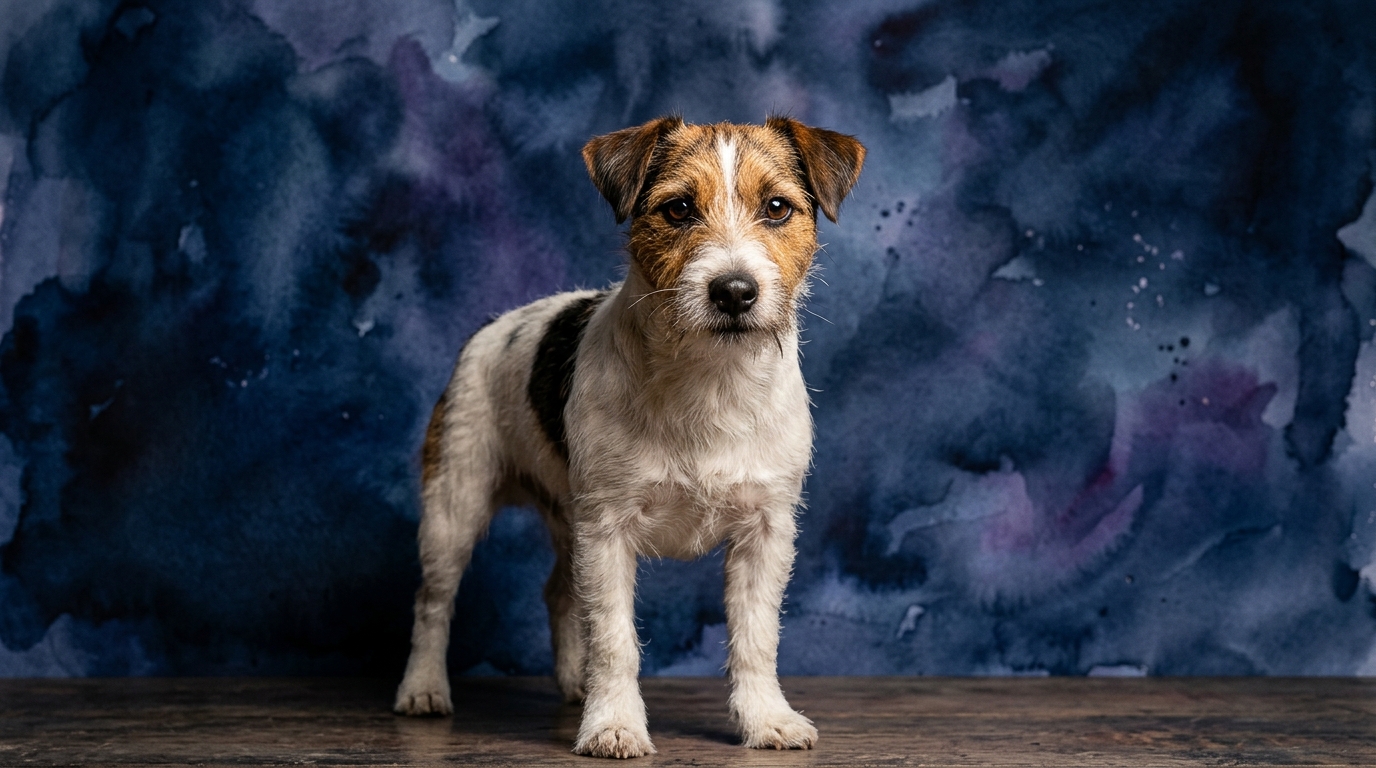
At The Cosmic Pet Pet IQ Lab, we evaluate canine cognition across five critical dimensions to provide a nuanced understanding of each breed's mental landscape. For the Jack Russell Terrier, we observe a remarkable score in Problem Solving (5/5), indicating an exceptional capacity for navigating complex situations, figuring out puzzles, and devising routes around obstacles. Their Training Speed registers at a moderate 3/5, suggesting they can learn, but their independent spirit might influence the pace. Social Intelligence also sits at 3/5, meaning they are capable of forming bonds and understanding cues, though perhaps not with the overt sensitivity of some companion breeds. A standout feature is their Instinctive Drive (5/5), reflecting a powerful urge to chase, hunt, and explore, a direct echo of their terrier heritage. Finally, their Memory is rated at a robust 4/5, enabling them to retain commands, routines, and experiences effectively.
The Boerboel, in contrast, presents a more uniformly moderate cognitive profile. Their Problem Solving ability is rated at 3/5, indicating a practical capacity to address challenges without the same level of inventive cunning seen in the Jack Russell. Training Speed matches at 3/5, suggesting a similar learning pace, though potentially with different underlying motivations. Social Intelligence also stands at 3/5, signifying their ability to connect with their family and understand social dynamics within their pack. Their Instinctive Drive is a moderate 3/5, which, while present, is less intense and less singularly focused on prey drive than the terrier. Memory for the Boerboel is rated at 3/5, providing a solid foundation for remembering commands and experiences, albeit perhaps with less detail recall than their smaller counterpart.
These scores are not absolute measures of 'smartness' but rather indicators of specific cognitive strengths and tendencies, shaped by centuries of selective breeding for distinct roles. The Jack Russell Terrier's profile reflects its history as a fox-hunting dog requiring quick wits and relentless determination, while the Boerboel's scores align with its role as a farm guardian, needing steadfastness, a keen awareness of its surroundings, and the ability to distinguish friend from foe without excessive impulsivity.
Where the Jack Russell Terrier Excels Cognitively
The Jack Russell Terrier's cognitive strengths are particularly evident in two key areas: Problem Solving and Instinctive Drive. With a perfect 5/5 in Problem Solving, these terriers are master strategists, capable of devising surprisingly intricate plans to achieve their goals. This might manifest as figuring out how to open a seemingly secure gate, manipulating toys to retrieve hidden treats, or persistently working to unearth a perceived rodent in the yard. Their minds are constantly active, analyzing their environment for opportunities to engage their sharp intellect.
Coupled with this is their exceptional Instinctive Drive (5/5). This isn't just about chasing squirrels; it's a deep-seated motivation to pursue, explore, and engage with their environment with intense focus. This drive fuels their problem-solving abilities, pushing them to overcome obstacles with unwavering determination. A Jack Russell might spend hours meticulously digging to follow a scent or tirelessly working to solve a puzzle feeder, driven by an internal motor that demands engagement and resolution. Their 4/5 Memory further enhances these traits, allowing them to recall successful strategies and apply them to new, similar challenges, making them incredibly adaptable and persistent learners in their chosen pursuits.
Where the Boerboel Demonstrates Unique Cognitive Advantages
While the Boerboel's individual cognitive scores might appear more moderate compared to the Jack Russell Terrier's peak performance in certain areas, their overall profile creates a distinct set of advantages, particularly in their intended role. Their Problem Solving (3/5) is practical and effective for tasks requiring reasoned assessment rather than elaborate cunning. A Boerboel might not devise complex escape routes, but it will understand the concept of a boundary and the implications of its presence, applying this understanding to its guarding duties.
The Boerboel's moderate Instinctive Drive (3/5) is, paradoxically, a cognitive strength for a guardian breed. Unlike the Jack Russell's intense, often singular focus on prey, the Boerboel's drive is balanced, allowing them to remain vigilant without being easily distracted by minor stimuli. This enables them to maintain a broader awareness of their surroundings, assessing threats calmly and methodically. Their Social Intelligence (3/5), while matching the JRT, operates within the context of their protective nature, allowing them to form deep, discerning bonds with their family while maintaining a watchful distance with strangers, a crucial cognitive trait for a guardian. This blend of moderate drives and practical problem-solving contributes to a steady, dependable temperament, crucial for a large dog tasked with protecting property and family.
Ease of Training: Understanding Behavioral Differences
When it comes to training, both the Jack Russell Terrier and the Boerboel share a Training Speed score of 3/5, suggesting that neither breed is inherently 'easier' in terms of raw learning capacity. However, their contrasting behavioral profiles significantly impact the training experience. The Jack Russell Terrier's formidable Problem Solving (5/5) and overwhelming Instinctive Drive (5/5) mean that while they can grasp commands quickly, they are equally adept at using their intelligence to outsmart their handler or to prioritize their own highly stimulating instincts. Training a Jack Russell often becomes a battle of wills and wits, requiring immense consistency, creativity, and a strong understanding of positive reinforcement to channel their boundless energy and focus their sharp minds.
The Boerboel, with its more moderate Problem Solving (3/5) and Instinctive Drive (3/5), presents a different training challenge. They may require more repetition to solidify commands, lacking the terrier's quick intellectual leaps. However, their lower prey drive means they are often less distracted by environmental stimuli, allowing for more focused training sessions once engaged. While they possess a strong, independent nature typical of working breeds, their challenge lies more in consistent motivation and clear communication rather than overcoming a relentless drive to pursue their own agenda. Training a Boerboel demands patience, a calm demeanor, and establishing clear leadership, leveraging their desire to please their family once a bond of trust and respect is established.
Matching Breeds to Lifestyles: Active vs. Relaxed Owners
The cognitive profiles of these two breeds paint a clear picture of the types of owners and lifestyles they will thrive in. The Jack Russell Terrier, with its 5/5 Problem Solving and 5/5 Instinctive Drive, is unequivocally suited for highly active owners who can provide constant mental stimulation and vigorous physical exercise. These dogs require an outlet for their relentless curiosity and energy, thriving on activities like agility, earthdog trials, extensive walks, and puzzle toys. A relaxed owner who cannot commit to hours of daily engagement will quickly find themselves with a bored, destructive, and potentially frustrated terrier whose sharp mind will find its own (often unwelcome) entertainment. They are not content to be couch potatoes; their minds demand to be challenged and their bodies to be moved.
The Boerboel, despite its imposing size, can be surprisingly suitable for owners who appreciate a more relaxed indoor presence, provided their substantial exercise needs are met. Their moderate Instinctive Drive (3/5) means that while they need daily walks and opportunities to stretch their powerful bodies, they are less prone to the frantic, ceaseless energy of a terrier. A Boerboel will enjoy a good romp or a long walk, but is often content to then settle down quietly with their family. Their lower problem-solving score means they might not constantly seek out new 'projects' in the same way a JRT does. They are ideal for owners who seek a loyal, protective companion that can be calm and steady within the home after their exercise, rather than a dog that constantly demands high-intensity mental and physical work. Owners must still be active enough to manage a large, powerful dog, but perhaps not with the same relentless, high-octane energy as a Jack Russell owner.
The Verdict
Choose a Jack Russell Terrier if you are an incredibly active, experienced owner ready to engage a sharp, persistent mind with constant challenges and consistent training, thriving on a dog with immense drive and problem-solving prowess.
Opt for a Boerboel if you seek a loyal, protective family guardian who, while requiring consistent training and regular exercise, offers a more composed presence indoors and values a steady, discerning temperament over frantic, high-intensity mental stimulation.
🧠 Find Your Pet's IQ Score
Our Pet IQ Lab assessment covers 25+ tests across 5 cognitive dimensions — personalized to your breed.
Take the Full IQ Test →Frequently Asked Questions
Which breed is more prone to independent thinking?
The Jack Russell Terrier, with its 5/5 Problem Solving and 5/5 Instinctive Drive, is significantly more prone to independent thinking. They are bred to make decisions in the field, often leading them to follow their own instincts even when given commands, demanding a handler who can consistently channel their sharp intellect.
Do either of these breeds excel in social intelligence?
Both breeds score a moderate 3/5 in Social Intelligence. This means they are capable of understanding human cues and forming strong bonds, but neither is particularly noted for exceptional sensitivity or eagerness to please in the same way some other breeds might be; their social interactions are often colored by their primary breed functions, whether hunting or guarding.
Which breed requires more mental stimulation?
The Jack Russell Terrier unequivocally requires more mental stimulation due to its 5/5 Problem Solving and 5/5 Instinctive Drive. Their minds are constantly seeking puzzles and activities, and without sufficient engagement, they are highly likely to invent their own, often destructive, forms of mental exercise.