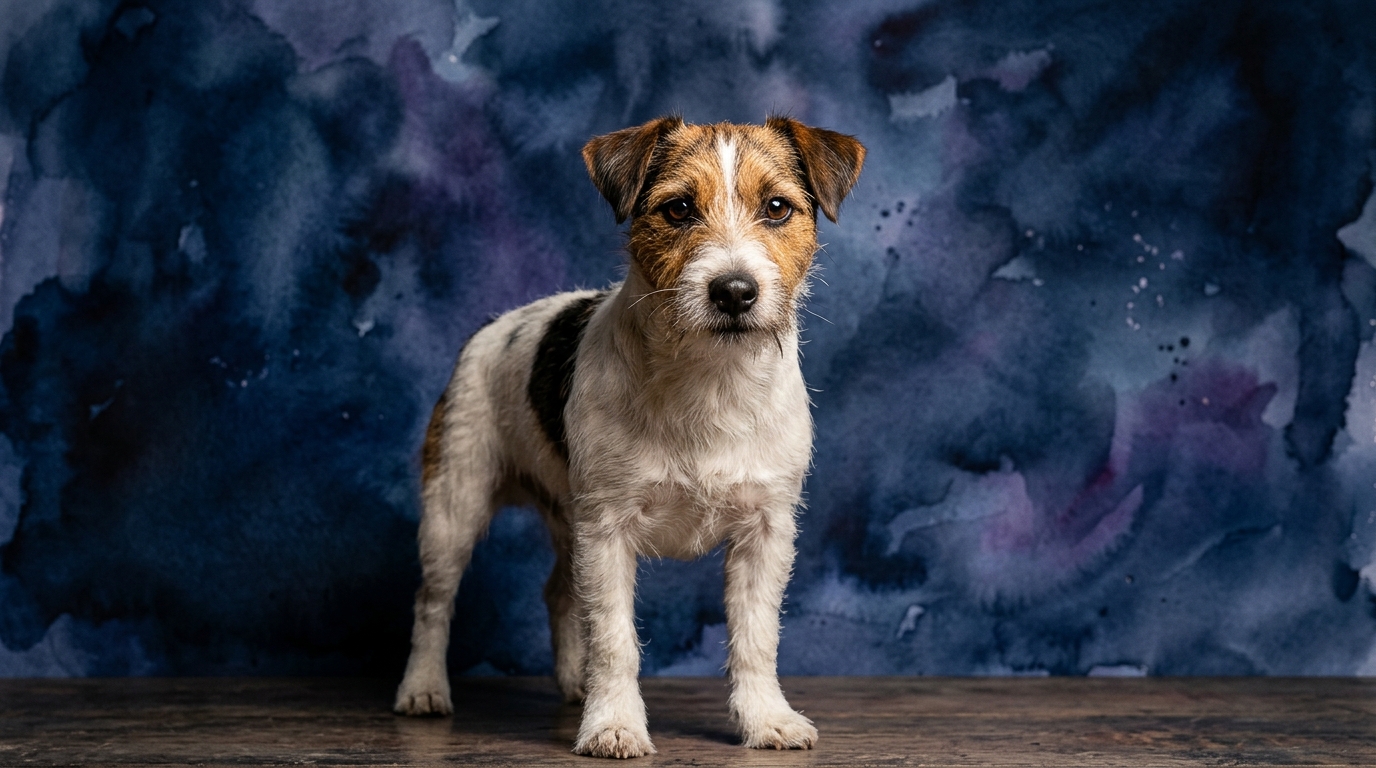

A Side-by-Side Look at Their Pet IQ Profiles
The Jack Russell Terrier scores an impressive 5/5 in Problem Solving, adept at deciphering complex situations and overcoming obstacles with ingenuity. Training Speed is rated 3/5, reflecting a capacity to learn but also a strong independent streak that requires engaging methods. Social Intelligence stands at 3/5, indicating an awareness of human cues but often prioritizing their own objectives. Instinctive Drive is a towering 5/5, fueling their relentless pursuit and exploration. Finally, their Memory is strong at 4/5, allowing them to recall intricate details and past experiences with clarity.
In contrast, the Brussels Griffon demonstrates a different set of cognitive strengths. Their Problem Solving is rated 3/5, meaning they can navigate daily challenges but might rely more on their human counterparts for complex puzzles. Training Speed matches at 3/5, suggesting they learn at a moderate pace, often thriving on positive reinforcement and consistency. Social Intelligence is also 3/5, yet it manifests as a keen sensitivity to their owner's emotions and a desire for close connection. Their Instinctive Drive is a moderate 3/5, focusing more on companionship than intense hunting or digging. Memory is rated 3/5, sufficient for routines and commands but less focused on environmental intricacies.
Where the Jack Russell Terrier's Mind Shines Brightest
The Jack Russell Terrier's cognitive prowess truly excels in scenarios demanding robust Problem Solving and an unyielding Instinctive Drive. Their 5/5 in problem-solving means they are adept at figuring out how to open latches, bypass barriers, or even manipulate objects to achieve a desired outcome, often driven by their strong prey drive. This strategic approach to environmental challenges, coupled with a 5/5 instinctive drive, translates into an unparalleled focus and persistence when engaged in activities like scent work, retrieving, or agility. Their 4/5 Memory allows them to recall complex sequences of actions or the precise location of hidden items, making them formidable partners in competitive dog sports where they adapt strategies quickly.
The Unique Cognitive Strengths of the Brussels Griffon
While the Brussels Griffon's scores might appear lower in some metrics compared to the JRT, their cognitive strengths lie in a different domain, particularly in their nuanced Social Intelligence. Though rated 3/5, this manifests as a remarkable ability to read subtle shifts in human mood and adjust their behavior accordingly, often anticipating needs or offering comfort without explicit prompts. Their moderate 3/5 Instinctive Drive means they are less prone to being overwhelmingly distracted by external stimuli like scents or distant movements, allowing them to maintain focus on their immediate social environment. This makes them highly present companions, more inclined to engage in reciprocal social interactions than to embark on independent exploratory missions. Their cognitive "wins" are less about conquering the physical world and more about mastering the intricate dance of human-canine companionship.
Training Dynamics: Jack Russell Terrier vs. Brussels Griffon
Both breeds share a 3/5 rating for Training Speed, but the underlying reasons and training approaches differ significantly due to their distinct cognitive profiles. The Jack Russell Terrier's high Problem Solving and Instinctive Drive mean they learn quickly, but their independent nature often leads them to question the "why" behind a command. They might understand the command perfectly but choose to prioritize their own instincts—like chasing a squirrel—over immediate compliance. Training a JRT requires immense consistency, high-value rewards, and making the training itself more engaging and rewarding than any potential distraction. Their cleverness means they can sometimes try to "outsmart" their trainer, requiring a firm yet fair hand and a sense of humor.
The Brussels Griffon's 3/5 Training Speed stems from a different place. They are often sensitive souls, and harsh training methods can lead to shutdown or stubbornness. While they are eager to please their beloved owners, they can also be easily distracted or, conversely, become resistant if they don't fully grasp what's being asked. Positive reinforcement, patience, and clear, concise commands work best. Their lower instinctive drive means they are less likely to bolt after a scent, but their focus might waver if they become bored or overwhelmed. They respond well to praise and affection, leveraging their social intelligence to strengthen the bond during training sessions.
Matching Minds: Active Adventures vs. Relaxed Companionship
The stark contrast in Instinctive Drive and Problem Solving makes these breeds suited for very different owner lifestyles. The Jack Russell Terrier, with its 5/5 Instinctive Drive and Problem Solving, is an ideal match for active owners who relish outdoor adventures and mental challenges. They thrive in environments where they can engage their keen senses, explore, and "work." Owners who enjoy activities like earthdog trials, agility, flyball, or extensive hiking will find a tireless and enthusiastic partner in a JRT. Their need for consistent mental and physical stimulation is paramount; without it, their problem-solving skills might be channeled into less desirable behaviors like digging or escaping.
Conversely, the Brussels Griffon, with its moderate 3/5 Instinctive Drive, is perfectly suited for owners seeking a more relaxed pace of life. While they still enjoy daily walks and playtime, their primary cognitive and emotional focus is on companionship and close human interaction. They are generally content with a cozy spot on the couch, preferring to be near their people rather than constantly seeking out new "missions." Their social intelligence flourishes in a home environment where they can be an integral part of family life, offering subtle emotional support and enjoying quiet moments of connection. They are excellent companions for individuals or families who appreciate a devoted, charming, and less demanding canine presence.
The Verdict
Choose a Jack Russell Terrier if you're an active, experienced owner seeking a tenacious, problem-solving partner for rigorous sports, outdoor exploration, and who appreciates a dog with strong independent thought.
Opt for a Brussels Griffon if you desire a sensitive, emotionally attuned companion who thrives on close family bonds, a calmer domestic environment, and who appreciates subtle social cues over intense physical demands.
🧠 Find Your Pet's IQ Score
Our Pet IQ Lab assessment covers 25+ tests across 5 cognitive dimensions — personalized to your breed.
Take the Full IQ Test →Frequently Asked Questions
Are Jack Russell Terriers suitable for first-time dog owners?
Jack Russell Terriers can be challenging for first-time owners due to their high energy, strong prey drive, and independent problem-solving skills. They require consistent training, extensive socialization, and ample mental and physical stimulation to thrive, which can be a significant commitment.
Do Brussels Griffons get along well with children and other pets?
Brussels Griffons generally get along well with older, considerate children who understand how to interact gently with a smaller dog. With proper introductions and socialization, they can coexist peacefully with other pets, though their social intelligence often means they prefer the company of their human family.
What kind of mental exercise do Brussels Griffons need?
Brussels Griffons benefit from mental stimulation that strengthens their bond with their owner, such as learning new tricks through positive reinforcement, puzzle toys that aren't overly complex, and interactive play sessions. Their social intelligence thrives on engaging with their human companions in gentle, thoughtful ways.