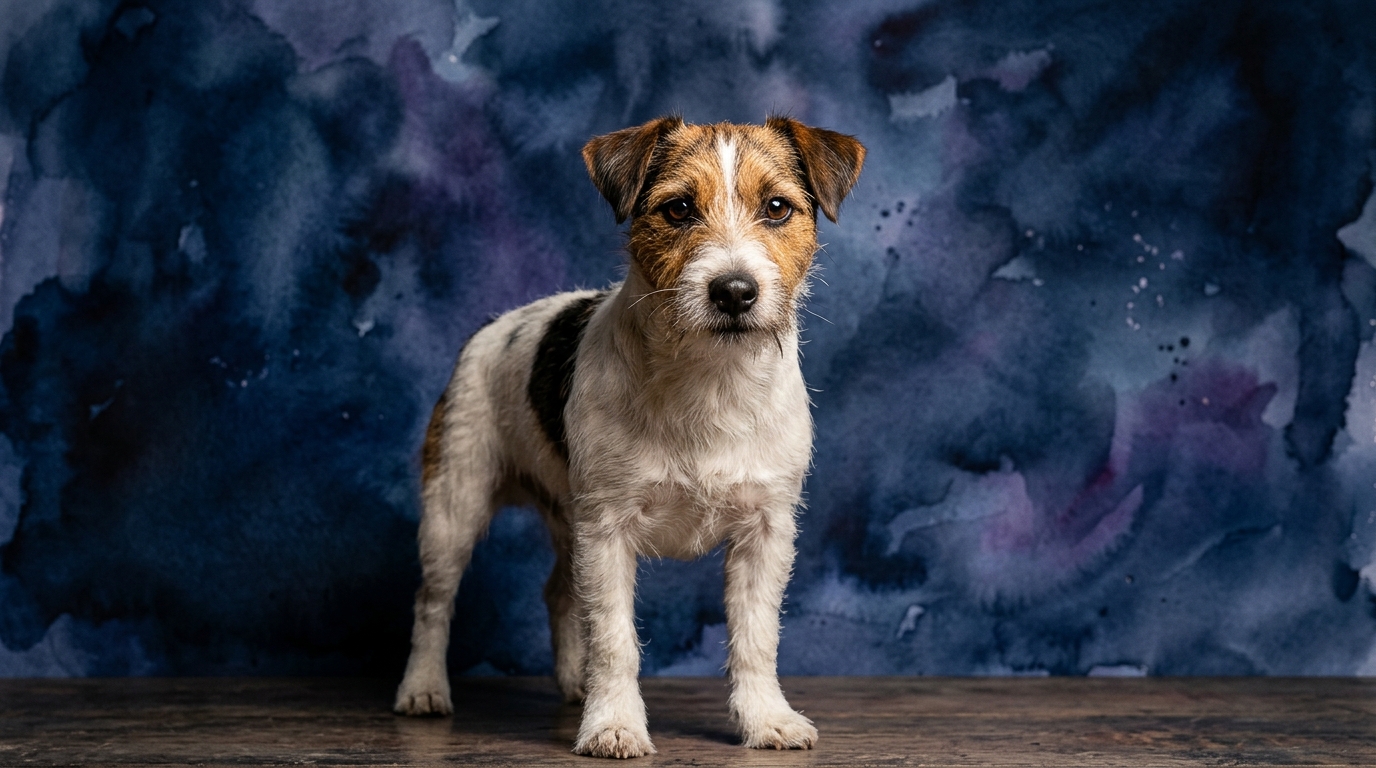
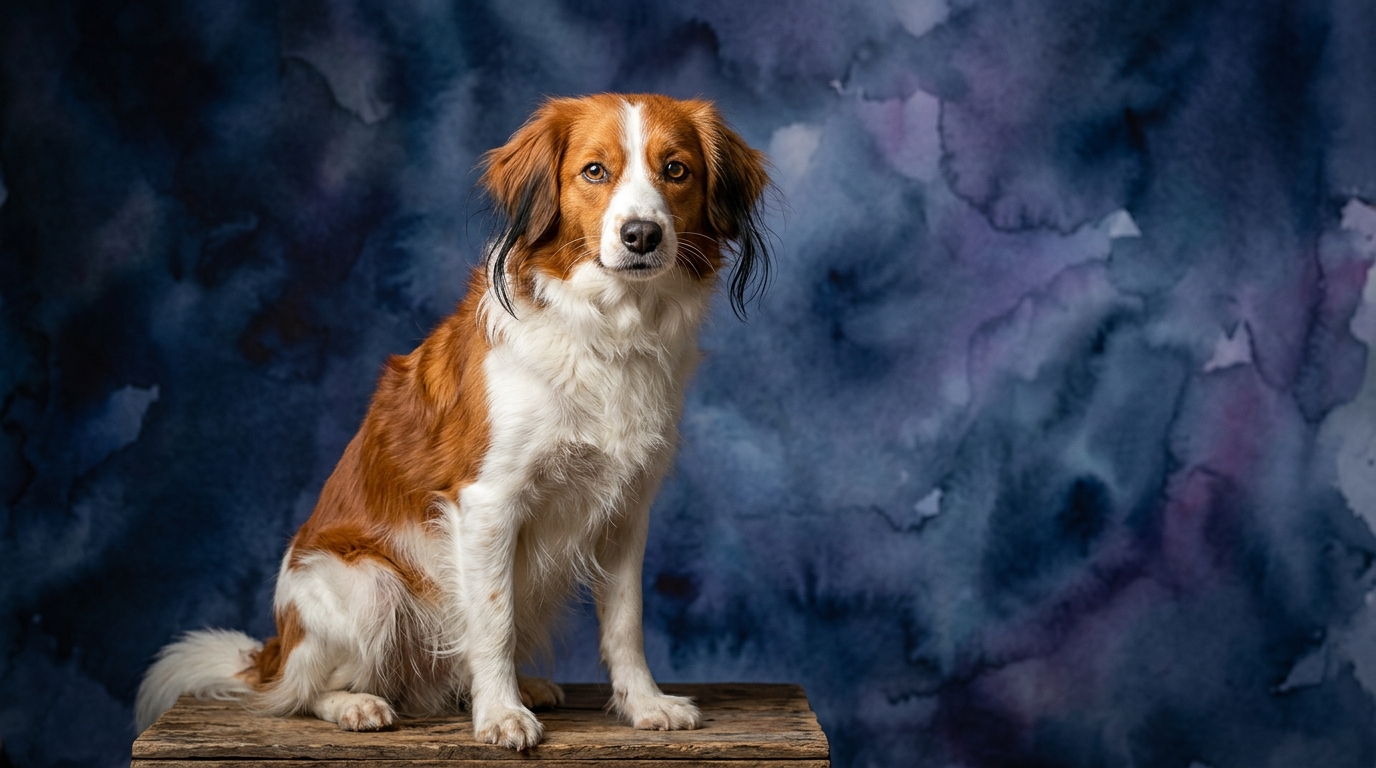
Side-by-Side Cognitive Profile
Delving into The Cosmic Pet Pet IQ Lab data for these two breeds provides a clear snapshot of their cognitive strengths and tendencies.
**Jack Russell Terrier:** Problem Solving 5/5 – This breed demonstrates exceptional ingenuity, often devising complex strategies to navigate obstacles and achieve goals independently, prioritizing solutions over strict adherence to rules. Training Speed 3/5 – Capable of learning quickly, but their independent streak and strong will can make training a negotiation; they absorb information but may choose compliance selectively. Social Intelligence 3/5 – Aware of social cues, but often prioritizes personal objectives, making them good companions who might not always be the most deferential in group settings. Instinctive Drive 5/5 – A powerful, innate motivation to hunt, chase, and explore fuels much of their behavior, constantly seeking outlets for their predatory and exploratory urges. Memory 4/5 – Retains information well, especially concerning past successful problem-solving strategies or the location of interesting stimuli, aiding continuous learning and adaptation.
**Kooikerhondje:** Problem Solving 3/5 – Approaches challenges with moderate ingenuity, capable of solving straightforward problems but less prone to the creative, independent strategizing seen in the JRT. Training Speed 3/5 – Learns at a reasonable pace; their sensitivity means training methods must be gentle and positive to encourage participation and prevent hindering progress. Social Intelligence 3/5 – Generally attuned to human moods and intentions, often seeking to please, integrating well into family dynamics with a balanced awareness of their social environment. Instinctive Drive 3/5 – Possesses a working dog heritage but a more moderate drive, enjoying activities like retrieving and scent work without the overwhelming intensity of more driven breeds. Memory 3/5 – Has a solid memory for commands, routines, and familiar individuals, sufficient for consistent learning and daily life, though not demonstrating the same depth of strategic recall as the JRT.
Where the Jack Russell Terrier Wins Cognitively
The Jack Russell Terrier’s cognitive strengths shine particularly in their exceptional Problem Solving (5/5) and formidable Instinctive Drive (5/5). Their capacity to independently figure out intricate puzzles, open latches, or devise escape routes showcases genuine, adaptive reasoning rather than mere rote learning. This isn't just about quick learning, but about actively strategizing. Their intense instinctive drive translates into an unwavering focus on a task, whether it's tracking a scent or pursuing a moving object, pouring significant cognitive resources into relentless pursuit. Bolstered by a strong Memory (4/5), they recall successful strategies with precision, applying them to new challenges and continuously refining their approach to the world.
Where the Kooikerhondje Wins Cognitively
The Kooikerhondje’s cognitive advantages emerge from its balanced profile, particularly when contrasted with the JRT’s intensity. While its Problem Solving (3/5) is moderate, its lower Instinctive Drive (3/5) often translates to less distraction from intense urges to hunt or chase. This allows for a more sustained focus on human-directed tasks, making them potentially more amenable to patient, detailed training. Their moderate Social Intelligence (3/5), coupled with their sensitive nature, enables a high responsiveness to subtle human cues. A Kooikerhondje’s cognitive processing is often geared towards understanding and complying, fostering a strong partnership in activities requiring cooperative effort over independent initiative. This facilitates a different kind of working relationship, where their reliable Memory (3/5) supports consistent learning and companionable interaction.
Which Is Easier to Train and Why
While both breeds share a Training Speed score of 3/5, indicating a moderate pace for learning new commands, the actual training experience differs significantly due to their other cognitive dimensions. The Jack Russell Terrier's exceptional Problem Solving (5/5) means they are adept at finding loopholes or creative alternatives to commands. They quickly learn what you want but might prioritize their own goals, often recalling past 'negotiations' via their Memory (4/5). Coupled with an intense Instinctive Drive (5/5), JRTs are easily distracted by environmental stimuli, demanding highly engaging, consistent, and often creative training methods to maintain focus.
The Kooikerhondje, with its more moderate Problem Solving (3/5) and Instinctive Drive (3/5), tends to be more straightforward. Their sensitive Social Intelligence (3/5) makes them highly responsive to positive reinforcement and gentle guidance, eager to understand and please. While not as innately driven to independently 'figure things out,' their willingness to cooperate and less intense distraction from instincts often makes them feel 'easier' to train for owners seeking a more compliant, less challenging student, fostering a smoother training journey.
Which Suits Active Owners vs. Relaxed Owners
The distinct cognitive profiles offer clear guidance for owner lifestyles. The Jack Russell Terrier, with unparalleled Instinctive Drive (5/5) and potent Problem Solving (5/5), thrives with active owners who can channel its boundless energy and sharp mind. These dogs require substantial daily physical exercise—beyond simple walks—and consistent mental engagement through puzzles, agility, or scent work. An owner who enjoys outdoor adventures, has time for dedicated training, and provides a structured, stimulating environment will find a JRT rewarding, yet demanding. Without sufficient outlets, a JRT will often invent its own 'problems' to solve, manifesting as unwanted behaviors.
The Kooikerhondje, conversely, with its balanced Instinctive Drive (3/5) and moderate Problem Solving (3/5), generally suits owners seeking a companion with a somewhat more relaxed, though still engaged, temperament. While not sedentary, a Kooiker’s exercise needs are moderate, satisfied by daily walks, playtime, and activities like retrieving. Their Social Intelligence and cooperative nature allow them to integrate well into family routines, enjoying gentle activities and quiet time. Their less intense cognitive demands make them a fitting choice for owners who may not dedicate hours daily to high-octane mental and physical challenges.
The Verdict
Choose a Jack Russell Terrier if you are an experienced, highly active owner prepared for a canine companion with relentless drive and a genius for independent problem-solving, requiring constant mental and physical engagement.
Opt for a Kooikerhondje if you seek a sensitive, cooperative dog with moderate energy and a balanced cognitive profile, ideal for an owner who prefers a gentle, engaging partner for daily activities and companionship.
🧠 Find Your Pet's IQ Score
Our Pet IQ Lab assessment covers 25+ tests across 5 cognitive dimensions — personalized to your breed.
Take the Full IQ Test →Frequently Asked Questions
Is a Jack Russell Terrier difficult to live with due to its high drive?
A Jack Russell's high instinctive drive (5/5) means they require consistent mental and physical outlets to prevent boredom and destructive behaviors. While not inherently difficult, they demand an owner who understands their need for purpose and stimulation, channeling their energy into productive activities.
How does the Kooikerhondje's social intelligence impact family life?
The Kooikerhondje's moderate social intelligence (3/5) and sensitive nature generally make them good family companions, attuned to their humans' moods. They thrive on positive interaction and can be quite cooperative, integrating smoothly into family dynamics with proper socialization.
Can a Kooikerhondje learn complex tricks like a Jack Russell Terrier?
While Kooikerhondjes have a solid training speed (3/5) and memory (3/5), their problem-solving (3/5) isn't as independently creative as a Jack Russell's (5/5). They can certainly learn complex tricks through patient, positive reinforcement, but might not spontaneously invent solutions or apply concepts with the same ingenuity as a JRT.