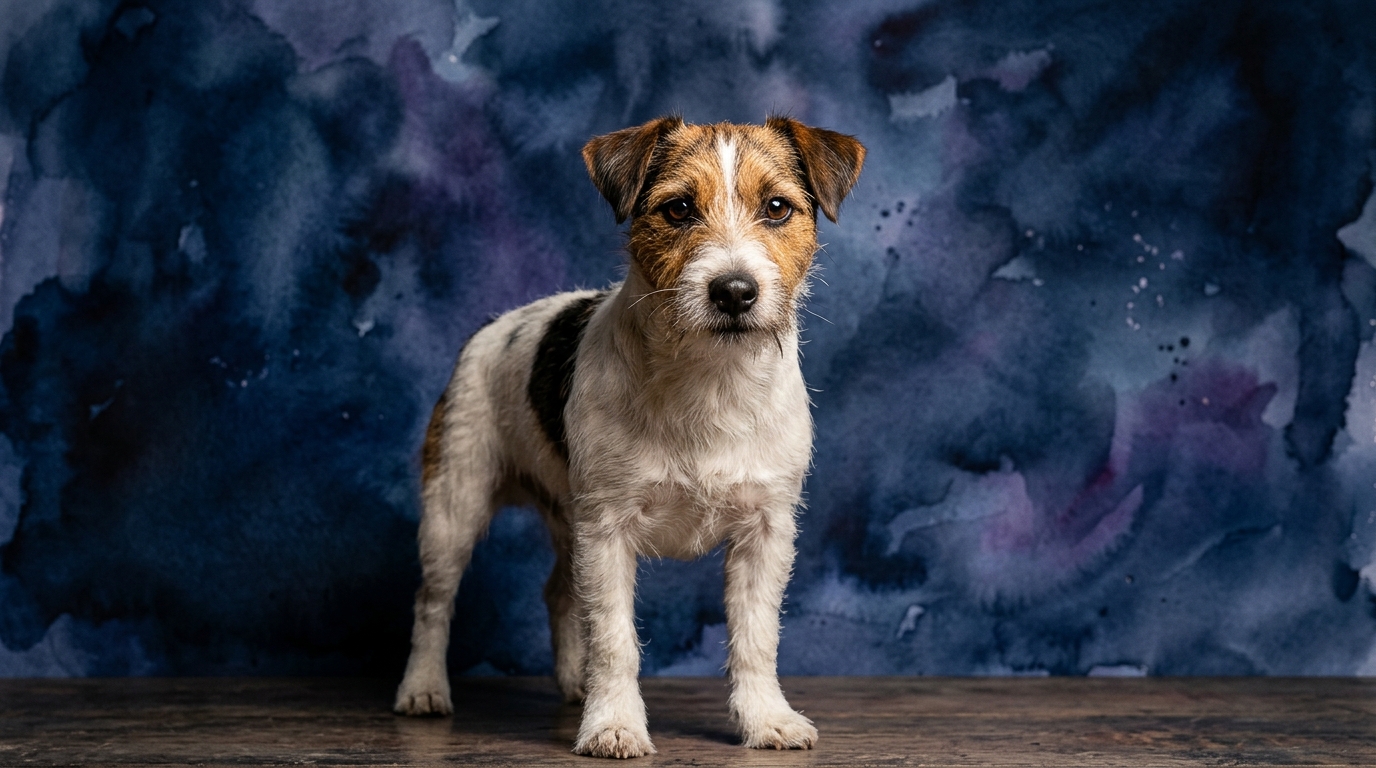
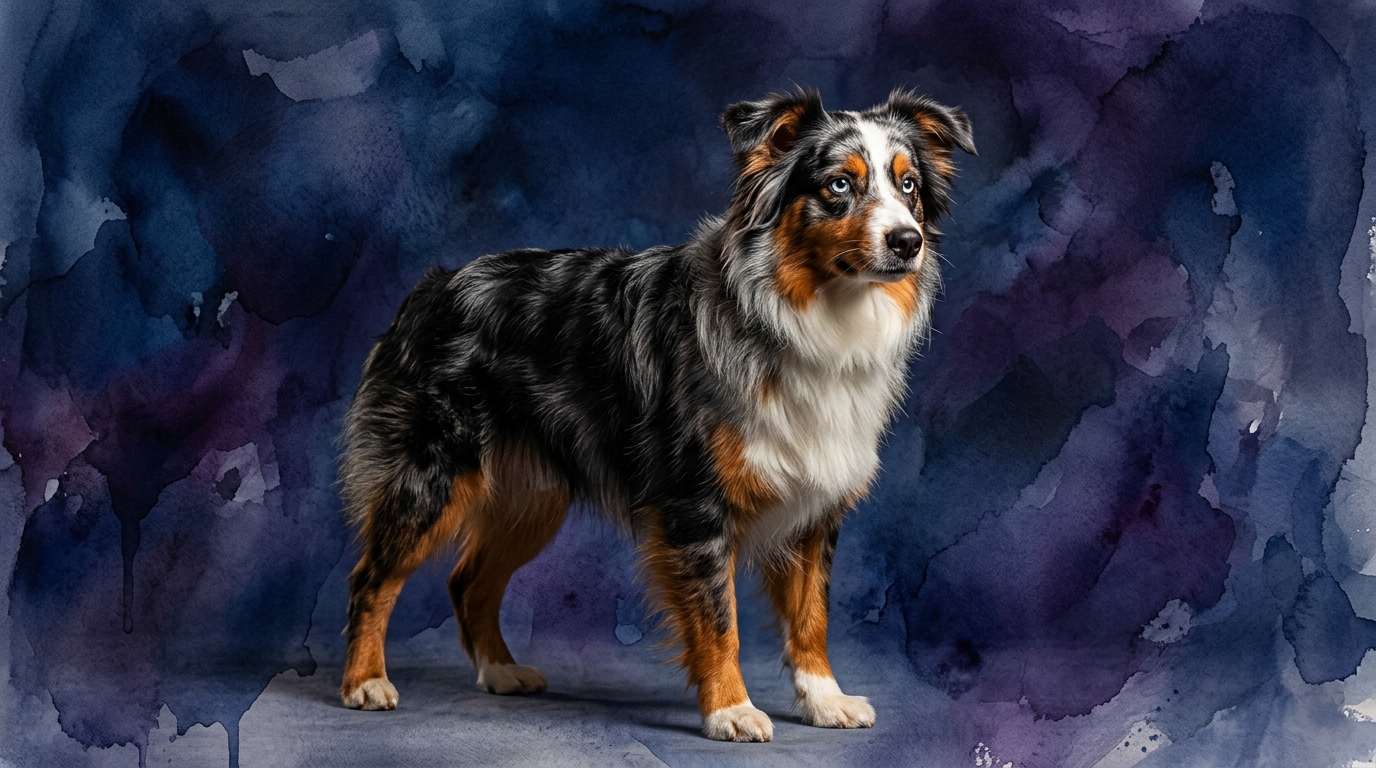
Side-by-Side IQ Profile: Terrier Tenacity vs. Herding Acuity
The Cosmic Pet Pet IQ Lab assesses canine intelligence across five key dimensions, offering a nuanced understanding beyond simple labels. For the Jack Russell Terrier, we observe a formidable intellect geared towards independent action and persistent pursuit. Their Problem Solving is rated 5/5, indicating an exceptional ability to independently figure out complex situations, often involving creative approaches to overcome obstacles and a refusal to be easily deterred. Training Speed is 3/5, suggesting a moderate pace for acquiring new commands; while capable of learning, their independent spirit means they might not always prioritize immediate compliance, requiring consistent, engaging methods. Social Intelligence stands at 3/5, reflecting an average understanding of human cues and social dynamics, where they form strong bonds but might prioritize their own agenda over subtle signals in novel situations. Instilling Drive is a powerful 5/5, manifesting as an extremely high intrinsic motivation, particularly for prey pursuit, digging, and exploration. Finally, their Memory is 4/5, demonstrating strong retention of experiences and learned behaviors, which aids in recalling routines, commands, and past interactions effectively.
In contrast, the Miniature American Shepherd presents a cognitive profile more aligned with cooperative work and attentive responsiveness. Their Problem Solving is 3/5, indicating a moderate capacity for independent thought; they can navigate challenges but often look to their handler for guidance, preferring collaborative solutions. Training Speed also sits at 3/5, meaning they learn at a steady rate, with their eagerness to please often making them amenable to instruction. Social Intelligence is 3/5, an average understanding of human cues, generally making them responsive to their family's emotions and body language, valuing harmonious interactions within their established social group. Instinctive Drive is 3/5, a moderate level primarily focused on herding behaviors like gathering and control, rather than intense prey drive, translating to a desire for purpose and activity often involving their human companions. Their Memory is 3/5, showing moderate retention of experiences and learned behaviors, benefiting from consistent reinforcement to solidify their understanding of commands and routines.
Where the Jack Russell Terrier Wins Cognitively
The Jack Russell Terrier clearly demonstrates a cognitive edge in areas demanding independent thought and relentless pursuit. Their remarkable 5/5 Problem Solving score means they excel at tasks requiring self-directed ingenuity, such as figuring out how to open a gate, retrieve a hidden object from a complex setup, or navigate an unfamiliar environment to reach a goal. This isn't just about speed; it's about a tenacious, iterative approach to challenges where they will try multiple solutions until they succeed, often without direct human guidance. This contrasts sharply with the Miniature American Shepherd's more moderate 3/5 problem-solving, which might see them seeking handler input sooner.
Furthermore, the JRT's 5/5 Instinctive Drive fuels their cognitive processing, making them incredibly focused and persistent when engaged in activities that tap into their natural inclinations. This intense drive, particularly for chasing and exploring, means they possess an innate motivation that can be channeled into demanding tasks like earthdog trials or advanced scent work, where their focus is unwavering. Their 4/5 Memory also gives them an advantage, allowing them to recall complex sequences of events or the exact location of a hidden item over extended periods. This superior recall means they can build on past successes and failures more effectively, refining their problem-solving strategies over time in a way that the MAS’s 3/5 memory might not support as readily.
Where the Miniature American Shepherd Shines Cognitively
While the Jack Russell Terrier's individual cognitive scores are generally higher, the Miniature American Shepherd's overall cognitive profile offers distinct advantages in contexts emphasizing cooperation and responsiveness. The MAS's moderate 3/5 Problem Solving, combined with their Herding group temperament, often manifests as a desire to work *with* their handler, making them highly receptive to cues and direction. Instead of independently devising solutions, they are more inclined to look to their human partner for guidance, which is invaluable in complex team-based activities like competitive obedience or agility, where precise execution of commands is paramount.
Their moderate 3/5 Instinctive Drive, while lower than the JRT's, is primarily focused on herding behaviors rather than intense prey drive, making it more manageable and channelable for many owners. This drive translates into a strong desire for purpose and engagement with their human companions, fostering a partnership where the dog actively seeks to understand and fulfill expectations. Even with a 3/5 Social Intelligence score similar to the JRT, the MAS often applies this understanding towards harmonious interaction and collaborative effort, making them responsive to subtle body language and vocal cues within a working partnership. This cognitive inclination towards partnership allows them to excel in environments where nuanced communication and shared goals are prioritized over independent action, creating a more fluid and less challenging training dynamic for many.
Ease of Training: Navigating Tenacity vs. Cooperation
Both the Jack Russell Terrier and the Miniature American Shepherd register a 3/5 for Training Speed, implying they learn new commands at a similar pace. However, the *ease* of training, from the owner's perspective, can differ significantly due to their other cognitive traits and behavioral tendencies. The Jack Russell Terrier's exceptional 5/5 Problem Solving and intense 5/5 Instinctive Drive often mean they are not merely learning commands but also assessing whether those commands align with their own strong motivations. They might quickly grasp what you want but choose to pursue a more interesting scent or independent project instead, making consistency and creative motivation essential. Training a JRT often requires an owner to be equally tenacious and inventive, channeling their dog's drive into constructive activities rather than attempting to suppress it, which can be a significant challenge for the uninitiated.
The Miniature American Shepherd, with its moderate 3/5 Problem Solving and 3/5 Instinctive Drive, combined with its herding background, generally presents a more biddable and cooperative training experience. While they also learn at a moderate pace, their inherent desire to work as part of a team and their attentiveness to their handler often make them more responsive to direction. They are less likely to independently 'problem-solve' their way out of a command or be overwhelmingly distracted by an intense prey drive. This predisposition for partnership means that while the cognitive speed of acquisition might be similar, the MAS is often perceived as 'easier to train' because they are more inclined to engage with their handler's agenda, making the process smoother and less prone to power struggles for many owners.
Matching Breeds to Lifestyles: Active Engagement vs. Purposeful Partnership
For owners considering a Jack Russell Terrier, an active lifestyle is not merely a recommendation; it is a prerequisite for a balanced companion. Their 5/5 Problem Solving and 5/5 Instinctive Drive demand constant mental and physical engagement. These are not dogs content with a simple walk around the block; they need outlets for their inherent desire to chase, dig, and explore. Owners must provide structured activities that challenge their intellect, such as advanced puzzle toys, complex scent games, or dedicated earthdog trials, alongside vigorous physical exercise like long hikes or agility training. A relaxed owner who cannot commit to providing these intense outlets will likely find a JRT to be a source of frustration, manifesting in destructive behaviors or incessant attention-seeking, as their cognitive energy needs a constructive channel.
The Miniature American Shepherd also thrives with active owners, but their needs are often geared towards purposeful partnership rather than independent pursuit. With a moderate 3/5 Instinctive Drive and a herding background, they excel in activities that involve working closely with their human, such as dog sports like agility, obedience, flyball, or disc dog. They enjoy having a job to do and appreciate consistent mental stimulation through training sessions and problem-solving games that involve their handler. While they require regular exercise and mental engagement, their drive is generally more manageable than a JRT's intense focus, making them potentially more adaptable to a varied activity schedule. They are not suited for relaxed owners who cannot provide daily exercise and consistent mental interaction, but their need for 'activity' often translates to 'purposeful engagement' rather than the JRT's relentless 'independent exploration.'
The Verdict
Choose a Jack Russell Terrier if you relish a cognitive challenge, appreciate an independent, tenacious problem-solver, and are prepared to channel intense drive into constructive activities like earthdog trials or complex puzzle games.
Choose a Miniature American Shepherd if you seek a collaborative partner for dog sports or active family life, who values working alongside you and thrives on purposeful interaction and structured mental engagement.
🧠 Find Your Pet's IQ Score
Our Pet IQ Lab assessment covers 25+ tests across 5 cognitive dimensions — personalized to your breed.
Take the Full IQ Test →Frequently Asked Questions
Are Jack Russells difficult to live with due to their drive?
Their intense instinctive drive and high problem-solving capacity mean Jack Russells require significant mental and physical engagement to prevent boredom and destructive behaviors. While not inherently 'difficult,' they demand consistent training and appropriate outlets for their terrier nature to be well-adjusted companions.
Can Miniature American Shepherds live in apartments?
Miniature American Shepherds can adapt to apartment living if their owners provide ample daily exercise and mental stimulation, such as walks, dog park visits, and training sessions. Their moderate drive and desire for companionship mean they thrive on interaction but need a consistent routine to prevent restlessness indoors.
Which breed is better for first-time dog owners?
Neither breed is typically recommended for entirely novice owners due to their distinct needs for training and engagement. However, a Miniature American Shepherd might be slightly more manageable for a committed first-timer due to their cooperative nature, while a Jack Russell Terrier's independent problem-solving and intense drive often require more experienced handling.