Side-by-Side Cognitive Profiles
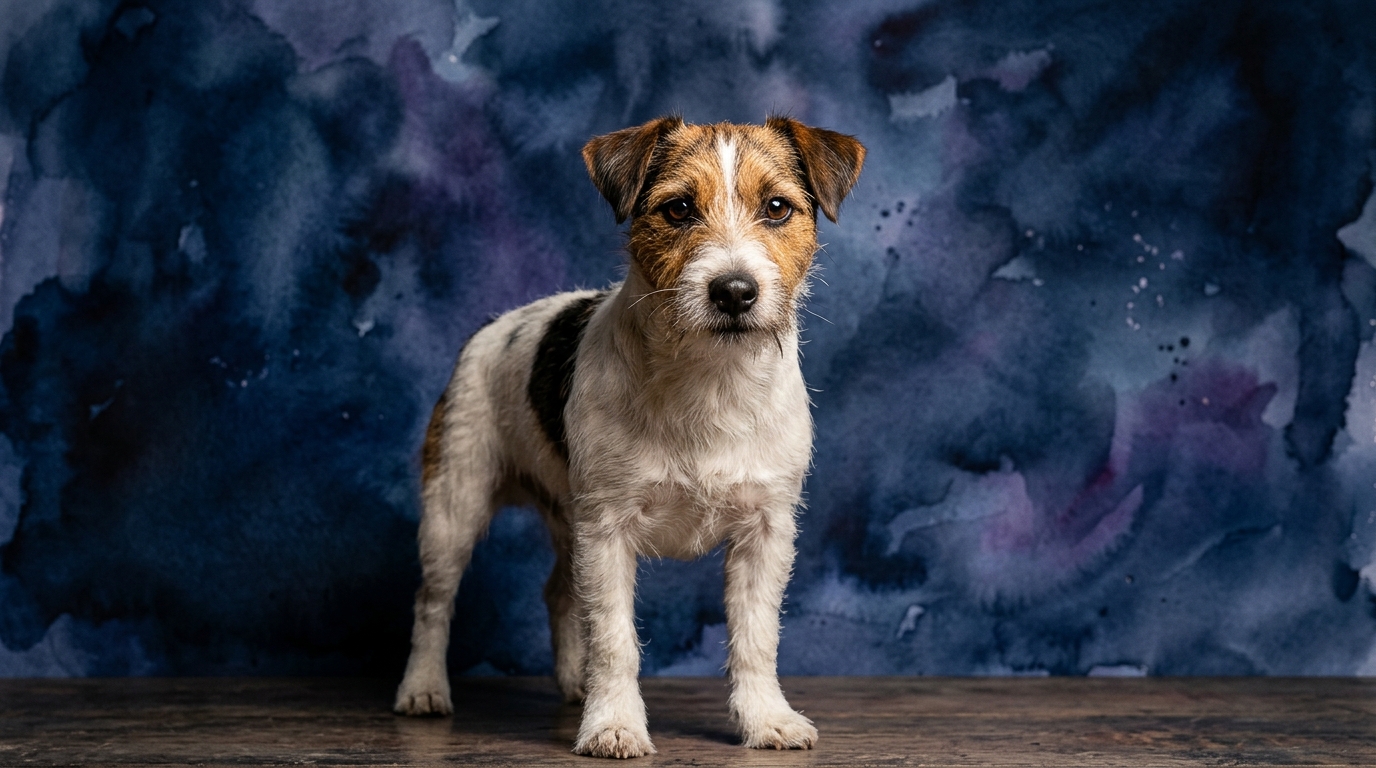
The Cosmic Pet Pet IQ Lab provides a detailed framework for understanding the cognitive strengths of different breeds, assessing five key dimensions. For the Jack Russell Terrier, these scores paint a picture of a resourceful and driven problem-solver. Their Problem Solving is rated 5/5, reflecting a remarkable ability to devise solutions and overcome obstacles, often with creative and independent thought. Training Speed stands at 3/5, indicating they can acquire new commands but their independent nature often means consistency requires effort. Social Intelligence, at 3/5, suggests they are capable of understanding human cues but are often more focused on their immediate tasks or prey drive. Instinctive Drive is a powerful 5/5, manifesting as an intense pursuit of prey or objectives, while their Memory, at 4/5, allows them to retain complex sequences and learned behaviors effectively.
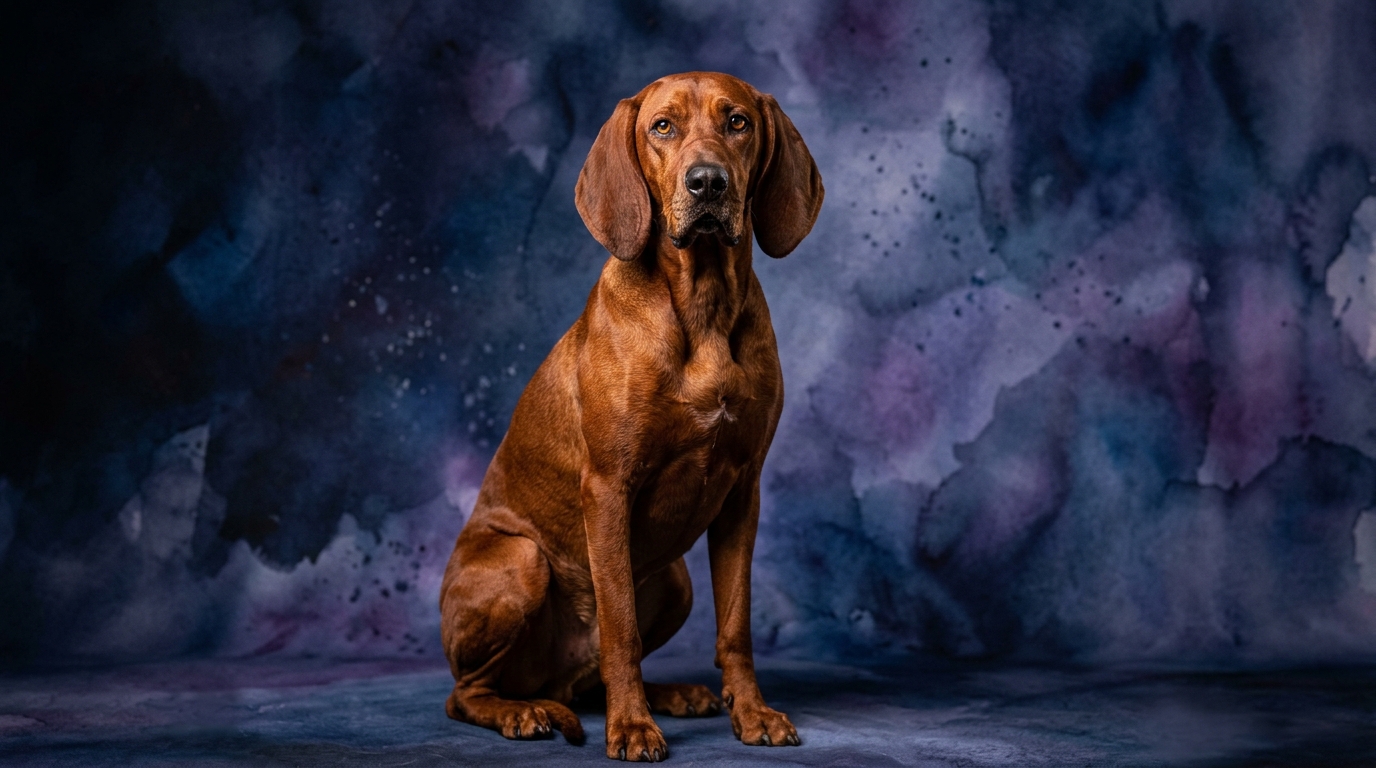
The Redbone Coonhound presents a different cognitive landscape, shaped by centuries of selective breeding for scent work. Their Problem Solving is rated 3/5; while capable, their approach is typically more methodical and less about rapid, novel solutions than a Terrier's. Training Speed also sits at 3/5, meaning they can learn, but their strong scent focus often presents a significant distraction, making consistency a long-term endeavor. Social Intelligence, like the Jack Russell, is 3/5, indicating they are generally good-natured with their people but can be singularly focused on a scent trail to the exclusion of other stimuli. Their Instinctive Drive is 3/5, reflecting a powerful, sustained drive for tracking rather than the explosive pursuit of a terrier. Memory, at 3/5, supports their ability to recall complex scent paths and learned routines, though perhaps not with the same breadth as a Jack Russell Terrier.
Where the Jack Russell Terrier Excels Cognitively
The Jack Russell Terrier's cognitive strengths are most apparent in their exceptional Problem Solving (5/5) and potent Instinctive Drive (5/5). This combination makes them incredibly resourceful and persistent when faced with challenges. They are adept at figuring out how to access desired items, navigate complex environments, or outwit perceived obstacles. This isn't just about simple tasks; their minds are wired to analyze, strategize, and execute, often with a surprising degree of ingenuity.
Furthermore, their robust Memory (4/5) complements their problem-solving prowess. A Jack Russell can remember intricate sequences of actions or solutions that worked previously, applying that knowledge to new, similar situations. This memory, combined with their relentless drive, means they won't easily forget a goal or the path to achieve it, making them formidable in tasks requiring sustained mental engagement and recall.
Where the Redbone Coonhound's Cognition Shines
While their scores may appear lower, the Redbone Coonhound's cognitive strengths are perfectly tailored for their specialized purpose: scent trailing. Their Instinctive Drive (3/5), though numerically lower than a JRT's, represents an unparalleled capacity for sustained, methodical focus on a single sensory input – scent. This isn't about quick bursts of energy or immediate problem resolution, but rather an unflagging dedication to following a complex, often faint, trail over long distances and varied terrain. Their 'problem-solving' in this context is about systematically dissecting a scent puzzle, rather than devising a novel solution to an immediate physical barrier.
The Redbone Coonhound's Memory (3/5) is crucial for their tracking abilities, allowing them to retain the nuances of a scent trail, differentiating between fresh and old, and recalling specific paths taken. Their Problem Solving (3/5), within the context of their work, manifests as an ability to methodically work through a trail, overcoming environmental distractions and changes in scent intensity with unwavering determination. This unique blend of sustained focus, sensory discrimination, and methodical persistence defines their cognitive brilliance, even if it doesn't always translate to high scores in human-centric 'problem-solving' tests.
Training Dynamics: Jack Russell Terrier vs. Redbone Coonhound
Both breeds share a Training Speed score of 3/5, yet the nature of their training challenges differs significantly. The Jack Russell Terrier learns commands quickly due to their cognitive agility and memory, but their high instinctive drive and independent spirit can make consistent obedience a hurdle. They can become bored with repetitive drills and are prone to following their instincts over commands if something more stimulating arises. Effective training for a JRT demands engaging, varied sessions, positive reinforcement, and a trainer who understands how to channel their boundless energy and curiosity.
The Redbone Coonhound's training journey is also a 3/5, but for different reasons. While they are capable of learning, their primary motivation and distraction is scent. When a fascinating scent presents itself, all other stimuli, including human commands, often fade into the background. This requires immense patience, a consistent training approach that gradually introduces distractions, and the use of high-value rewards to compete with the allure of a trail. For both breeds, early socialization and consistent, positive reinforcement are paramount, but the focus of that training needs to account for their distinct intrinsic motivations: prey drive for the JRT, and scent drive for the RBH.
Lifestyle Suitability: Active vs. Relaxed Owners
For owners seeking an active companion, both breeds demand a significant commitment, though their needs diverge. The Jack Russell Terrier is an ideal match for highly active individuals or families who thrive on vigorous outdoor activities, agility sports, or complex trick training. Their immense energy and mental acuity require constant engagement; a bored Jack Russell can quickly become a destructive or mischievous one. They need outlets for their problem-solving skills and instinctive drives, making them unsuitable for truly relaxed or sedentary lifestyles.
The Redbone Coonhound also requires an active owner, particularly one who appreciates long walks, hikes, or opportunities for scent work. While they might appear more relaxed indoors after sufficient exercise compared to a JRT, their need for sustained physical activity, especially involving their nose, is non-negotiable. They are not content with short strolls around the block; they need to explore, track, and use their incredible olfactory senses. A relaxed owner who cannot provide consistent, extended outdoor adventures will find a Redbone Coonhound a challenging companion.
The Verdict
Choose a Jack Russell Terrier if you seek a compact, tenacious, problem-solving companion for vigorous activity and enjoy channeling intense focus into complex tasks and training.
Opt for a Redbone Coonhound if you desire a methodical, scent-driven partner for long outdoor excursions and appreciate a calmer demeanor indoors once their substantial exercise needs are met.
🧠 Find Your Pet's IQ Score
Our Pet IQ Lab assessment covers 25+ tests across 5 cognitive dimensions — personalized to your breed.
Take the Full IQ Test →Frequently Asked Questions
Are Jack Russell Terriers good family dogs?
Jack Russell Terriers can be good family dogs for active, experienced families who can provide consistent training and mental stimulation. Their high energy and strong prey drive mean they may not be suitable for homes with very young children or other small pets unless extensively socialized.
Do Redbone Coonhounds bark a lot?
Redbone Coonhounds are known for their distinctive 'baying' vocalization, which they use when trailing scent. While not typically excessive barkers in the house, they will vocalize when excited, lonely, or on a scent, which can be quite loud and carry a long distance.
What kind of mental stimulation do these breeds need?
Jack Russell Terriers thrive on puzzle toys, obedience training, agility, and tasks that challenge their problem-solving skills. Redbone Coonhounds require mental stimulation through scent work, tracking games, and long walks that allow them to explore their environment with their nose.