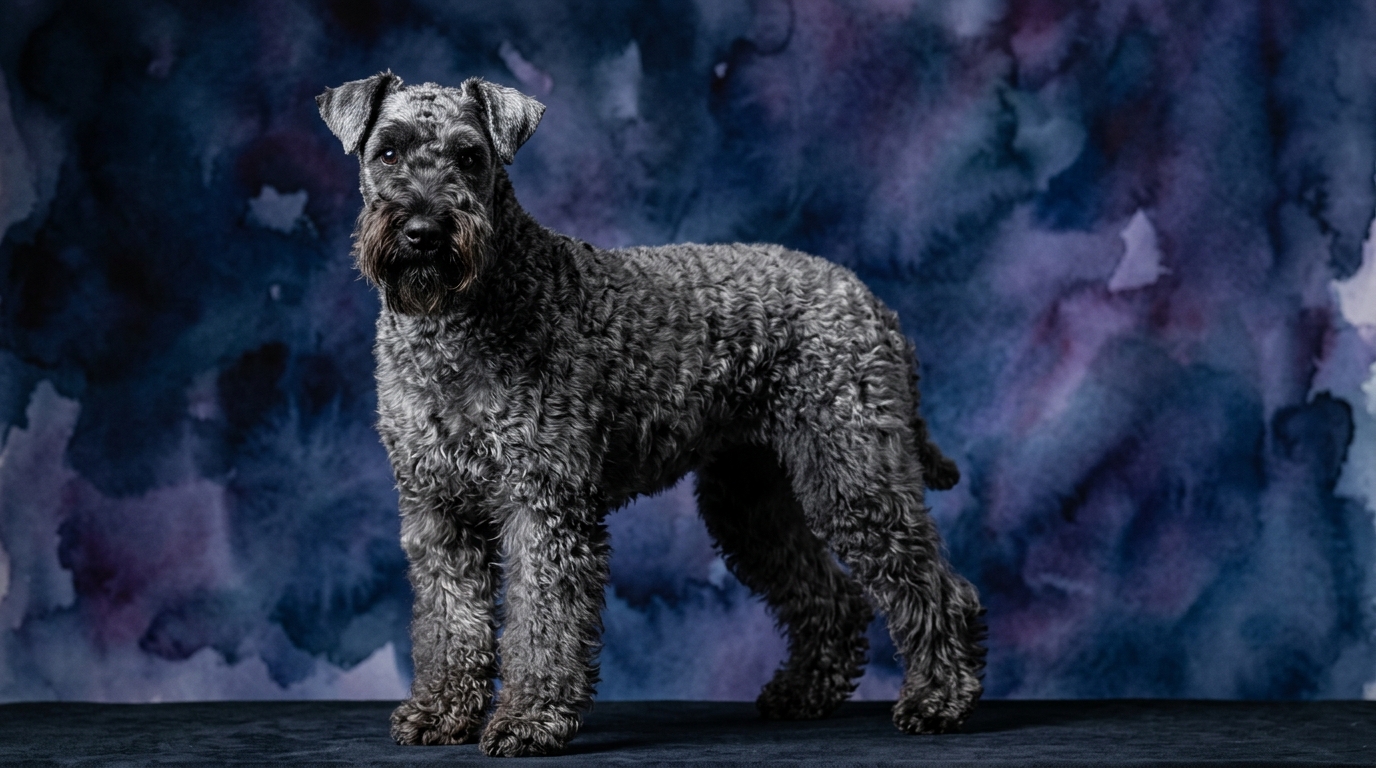
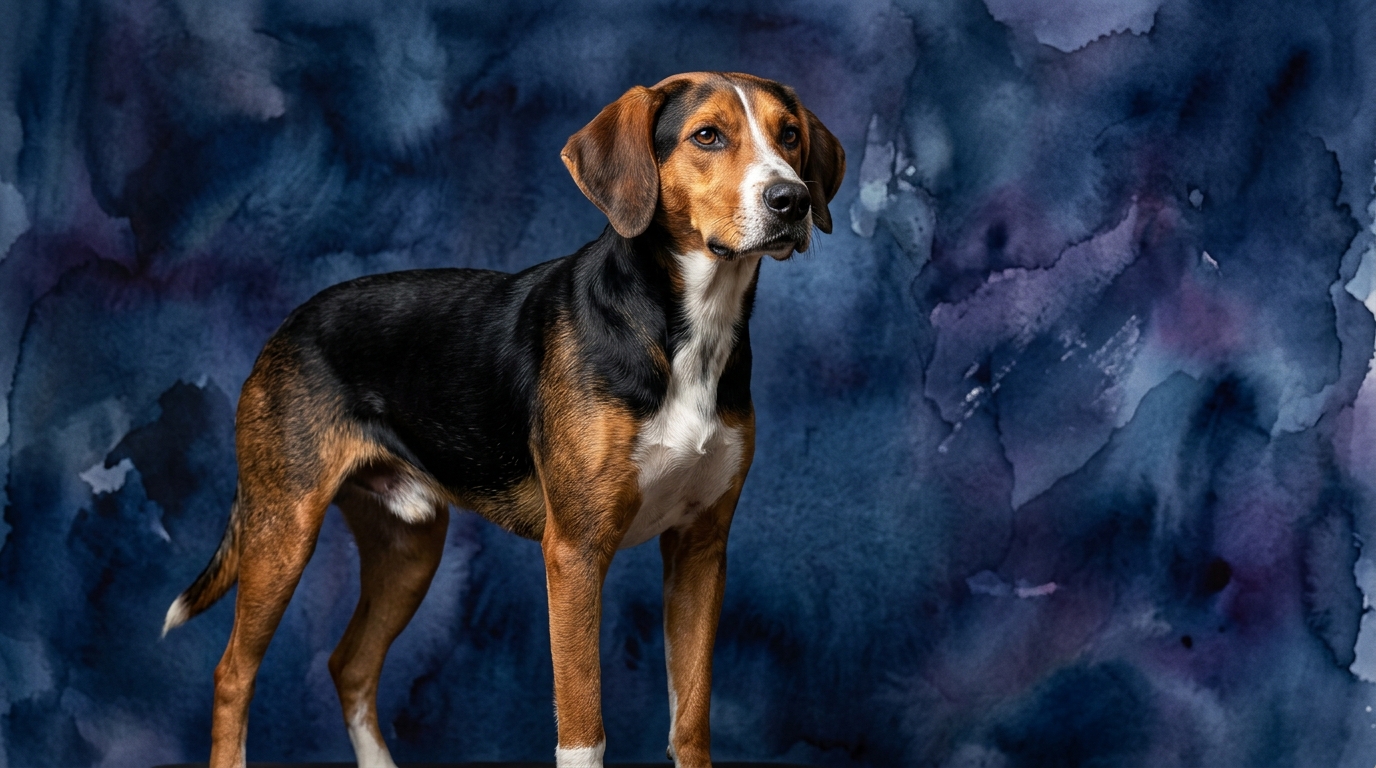
Side-by-Side IQ Profile: Kerry Blue Terrier vs. American Foxhound
At The Cosmic Pet Pet IQ Lab, both the Kerry Blue Terrier and the American Foxhound achieve a solid 3/5 across all five measured intelligence dimensions. This indicates a consistent, average aptitude for cognitive tasks, yet the *manifestation* of this aptitude is profoundly shaped by their breed-specific heritage and instincts. Understanding these nuances is key to appreciating their individual mental strengths.
The Kerry Blue Terrier exhibits a solid 3/5 in problem-solving, often applying this aptitude to tasks requiring determination and a bit of cunning. Their terrier heritage means they excel at figuring out how to get to something they want, like a hidden toy or a perceived 'intruder' in the yard, often through persistent, physical engagement rather than intricate logical deduction. For the American Foxhound, also scoring 3/5 in problem-solving, their cognitive approach is distinctly different. Problem-solving often revolves around navigating complex environments while tracking a scent, involving intricate spatial reasoning, memory of terrain, and the ability to overcome physical obstacles to stay on a trail. Their 'problems' are less about manipulating objects and more about sustained, focused pursuit and pathfinding.
With a 3/5 in training speed, the Kerry Blue Terrier can learn new commands at a steady pace, provided the motivation is compelling and the methods are engaging. Their independent spirit means rote repetition might lead to disengagement; success often comes from making training feel like a collaborative game where their intelligence is respected, rather than just obedience. The American Foxhound also registers 3/5 for training speed, yet their learning style is heavily influenced by their primary drive. While capable of learning quickly, especially tasks related to their instinctive purpose, their singular focus on scent can make them appear less responsive to general obedience commands in distracting environments. They learn best when training taps into their natural instincts or offers clear, consistent rewards.
A 3/5 in social intelligence for the Kerry Blue Terrier reflects their capacity to form deep bonds with their family while often maintaining a reserved or even assertive demeanor with strangers or other animals. They read human emotions well within their trusted circle and can be highly attuned to household dynamics, but their social interactions outside this core group are often carefully managed and can be less overtly expressive. The American Foxhound's 3/5 in social intelligence manifests differently. Historically pack animals, they possess a strong capacity for group cooperation and communication, often with other dogs. With humans, they are generally amiable and tolerant, though their social cues might be more subtle or less 'person-centric' than some companion breeds, especially when their scent drive takes over.
The Kerry Blue Terrier's 3/5 instinctive drive is largely rooted in their terrier purpose: hunting and dispatching vermin. This translates into a strong prey drive, a desire to dig, and a persistent nature when pursuing a perceived 'target.' While not extreme, this drive is a consistent undercurrent in their behavior, requiring appropriate outlets and management. For the American Foxhound, a 3/5 instinctive drive is overwhelmingly dominated by their exceptional olfactory capabilities and their heritage as pursuit hunters. This translates to an unwavering focus on scents, a desire to roam and track, and incredible stamina. This drive is a defining characteristic, making them highly motivated by scent-based activities but also prone to independent exploration.
Scoring 3/5 in memory, the Kerry Blue Terrier demonstrates good recall for routines, learned commands, and familiar people and places. They remember past interactions, both positive and negative, and can adapt their behavior based on these recollections. Their memory supports their problem-solving by allowing them to learn from experience and apply past solutions to new, similar challenges. The American Foxhound's 3/5 memory is particularly robust for spatial information and scent trails. They can remember complex routes, the location of specific scents, and the patterns of their hunting grounds. While they also remember commands and routines, their memory is exceptionally tuned to environmental cues relevant to their primary purpose, allowing them to navigate and track with remarkable proficiency.
Where the Kerry Blue Terrier Shines Cognitively
The Kerry Blue Terrier's cognitive strengths often lie in their self-directed problem-solving and nuanced social understanding within their inner circle. Their terrier tenacity means they excel at figuring out mechanical puzzles or overcoming physical barriers to achieve a goal, even if it requires repeated attempts. This isn't about brute force, but a clever, persistent approach to 'getting things done' on their own terms. For instance, a Kerry Blue might spend considerable time strategizing how to retrieve a toy stuck under furniture, using various angles and methods until successful. Furthermore, their social intelligence, while not universally expansive, is deeply focused on their human family. They possess a subtle ability to read the moods and intentions of their primary caregivers, adapting their behavior to seek attention, offer comfort, or even playfully instigate interaction. This intuitive understanding of their human companions creates a rich, responsive bond, making them astute observers of household dynamics.
Where the American Foxhound Excels Cognitively
The American Foxhound's cognitive brilliance is undeniably centered around their olfactory prowess and the complex mental mapping required for sustained tracking. Their problem-solving isn't about manipulating objects but about interpreting an intricate tapestry of scent data, discerning fresh trails from old, and navigating varied terrain with unwavering focus. An American Foxhound can mentally reconstruct a path based on faint scent cues, demonstrating exceptional cognitive processing of sensory input over long distances and durations. This specialized form of intelligence allows them to make rapid, independent decisions in the field, prioritizing the trail above all else. Their social intelligence also shines in a unique way, particularly in their ability to cooperate within a group, whether a hunting pack or a multi-dog household. They understand group dynamics and communication cues, contributing to a harmonious collective. Their robust memory for geographical layouts and scent patterns further underscores their specialized cognitive gifts, allowing them to recall vast areas and specific odors with striking accuracy.
Training Ease: Unpacking Behavioral Differences
When it comes to training, both the Kerry Blue Terrier and the American Foxhound present a solid 3/5 training speed, but the 'ease' often depends on the owner's understanding of their inherent behavioral drivers. The Kerry Blue Terrier, with its independent and often spirited nature, responds best to training that is engaging, varied, and rewards their cleverness. Rote drills can quickly bore them, leading to 'selective hearing' or creative diversions. They need an owner who can make training feel like a challenge to be conquered, leveraging their problem-solving skills rather than trying to overpower their will. Consistency and positive reinforcement are crucial, but so is a sense of humor for their sometimes mischievous streak. Their social intelligence means they genuinely want to please their family, but their terrier stubbornness can sometimes override this desire if they perceive a task as uninteresting or unfair.
The American Foxhound, while equally scoring 3/5, offers a different training experience. Their profound instinctive drive for scent work means their focus can be incredibly intense on a trail, making recall or attention to human commands challenging in highly stimulating environments. Their training success hinges on an owner's ability to capitalize on their motivation – often through scent games, long walks where they can 'work,' and consistent, clear commands that cut through potential distractions. While generally amiable, their independent nature on the hunt means they are not inherently inclined to constant human-pleasing obedience. Training requires immense patience, consistency, and an understanding that their nose will often dictate their priorities. Owners must be prepared to manage their powerful tracking instinct through secure environments and dedicated training efforts that gradually build responsiveness even amidst tempting scents.
Matching Breeds to Lifestyles: Active vs. Relaxed Owners
Determining which breed suits an active versus a more relaxed owner involves looking beyond mere physical activity levels to cognitive engagement needs. The Kerry Blue Terrier, despite its moderate physical size, requires an active owner who can provide consistent mental stimulation and engaging activities. Their problem-solving aptitude and instinctive drive mean they thrive on puzzles, obedience training, agility, or even 'jobs' around the house. A relaxed owner might find their terrier's independent spirit and need for engagement challenging, potentially leading to boredom-driven behaviors like digging or excessive barking. They need an owner who is willing to be an active participant in their cognitive life, offering varied training and interactive play rather than just passive companionship. Furthermore, their distinctive coat requires regular grooming, which is another commitment.
The American Foxhound, on the other hand, is unequivocally a breed for the highly active owner, and 'relaxed' is rarely a word associated with their ideal lifestyle. Their immense stamina and powerful instinctive drive for tracking demand vast opportunities for physical exertion and scent work. A truly active owner would engage them in long hikes, running, or dedicated scent sports, allowing them to fulfill their inherent purpose. A relaxed owner would struggle immensely with the Foxhound's need for continuous, vigorous exercise and mental stimulation through their nose. Confined to a small space or without sufficient outlets, an American Foxhound can become restless, vocal, and prone to escape attempts. Their contentment comes from being able to 'work' their nose and stretch their legs, making them ideal for individuals or families who embrace an outdoor, adventurous lifestyle and have the space and time to accommodate their significant needs.
The Verdict
Choose the Kerry Blue Terrier if you're an active owner seeking a clever, engaging companion who thrives on mental challenges and forms a deep, responsive bond within the family, appreciating their distinctive independent streak.
Opt for the American Foxhound if you lead a highly active, outdoor-centric lifestyle and are prepared to dedicate significant time to fulfilling their profound instinctive need for scent work and expansive physical exercise.
🧠 Find Your Pet's IQ Score
Our Pet IQ Lab assessment covers 25+ tests across 5 cognitive dimensions — personalized to your breed.
Take the Full IQ Test →Frequently Asked Questions
Are Kerry Blue Terriers and American Foxhounds difficult to train due to their similar IQ scores?
While both breeds score 3/5 in training speed, neither is inherently 'difficult' but rather requires specific training approaches tailored to their breed type. Kerry Blues benefit from engaging, varied sessions that respect their clever independence, while Foxhounds need consistent, patient training that accounts for their powerful scent drive.
Can an American Foxhound be a good family pet despite its strong instinctive drive?
Yes, an American Foxhound can be a loyal and amiable family pet, especially if their significant exercise and scent-work needs are consistently met. They are generally tolerant and good-natured, but their independent nature and powerful nose mean they thrive best with active families who understand and accommodate their breed-specific requirements.
What kind of mental stimulation is best for a Kerry Blue Terrier?
Kerry Blue Terriers benefit from mental stimulation that taps into their problem-solving and persistent nature. This includes puzzle toys, engaging obedience training, agility, earthdog trials, or even teaching them complex tricks, all designed to challenge their quick minds and prevent boredom.