
Side-by-Side Pet IQ Lab Profile
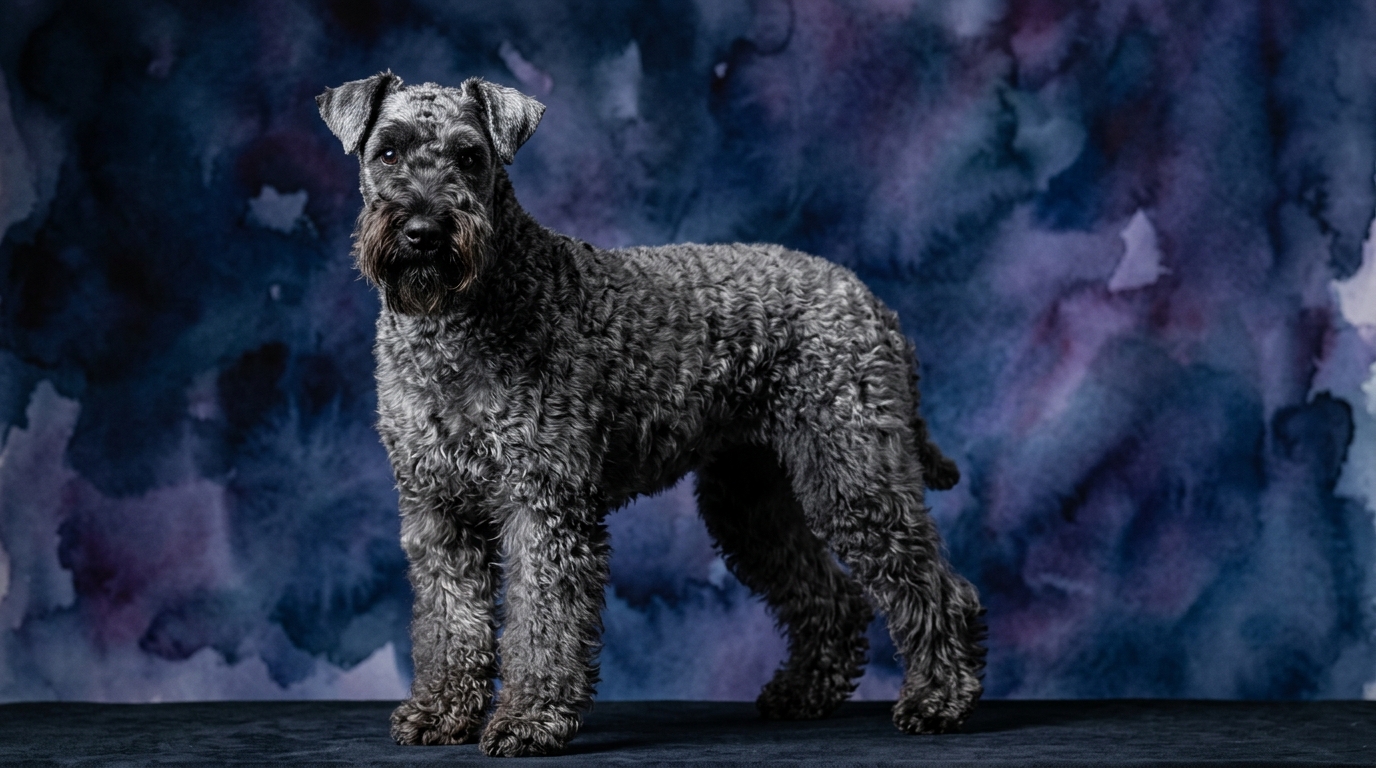
The Pet IQ Lab provides a standardized framework to assess canine intelligence across five key dimensions. For both the Kerry Blue Terrier and the Rhodesian Ridgeback, the scores are consistently 3/5 across the board, indicating an average yet capable aptitude. However, understanding what a '3/5' means for each breed requires looking beyond the number to their inherent nature and purpose.
Kerry Blue Terrier IQ Profile:
Problem Solving (3/5): This breed approaches challenges with a characteristic terrier tenacity, often employing independent thought to outwit small prey or navigate complex environments. Their problem-solving shows a cleverness focused on immediate, tangible results rather than elaborate strategies, demonstrating a practical, hands-on intellect.
Training Speed (3/5): Kerry Blues learn at a steady pace, capable of grasping new commands and routines effectively. Their independent streak, however, means consistent, engaging training is crucial to maintaining their focus and preventing boredom from slowing their progress.
Social Intelligence (3/5): A Kerry Blue Terrier displays a robust awareness of their social environment, understanding human cues and navigating interactions with other animals. Their intelligence here often manifests as a confident, sometimes assertive, engagement with their world, rather than passive observation, allowing them to integrate well into dynamic households.
Instinctive Drive (3/5): Their instinctive drive is rooted in their heritage as working terriers, showing a moderate but persistent inclination for hunting, digging, and chasing. This drive is manageable but requires appropriate outlets to prevent it from becoming misdirected.
Memory (3/5): Kerry Blue Terriers possess a reliable memory, effectively retaining training, routines, and experiences. They recall familiar faces, places, and learned behaviors, contributing to their adaptability within a stable home environment.
Rhodesian Ridgeback IQ Profile:
Problem Solving (3/5): The Ridgeback's problem-solving often centers on spatial awareness and assessing situations, particularly when guarding or navigating large territories. They can devise practical solutions to obstacles, demonstrating a thoughtful rather than impulsive approach to challenges, focusing on efficiency and safety.
Training Speed (3/5): Ridgebacks learn at an average rate, absorbing commands with consistent reinforcement. Their reserved nature means they respond best to calm, clear instruction, and while not quick to offer spontaneous obedience, they retain what they learn thoroughly and reliably.
Social Intelligence (3/5): This breed exhibits a discerning social intelligence, often reserved with strangers but deeply attuned to their family's dynamics. They interpret subtle cues and can be protective, demonstrating an understanding of their role within their social structure and showing a keen awareness of social hierarchy.
Instinctive Drive (3/5): The Rhodesian Ridgeback’s instinctive drive is primarily for guarding, tracking, and endurance, reflecting their heritage as lion hunters. This drive manifests as a strong protective instinct and a desire to patrol, requiring structured outlets for physical and mental engagement.
Memory (3/5): Ridgebacks have a solid memory for commands, routines, and the layout of their environment. They remember past experiences, both positive and negative, influencing their future interactions and responses to various situations with a long-term recall.
Where the Kerry Blue Terrier Excels Cognitively
Despite identical numerical scores, the Kerry Blue Terrier's cognitive strengths shine in areas demanding quick, independent decision-making and a certain spirited persistence. Their Problem Solving at 3/5, for example, is often applied to figuring out how to bypass barriers or outmaneuver small, fast targets, showcasing a nimble, adaptive intellect. This isn't about grand strategy, but rather agile, moment-to-moment tactical thinking crucial for their original purpose.
Their Social Intelligence, also 3/5, often manifests as a keen ability to 'read' their human companions' moods and intentions, not necessarily to please, but to understand what they can get away with or how to instigate play. This terrier wit means they can be adept at charming their way into or out of situations. Furthermore, their Instinctive Drive, while rated 3/5, is channeled into a focused, relentless pursuit, making them particularly adept at tasks requiring sustained attention on a moving target, whether that's a lure in a sport or a squirrel in the yard. This concentrated drive, paired with their Memory of 3/5, allows them to recall effective hunting techniques or escape routes, giving them an edge in self-directed, exploratory endeavors.
Where the Rhodesian Ridgeback Excels Cognitively
The Rhodesian Ridgeback's cognitive strengths, though numerically similar, lean towards a more measured, spatially aware, and protective form of intelligence. Their Problem Solving (3/5) is often demonstrated in assessing their surroundings, navigating complex terrain, or evaluating potential threats rather than impulsive action. This involves a more deliberative process, weighing options before committing, which is vital for a guardian breed.
Their Social Intelligence (3/5) is characterized by a deep, discerning loyalty to their family and an acute awareness of their territory. They are not easily fooled and can quickly identify perceived intruders or changes in their environment, showcasing a protective intelligence that is less about charming and more about vigilant assessment. The Ridgeback's Instinctive Drive (3/5) is powerfully linked to endurance and the protection of their pack, translating into a sustained focus on patrol or long-distance tracking that requires significant stamina and mental fortitude. Their Memory (3/5) excels in recalling vast routes, the scent profiles of individuals, and the specific boundaries of their domain, making them exceptional at tasks requiring long-term spatial and relational recall, which is a different flavor of memory than the terrier's.
Training Dynamics: Kerry Blue Terrier vs. Rhodesian Ridgeback
Both breeds are rated 3/5 for Training Speed, suggesting an average learning curve, but their inherent temperaments dictate different training approaches and outcomes. The Kerry Blue Terrier, with its independent and sometimes headstrong nature, requires a trainer who understands how to channel their problem-solving and instinctive drive. While they can learn quickly, their curiosity and prey drive mean distractions can easily derail sessions. Training a Kerry Blue often feels like a negotiation; they respond best to positive reinforcement that makes learning a game, appealing to their inherent desire for engagement rather than strict adherence. Consistency is paramount, as is preventing boredom, which can lead to selective deafness.
In contrast, the Rhodesian Ridgeback, while also a 3/5 in Training Speed, is often more reserved and less inclined to spontaneous obedience. Their protective instincts and discerning social intelligence mean they need a confident, calm leader they respect. Ridgebacks are not inherently difficult to train, but they require patience and a clear understanding of expectations. They will comply once they understand the purpose and respect the trainer, often demonstrating a thoughtful, deliberate response rather than a quick, eager one. Therefore, while both require commitment, the Kerry Blue might be 'easier' for an owner who enjoys a spirited challenge and can make training fun and varied, whereas the Ridgeback might be 'easier' for an owner who values a calm, authoritative approach and a dog that thinks before it acts.
Matching Breeds to Lifestyles: Active vs. Relaxed Owners
Both the Kerry Blue Terrier and the Rhodesian Ridgeback are best suited for active owners, though the type of activity they thrive on differs significantly. The Kerry Blue Terrier, with its terrier energy and instinctive drive, requires regular, engaging exercise that stimulates both body and mind. Daily vigorous walks, playtime, and opportunities for chasing or digging are essential. They excel in dog sports like agility or earthdog trials, where their problem-solving and tenacity are put to good use. A relaxed owner might find a Kerry Blue too demanding, potentially leading to destructive behaviors born of boredom and unspent energy. Their social intelligence also means they thrive on interaction and can become restless if left alone for extended periods without mental stimulation.
The Rhodesian Ridgeback also demands an active lifestyle, but their needs lean more towards endurance and purposeful exercise. Long walks, runs, or hikes are ideal, allowing them to stretch their powerful strides and satisfy their instinctive drive for patrolling and exploration. They are excellent companions for active outdoor enthusiasts. While they can be calm indoors once their exercise needs are met, they are not suited for owners who prefer a sedentary lifestyle. Their social intelligence and protective instincts mean they also benefit from being part of family activities, even if it's just observing from a comfortable spot. A truly relaxed owner would struggle to provide the necessary physical and mental outlets for either breed, but especially the Ridgeback, whose impressive stamina requires significant commitment.
The Verdict
Opt for the Kerry Blue Terrier if you seek a spirited companion who thrives on engaging mental challenges and vigorous, varied physical activities, and you appreciate a dog with a charmingly independent streak.
Select the Rhodesian Ridgeback if you prefer a dignified, protective partner for long outdoor adventures and value a dog that responds to calm, consistent leadership and thoughtful interaction.
🧠 Find Your Pet's IQ Score
Our Pet IQ Lab assessment covers 25+ tests across 5 cognitive dimensions — personalized to your breed.
Take the Full IQ Test →Frequently Asked Questions
Do Kerry Blue Terriers and Rhodesian Ridgebacks get along with other pets?
A Kerry Blue Terrier's strong prey drive means careful introductions and supervision are crucial with smaller pets, though they can coexist with other dogs if properly socialized from a young age. Rhodesian Ridgebacks, while generally tolerant of other dogs in their family, can be reserved with strangers and may have a strong predatory instinct towards smaller animals, requiring thoughtful management.
Are these breeds good for first-time dog owners?
Neither breed is typically recommended for first-time dog owners due to their strong personalities and specific training and exercise requirements. Both benefit from experienced owners who understand canine behavior and can provide consistent leadership and socialization.
How do their grooming needs compare?
The Kerry Blue Terrier requires regular grooming, including brushing and professional stripping or clipping every 6-8 weeks to maintain their unique coat and prevent matting. The Rhodesian Ridgeback has a short, easy-care coat that only needs occasional brushing to remove loose hair, making their grooming demands considerably lower.