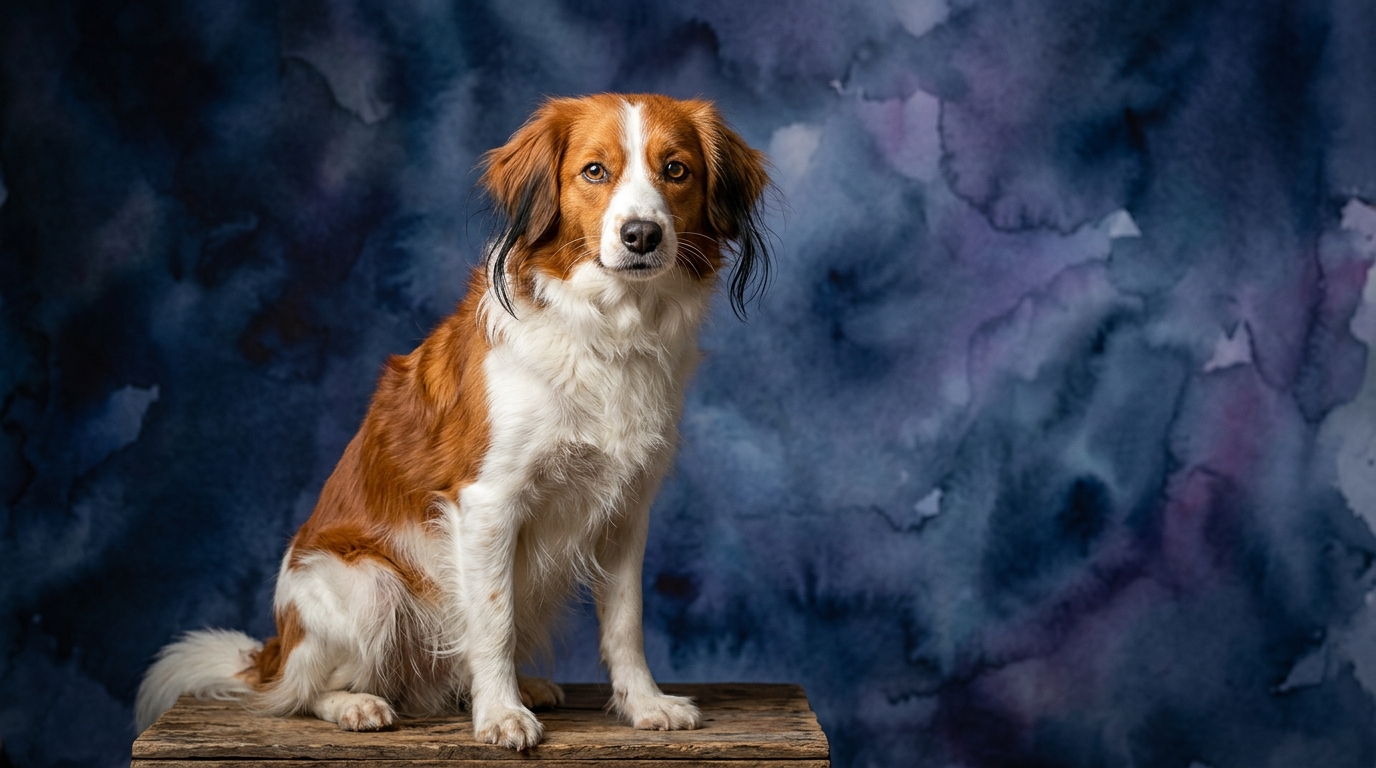
Side-by-Side IQ Profile: Kooikerhondje
The Kooikerhondje, a charming Dutch sporting dog, registers a consistent 3/5 across all five IQ dimensions. Their Problem Solving (3/5) reflects a moderate capacity for independent thought and strategic action, particularly evident in their historical role as duck decoys. They excel at figuring out environmental cues and patterns related to flushing game, demonstrating a practical intelligence geared towards their working purpose.
Their Training Speed (3/5) indicates they generally learn new commands at a moderate pace, motivated by positive reinforcement and a desire to engage with their handler. Their good attention span and focus make them responsive to consistent, engaging training sessions. Social Intelligence (3/5) allows them to form strong bonds with their primary family and discern social cues within that close circle; while generally friendly, they can be reserved with strangers, indicating a discerning social filter. The Kooiker's Instinctive Drive (3/5) is moderately strong, primarily expressed through their natural inclination for retrieving, flushing, and tracking, rooted in their gundog heritage. Finally, their Memory (3/5) is moderate, capable of retaining complex routines, learned commands, and social experiences over time, aiding their training consistency and recall.
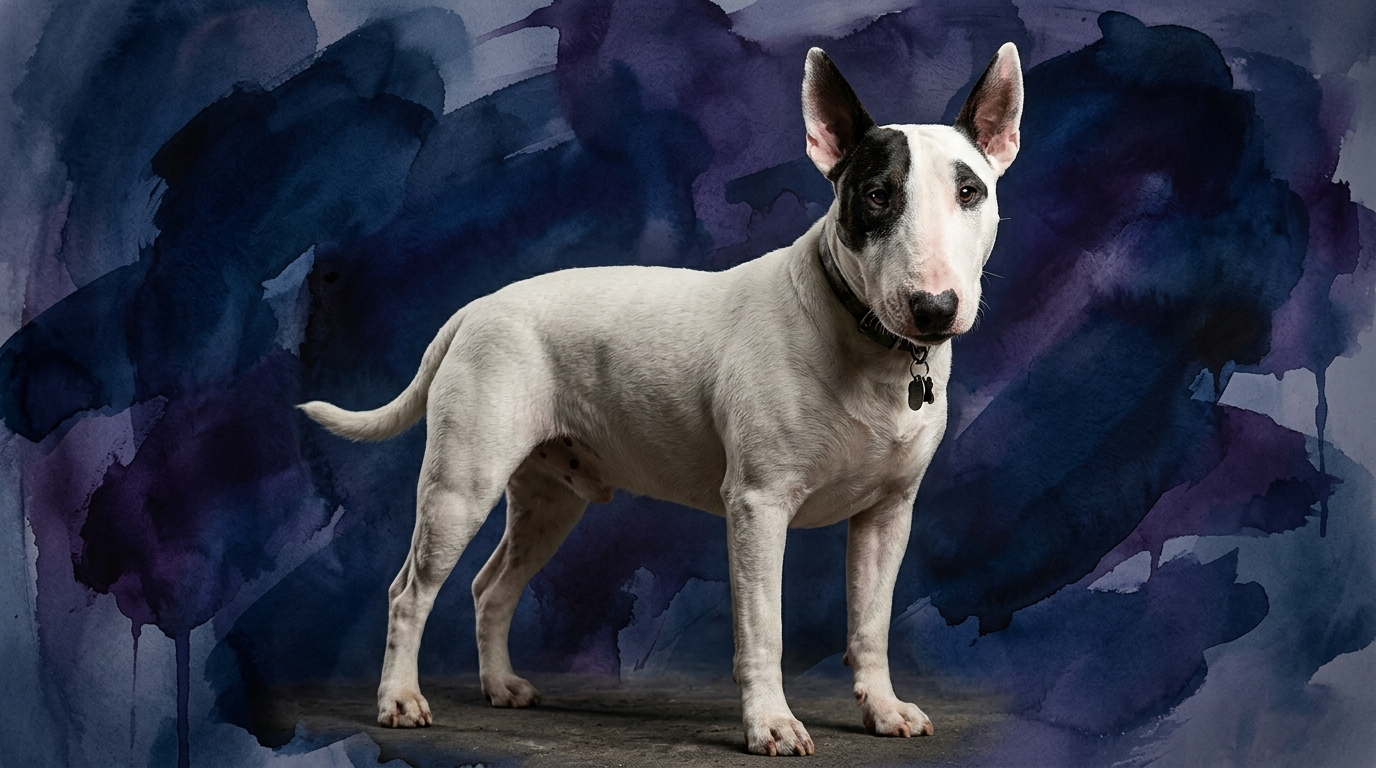
Side-by-Side IQ Profile: Bull Terrier
The distinctive Bull Terrier, ranked #66 by Coren, also scores a uniform 3/5 in every IQ category. Their Problem Solving (3/5) points to a moderate ability to navigate challenges, often with a unique blend of determination and independent thought. They might approach obstacles with a terrier's characteristic persistence, sometimes devising unconventional solutions to achieve their goals.
Training Speed (3/5) means Bull Terriers also learn at a moderate pace, though training requires patience and creative motivation to overcome their strong-willed nature. They respond best to engaging methods that make learning feel like a game, rather than rote repetition, reflecting their independent spirit. Their Social Intelligence (3/5) is moderate, characterized by deep devotion to their immediate family and a discerning approach to new acquaintances. They are adept at reading their owners' moods and intentions, forming close, empathetic bonds, yet may exhibit a reserved or watchful demeanor towards outsiders. The Bull Terrier’s Instinctive Drive (3/5) is moderately strong, often manifesting as a tenacious spirit, a moderate prey drive, and protective loyalty towards their family. Their Memory (3/5) is moderate, enabling them to recall learned behaviors, routines, and significant social interactions, contributing to consistency in established habits.
Where Kooikerhondje Wins Cognitively
Despite identical raw IQ scores, the Kooikerhondje's cognitive strengths lean into its cooperative working heritage. Their problem-solving (3/5) is uniquely adapted for strategic environmental navigation, such as interpreting subtle shifts in wind or terrain to locate and flush game, a more nuanced application than pure obstacle negotiation. This breed excels in tasks requiring focused attention on a handler's cues and the environment simultaneously, indicating a superior ability to multitask cognitive input in a working scenario.
Their social intelligence (3/5), while moderate, is particularly effective in forming a seamless working partnership. This allows them to anticipate and respond to a handler's non-verbal communication with precision, a skill vital for success in field activities. The Kooiker's moderate memory, combined with this cooperative social intelligence, makes them highly reliable in retaining and executing complex multi-step commands over extended periods, especially in dynamic outdoor environments.
Where Bull Terrier Wins Cognitively
The Bull Terrier's cognitive advantages, also within the 3/5 range across dimensions, shine in areas demanding independent thought and robust resilience. Their problem-solving (3/5) often manifests as a tenacious ability to overcome physical or mental challenges through sheer determination, rather than cooperative strategy. This might involve figuring out how to access a desired toy or navigating a complex home environment with ingenuity.
Their instinctive drive (3/5) is less about cooperative hunting and more about an unyielding spirit and protective loyalty, enabling them to commit fully to a task or a family member with unwavering resolve. This persistence, combined with their moderate memory, means they retain lessons learned through trial and error, often cementing behaviors that serve their independent goals. Their social intelligence, though moderate, is exceptional in discerning the emotional states of their immediate family, offering comfort and demonstrating a deep, empathetic connection that is distinctly terrier in its steadfastness.
Which is Easier to Train and Why
When considering ease of training, the Kooikerhondje often presents a more straightforward path for the average owner, despite both breeds sharing a 3/5 training speed. The Kooiker's instinctive drive is intrinsically linked to cooperation and a desire to work alongside their human partner, making them generally eager to please and responsive to positive reinforcement. Their gundog background means they are predisposed to pay attention to handler cues and learn tasks involving retrieving or navigating.
In contrast, the Bull Terrier, while capable of learning at a similar pace, approaches training with a stronger independent streak. Their terrier heritage means they are wired to make their own decisions, and while they can be trained effectively, it requires more creativity, consistency, and patience to channel their strong will. Owners must make training feel like a compelling game or puzzle to hold a Bull Terrier's attention, as they are less inclined to simply 'obey' without understanding the benefit or enjoying the process. This fundamental difference in motivational drivers makes the Kooikerhondje generally more amenable to conventional training methods.
Which Suits Active Owners vs. Relaxed Owners
The Kooikerhondje is undeniably better suited for active owners. Their moderate instinctive drive (3/5) for flushing and retrieving translates into a need for consistent physical and mental engagement, often in outdoor settings. These dogs thrive on activities like agility, obedience, or long hikes, requiring owners who can provide daily outlets for their energy and cognitive stimulation. A Kooiker without sufficient activity might become restless or develop undesirable behaviors, reflecting their inherent working drive.
Conversely, while Bull Terriers also possess a moderate instinctive drive (3/5) and can be quite energetic, their activity profile is often more flexible. They enjoy bursts of intense play and daily walks, but are also content to relax with their family for extended periods. Their social intelligence (3/5) means they value companionship deeply, adapting to owners with a more relaxed lifestyle, provided there's interactive play and quality time indoors. They are less driven by a specific 'job' and more by companionship and playful engagement, making them a good fit for families who enjoy both activity and downtime.
The Verdict
If your lifestyle is active and you seek a cooperative canine partner for outdoor adventures and structured activities, the Kooikerhondje's unique application of its cognitive strengths makes it an ideal match.
For those who appreciate a tenacious, independently minded companion with a strong family bond, capable of both playful energy and relaxed companionship, the Bull Terrier offers a distinct and rewarding experience.
🧠 Find Your Pet's IQ Score
Our Pet IQ Lab assessment covers 25+ tests across 5 cognitive dimensions — personalized to your breed.
Take the Full IQ Test →Frequently Asked Questions
Do Kooikerhondjes bark a lot?
Kooikerhondjes can be alert barkers, using their voice to signal new arrivals or unusual sounds, a trait tied to their historical role as farm dogs. Consistent training from a young age can help manage excessive barking, but their moderate social intelligence means they are generally quick to alert their family.
Are Bull Terriers good with children?
Bull Terriers are typically very devoted to their family, and with proper socialization and training, can be excellent companions for children. Their moderate social intelligence allows them to form strong bonds, but their sturdy build and playful energy mean supervision is always recommended with very young kids.
How much exercise does a Bull Terrier need daily?
Bull Terriers require a moderate amount of daily exercise, typically 30-60 minutes of vigorous activity like brisk walks, playtime, or running. Their moderate instinctive drive means they need outlets for their energy, but they also enjoy periods of relaxation with their family.