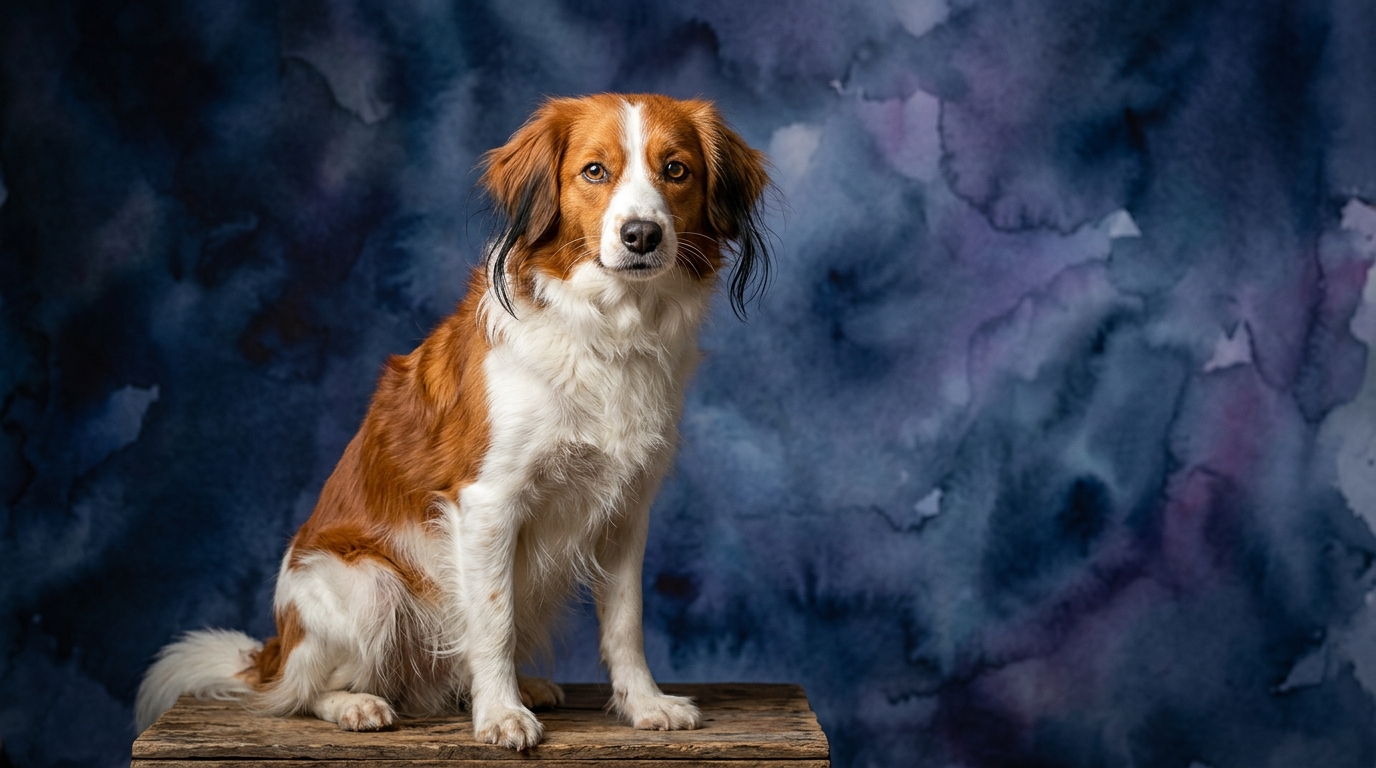
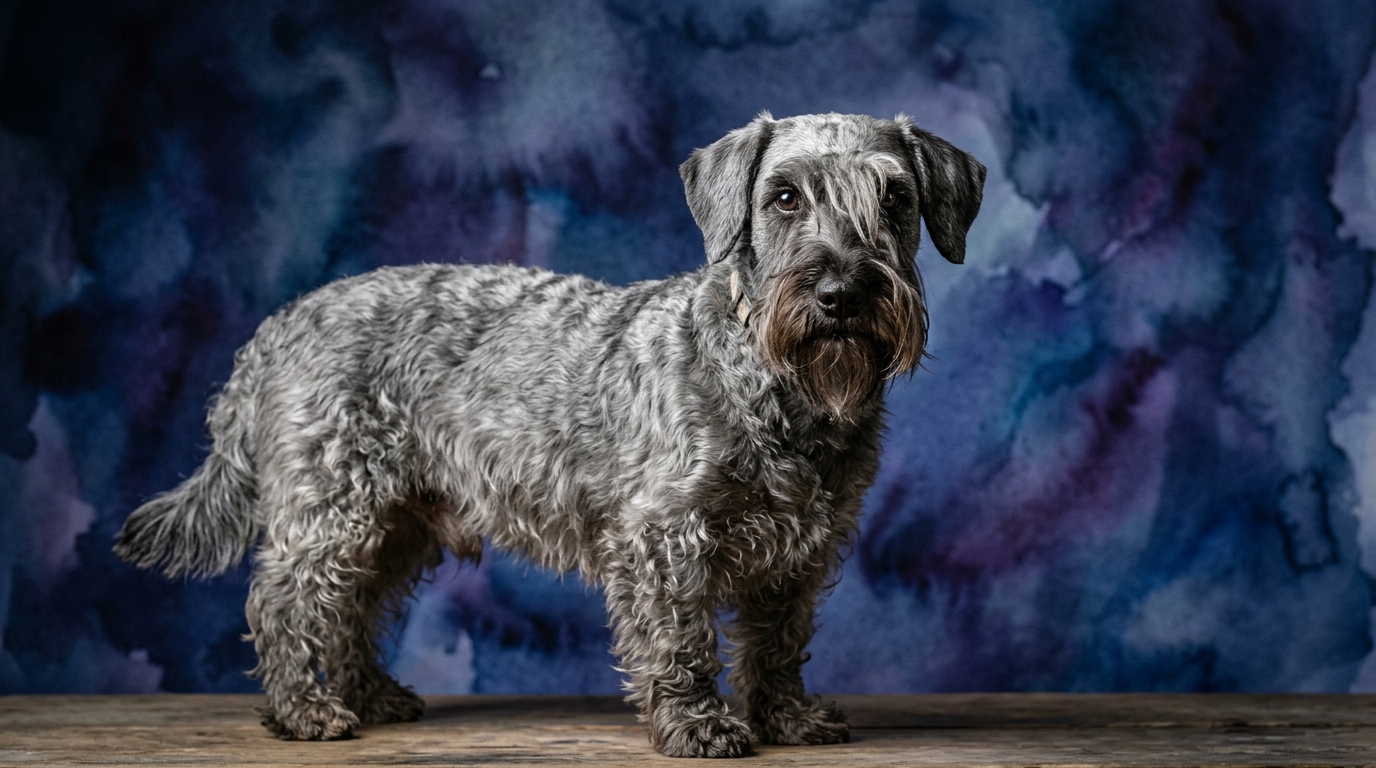
Side-by-side IQ Profile
At The Cosmic Pet Pet IQ Lab, both the Kooikerhondje and Cesky Terrier register a consistent 3/5 across five critical cognitive dimensions, suggesting a moderate, balanced capacity for learning and adaptation. This identical numerical rating, however, belies the unique ways each breed’s inherent temperament and historical role influence how these cognitive traits manifest. For Problem Solving, both breeds demonstrate an average ability to navigate new challenges and figure out solutions, but the Kooikerhondje, a Sporting dog, might approach tasks with a more methodical, handler-oriented focus, while the Cesky Terrier, bred for independent hunting, could display a more tenacious, trial-and-error approach. Their Training Speed at 3/5 indicates they learn new commands and routines at a respectable pace. A Kooikerhondje typically responds well to positive reinforcement and consistency, often motivated by a desire to cooperate. A Cesky Terrier, while capable, might require more patience and creative motivation to overcome their strong-willed terrier nature. Social Intelligence, also rated 3/5, means both breeds can interpret human cues and social situations moderately well. The Kooikerhondje often uses this to build strong, collaborative bonds, while the Cesky Terrier might employ it for discerning interactions, reserving their full engagement for trusted individuals. Instinctive Drive, scored 3/5 for both, is where their paths diverge most distinctly. The Kooikerhondje exhibits drives related to flushing and retrieving, characteristic of a Sporting dog, often showing an interest in birds and water. The Cesky Terrier's instinctive drive centers on hunting small prey, digging, and tracking, reflecting their terrier heritage. Finally, Memory at 3/5 means both breeds retain learned behaviors and significant experiences for a moderate duration. The Kooiker might recall complex sequences of commands with greater ease, while the Cesky might have a sharp memory for locations of perceived 'prey' or hidden objects.
Where Kooikerhondje Wins Cognitively
Despite the identical numerical scores, the Kooikerhondje often demonstrates a cognitive advantage in scenarios demanding cooperative intelligence and sustained, handler-focused attention. Their Sporting group lineage means their problem-solving (3/5) frequently leans towards understanding and executing multi-step tasks that involve working in tandem with a human partner. For instance, a Kooikerhondje might excel at intricate agility courses where precision, timing, and following complex directional cues are paramount, showcasing a mental aptitude for sequential learning and anticipation of handler input. Their social intelligence (3/5) supports this by fostering a strong desire to please and a keen sensitivity to human body language and vocalizations, making them particularly adept at reading and responding to subtle commands. This collaborative cognitive style allows them to process information within the context of a partnership, making them champions in activities that require a shared mental effort rather than purely independent action.
Where Cesky Terrier Wins Cognitively
Conversely, the Cesky Terrier's cognitive strengths shine brightest in situations requiring independent thought, tenacity, and resourceful problem-solving, hallmarks of their Terrier breed group. Their problem-solving (3/5) is often geared towards overcoming physical obstacles or figuring out how to access desired resources without direct human guidance. For example, a Cesky Terrier might display exceptional perseverance in solving puzzle toys designed to dispense treats, or strategically navigating confined spaces to reach a perceived 'target.' Their instinctive drive (3/5) further sharpens their cognitive focus on scent work and object manipulation, giving them an edge in tasks that simulate their historical role of hunting vermin. While their social intelligence is also 3/5, it manifests as a discerning and adaptable ability to assess new situations and individuals, rather than an overt eagerness to please. This self-reliant cognitive approach enables them to operate effectively and make decisions autonomously, making them particularly adept at tasks where independent initiative is rewarded.
Which is Easier to Train and Why
When considering ease of training, the nuances of each breed's underlying temperament, shaped by their historical roles, become apparent, even with identical 3/5 training speed scores. The Kooikerhondje, with its Sporting background, generally exhibits a more biddable and cooperative nature. They often possess an inherent desire to work alongside their human companions, making them typically more responsive to cues and eager to engage in structured training sessions. Their focus tends to remain on the handler, and they thrive on positive reinforcement, viewing training as a shared, rewarding activity. This cooperative spirit often translates into a smoother training process, as they are less likely to challenge commands or become distracted by environmental stimuli unrelated to their handler's instructions. In contrast, the Cesky Terrier's Terrier heritage instills a strong sense of independence and self-determination. While they possess a 3/5 training speed, their innate drive to pursue their own interests, such as investigating scents or digging, can make them more challenging to keep focused during training. They require a patient, consistent, and often creative approach to motivation. A Cesky might learn quickly when properly engaged, but their strong will means they might choose to 'opt out' if they deem a task uninteresting or if a more compelling distraction arises. Therefore, while both learn at a moderate pace, the Kooikerhondje's predisposition for collaboration generally makes formal obedience and skill acquisition a more straightforward endeavor for the average owner.
Which Demands What Kind of Engagement
The type of engagement an owner needs to provide differs significantly between these two breeds, reflecting their distinct cognitive leanings and drives. The Kooikerhondje flourishes with owners who are keen to integrate them into collaborative activities that stimulate both body and mind. They thrive on structured playtime, advanced obedience training, agility, or even trick training that requires sequential learning and close partnership. Their social intelligence (3/5) supports their enjoyment of shared experiences, making them ideal for individuals who want an active participant in their hobbies, whether it's hiking, dock diving, or complex puzzle games solved together. This breed truly thrives when their problem-solving and memory are engaged in tandem with their human. The Cesky Terrier, while equally needing mental and physical stimulation, requires outlets that cater to their ingrained terrier instincts. Owners must be prepared to provide opportunities for independent problem-solving and activities that channel their drive for digging, chasing, and scent work in appropriate ways. This could involve earthdog trials, extensive scent games, or securely fenced yards with designated digging areas. Their tenacity means they enjoy challenges they can conquer on their own terms, and while they form strong bonds, their engagement often centers around tasks where they can exercise their independent resourcefulness. Both breeds demand active engagement, but the Kooiker seeks partnership in activity, while the Cesky seeks autonomy within structured play.
The Verdict
Opt for a Kooikerhondje if you seek a cooperative companion eager for shared activities and responsive to nuanced direction in training. They excel with owners who enjoy intricate, collaborative mental and physical engagement.
Select a Cesky Terrier if you appreciate a tenacious, resourceful partner who thrives on independent problem-solving and needs structured outlets for their natural terrier drives. They suit owners prepared to channel their independent spirit creatively.
🧠 Find Your Pet's IQ Score
Our Pet IQ Lab assessment covers 25+ tests across 5 cognitive dimensions — personalized to your breed.
Take the Full IQ Test →Frequently Asked Questions
How can two breeds have the same IQ scores but exhibit different behaviors?
While the Pet IQ Lab scores provide a general aptitude rating, they don't fully capture the qualitative differences in how these aptitudes manifest. A 3/5 in problem-solving for a Kooikerhondje might mean excelling at cooperative tasks, whereas for a Cesky Terrier, it could mean tenacious independent problem-solving, both equally 'moderate' but distinct in application. Breed history and purpose heavily influence these nuanced behavioral expressions, even with identical underlying cognitive capacity scores.
Is one breed better for first-time dog owners?
Generally, the Kooikerhondje's more cooperative nature and eagerness to please might make them a slightly more forgiving choice for first-time owners committed to consistent positive reinforcement. The Cesky Terrier's independent streak and strong terrier drives require an owner who understands breed-specific needs and is prepared for dedicated, creative training to channel their instincts effectively. Neither is truly 'easy,' but the Kooiker's collaborative spirit can simplify the learning curve for new owners.
Do Kooikerhondjes or Cesky Terriers need more exercise?
Both breeds are active and require substantial daily exercise and mental stimulation to prevent boredom and destructive behaviors. The Kooikerhondje often thrives on varied activities that involve their owner, such as long walks, fetching, and dog sports. The Cesky Terrier also needs significant activity, but their exercise should incorporate outlets for their terrier drives, like digging, exploring, and scent work, alongside regular walks. The *type* of exercise is more distinguishing than the sheer *amount*.