
Side-by-Side IQ Profile: Diving Deeper Than the Numbers
While both the Kooikerhondje and the Wire Fox Terrier register a consistent 3/5 across our five cognitive dimensions, their breed origins mean these scores translate into distinct behavioral patterns. Understanding these nuances is key to appreciating their individual mental strengths.
The Kooikerhondje, a Dutch sporting dog originally bred to lure ducks into traps, exhibits a Problem Solving score of 3/5 that often translates into a cooperative ingenuity. This means they are apt at figuring out tasks when working alongside their human, perhaps patiently maneuvering a toy out from under furniture or understanding complex scent trails during a game. Their solutions tend to be methodical and often involve seeking human input or approval.
Their Training Speed, also at 3/5, reflects an ability to grasp new commands at a moderate pace, particularly when training is engaging and consistent. They respond well to positive reinforcement and clear communication, benefiting from a gentle yet firm approach. This isn't a breed that picks up every command instantly, but they are certainly capable of building a robust repertoire of behaviors.
A Social Intelligence score of 3/5 for the Kooikerhondje points to a good understanding of their family's emotions and routines, often displaying empathy and sensitivity. They form strong bonds and can read human cues effectively within their established circle, though they might be more reserved or cautious with strangers. Their social understanding is geared towards harmonious interaction within their pack.
The Kooikerhondje's Instinctive Drive, rated at 3/5, centers around their historical role as a decoy dog. This manifests as a moderate drive for flushing, retrieving, and working near water. They enjoy games that simulate these activities, such as fetch or exploring new environments, but this drive is typically manageable and easily channeled into constructive play.
Finally, their Memory at 3/5 indicates a solid capacity to recall learned behaviors and past experiences. Once a command or routine is established, a Kooikerhondje is likely to retain it, especially if it’s associated with positive interactions and reinforces their bond with their owner.
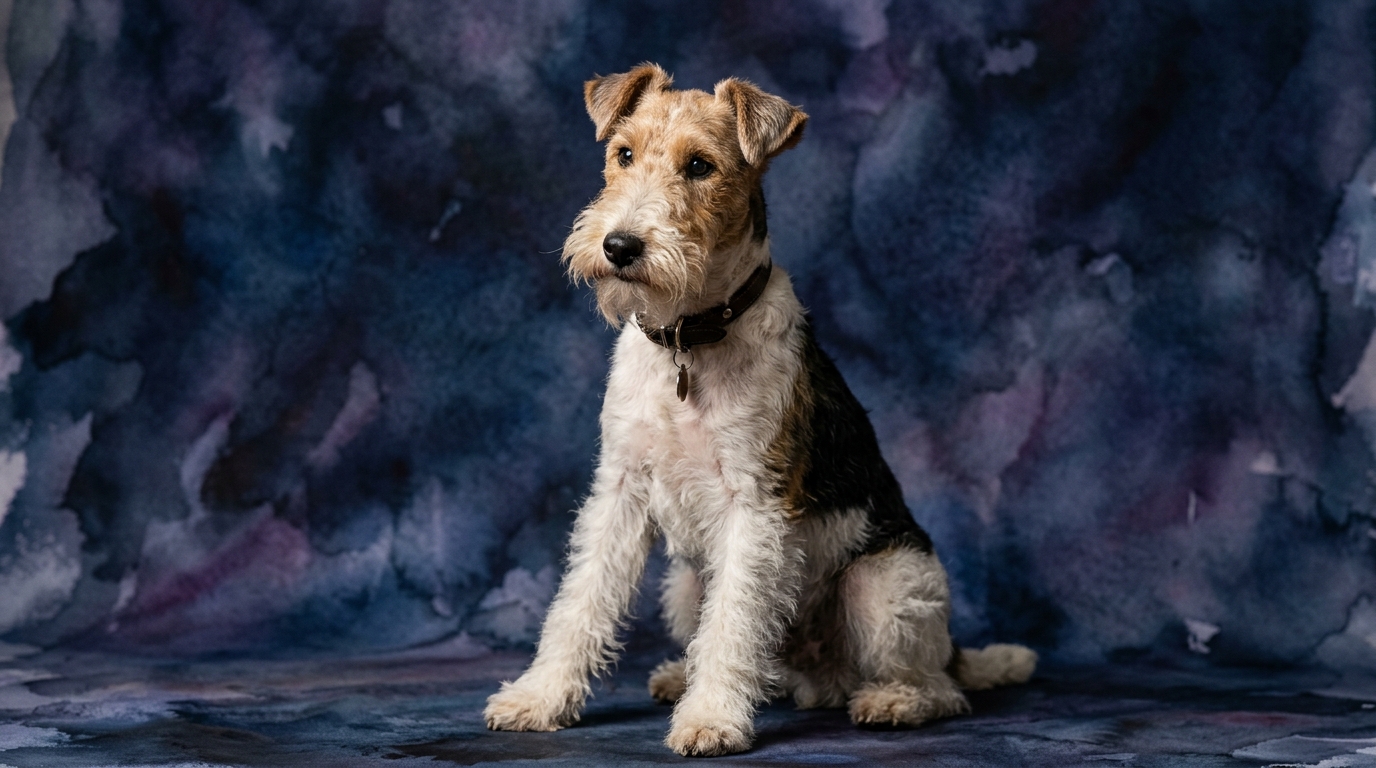
Turning to the Wire Fox Terrier, a British terrier developed for bolting foxes from their dens, their 3/5 Problem Solving manifests quite differently. These dogs are resourceful and independent thinkers, often finding creative, albeit sometimes mischievous, ways to achieve their goals. This might involve figuring out how to open a gate or tunnel under a fence to investigate an interesting scent, driven by their innate curiosity and determination.
Their Training Speed, also 3/5, means they learn at a moderate pace, but their independent spirit and high energy can sometimes make them appear less eager to comply. They grasp concepts quickly but might choose to follow their own agenda if not adequately motivated or challenged. Consistency, short sessions, and making training feel like a game are crucial for this breed.
The Wire Fox Terrier's Social Intelligence, also 3/5, is characterized by an outgoing and often boisterous nature. They are adept at reading situations and asserting themselves, whether charming a new acquaintance or engaging in playful roughhousing. Their social acumen can be quite tactical, allowing them to navigate complex interactions with confidence, though sometimes with a touch of terrier tenacity.
Their Instinctive Drive, a robust 3/5, is rooted in their vermin-hunting heritage. This translates into a strong inclination to chase, dig, and explore. They possess a keen prey drive that can be triggered by small animals, and a natural desire to investigate every interesting smell or potential burrow. This drive is a core part of their identity and requires appropriate outlets.
The Wire Fox Terrier's Memory, at 3/5, is reliable for retaining information, but like their training speed, it can be influenced by their strong will. They remember commands and routines, but they also remember which behaviors yield rewards and which boundaries they might be able to push. Their memory is practical and serves their independent nature well.
Where the Kooikerhondje Wins Cognitively
While their raw scores are identical, the Kooikerhondje often demonstrates a more collaborative and sensitive cognitive approach. Their 3/5 Social Intelligence, for example, typically translates into a higher degree of emotional attunement within their family unit. They are often more perceptive of subtle human moods and desires, responding with a gentle understanding that fosters a deep, almost intuitive bond. This can make them particularly adept at anticipating their owner's needs and adjusting their behavior accordingly, a nuanced form of social problem-solving.
Their 3/5 Problem Solving, when channeled, tends to be less about independent mischief and more about purposeful task completion. A Kooikerhondje might excel in retrieving tasks, patiently working through obstacles to bring an item back to their handler. This collaborative problem-solving style, intertwined with their moderate Instinctive Drive for working alongside humans, means they are often more inclined to use their cognitive abilities to please and assist, rather than to pursue self-directed, potentially disruptive, endeavors.
Where the Wire Fox Terrier Wins Cognitively
The Wire Fox Terrier, despite identical scores, often excels in areas demanding independent thought and tenacious execution. Their 3/5 Problem Solving is often characterized by a determined, self-reliant approach. They are adept at figuring out how to achieve their objectives, even if it means circumventing rules or devising clever strategies to access desired items or areas. This can manifest as a resourceful ability to manipulate objects or environments to their advantage, driven by a strong internal motivation rather than external guidance.
Their 3/5 Instinctive Drive for hunting and exploration, combined with their moderate Memory, means they are exceptionally good at tracking scents, remembering locations of perceived prey, and navigating complex outdoor environments. This breed's cognitive strengths shine when given a challenge that engages their terrier instincts, allowing them to apply their problem-solving skills to real-world scenarios like scent work or agility courses where quick, independent decisions are rewarded. They are less likely to wait for direction and more likely to forge their own path to a solution.
Which Is Easier to Train and Why
Despite both breeds having a 3/5 Training Speed, the Kooikerhondje is generally perceived as easier to train due to their cooperative nature and sensitivity. Their desire to please their family, coupled with their moderate social intelligence, means they are often more receptive to instruction and less inclined to challenge authority. They respond particularly well to positive reinforcement and a calm, consistent approach, thriving on the bond formed during training sessions. Behavioral differences like their lower innate independence and less pronounced prey drive compared to the Wire Fox Terrier mean fewer distractions and a greater focus on the handler during learning.
The Wire Fox Terrier, while equally capable of learning new commands at a moderate pace, presents a different training dynamic. Their strong-willed nature and high instinctive drive for chasing and digging mean training often requires more patience, creativity, and a consistent, firm, but fair hand. They can be easily distracted by environmental stimuli and may prioritize their own impulses over a command, even if they understand it perfectly. Their moderate memory allows them to retain training, but their independent spirit means owners must continually reinforce that following commands is more rewarding than chasing a squirrel or digging a hole. Training a Wire Fox Terrier is often about channeling their energy and determination rather than simply teaching commands.
Which Suits Active Owners vs. Relaxed Owners
The Kooikerhondje, with its moderate instinctive drive and cooperative temperament, is well-suited for active owners who enjoy engaging in various dog sports, long walks, or interactive play. They require daily mental stimulation and physical activity to prevent boredom, but their energy is typically manageable and can be satisfied with structured activities like obedience, agility, or scent work. Their social intelligence and desire for companionship also mean they thrive on shared experiences with their family, making them excellent companions for outdoor adventures where the owner is actively involved. They are generally not a breed for truly relaxed, sedentary owners, as their intellect and physical needs demand a consistent outlet.
The Wire Fox Terrier, with its robust instinctive drive and boundless energy, is an ideal match for highly active and experienced owners. This breed thrives on intense physical exercise, such as running, hiking, or competitive dog sports like earthdog trials, agility, and flyball. Their independent problem-solving and strong prey drive necessitate owners who can provide consistent mental challenges and outlets for their natural instincts, otherwise, they may find their own (potentially destructive) ways to entertain themselves. They are not a suitable choice for relaxed owners seeking a low-maintenance companion; they require an owner who can match their zest for life and provide vigorous, consistent engagement.
The Verdict: When to Choose Each Breed
The Verdict
Choose a Kooikerhondje if you are an active owner seeking a sensitive, cooperative companion who thrives on shared activities and a close bond, and who will use their moderate cognitive abilities to work alongside you.
Opt for a Wire Fox Terrier if you are a highly active, experienced owner who appreciates an independent, tenacious, and spirited dog, and who can provide ample outlets for their substantial energy and determined problem-solving skills.
🧠 Find Your Pet's IQ Score
Our Pet IQ Lab assessment covers 25+ tests across 5 cognitive dimensions — personalized to your breed.
Take the Full IQ Test →Frequently Asked Questions
Do Kooikerhondjes get along with other pets?
Kooikerhondjes generally get along well with other pets, especially if socialized from a young age. Their moderate social intelligence allows them to integrate into multi-pet households, though their sensitivity means they appreciate a calm environment.
Are Wire Fox Terriers good with children?
Wire Fox Terriers can be good with older, respectful children who understand how to interact with an energetic and spirited dog. Their robust nature and independent streak mean they might not tolerate rough play as readily as some more patient breeds, requiring supervision and clear boundaries.
Which breed requires more mental stimulation?
Both breeds require significant mental stimulation due to their moderate problem-solving and memory scores, but the Wire Fox Terrier often demands more creative and challenging outlets for its independent, instinctive drives. The Kooikerhondje benefits from cooperative games and training, while the Wire Fox Terrier thrives on tasks that engage its hunting instincts and determination.