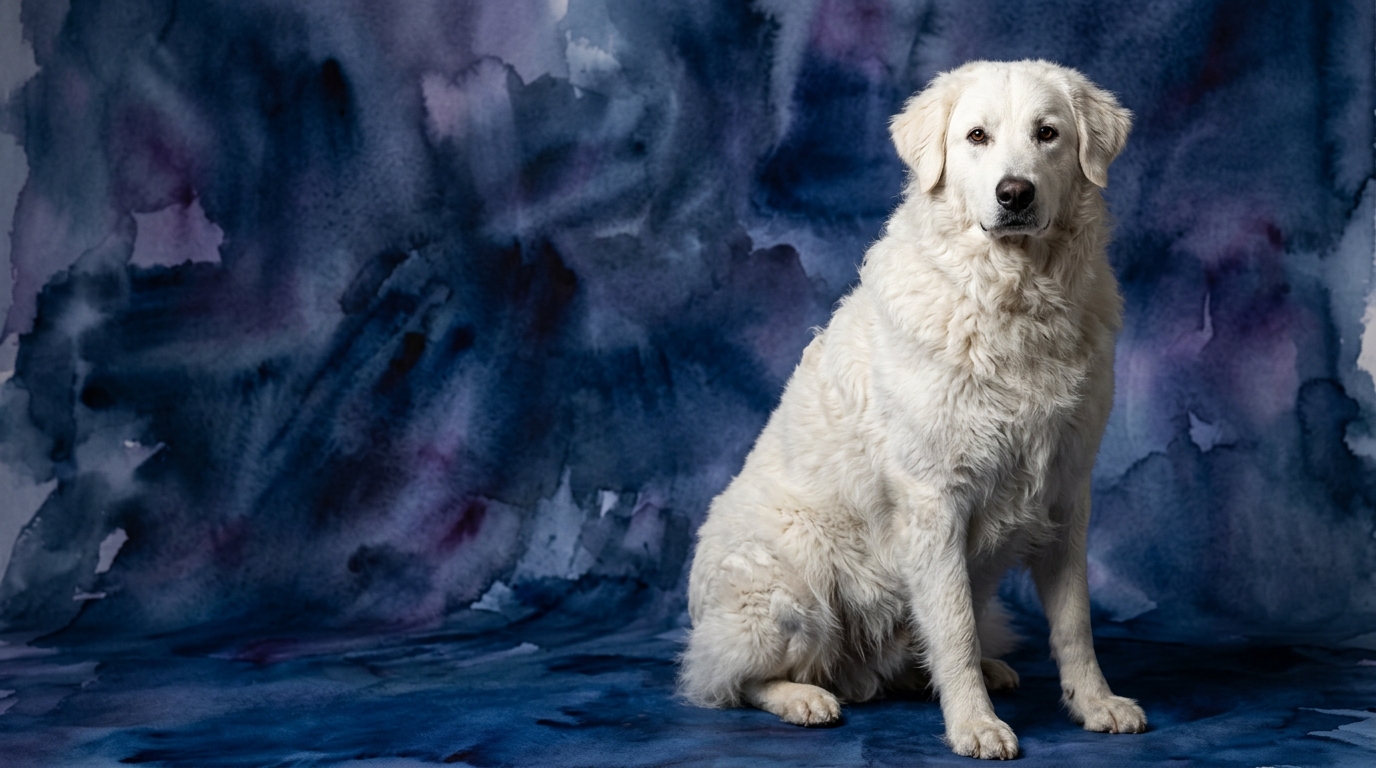

Side-by-Side IQ Profile: Kuvasz vs. Irish Setter
The Kuvasz, a dog from the Working group, with a Coren rank of #42, exhibits a distinct cognitive profile shaped by its heritage. Its Problem Solving score of 3/5 signifies an innate capacity for independent assessment, allowing it to evaluate threats and make decisions in complex environments without constant human intervention, a critical trait for a livestock guardian. Training Speed at 3/5 suggests a deliberate learning pace; this breed processes information thoroughly and often requires patient, consistent guidance, as its self-reliant nature means it may not always see the immediate necessity of a command. Social Intelligence, rated 3/5, enables it to form deep, protective bonds with its immediate family or flock, while maintaining a reserved, discerning demeanor towards strangers. Its Instinctive Drive of 3/5 is primarily channeled into vigilance and protection of its territory and charges, a powerful internal motivation. A robust Memory of 4/5 ensures it retains a comprehensive understanding of its surroundings, established routines, and the identities of those it protects, crucial for its long-term guarding efficacy.
Conversely, the Irish Setter, a Sporting group member with a higher Coren rank of #35, demonstrates a more collaborative cognitive style. Its Problem Solving score of 4/5 indicates a breed that actively seeks solutions, often thriving when engaged in interactive challenges with a human partner, essential for navigating varied hunting terrains and retrieving tasks. Training Speed is rated 4/5, highlighting its responsiveness and eagerness to engage in learning; this breed typically acquires new commands and behaviors with relative swiftness, driven by a desire to work alongside its handler. Social Intelligence at 3/5 means it is generally outgoing and capable of forming strong, affectionate human relationships, readily integrating into family life. Its Instinctive Drive of 3/5 is powerfully directed towards scent work, pointing, and retrieving, an inherent motivation to perform its historical role. With a Memory score of 4/5, the Irish Setter effectively recalls a vast array of information, from intricate field commands to the nuances of family dynamics, supporting its adaptability and training progress.
Where the Kuvasz Wins Cognitively
The Kuvasz's cognitive strengths truly shine in scenarios demanding autonomous judgment and a profound sense of responsibility for its charges, a direct reflection of its ancient role. Its 3/5 Problem Solving, when interpreted within the context of a livestock guardian, translates into an exceptional ability to independently evaluate threats and devise defensive strategies without direct human command. This isn't about quickly solving a puzzle for a reward, but about making critical, often life-saving, decisions in complex, dynamic environments—such as discerning between a harmless wanderer and a genuine predator, or navigating a changing landscape to protect its flock. This decision-making prowess, coupled with its deep memory (4/5) for its territory, its inhabitants, and past events, allows the Kuvasz to maintain sustained, independent vigilance and make robust, self-directed choices, a unique cognitive niche that sets it apart.
Where the Irish Setter Wins Cognitively
The Irish Setter's cognitive profile positions it to excel in tasks requiring collaborative engagement, rapid adaptation, and a keen focus on human direction. Its 4/5 Problem Solving score signifies a breed that thrives on interactive challenges, readily working with a handler to navigate new situations, track scents, or master intricate retrieving tasks with enthusiasm. This superior problem-solving ability is perfectly complemented by its 4/5 Training Speed, allowing it to quickly grasp complex sequences of commands and new concepts, making it a standout performer in obedience, agility, or field trials. Its strong memory (4/5) further enhances this, enabling it to retain a vast repertoire of learned behaviors and apply them efficiently in varying contexts. This combination creates a dog that is not only quick to learn but also eager to participate and apply its cognitive skills in partnership with humans.
Which is Easier to Train and Why
The Irish Setter presents a significantly more straightforward training experience compared to the Kuvasz, primarily due to its inherent desire to cooperate and its faster processing of commands. The Irish Setter's 4/5 Training Speed directly reflects its breeding for working *with* a human partner, making it highly receptive to positive reinforcement, eager to please, and quick to form associations between commands and actions. Its social intelligence, while rated 3/5, is geared towards partnership, making it an enthusiastic participant in learning sessions. Conversely, the Kuvasz, with its 3/5 Training Speed, often requires a more patient, consistent, and nuanced approach. Its historical role as an independent livestock guardian means it was selectively bred to think for itself and make its own decisions, not necessarily to immediately obey every human directive. This self-thinking nature means a Kuvasz may question commands or take longer to internalize them, requiring a trainer who understands its independent spirit and can build trust through fair, consistent leadership rather than relying on rote obedience drills.
Which Suits Active Owners vs. Purpose-Driven Owners
For owners who thrive on interactive activities and seek a highly engaged companion, the Irish Setter is an ideal match. Its Sporting group heritage means it possesses considerable stamina and a keen desire for physical and mental engagement, excelling in activities like agility, scent work, long hikes, or even competitive obedience where it can collaborate with its owner and apply its problem-solving skills. They genuinely enjoy being part of family adventures and learning new things. The Kuvasz, while certainly not a "relaxed" dog in terms of its needs, suits owners who appreciate a more independent, purposeful activity pattern and have the space to accommodate it. Its active needs are often met through patrolling a large property, engaging in tasks that leverage its guardian instincts, and observing its environment. This breed requires significant mental engagement in its role but might be less demanding of constant, high-energy interactive play, preferring to manage its domain independently, making it suitable for owners who value a watchful presence with a strong sense of purpose.
The Verdict
Choose the Kuvasz if you seek a self-reliant guardian, valuing a dog capable of autonomous decision-making and independent vigilance, and are prepared for a deliberate, consistent training approach.
Opt for the Irish Setter if you desire an enthusiastic, cooperative partner eager for interactive learning and physical activities, thriving on quick skill acquisition and collaborative engagement.
🧠 Find Your Pet's IQ Score
Our Pet IQ Lab assessment covers 25+ tests across 5 cognitive dimensions — personalized to your breed.
Take the Full IQ Test →Frequently Asked Questions
Is the Kuvasz truly less intelligent than the Irish Setter given its lower Coren rank?
Not necessarily; 'intelligence' manifests differently. The Kuvasz's cognitive strengths lie in independent problem-solving and autonomous decision-making crucial for its guardian role, while the Irish Setter excels in cooperative learning and rapid task acquisition. Their Coren ranks primarily reflect trainability and obedience, not overall cognitive capacity across all domains.
How does a Kuvasz's independence affect its trainability?
Its independence means a Kuvasz might not automatically comply with commands, often requiring a "why" before acting, reflecting its self-thinking nature. Training success hinges on building trust and clear communication, emphasizing consistency and positive reinforcement over forceful methods, as it's bred to make its own judgments.
What kind of mental stimulation does an Irish Setter need to thrive?
An Irish Setter thrives on diverse mental challenges that engage its collaborative problem-solving and fast learning speed. This includes advanced obedience training, puzzle toys, scent work, agility, or engaging in dog sports that require both physical exertion and cognitive effort, keeping its keen mind occupied.