Side-by-Side Cognitive Profiles
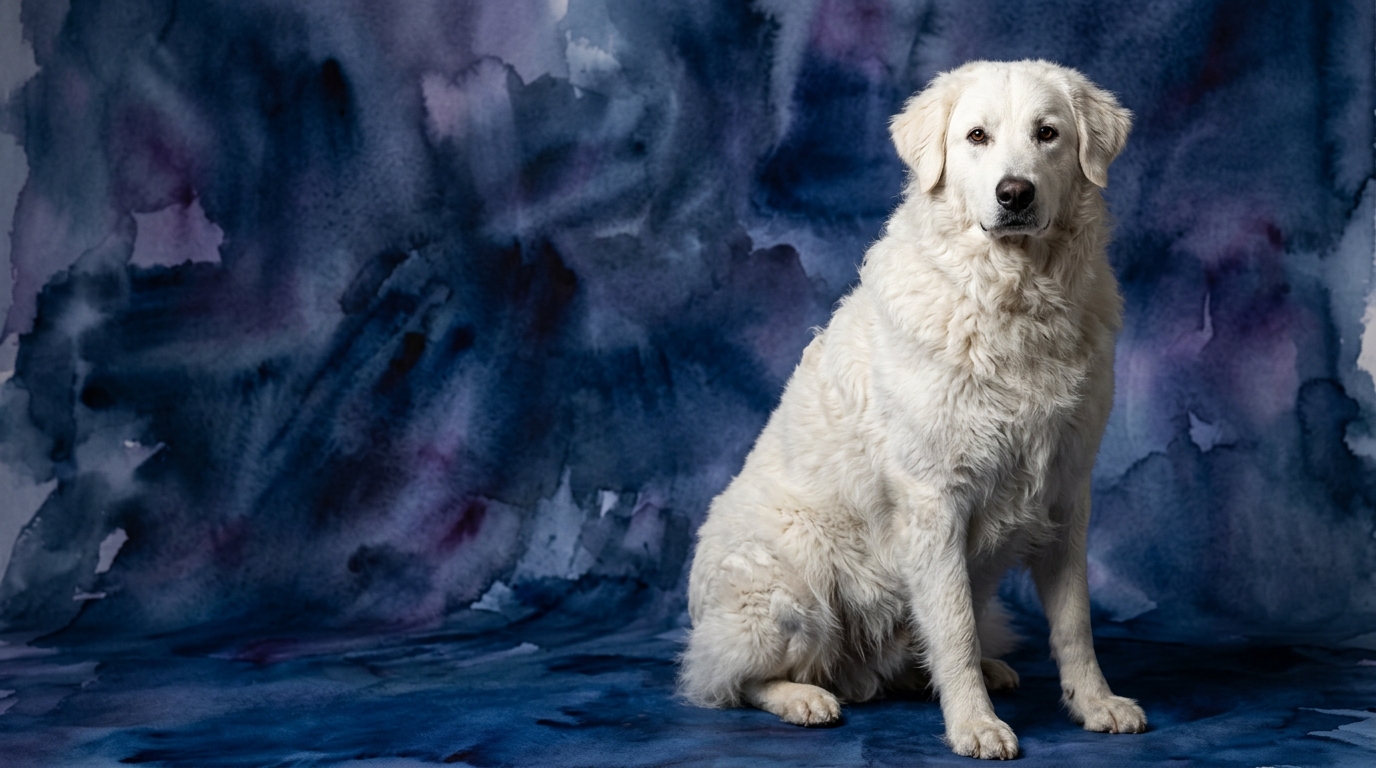
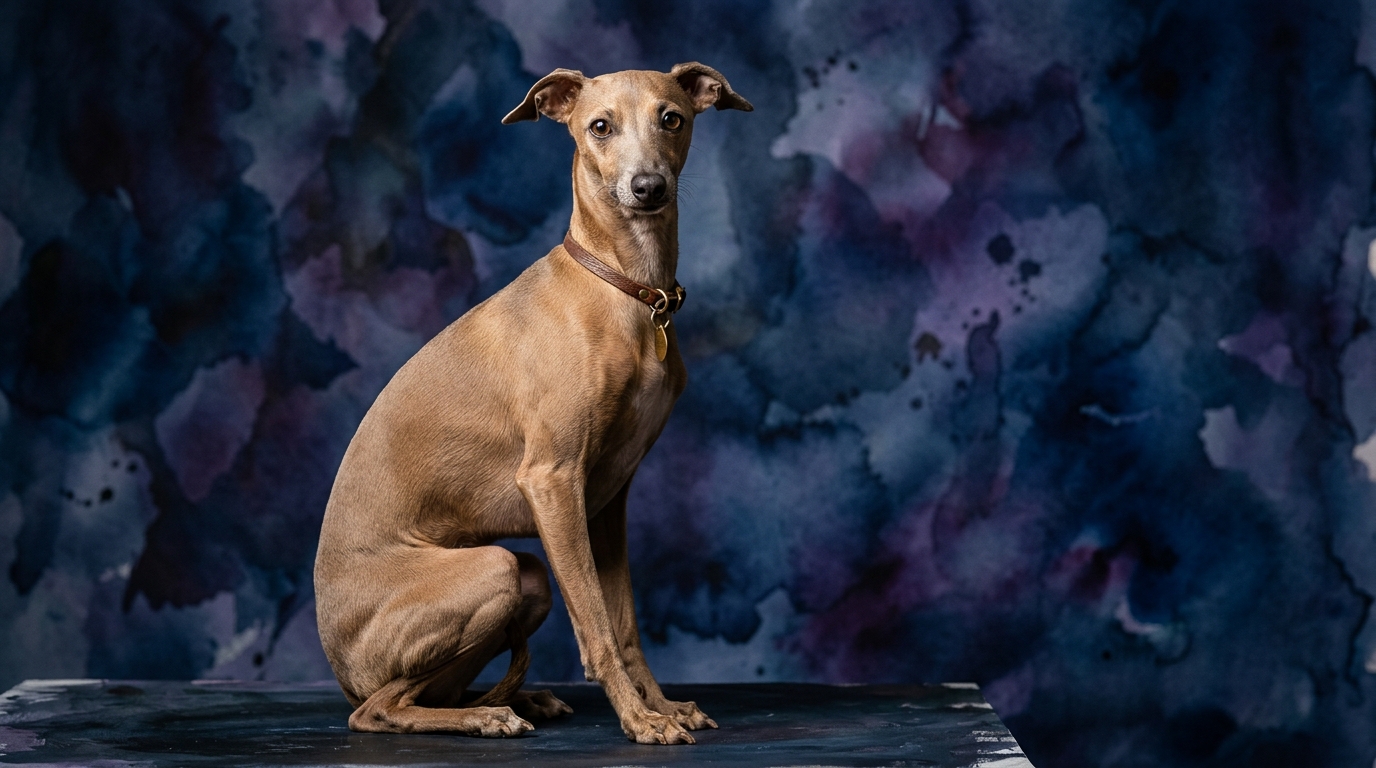
The Cosmic Pet IQ Lab evaluates canine intelligence across five key dimensions, offering a nuanced perspective beyond simple rankings. For the majestic Kuvasz, a Working breed ranked #42 by Coren, and the elegant Italian Greyhound, a Toy breed not on the Coren list, these dimensions paint a picture of their inherent mental aptitudes.
The Kuvasz, a breed developed for independent livestock guarding, exhibits a Problem Solving score of 3/5. This indicates a capacity for assessing situations and formulating solutions autonomously, often in the absence of direct human command, which is crucial for its protective role. Their Training Speed also stands at 3/5, suggesting they are capable of learning but often require clear purpose and consistent, patient guidance to adopt new behaviors. Social Intelligence for the Kuvasz is 3/5, reflecting a deep loyalty to their immediate family paired with a reserved, watchful demeanor towards strangers, prioritizing the safety of their charge. Their Instinctive Drive, also 3/5, is predominantly channeled into vigilant protection and territorial awareness. A notable strength is their Memory, scoring 4/5, enabling them to retain complex information about their environment, routines, and perceived threats over extended periods, essential for effective guardianship.
In contrast, the Italian Greyhound, a breed cherished for companionship, shares a Problem Solving score of 3/5. Their cognitive efforts often focus on navigating their immediate environment for comfort or social interaction, such as finding the warmest spot or cleverly soliciting attention. Their Training Speed is likewise 3/5; these sensitive dogs can learn quickly with positive reinforcement but are prone to distraction and require engaging, short training sessions. Their Social Intelligence, also 3/5, is intensely focused on their human family, forming deep, responsive bonds and often displaying 'velcro dog' tendencies, though they can be shy with unfamiliar people. The Italian Greyhound’s Instinctive Drive, rated 3/5, is largely expressed through a sighthound's urge to chase small, fast-moving objects and a strong desire for warmth and physical closeness. Their Memory score is 3/5, good for recalling routines and favored people, but perhaps not with the same depth for complex environmental monitoring as a Kuvasz.
Where the Kuvasz Excels Cognitively
The Kuvasz demonstrates distinct cognitive advantages rooted in its heritage. Their Memory score of 4/5, compared to the Italian Greyhound's 3/5, signifies a superior capacity for long-term retention of complex information. This isn't just about remembering a treat location; it encompasses recalling intricate territorial boundaries, recognizing subtle changes in their environment, and maintaining a mental catalog of individuals, crucial for their role as a discerning guardian. This robust memory allows for consistent application of learned behaviors and threat assessments over time, contributing to their unwavering protective nature.
Furthermore, while both breeds score 3/5 in Problem Solving, the Kuvasz's application of this skill is geared towards independent, critical decision-making in high-stakes scenarios. Their cognitive framework allows them to assess potential threats and devise deterrent strategies autonomously, without needing human direction. This involves a sustained mental effort in processing environmental cues and making judgments that directly impact the safety of their charges, a more complex and self-directed form of problem-solving than often seen in companion breeds. Their Instinctive Drive, though also 3/5, underpins a cognitive vigilance that demands constant, active mental processing of their surroundings, a demanding and continuous intellectual task.
Where the Italian Greyhound Shines Cognitively
The Italian Greyhound's cognitive strengths lie in areas distinct from the Kuvasz. While both score 3/5 in Social Intelligence, the IG's expression of this is remarkably nuanced and deeply interpersonal. They exhibit an exquisite sensitivity to subtle human emotional states within their chosen family, demonstrating a rapid ability to adjust their behavior to maintain harmony and affection. This quick, intimate processing of emotional cues and social dynamics is a cognitive strength that fosters profound bonding and responsive companionship.
Their Problem Solving, also at 3/5, frequently manifests as clever, often charming, strategies to optimize personal comfort and secure desired resources like warmth, soft bedding, or human attention. This involves quick, opportunistic solutions to immediate environmental challenges, such as creatively finding the best sunbeam or employing specific behaviors to manipulate owners for preferred outcomes. This type of cognitive flexibility, focused on personal well-being and social interaction, allows them to navigate complex human households with surprising effectiveness, often learning household routines and dynamics rapidly to their own advantage.
Training Dynamics: A Tale of Two Temperaments
When considering trainability, both the Kuvasz and Italian Greyhound present unique challenges, despite both scoring 3/5 in Training Speed. The Kuvasz's independent nature, a hallmark of its guardian lineage, means training requires significant patience, consistency, and a deep understanding of their motivations. They are not inherently 'eager to please' in the way some breeds are; instead, they need to understand the 'why' behind a command or perceive its utility. Their self-assuredness means trainers must establish a relationship built on mutual respect and clear, consistent leadership, as they will often question directives that don't align with their internal logic or protective instincts. This can make them seem stubborn to inexperienced owners, when in reality, they are simply thinking for themselves.
The Italian Greyhound, while equally intelligent, faces different hurdles. Their sensitive disposition means they respond best to positive reinforcement and can become withdrawn or resistant to harsh methods. Their sighthound heritage imbues them with a short attention span and an easily distracted nature; a fleeting squirrel or an interesting scent can instantly override any ongoing training session, making consistent outdoor recall particularly challenging. House training can also be notoriously difficult due to their small bladders, aversion to cold or wet weather, and a preference for indoor comfort. While they learn quickly in focused, engaging bursts, maintaining that focus and ensuring consistent application of learned behaviors, especially in stimulating environments, requires a strategic and adaptable training approach from their owners.
Matching Breeds to Lifestyles: Active vs. Relaxed Owners
The Kuvasz and Italian Greyhound appeal to vastly different owner lifestyles. The Kuvasz is suited for owners who are 'active' not necessarily in terms of constant physical exertion, but in their commitment to providing significant mental engagement, consistent training, and extensive socialization from a young age. These are dogs that require a sense of purpose, whether it's 'guarding' their family or property (even if urban) or participating in structured activities that challenge their intellect and instincts. They need experienced owners who can provide clear, firm leadership and manage their independent, protective nature. A 'relaxed' owner who expects a passive companion without significant behavioral guidance would likely find the Kuvasz overwhelming, as their formidable presence and self-assured decision-making demand a structured and experienced hand.
Conversely, the Italian Greyhound fits well with 'relaxed' owners in terms of physical activity, as they are sprinters who enjoy short bursts of play but are largely content to spend their days curled up indoors. They are ideal for owners who are home frequently and desire a close, affectionate companion, as they thrive on human connection and often suffer from separation anxiety. While not physically demanding for long hikes, their delicate build requires careful handling, and their sensitive nature means owners must be 'active' in providing consistent companionship, warmth, and a secure, low-stress environment. Owners who appreciate a charming, somewhat fragile, and intimately bonded canine presence will find the Italian Greyhound a perfect fit, provided they can manage their specific training quirks and social needs.
The Verdict
Choose the Kuvasz when you seek a vigilant, independent guardian with a profound memory for its charges and territory, and you are prepared for the commitment of guiding a strong-willed working breed.
Choose the Italian Greyhound when you desire an affectionate, sensitive companion who thrives on close human connection and indoor comfort, and you appreciate a dog whose intelligence is expressed through charming social bonding and quick bursts of playful energy.
🧠 Find Your Pet's IQ Score
Our Pet IQ Lab assessment covers 25+ tests across 5 cognitive dimensions — personalized to your breed.
Take the Full IQ Test →Frequently Asked Questions
Are Kuvasz dogs good family pets?
Yes, with proper socialization and consistent training from a young age, Kuvasz can be deeply devoted family members. Their protective instincts mean they are often reserved with strangers but form strong bonds with their immediate human family, acting as watchful guardians.
Do Italian Greyhounds bark a lot?
Italian Greyhounds are not typically excessive barkers, but they can be vocal when excited, startled, or seeking attention. Their sensitive nature means they might bark at unusual sounds or strangers approaching the home.
What is the biggest difference in trainability between these two breeds?
The primary difference lies in motivation: Kuvasz training requires convincing an independent thinker of the command's utility, while Italian Greyhounds, though sensitive and eager for positive reinforcement, are easily distracted and can be challenging with consistency due to their sighthound instincts and comfort-seeking nature.