Side-by-Side IQ Profile
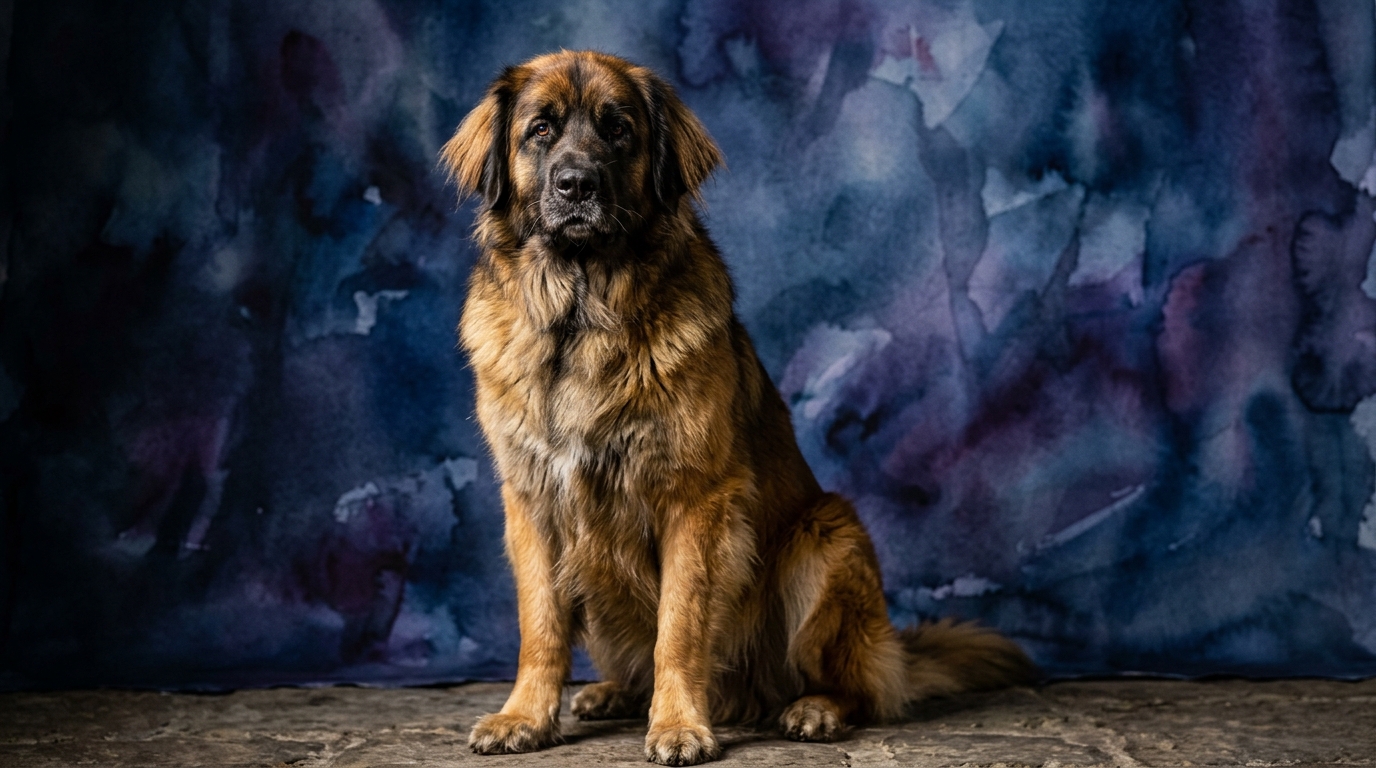
For the Leonberger, a working breed, their Problem Solving (3/5) often manifests as deliberate, thoughtful approaches to practical tasks, where careful execution outweighs speed, reflecting their history in drafting and water rescue. Their Training Speed (3/5) indicates they are capable learners, benefiting from consistency and positive reinforcement, retaining commands reliably once understood. Social Intelligence (3/5) for Leonbergers means they are attuned to human emotions and family dynamics, offering a calm, protective presence and reading subtle cues from their caregivers. Their Instinctive Drive (3/5) is primarily geared towards companionship, protection, and specific working roles like water rescue, displaying a watchful vigilance. Finally, their Memory (3/5) is solid, allowing them to recall training commands, routines, and past encounters effectively.
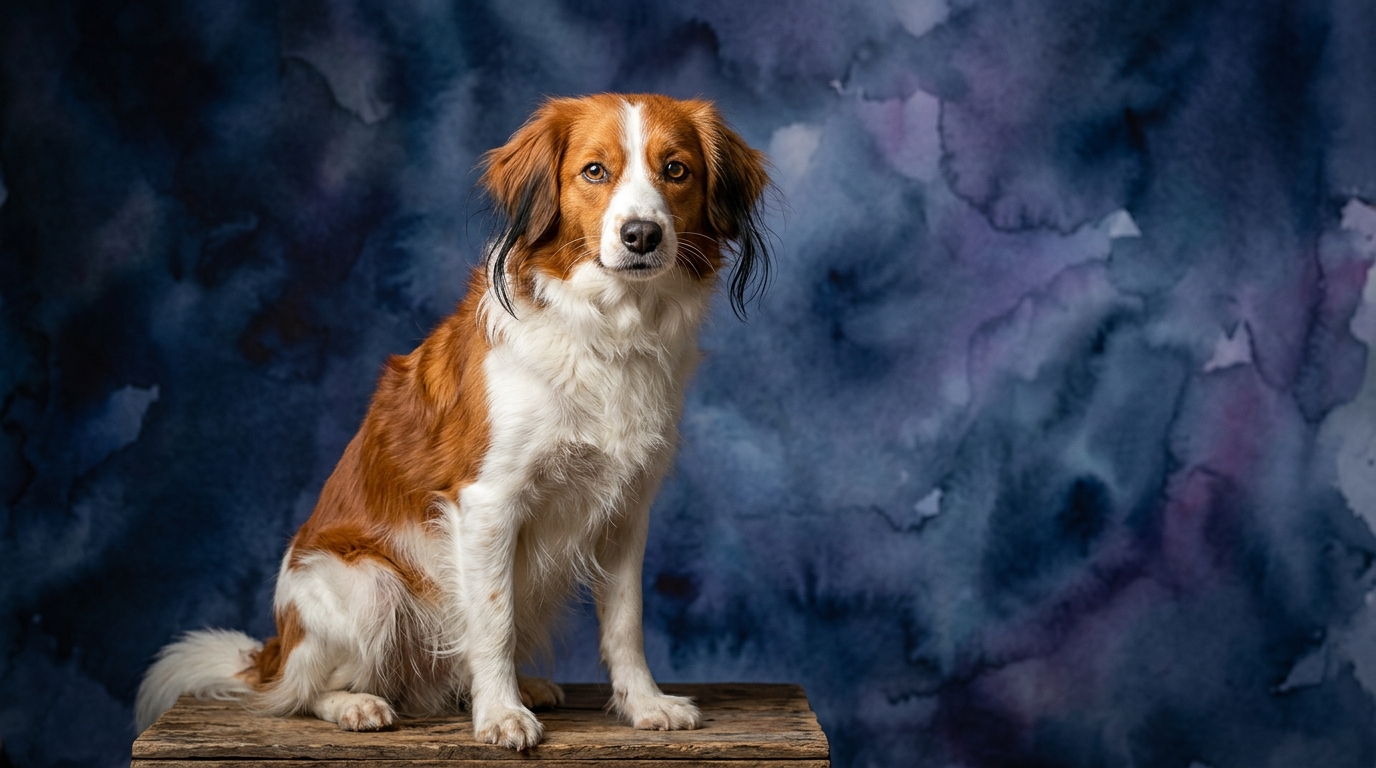
The Kooikerhondje, a sporting breed, demonstrates Problem Solving (3/5) through resourcefulness and strategic thinking, particularly in tasks requiring cleverness and navigation, reflecting their heritage of luring ducks. Their Training Speed (3/5) shows they grasp concepts quickly with engaging, positive methods, though their sensitivity and independent streak require varied sessions to maintain focus. Social Intelligence (3/5) in Kooikerhondjes is characterized by deep, perceptive bonds with their families, being highly observant of moods and routines, though they are often reserved with strangers. Their Instinctive Drive (3/5) is pronounced for luring, retrieving, and searching, exhibiting abundant energy and a natural inclination for independent yet cooperative work. Their Memory (3/5) is robust, crucial for remembering complex decoy patterns, scent trails, and intricate routines, serving them well in various dog sports.
Where Leonberger Wins Cognitively
Given identical 3/5 scores, the Leonberger's cognitive strengths often manifest in areas requiring calm judgment, physical presence, and a deep understanding of human social structures. Their Problem Solving at 3/5 is particularly effective in real-world scenarios demanding strength and thoughtful deliberation, such as figuring out how to safely navigate a difficult path while accompanying a handler, or how to move a heavy object. This isn't about speed, but about considered, effective action. Their Social Intelligence (3/5) shines in their ability to be a comforting, stable presence, intuitively understanding family dynamics and offering reassurance without being overly demanding. They excel at reading broad emotional cues and responding with appropriate calmness, making them superb therapy or assistance companions where their gentle nature complements their perceptive understanding. Furthermore, their Instinctive Drive (3/5) towards guardianship and companionship, combined with their imposing size, means their protective instincts are often expressed with a measured confidence, rather than frantic reactivity, requiring a cognitive process of assessing threats and responding proportionately. Their memory (3/5) supports their role as a reliable family member, remembering boundaries, routines, and who belongs, contributing to a secure household environment.
Where Kooikerhondje Wins Cognitively
The Kooikerhondje's 3/5 cognitive profile distinguishes itself in scenarios demanding agility of thought, precise execution, and an independent, yet focused, problem-solving approach. Their Problem Solving (3/5) is evident in tasks requiring quick wit and strategic thinking, such as navigating agility courses with precision, or figuring out intricate puzzle toys. This reflects their history of luring ducks with clever, repetitive movements. Their Training Speed (3/5) is often characterized by a keen responsiveness to novel and engaging training methods, making them adept at learning complex sequences in dog sports like obedience, rally, or flyball. While the Leonberger might be deliberate, the Kooikerhondje often demonstrates a nimble mental processing for intricate commands. Their Social Intelligence (3/5), though focused on their inner circle, allows for an almost telepathic bond with their primary handler, picking up on subtle body language and vocal inflections that might go unnoticed by a less attentive breed. Their Instinctive Drive (3/5) for "work" is strongly tied to their historical role, manifesting as a tireless enthusiasm for tasks that mimic hunting or searching, requiring sustained focus and independent decision-making within a structured game. Their Memory (3/5) is particularly sharp for patterns and sequences, allowing them to excel at recalling complex routines and adapting them on the fly, a crucial cognitive advantage in performance activities.
Which is Easier to Train and Why
When considering ease of training, both the Leonberger and Kooikerhondje register a 3/5 for Training Speed, indicating they are capable learners. However, the approach and challenges differ significantly due to their inherent behavioral traits. The Leonberger, with its more deliberate nature and desire to please, generally responds well to patient, consistent, and positive reinforcement. They thrive on clear expectations and a calm training environment. Their size necessitates early and thorough socialization and obedience training to ensure they are manageable and well-mannered as adults. While they might not grasp concepts instantly, their retention is strong, and they are generally willing to comply once they understand what is asked. A potential challenge is their occasional independent streak or "selective hearing" if they don't see the immediate purpose of a command. In contrast, the Kooikerhondje's training is often characterized by their eagerness and quick uptake, but also by their sensitivity and potential for boredom. They excel with engaging, varied training sessions that prevent monotony, using positive reinforcement and clicker training to harness their enthusiasm. Their high energy and independent hunting drive mean that consistent recall training and impulse control are paramount. They can be more easily distracted by environmental stimuli, and harsh corrections can lead to them shutting down or becoming anxious. Therefore, while both are capable, the Leonberger often requires more patience and consistency for a solid foundation, whereas the Kooikerhondje demands more creativity and responsiveness from the trainer to maintain engagement and manage their spirited nature.
Which Suits Active Owners vs Relaxed Owners
The choice between a Leonberger and a Kooikerhondje significantly hinges on an owner's lifestyle and activity level. The Leonberger, despite its substantial size, often surprises owners with its relatively moderate exercise requirements once past puppyhood. While they certainly benefit from daily walks, opportunities for swimming, and engaging family activities, they are not typically a breed that requires constant, high-intensity exertion. Their Instinctive Drive (3/5) for companionship means they are often content to be a calm presence indoors, enjoying relaxed evenings with their family after sufficient mental and physical stimulation. They are well-suited for owners who enjoy regular, but not extreme, outdoor activities and value a tranquil, affectionate companion at home. A truly relaxed or sedentary owner, however, might still struggle with providing enough mental engagement and basic physical activity for such a large dog. The Kooikerhondje, on the other hand, is unequivocally suited for active owners. Their Sporting group heritage and high Instinctive Drive (3/5) mean they possess abundant energy and a strong need for consistent mental and physical stimulation. Daily long walks, vigorous play sessions, dog sports like agility or flyball, and interactive puzzle toys are essential to prevent boredom and destructive behaviors. Their Problem Solving (3/5) and Memory (3/5) thrive on challenges. They are not content to be couch potatoes and will quickly become restless without an outlet for their intelligence and drive. Owners who lead an active lifestyle, are committed to daily training and enrichment, and enjoy participating in dog sports or extensive outdoor adventures will find the Kooikerhondje a rewarding and tireless partner.
The Verdict
Opt for the Leonberger if you seek a calm, gentle, and perceptive companion who thrives on being an integral, stable part of family life, and you can provide moderate daily exercise and consistent, patient training.
Select the Kooikerhondje if you are an active individual or family prepared to engage daily in rigorous exercise, mental challenges, and consistent, positive training for a spirited, clever, and deeply bonded partner.
🧠 Find Your Pet's IQ Score
Our Pet IQ Lab assessment covers 25+ tests across 5 cognitive dimensions — personalized to your breed.
Take the Full IQ Test →Frequently Asked Questions
Do Leonbergers and Kooikerhondjes get along well with children?
Leonbergers are generally known for their patient and gentle nature with children, often acting as watchful, calm companions, but their large size always necessitates supervision to prevent accidental bumps. Kooikerhondjes, while devoted to their family, can be more sensitive and may prefer older, respectful children who understand how to interact with a spirited dog.
Are there significant grooming differences impacting their care?
Yes, both breeds have double coats but with different maintenance needs; Leonbergers have a long, thick coat requiring regular brushing (several times a week) to prevent mats and manage shedding, especially seasonally. Kooikerhondjes have a medium-length coat with feathering that also requires regular brushing (2-3 times a week) to prevent tangles and keep it healthy.
What are the key differences in their social interaction with strangers?
Leonbergers are typically friendly and welcoming towards strangers once properly introduced, often displaying a calm confidence, though they can be reserved initially while assessing new people. Kooikerhondjes tend to be more reserved and cautious around strangers, often preferring to observe from a distance before warming up, reflecting their sensitive and protective nature towards their immediate family.