The Cognitive Canvas: Mastiff vs. Dogue de Bordeaux IQ Profiles
The Cosmic Pet Pet IQ Lab employs a five-dimensional framework to assess canine intelligence, moving beyond simple obedience to encompass a broader spectrum of cognitive abilities. For both the Mastiff and the Dogue de Bordeaux, each dimension scores a steady 3 out of 5, indicating a robust, practical intelligence that serves their roles as formidable companions and guardians.
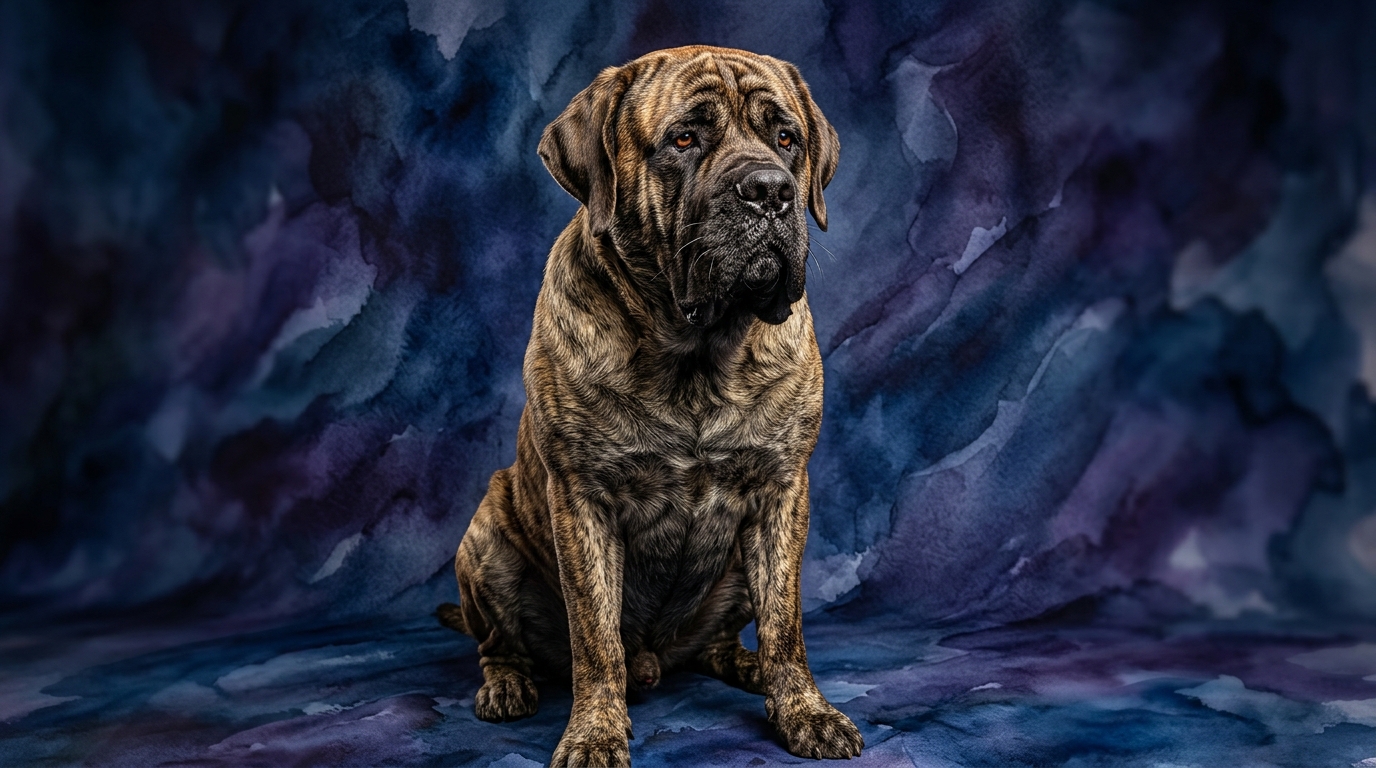
The Mastiff, a breed with a Coren ranking of #72, showcases its cognitive strengths through a dignified, observant nature. Its Problem Solving (3/5) often manifests in practical ways, such as discerning safe paths or understanding household routines, rather than complex puzzles. They tend to observe and react with a measured approach, often leveraging their imposing size and presence as part of their solution. Training Speed (3/5) indicates they learn at a steady pace, benefiting from consistent, positive reinforcement, reliably grasping commands but preferring to process information deliberately rather than offering rapid-fire responses. Social Intelligence (3/5) allows them to gauge the emotional climate of their family and distinguish between welcome guests and potential threats, offering a watchful companionship, often subtly attuned to their owner's needs. Their Instinctive Drive (3/5) is primarily rooted in guardianship and protection, expressed through vigilant observation and a deterrent presence, coupled with a strong territorial sense. Finally, their Memory (3/5) is robust, retaining routines, people, and past experiences with fidelity, allowing them to recall training commands and maintain strong bonds over time.
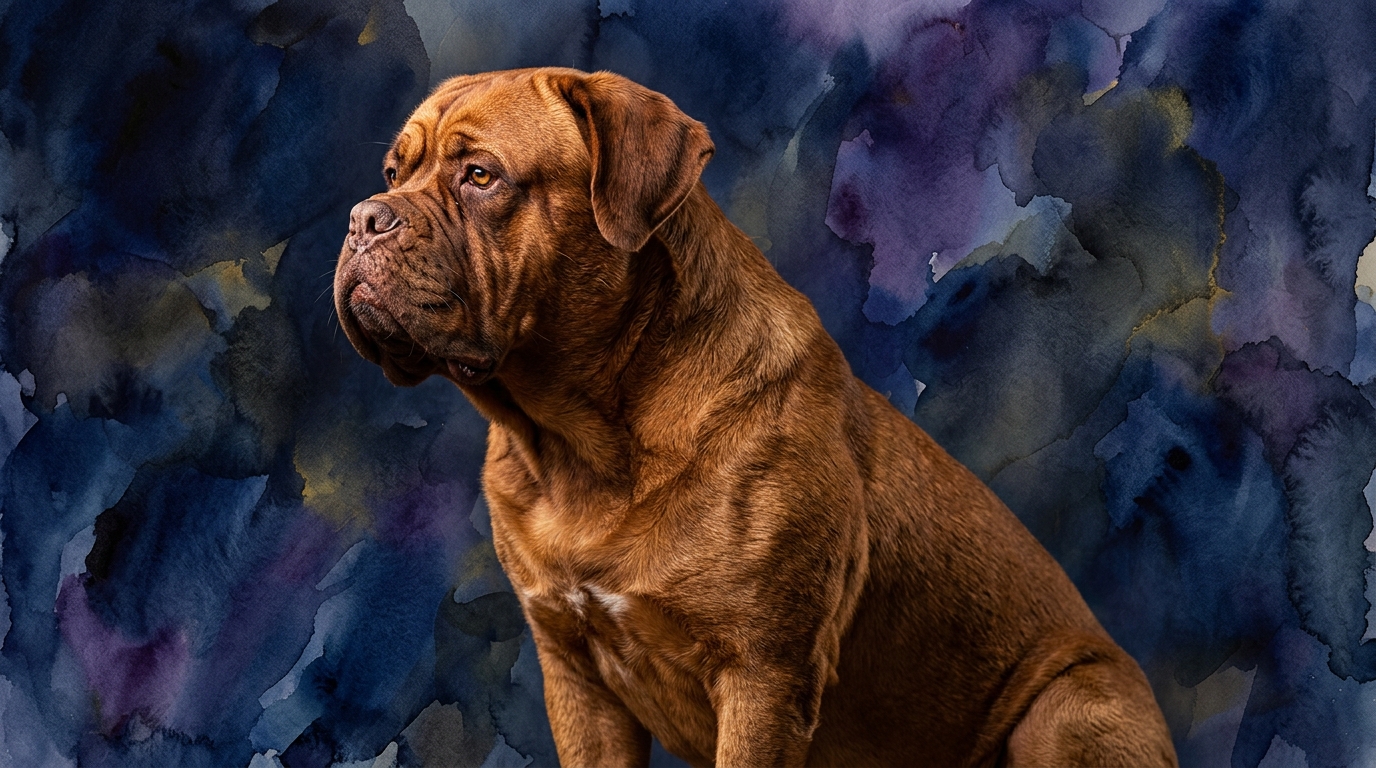
The Dogue de Bordeaux, though not Coren-ranked, possesses a similarly practical and powerful intellect. Its Problem Solving (3/5) applies to immediate situations, such as figuring out how to get attention or navigating their environment. Their method might involve persistent attempts or a direct, powerful approach, guided by their strong will. Training Speed (3/5) means Dogues learn effectively with patient, firm, and reward-based methods. While they process new commands, their independent streak means they sometimes require extra motivation or a clear understanding of the 'why' before readily complying. Social Intelligence (3/5) reveals a deep connection with their inner circle, understanding nuanced human expressions and intentions. They can be incredibly empathetic, offering comfort or seeking reassurance, and are highly sensitive to their family's moods. The Dogue's Instinctive Drive (3/5) exhibits a powerful protective instinct, coupled with a strong desire to be close to their family, manifesting as unwavering loyalty and a readiness to defend their loved ones, often with a more direct, assertive response if provoked. Their Memory (3/5) is excellent, retaining commands, routines, and experiences with fidelity, forming lasting recollections of individuals and events that contribute to their deep attachments and consistent behavior patterns.
Where the Mastiff's Mind Shines
The Mastiff's cognitive strengths often lie in its measured deliberation and historical capacity for structured obedience. Its Coren ranking of 72, though moderate, places it within a category of breeds that demonstrate a reliable ability to learn and execute commands under direction. This suggests a slightly more inherent amenability to formal training environments compared to breeds not specifically ranked for working and obedience intelligence. Their problem-solving, while rated 3/5, often involves a strategic assessment of situations, particularly concerning territory and family safety. A Mastiff might not solve a complex puzzle box, but it excels at understanding the nuances of a potential threat or the subtle shift in household dynamics that requires its watchful presence. This intelligent observation, coupled with a dignified reserve, allows them to act as discerning guardians, often preferring to deter rather than confront, a testament to their calculated mental approach.
Dogue de Bordeaux: A Distinct Cognitive Edge
The Dogue de Bordeaux, while not Coren-ranked, possesses a distinct cognitive advantage in its deeply emotional and tenacious engagement with its environment and family. Their social intelligence, rated 3/5, can be intensely focused on their primary caregivers, leading to an almost singular devotion and a profound ability to read their owner's emotional state. This isn't just about understanding cues; it's about a deep, empathetic connection that can drive their protective and comfort-giving behaviors. Furthermore, their instinctive drive, also 3/5, often manifests with a powerful persistence. When a Dogue decides on a course of action, whether it's guarding their home or seeking affection, their determination can be a formidable cognitive trait. This tenacity, combined with their physical presence, gives them a unique problem-solving approach where sheer will and focused effort are often brought to bear, making them incredibly effective in their chosen tasks, especially those involving unwavering loyalty and protection.
Training Dynamics: Who Learns with Greater Ease?
When it comes to ease of training, both breeds present specific considerations, even with identical 3/5 training speed ratings. The Mastiff, with its Coren ranking, often responds well to calm, consistent leadership and positive reinforcement. Their reserved nature and desire to please their family mean they typically absorb commands with a steady pace, and their compliance often stems from a respectful understanding of their role within the family unit. Behavioral differences show Mastiffs are less prone to impulsive disobedience, making them somewhat more straightforward to guide through basic and advanced obedience, provided the training is engaging and fair. They appreciate routine and clear expectations, which aids in solidifying learned behaviors.
The Dogue de Bordeaux, while equally capable of learning, can present a different training dynamic. Their powerful physique and sometimes strong-willed nature mean that trainers must be exceptionally consistent and motivating. While their 3/5 training speed suggests they learn, their independent streak can mean they require more convincing or a stronger incentive to perform. They are sensitive, so harsh methods are counterproductive and can lead to stubbornness or withdrawal. Dogues might also be more easily distracted by their environment or their intense focus on a particular person, requiring more focused engagement during training sessions. Success with a Dogue often hinges on building a strong, trust-based relationship where the dog views training as a cooperative and rewarding interaction, rather than simply following commands.
Lifestyle Fit: Companions for the Active or the Calm?
Both the Mastiff and the Dogue de Bordeaux are imposing breeds with moderate energy levels, making them excellent companions for owners who appreciate a generally relaxed pace of life. Neither breed is suited for owners seeking a jogging partner or a dog for high-intensity sports, as their substantial size and structure are not built for endurance. Their cognitive profiles, with moderate scores across the board, mean they benefit from mental stimulation but do not demand constant, complex work. They thrive on routine and clear expectations.
For relaxed owners, both breeds are a superb fit. Mastiffs are renowned for their 'couch potato' tendencies once their daily exercise needs are met, typically a good walk. Their problem-solving and social intelligence allow them to integrate seamlessly into a calm household, observing and participating without constant demands. Dogues de Bordeaux also excel in a tranquil home environment. While they might have slightly more intense bursts of playful energy, they are generally content to lounge with their family. Their deep social intelligence and memory mean they form strong bonds and appreciate consistent interaction without needing to be constantly 'on the go.' Both benefit from a secure yard for sniffing and pottering, fulfilling their instinctive drives for territory and observation without needing extensive physical exertion.
The Verdict: Choosing Your Canine Colossus
The Verdict
Choose a Mastiff if you seek a dignified, somewhat more reserved guardian with a proven capacity for structured obedience and a calmly observant presence in your home. Their steady learning pace and predictable nature make them a reliable companion for consistent, patient owners.
Opt for a Dogue de Bordeaux if you are drawn to a deeply devoted, physically imposing companion with a strong, sometimes stubborn will, and a powerful, empathetic protective instinct. Their intense loyalty and unique approach to problem-solving will thrive with an owner who appreciates a profound bond and confident leadership.
🧠 Find Your Pet's IQ Score
Our Pet IQ Lab assessment covers 25+ tests across 5 cognitive dimensions — personalized to your breed.
Take the Full IQ Test →Frequently Asked Questions
Are Mastiffs generally good with children?
Yes, Mastiffs are typically patient and gentle with children, often acting as watchful protectors, though their sheer size necessitates supervision to prevent accidental bumps during play. Their social intelligence helps them understand family dynamics and respond appropriately to younger members.
Do Dogue de Bordeaux dogs drool a lot, and how does that relate to their cognitive traits?
Dogue de Bordeaux can be prone to significant drooling, especially after drinking or during excitement, a characteristic owners should be prepared for. While not directly cognitive, this trait is part of their physical makeup, which they use to interact with their world, sometimes expressing their strong social intelligence or excitement through physical cues.
How much exercise do these giant breeds typically need?
Both Mastiffs and Dogue de Bordeaux require moderate daily exercise, usually a good walk or playtime in a secure area, to maintain their physical health and prevent boredom. Their moderate instinctive drive and problem-solving skills mean they benefit from mental engagement during these activities but are not high-stamina dogs.