Side-by-Side IQ Profile: Delving Into the Dimensions
The Cosmic Pet Pet IQ Lab assesses canine intelligence across five key dimensions, each rated on a scale of 1 to 5. Interestingly, both the Mastiff and the Italian Greyhound consistently score a 3/5 in every category, suggesting a baseline of functional intelligence rather than extreme peaks or valleys. Let's unpack what a 3/5 signifies for each breed.
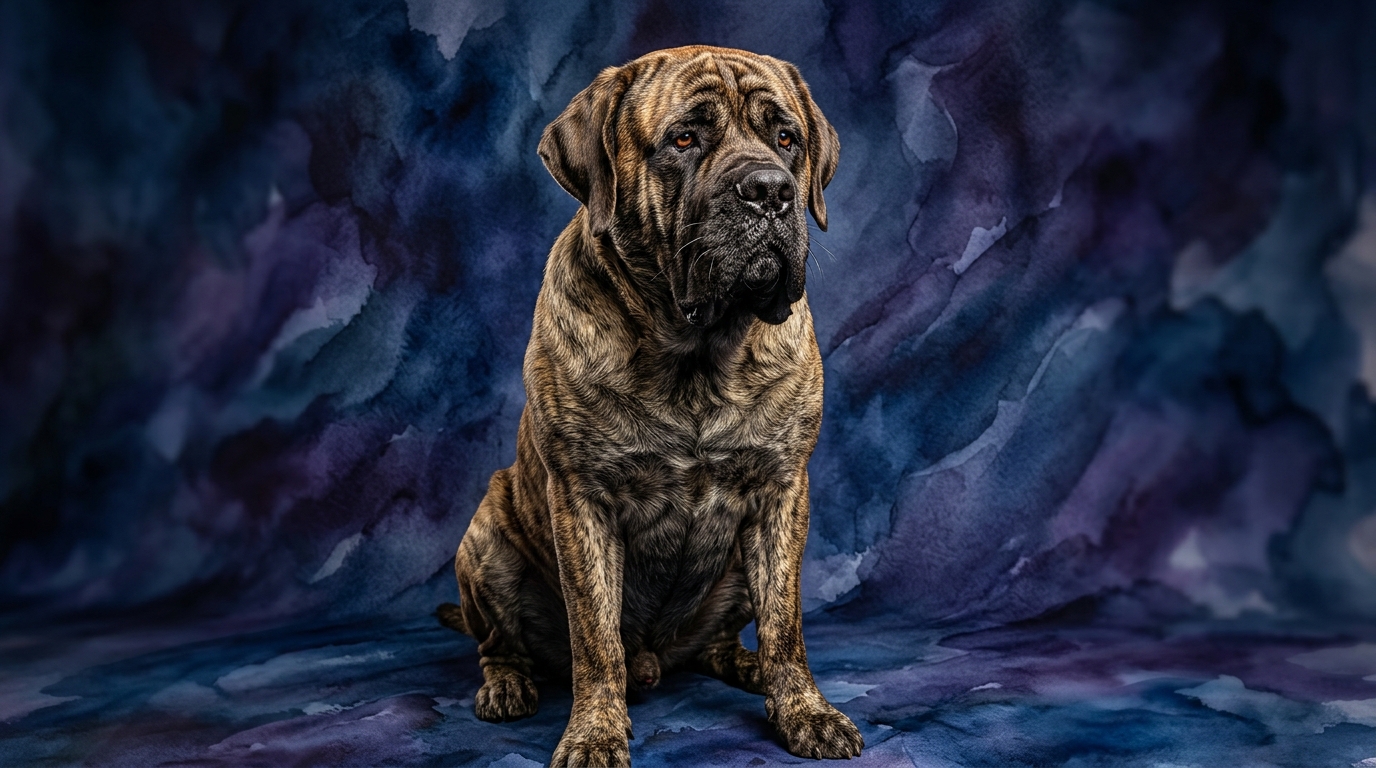
For the Mastiff, a 3/5 in Problem Solving indicates a dog that isn't quick to innovate complex solutions but can reliably navigate familiar challenges and learned routines. They often rely on guidance from their human companions rather than independent, creative problem-solving. Their Training Speed at 3/5 means they are certainly trainable, but they require consistent, patient repetition and clear expectations; they are not rapid learners but are deliberate in their acquisition of commands. Social Intelligence, also 3/5, reflects their ability to form deep bonds with family and understand household dynamics, though they can be reserved or indifferent towards strangers. Their Instinctive Drive at 3/5 manifests primarily as a moderate protective instinct towards their home and family, rather than a strong prey drive or intense working compulsion. Finally, a 3/5 in Memory suggests they retain learned behaviors and routines well over time, remembering both positive and negative experiences, contributing to their predictable nature.
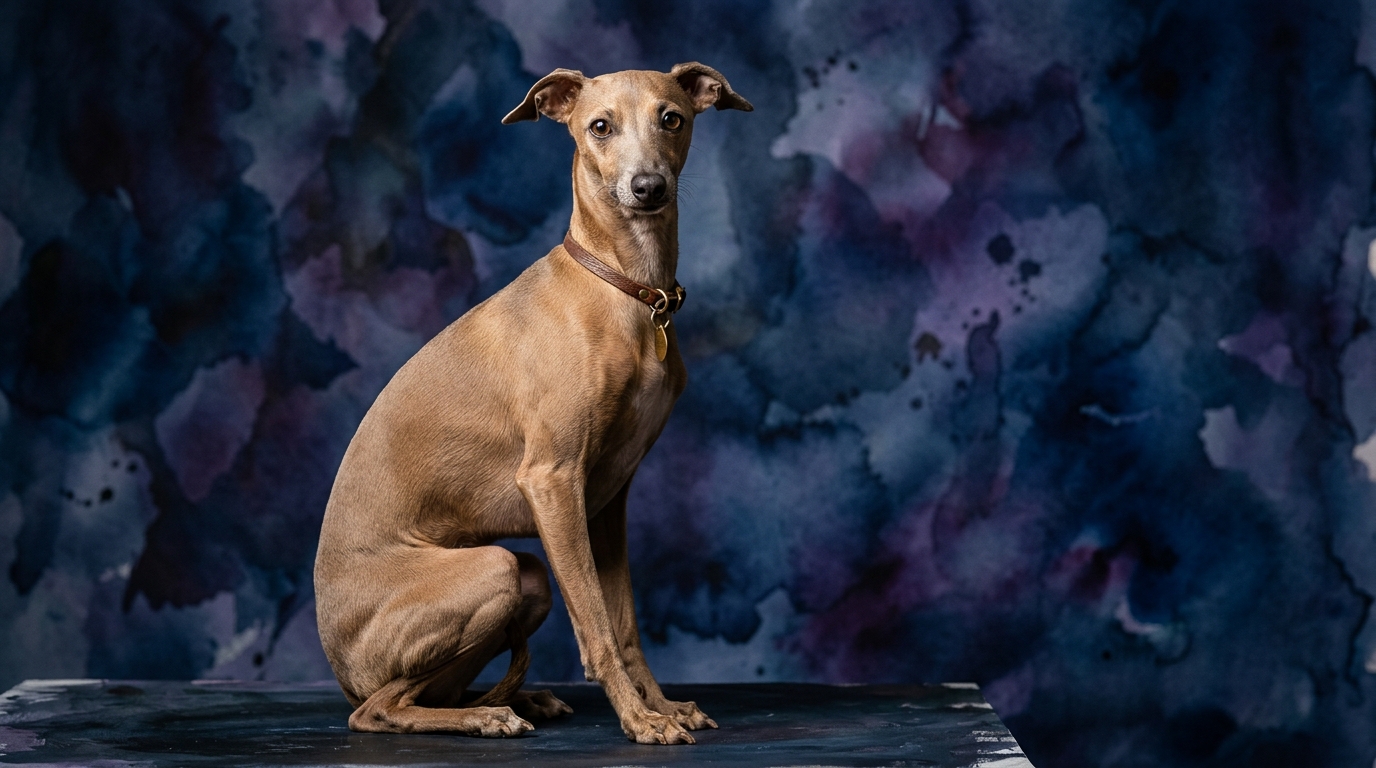
The Italian Greyhound, despite its vastly different heritage, also scores 3/5 across the board. In Problem Solving, this often translates to resourcefulness in finding comfort, navigating tight spaces, or subtly manipulating situations for attention, rather than solving complex puzzles. Their 3/5 in Training Speed means they can pick up commands fairly quickly when motivated, but their sensitive nature and potential for distraction mean consistency can be challenging; they learn best with positive, engaging methods. Social Intelligence at 3/5 highlights their keen sensitivity to human emotions and their strong desire for connection, often making them highly attuned to their owner's mood. Their Instinctive Drive, rated 3/5, is strongly rooted in their sighthound heritage, manifesting as a pronounced impulse to chase fast-moving objects, sometimes overriding learned behaviors. A Memory score of 3/5 indicates they remember routines, cues, and people, but their independent streak might sometimes lead to selective recall if the motivation isn't present.
Where the Mastiff Wins Cognitively
The Mastiff's cognitive strengths lie in its steadfastness and ability to apply learned behaviors with remarkable consistency, particularly in low-distraction environments. Their deliberate nature means that once a command or routine is ingrained, it is often performed reliably, making them predictable companions. This isn't about speed, but about robust retention and application.
Their social intelligence, while not overtly effusive, allows for a deep, quiet understanding of their family's needs and emotional states, fostering an incredibly strong and stable bond. This manifests as a profound loyalty and a reassuring, calm presence, where their cognitive processing supports a tranquil household dynamic. Their lower instinctive drive, compared to many working breeds, means fewer impulsive actions driven by primal urges, contributing to their generally composed demeanor.
Where the Italian Greyhound Wins Cognitively
The Italian Greyhound's cognitive advantages often stem from its agility and sensitivity. While not problem-solvers in the traditional sense, their resourcefulness in navigating their environment, particularly in finding the warmest, most comfortable spots, demonstrates a practical application of their intelligence. This translates to an adaptability within their living space.
Their acute social intelligence allows them to read subtle human cues with exceptional precision, often anticipating their owner's moods or intentions. This makes them highly responsive to emotional nuances, fostering a rich, interactive relationship. Furthermore, their sighthound instinctive drive, while sometimes challenging for training, represents a highly specialized form of cognitive focus and rapid decision-making when engaging with moving targets, showcasing a different kind of mental quickness.
Which Is Easier to Train and Why?
When considering ease of training, neither breed offers a 'set it and forget it' experience, but their challenges and strengths differ significantly. The Mastiff, with its 3/5 training speed, requires patience and consistent repetition. They are not quick to grasp new concepts, but once a command is understood and practiced, their desire to please and their generally calm temperament lead to reliable execution. They are less prone to impulsive decisions or distraction in a structured training setting, valuing routine and clear communication.
The Italian Greyhound, also at 3/5 training speed, can initially pick up cues quickly due to their attentiveness. However, their sensitive nature, short attention span for repetitive tasks, and strong sighthound drive can make consistent training more demanding. They thrive on positive reinforcement and engaging, varied sessions; harsh methods can cause them to shut down. Their independent streak and instinct to chase can override learned commands in high-stimulus environments, requiring owners to be highly diligent about secure spaces and recall practice. Therefore, the Mastiff might be considered 'easier' in terms of consistency once trained, while the Italian Greyhound requires a more nuanced, engaging, and patient approach to maintain focus and compliance.
Which Suits Active Owners vs. Relaxed Owners?
The Mastiff is an excellent fit for relaxed owners who appreciate a calm, predictable presence in their home. While they benefit from regular, moderate walks for physical and mental well-being, their energy levels are generally low, and they are content with ample lounging time and quiet companionship. Their substantial size means they are not suited for strenuous activities or agility courses, thriving instead on routine and a peaceful home environment where they can be a comforting, steady anchor. They require owners who can manage their size and provide consistent, gentle leadership, not necessarily high physical activity.
The Italian Greyhound, despite its small stature, often suits owners who are 'active' in terms of engagement and mental stimulation, rather than purely physical exertion. They have bursts of energy and enjoy playful antics indoors, as well as short, brisk walks or secure off-leash play in fenced areas where their sighthound instincts can be safely indulged. They are highly social and thrive on interaction, requiring owners who can provide consistent attention, training, and enrichment to prevent boredom or anxiety. While they might enjoy a vigorous sprint, they are equally content snuggling on the couch, making them suitable for owners who appreciate a dynamic blend of spirited play and affectionate downtime, provided their need for consistent mental engagement is met.
The Verdict
Choose a Mastiff if you seek a calm, deeply loyal, and predictably steady companion who thrives on routine and a tranquil home environment, offering a reassuring presence without demanding constant activity.
Choose an Italian Greyhound if you desire an engaging, sensitive, and spirited companion who brings a blend of playful energy and deep affection, and you are prepared to provide consistent mental stimulation and secure spaces for their unique sighthound instincts.
🧠 Find Your Pet's IQ Score
Our Pet IQ Lab assessment covers 25+ tests across 5 cognitive dimensions — personalized to your breed.
Take the Full IQ Test →Frequently Asked Questions
Do Mastiffs learn new tricks easily?
Mastiffs can learn new tricks, but their training speed is moderate (3/5). They require consistent, patient repetition and clear communication. Once learned, however, they tend to retain commands reliably due to their steady temperament.
Are Italian Greyhounds good at agility?
Italian Greyhounds possess the physical agility and speed for canine sports like agility. However, their sensitive nature, potential for distraction, and independent streak mean success depends heavily on engaging, positive training methods and a highly motivated handler.
How do their social intelligence scores manifest differently?
Both score 3/5 in social intelligence, but it manifests differently: Mastiffs show deep, quiet loyalty and understanding within their family, often reserved with strangers. Italian Greyhounds display acute sensitivity to human emotions and a strong desire for close connection, often seeking comfort and interaction with their chosen people.