Side-by-Side Cognitive Profiles: Herding vs. Hound Minds
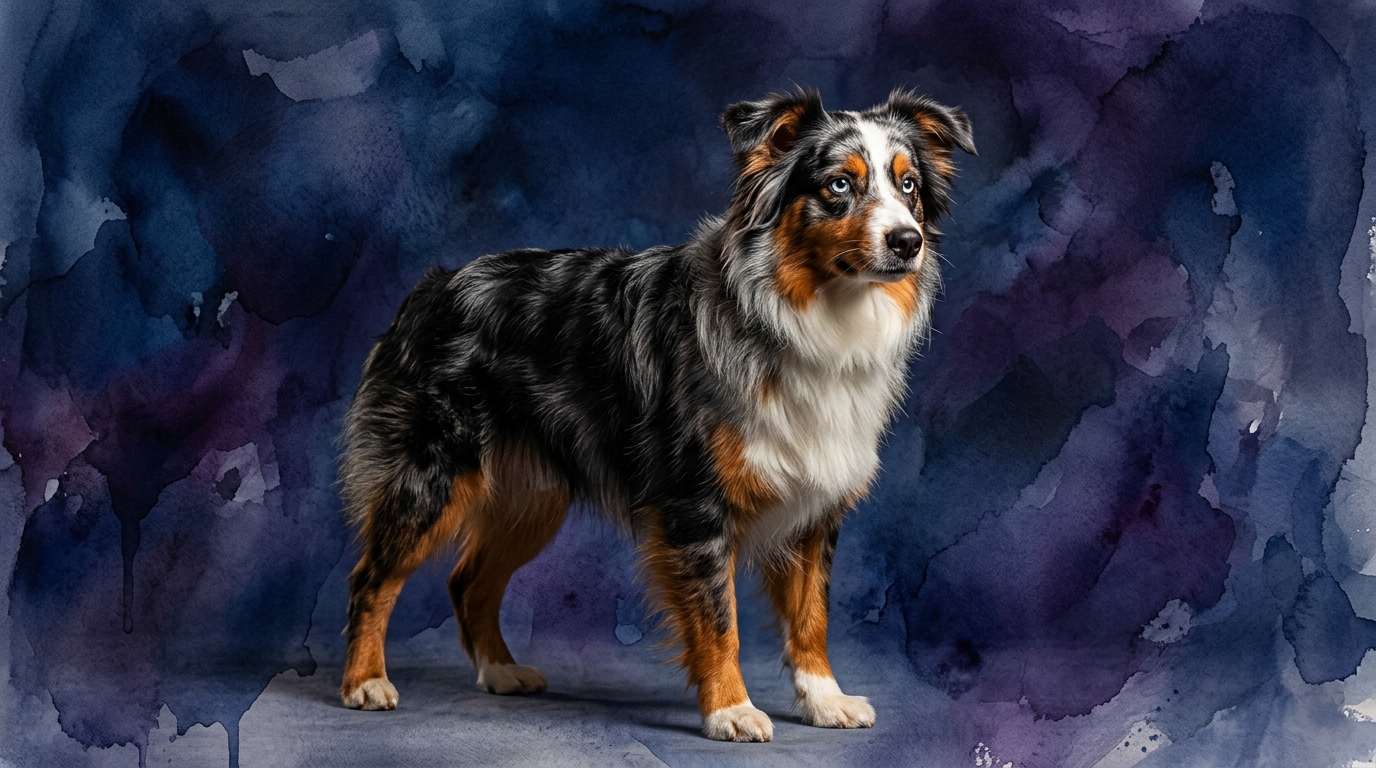
When we examine the Miniature American Shepherd (MAS) and the American Foxhound (AFH) through the lens of The Cosmic Pet Pet IQ Lab, both breeds register a consistent 3/5 across all five cognitive dimensions: Problem Solving, Training Speed, Social Intelligence, Instinctive Drive, and Memory. This numerical parity, however, belies fundamental differences in how these capabilities are applied and expressed, deeply rooted in their ancestral purposes. The MAS, a herding breed, developed its intellect around managing livestock, requiring a keen awareness of spatial relationships, group dynamics, and handler communication. Their 3/5 in Problem Solving often manifests as strategic thinking in dynamic environments, such as anticipating a sheep's movement or finding the optimal path to guide a flock. Their Training Speed of 3/5 reflects a willingness to learn complex, multi-step commands, though not always with instant mastery, as they process information related to their 'job.' Social Intelligence at 3/5 for the MAS is about understanding both human and animal cues, navigating social hierarchies within their 'flock' or family unit, and working collaboratively. Their Instinctive Drive of 3/5 is primarily expressed as a strong desire to gather, control, and direct, often seen in nipping at heels or 'herding' family members. Finally, their Memory at 3/5 allows them to recall intricate command sequences, routines, and the learned behaviors of those they interact with.
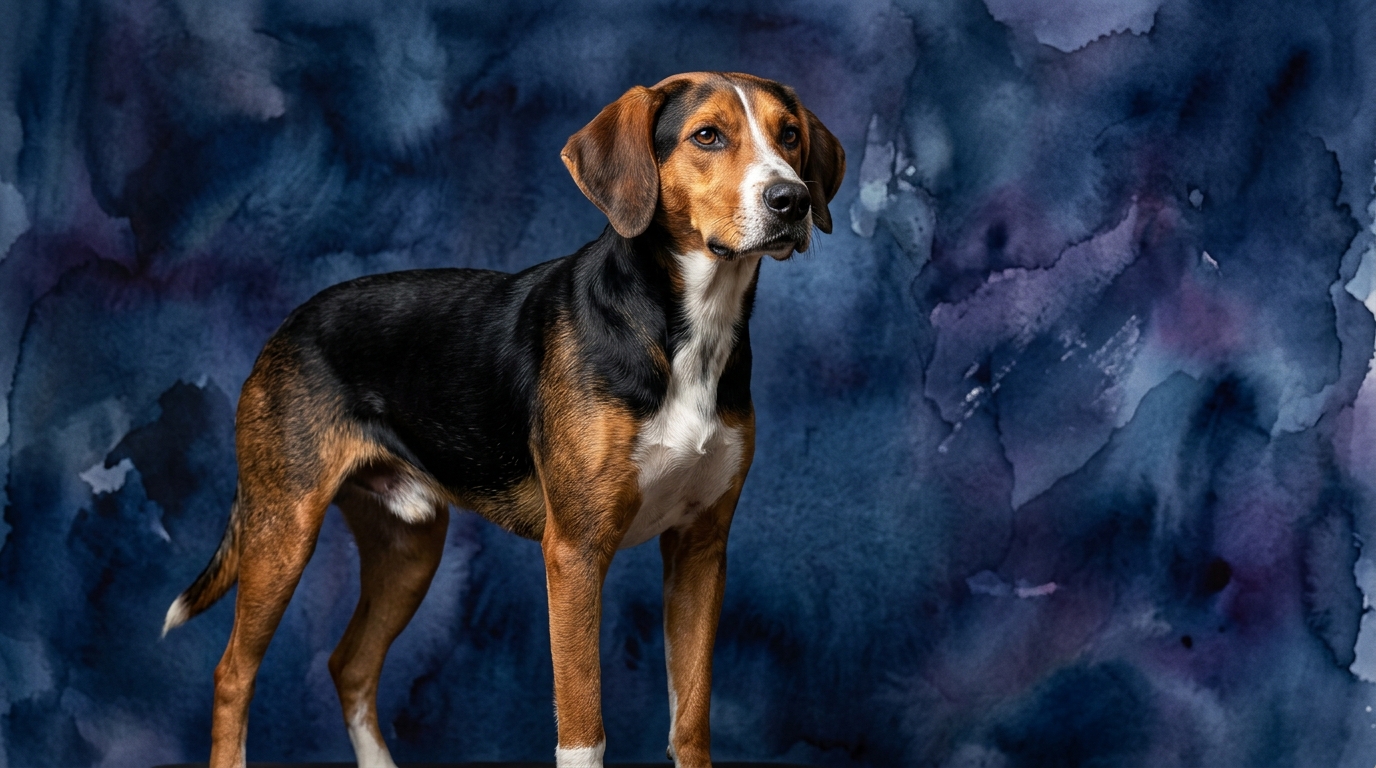
The American Foxhound, a hound breed, developed its cognitive strengths for tracking game over vast distances, often independently or as part of a pack, with minimal direct human intervention during the hunt. Their 3/5 in Problem Solving is less about controlling a situation and more about persistent investigation and navigation. This might involve deciphering complex scent trails, overcoming environmental obstacles to maintain a pursuit, or finding the most efficient route through challenging terrain. Their Training Speed, also 3/5, reflects an ability to learn, but often with the caveat that their powerful scent drive can override handler commands, making consistent focus a training challenge. The AFH's 3/5 Social Intelligence is centered on pack dynamics—understanding their place within a group of hounds and interpreting the subtle communications required for cooperative hunting, rather than intricate human-centric social cues. Their Instinctive Drive, a robust 3/5, is overwhelmingly dominated by their prey drive and an insatiable desire to follow a scent, which dictates much of their behavior. Their Memory, also 3/5, is particularly acute for remembering scent patterns, successful hunting grounds, and the learned behaviors of their pack mates, enabling them to build a mental map of their hunting environment over time.
Where the Miniature American Shepherd's Cognition Shines
The Miniature American Shepherd excels in cognitive areas that demand close partnership and responsive adaptability. Their problem-solving, while rated 3/5 like the Foxhound, is inherently more handler-centric. An MAS will often look to their human for guidance when faced with a novel situation, or devise a solution that integrates their handler's presence. For example, if a gate is open, an MAS might not just run through but might attempt to 'herd' their owner towards it, or wait for a command. This collaborative problem-solving makes them particularly adept at dog sports like agility or obedience, where quick interpretation of human signals and precise execution are paramount. Their social intelligence also leans towards a nuanced understanding of human emotion and intent, making them more attuned to subtle changes in tone or body language, which is crucial for their herding role where they must anticipate and react to human direction.
Furthermore, the MAS's memory, though rated 3/5, is often applied to recalling intricate sequences of commands and routines, making them highly predictable and reliable partners in structured activities. This isn't just about remembering a single command, but a series of actions performed in a specific order, or the rules of a complex game. Their herding instinct, while a strong drive, is more easily channeled into constructive tasks that involve working alongside a human. This allows their cognitive abilities to be harnessed for a wider range of activities that require focused attention on a human partner, from service work to competitive sports, where their practical problem-solving and social awareness create a highly engaged and cooperative companion.
Where the American Foxhound's Cognition Takes the Lead
The American Foxhound's cognitive strengths lie in areas demanding independent, persistent investigation and an unwavering focus on a primal task. While their problem-solving is also rated 3/5, it is profoundly scent-driven and self-directed. Faced with a complex scent trail, an AFH will methodically work through it, using their formidable olfactory memory and deduction to unravel the path, often disregarding distractions that would deter other breeds. This involves intricate spatial reasoning and an ability to hold a 'mental map' of scent information over long periods and vast distances, a skill set distinctly different from the MAS's herding-based problem-solving. Their memory, while also 3/5, is particularly specialized for recalling specific scent profiles and terrain features associated with the hunt, allowing them to learn and optimize their tracking strategies.
The AFH's instinctive drive, a powerful 3/5, is their greatest cognitive asset in its specific domain. This drive fuels incredible endurance and an almost single-minded determination to complete a task, even when it requires hours of sustained effort. Their social intelligence, while also 3/5, is geared towards efficient communication within a pack, often expressed through vocalizations and body language that are understood by other hounds, enabling cooperative hunting without constant human directives. This independence means an AFH can make complex decisions on the fly during a hunt, relying on their own judgment and experience rather than waiting for a handler's command. This self-reliance and specialized sensory processing give the Foxhound a unique cognitive edge in tasks that demand relentless pursuit and autonomous decision-making in the field.
Training Dynamics: Which is Easier and Why?
When considering ease of training, the Miniature American Shepherd generally presents a more straightforward experience for the average owner. Their herding background has ingrained a strong desire to work in partnership with a human, making them naturally more biddable and responsive to commands. Their social intelligence, tuned to human cues, helps them quickly understand what is being asked. While their training speed is 3/5, this score is supported by an eager-to-please temperament and a focus on the handler, allowing for consistent progress. They thrive on positive reinforcement and clear, consistent instruction, often picking up new skills efficiently because they genuinely enjoy the collaborative process. Their problem-solving often involves finding the 'right' answer that pleases their human, which aligns well with traditional training methods.
The American Foxhound, despite also scoring 3/5 in training speed, typically requires a more patient and nuanced approach. Their independence and overwhelming instinctive drive for scent can make them less inclined to prioritize human commands over an intriguing smell. A Foxhound might understand a 'recall' command perfectly in a distraction-free environment, but once a captivating scent is encountered, their internal problem-solving kicks in, directing them to follow the trail, often rendering the recall ineffective. Training an AFH often involves working *with* their instincts rather than against them, such as incorporating scent work into training to keep them engaged, or using extremely high-value rewards to compete with environmental distractions. Their social intelligence, while strong within a pack, doesn't always translate to immediate deference to a human in the same way a herding breed's does, requiring an owner to earn their focus and respect through consistent, fair, and engaging training practices.
Lifestyle Match: Active Owners vs. Relaxed Owners
For active owners seeking a highly engaged and versatile canine partner, the Miniature American Shepherd is an excellent match. Their 3/5 instinctive drive, while potent, is channeled into activities that involve collaboration and mental stimulation. They thrive on having a 'job,' whether it's participating in agility, obedience, flyball, or even complex trick training. Their problem-solving and memory skills make them adept at learning intricate routines, and their social intelligence ensures they are always tuned into their owner's needs and desires. An MAS requires consistent physical exercise, but equally important is mental engagement; a bored MAS can become destructive or overly vocal. They are well-suited for owners who enjoy hiking, running, or dog sports and want a companion who can keep pace both physically and mentally, eager to learn and participate in every adventure.
The American Foxhound, on the other hand, is suited for a very specific type of active owner—one who appreciates endurance, independence, and the unique drive of a scent hound. Their 3/5 instinctive drive for tracking is immense and non-negotiable; they need vast amounts of physical exercise, often in environments where they can safely follow scent trails, such as large, securely fenced yards or supervised off-leash areas (where safe). Relaxed owners will quickly find themselves overwhelmed by an AFH's boundless energy and deep need to explore with their nose. While they can be affectionate companions indoors, their primary cognitive and physical needs are met outdoors, pursuing their innate drive. Owners must be prepared for long walks, runs, or opportunities for structured scent work to satisfy their powerful instincts. Their independence, while a cognitive strength in the field, means they are not always 'velcro' dogs and might prefer to investigate a scent over cuddling on the couch, making them a better fit for owners who respect and can accommodate this self-reliant nature.
The Verdict
Choose the Miniature American Shepherd if you seek a highly engaged, biddable, and versatile companion eager to collaborate in a variety of activities and dog sports, thriving on mental and physical challenges alongside their human partner.
Opt for the American Foxhound if you are an active, patient owner who values independence, immense endurance, and a dog primarily driven by scent, willing to provide ample opportunities for their hound to fulfill their primal tracking instincts.
🧠 Find Your Pet's IQ Score
Our Pet IQ Lab assessment covers 25+ tests across 5 cognitive dimensions — personalized to your breed.
Take the Full IQ Test →Frequently Asked Questions
Do Miniature American Shepherds and American Foxhounds have the same intelligence?
Numerically, both breeds score 3/5 across all five cognitive dimensions in The Cosmic Pet Pet IQ Lab. However, their intelligence manifests differently: the MAS's is geared towards collaborative problem-solving and human partnership, while the AFH's is focused on independent, scent-driven investigation and endurance.
Which breed is better for a first-time dog owner?
The Miniature American Shepherd is generally a more suitable choice for first-time dog owners due to their higher biddability and desire to please, making them easier to train and integrate into a family. American Foxhounds, with their strong independent streak and overwhelming scent drive, require more experienced handling.
Can an American Foxhound be trained for agility or obedience?
While an American Foxhound can certainly learn agility or obedience commands, their independent nature and powerful scent drive mean they may not achieve the same level of precision or speed as a herding breed. Training will require significant patience, creativity, and high-value rewards to keep them focused amidst distractions.