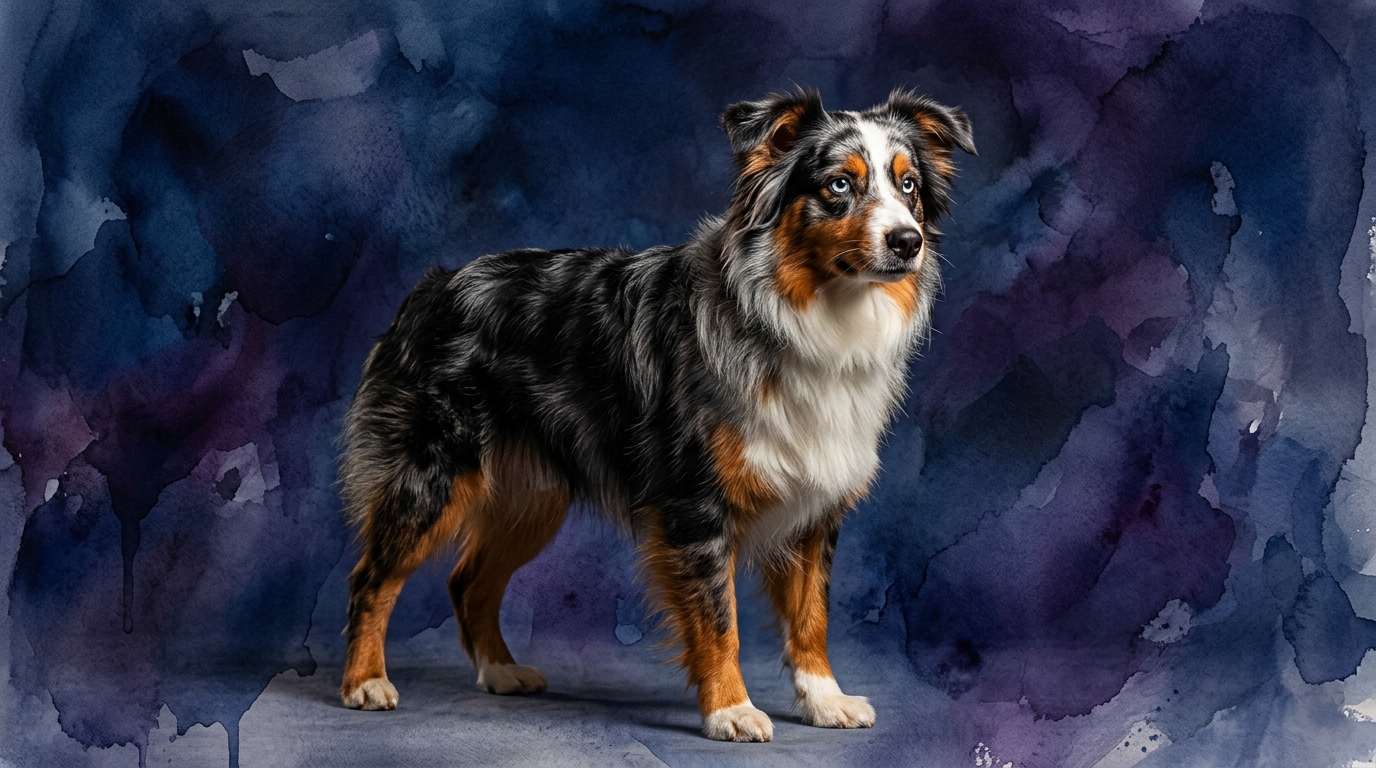
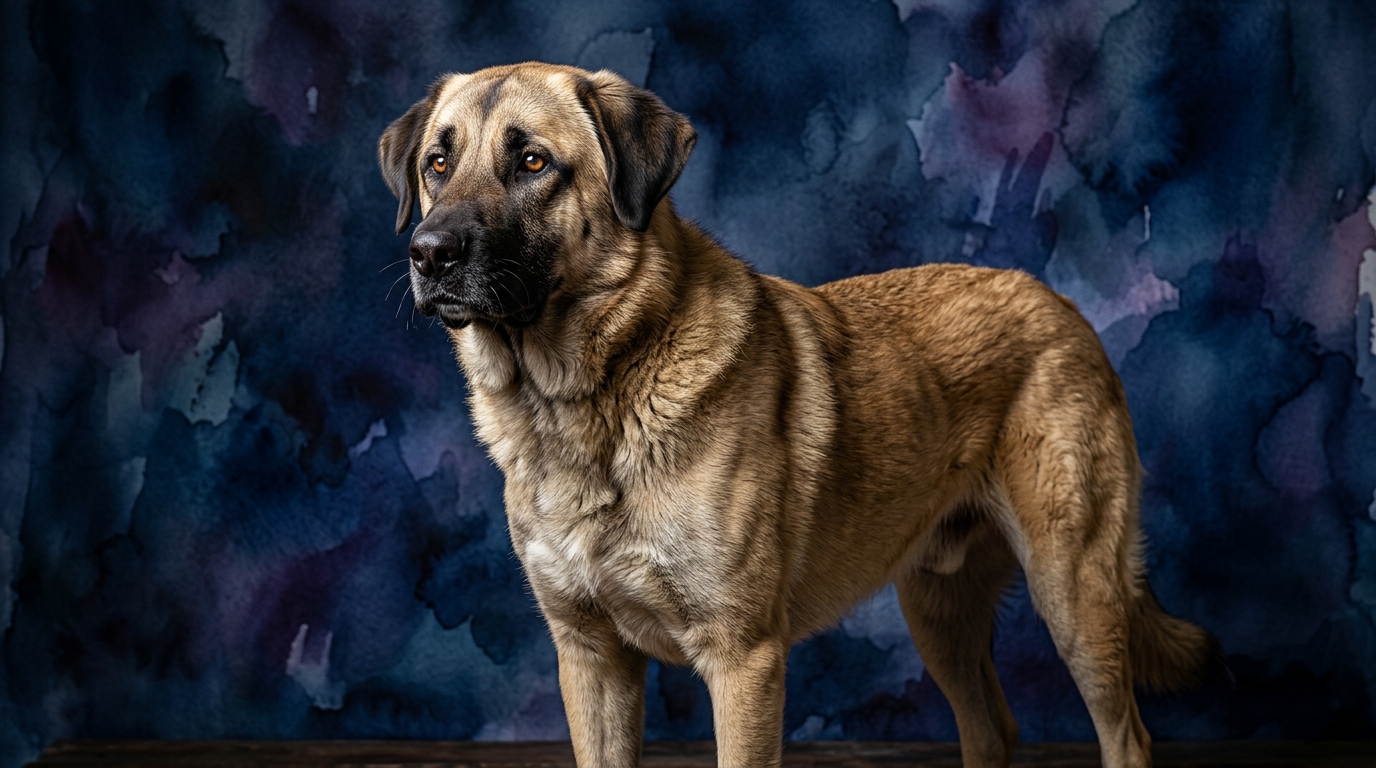
Side-by-Side IQ Profile: Herder vs. Guardian
The Cosmic Pet Pet IQ Lab's assessment reveals both the Miniature American Shepherd (MAS) and the Anatolian Shepherd Dog (ASD) possess a consistent 3/5 rating across five key cognitive dimensions. This identical numerical score, however, doesn't imply identical mental landscapes; rather, it suggests a similar *capacity* for intelligence, expressed through the lens of their distinct breed functions.
For Problem Solving (3/5), both breeds demonstrate an ability to navigate challenges, but the MAS often applies this to dynamic, fast-paced situations like managing a flock, quickly adapting strategies. The ASD, conversely, uses its problem-solving for more strategic, independent tasks such as assessing threats or finding efficient patrol routes across vast territories. Neither breed is typically a groundbreaking innovator, but both effectively apply learned solutions.
Training Speed (3/5) indicates a moderate pace of learning for both. The MAS, with its strong desire to partner with a handler, often picks up complex commands with consistent effort, driven by a history of close collaboration in herding. The ASD also learns steadily but, given its independent nature, may require more motivation and a clear understanding of the 'why' behind a command, rather than simply complying with repetition.
Social Intelligence (3/5) for the MAS often centers on reading handler cues, understanding flock dynamics, and forming strong, interactive bonds with its human family. For the ASD, this dimension typically manifests as an astute ability to discern intentions in strangers or potential threats, coupled with a deep, protective understanding of its family unit and territory. Their social understanding is geared towards their respective roles – one for cooperative work, the other for vigilant protection.
Instinctive Drive (3/5) is clearly delineated by their breed groups. The MAS exhibits a moderate but unmistakable herding drive, expressed through gathering, chasing, and controlling movement. The ASD's drive is rooted in guarding, manifesting as territoriality, vigilance, and an inherent need to protect livestock or family. These drives are present and influential but generally manageable with appropriate outlets and training. Memory (3/5) for both breeds signifies a good capacity for retaining learned commands, experiences, and associations. The MAS remembers complex sequences for agility or herding tasks, while the ASD retains knowledge of boundaries, perceived threats, and safe individuals over extended periods, crucial for effective guardianship.
Where the Miniature American Shepherd Excels Cognitively
Despite sharing identical IQ scores, the Miniature American Shepherd often shines in cognitive areas requiring rapid, adaptable responses and close handler cooperation. Their 3/5 Problem Solving is often demonstrated in their agility and herding prowess, where they must quickly assess a changing environment, anticipate livestock movements, and execute precise actions. This isn't just about speed; it's about the cognitive flexibility to adjust tactics on the fly.
The MAS's Social Intelligence (3/5) is particularly pronounced in their ability to form a highly attuned partnership with their human counterparts. They are adept at reading subtle body language, vocal inflections, and emotional states from their handler, which is critical for complex tasks like herding where communication is often non-verbal and instantaneous. This close bond facilitates a collaborative approach to problem-solving and training that is a hallmark of the breed.
Furthermore, their Instinctive Drive (3/5) for herding, when channeled appropriately, provides a powerful cognitive engine for learning and engagement. This drive means they are often eager for tasks that involve movement, strategy, and working as a team, making them excel in dog sports or jobs that mimic their ancestral purpose. Their memory (3/5) is well-suited for retaining intricate command sequences and patterns required in performance activities.
Where the Anatolian Shepherd Dog Excels Cognitively
The Anatolian Shepherd Dog, while numerically matching the MAS, demonstrates cognitive strengths geared towards independent thought, strategic vigilance, and long-term protection. Their 3/5 Problem Solving often manifests as a deliberate, thoughtful approach to assessing threats or managing their territory. Unlike the MAS's quick reaction, the ASD might take a moment to survey a situation, weighing options before taking action, often without direct human instruction.
The ASD's Social Intelligence (3/5) is uniquely adapted for their guardian role, allowing them to accurately distinguish between familiar, safe individuals and potential intruders. This involves a nuanced understanding of social cues from strangers, a keen sense of territory, and a deep, enduring loyalty to their charges. Their social understanding is less about biddability and more about discerning intent, making them formidable protectors.
Their Instinctive Drive (3/5) for guarding is a dominant cognitive force, enabling them to remain alert and watchful over long periods, often in isolation. This drive fuels their ability to identify and respond to subtle environmental changes that might indicate a threat, showcasing a persistent and focused form of cognitive engagement. Their memory (3/5) is excellent for remembering territory boundaries, safe zones, and individuals, building a comprehensive mental map of their world vital for effective guardianship.
Training Dynamics: Biddability vs. Independence
When considering ease of training, the identical 3/5 Training Speed rating for both breeds needs to be interpreted through their inherent behavioral differences. The Miniature American Shepherd, with its herding heritage, often exhibits a strong desire to please and a biddable nature, making them generally receptive to structured, reward-based training. Their focus on their handler and eagerness to participate in activities means they typically learn complex commands and routines with consistent positive reinforcement.
The Anatolian Shepherd Dog, in contrast, approaches training with a more independent mindset. While they are capable learners (3/5 Training Speed), their historical role as independent livestock guardians means they are wired to make their own decisions rather than constantly seeking human directives. This can translate into a perception of stubbornness if an owner expects immediate, unquestioning obedience. Training an ASD often requires patience, a deep understanding of their motivations, and establishing a strong, respectful partnership where they understand the purpose behind a command.
Therefore, while both breeds learn at a similar pace, the MAS might be considered 'easier' for owners seeking a highly responsive, command-driven companion for activities like obedience or agility. The ASD requires an owner who appreciates and can work with their independent streak, focusing on foundation training, clear communication, and harnessing their natural guardian instincts rather than trying to suppress them.
Lifestyle Match: Active Engagement vs. Purposeful Presence
The cognitive profiles of these two breeds, even with identical scores, point to very different ideal living situations. The Miniature American Shepherd thrives with active owners who can provide consistent mental and physical engagement. Their 3/5 Problem Solving and Instinctive Drive for herding mean they benefit immensely from activities like agility, obedience, rally, or even just complex puzzle toys and regular training sessions that challenge their minds. They are not content with a purely sedentary existence; their cognitive needs demand interaction and purpose.
The Anatolian Shepherd Dog, on the other hand, suits owners who understand their need for a purposeful presence, often involving ample space and a 'job' to do, even if that job is simply guarding their family and property. While they may appear more relaxed, their 3/5 Instinctive Drive for guarding and independent Problem Solving means they are constantly processing their environment, assessing situations, and making decisions. They require a secure, spacious environment where they can patrol and observe, fulfilling their cognitive and instinctual needs without being over-stimulated by constant novelty.
For owners with a busy, interactive lifestyle who enjoy training and dog sports, the MAS is an excellent fit. For those who appreciate a watchful, independent guardian with a calm demeanor but significant territorial needs and a less 'hands-on' interaction style, the ASD could be a better match. Both require commitment, but the nature of that commitment differs significantly.
The Verdict
Choose the Miniature American Shepherd if you seek an agile, biddable companion eager for interactive training and dog sports, thriving on close partnership and consistent mental challenges. They excel when their herding drive is channeled into purposeful activities.
Opt for the Anatolian Shepherd Dog if you appreciate an independent, watchful guardian with a calm, deliberate presence, provided you can offer ample space and respect their inherent need for purpose and autonomy. They are best suited for owners who understand their strategic thinking and protective instincts.
🧠 Find Your Pet's IQ Score
Our Pet IQ Lab assessment covers 25+ tests across 5 cognitive dimensions — personalized to your breed.
Take the Full IQ Test →Frequently Asked Questions
Do identical IQ scores mean these breeds are equally easy to live with?
No, identical IQ scores indicate similar cognitive *capacity* but not necessarily identical ease of living. Their historical roles mean their intelligence manifests differently, leading to varied behavioral needs and training approaches. The MAS generally seeks more interactive engagement, while the ASD is more independently minded.
Can a Miniature American Shepherd be a good guard dog?
While the Miniature American Shepherd is alert and will likely bark at strangers, their primary instinct is herding and companionship, not guarding. Their Social Intelligence is geared towards cooperation rather than independent vigilance against threats. They typically lack the inherent protective drive of a true guardian breed like the Anatolian Shepherd Dog.
Is an Anatolian Shepherd Dog suitable for apartment living?
Generally, an Anatolian Shepherd Dog is not well-suited for apartment living due to their strong Instinctive Drive for guarding and need for ample space to patrol. Their 3/5 Problem Solving and independent nature require a large, secure territory to fulfill their cognitive and physical needs, which an apartment cannot typically provide.