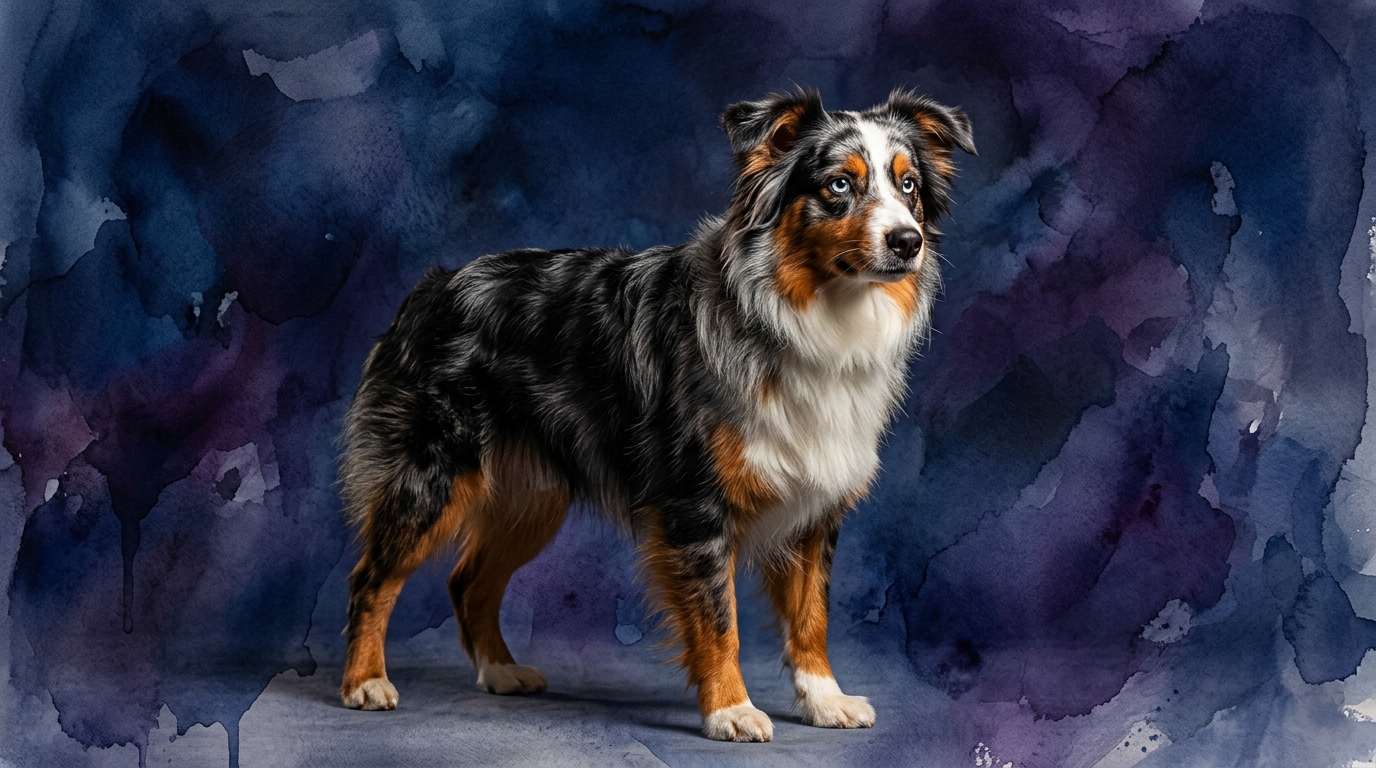
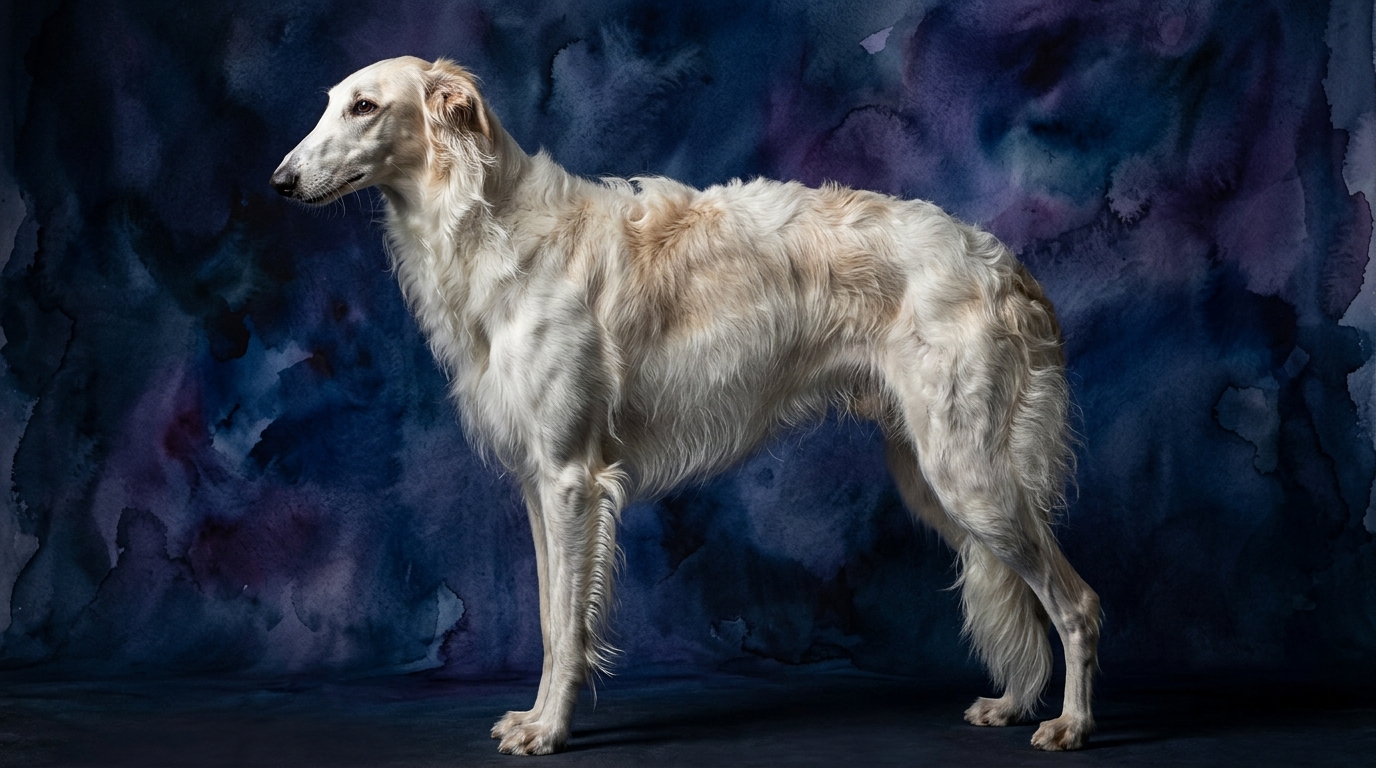
Side-by-Side IQ Profile: Diving Deeper into 3/5
On paper, the Miniature American Shepherd and the Borzoi both register a solid 3 out of 5 across all five dimensions of our Pet IQ Lab assessment. This score indicates a competent, capable level of intelligence, but its practical application varies significantly based on their genetic predispositions and historical purposes. It's not about one being 'smarter' than the other, but rather how their similar cognitive capacities are channeled.
For **Problem Solving (3/5)**, the Miniature American Shepherd typically excels at practical, dynamic challenges rooted in their herding heritage. This might involve strategizing how to move a group of objects (or animals) from one point to another, navigating complex obstacles to achieve a goal, or figuring out how to open a gate. Their solutions are often collaborative, seeking to work with their human partner to achieve a desired outcome. The Borzoi, also rated 3/5, applies its problem-solving acumen differently, often focusing on independent tasks like identifying the most efficient path to intercept a moving target during a chase, or creatively finding ways to access a desired vantage point. Their problem-solving is less about cooperation and more about self-directed efficiency in pursuit.
In terms of **Training Speed (3/5)**, the Miniature American Shepherd generally learns new commands and routines at a steady, consistent pace. Their inherent desire to engage with and please their handler, coupled with a strong work ethic, makes them receptive pupils, especially when tasks have a clear purpose. The Borzoi also grasps new concepts and commands with a 3/5 speed, but their application of that learning can be more nuanced. While they understand what is asked, their sighthound independence means they might weigh the intrinsic reward or personal motivation before executing, sometimes appearing selective in their responsiveness. They are not slow, but they are often discerning.
**Social Intelligence (3/5)** in the Miniature American Shepherd manifests as a keen awareness of their family unit and social environment. They are adept at reading human emotions and intentions, often seeking to be involved in family activities and understanding the nuances of group dynamics. Their herding instinct can even extend to gently 'managing' their human family. The Borzoi, with the same 3/5 rating, displays a more reserved form of social intelligence. They are observant and can form incredibly deep, quiet bonds with their chosen few, understanding subtle cues from their primary caregivers. However, they are typically less overtly demonstrative and may maintain a dignified distance with strangers, preferring to assess from afar rather than immediately engaging.
The **Instinctive Drive (3/5)** is where the fundamental differences truly emerge, despite the identical rating. The Miniature American Shepherd possesses a strong herding drive, an innate desire to gather, control movement, and work in partnership. This drive, when properly channeled, translates into a dog that thrives on having a 'job' and participating in structured activities. The Borzoi, on the other hand, is driven by a powerful sighthound prey drive. Their 3/5 instinctive drive means an intense, often irresistible urge to chase anything that moves quickly, from squirrels to blowing leaves. This drive is independent and self-rewarding, leading to explosive bursts of speed and focus during pursuit.
Finally, **Memory (3/5)** for both breeds is competent. The Miniature American Shepherd remembers complex routines, sequences of commands, and the layout of their environment, especially in relation to tasks they've learned. They recall successful strategies for problem-solving within a cooperative framework. The Borzoi likewise possesses a good memory for established routines, safe outdoor spaces for running, and the location of interesting scents or past chase opportunities. Their memory is particularly sharp for spatial awareness related to their hunting instincts and for recalling the comfort of their favored resting spots.
Where the Miniature American Shepherd Wins Cognitively
The Miniature American Shepherd's cognitive strengths lie in their capacity for cooperative engagement and adaptable thinking within a structured environment. Their herding background has honed their ability to work seamlessly with a human partner, anticipating commands and responding to subtle directional cues. They excel at understanding and executing multi-step tasks that require sustained focus and problem-solving in real-time, such as navigating an agility course or learning complex trick sequences. Their cognitive 'win' is in their intuitive grasp of partnership dynamics and their desire to contribute actively to a shared goal, making them exceptionally responsive to ongoing instruction and varied tasks.
Where the Borzoi Wins Cognitively
The Borzoi's cognitive advantages are rooted in their independent pursuit strategies and acute sensory processing. They demonstrate superior spatial reasoning and trajectory calculation when engaging in a chase, making split-second decisions to intercept moving targets over open ground without human intervention. This requires a unique blend of observational skills, predictive thinking, and decisive action. Their cognitive 'win' is in their ability to operate autonomously, exhibiting intense focus and tenacity on a singular, self-directed goal. They also possess an understated observational intelligence, often processing their environment and social cues with a quiet, discerning awareness before choosing to act.
Which is Easier to Train and Why
Given their identical 3/5 training speed, the perceived 'ease' of training differs significantly due to their motivational drivers. The Miniature American Shepherd is generally considered more straightforward to train for a wider range of obedience and performance tasks. Their herding instinct fosters an innate desire to be attentive to their handler and to have a 'job,' making them eager to learn and responsive to positive reinforcement centered around cooperation and task completion. They thrive on clear direction and find satisfaction in pleasing their human partner, which translates to consistent progress in training.
The Borzoi, while equally capable of learning at a 3/5 pace, can present different training challenges. Their sighthound independence means they are often motivated by intrinsic rewards, such as the thrill of the chase, rather than constant human approval. They understand commands but may choose when and if to execute them, especially if a more compelling instinct (like a squirrel sighting) intervenes. Training a Borzoi requires patience, creativity, and a deep understanding of their sighthound nature. Success often comes from making training feel like a game, appealing to their intelligence through positive reinforcement, and respecting their independent streak rather than trying to overpower it. They learn, but they are not always compelled to obey.
Which Suits Active Owners vs. Relaxed Owners
The Miniature American Shepherd is an ideal fit for active owners who are prepared to provide consistent mental stimulation and physical exercise that involves purpose. Their cognitive needs are met through engagement in structured activities like dog sports (agility, obedience, flyball), herding games, or extensive trick training. They thrive on being a partner in adventure and require owners who enjoy an interactive and 'busy' companion. Their 3/5 instinctive drive and social intelligence mean they enjoy being actively involved in family life and need outlets for their energy and intelligence.
The Borzoi, conversely, often suits owners who appreciate a more relaxed, yet still engaged, lifestyle. While they require bursts of intense exercise in a secure, enclosed area to satisfy their 3/5 instinctive prey drive, their indoor demeanor is typically calm, quiet, and dignified. They are not 'busy' dogs who constantly seek interaction or tasks. Their cognitive needs are often met by observing their environment, independent exploration during walks (on leash!), and occasional intense chase games. They are well-suited for owners who value elegance, independence, and a companion that is content to lounge gracefully after their exercise needs are met.
The Verdict: When to Choose Each Breed
The Verdict
Choose the Miniature American Shepherd if you seek an active, cooperative partner for dog sports, a companion that thrives on structured tasks, and a dog who enjoys being actively involved in daily family activities and learning new skills.
Choose the Borzoi if you appreciate an independent, elegant companion with a calm indoor presence, are prepared to manage a strong prey drive, and can provide secure spaces for their necessary bursts of speed and independent exploration.
🧠 Find Your Pet's IQ Score
Our Pet IQ Lab assessment covers 25+ tests across 5 cognitive dimensions — personalized to your breed.
Take the Full IQ Test →Frequently Asked Questions
Do Miniature American Shepherds or Borzoi perform better in dog sports?
Miniature American Shepherds generally excel in cooperative dog sports like agility, obedience, and herding trials due to their partnership drive and responsiveness. Borzoi, while capable, often prefer lure coursing or straight racing, which align more directly with their natural sighthound instincts and independent pursuit style.
How do their social intelligence ratings (3/5) differ in practice?
A Miniature American Shepherd's 3/5 social intelligence often manifests as attentiveness to family dynamics and a desire to participate, potentially 'herding' family members or seeking engagement. A Borzoi's 3/5 social intelligence typically means they are observant and discerning, forming deep bonds with their chosen people but often reserved with strangers, preferring quiet companionship over constant interaction.
Given their identical IQ scores, what's the most significant difference for a prospective owner?
The most significant difference lies in their inherent drives and how those drives influence their interaction and trainability. The Miniature American Shepherd's herding drive encourages partnership and task orientation, while the Borzoi's sighthound prey drive fosters independence and bursts of intense, self-directed activity, requiring different approaches to management and training.