Side-by-Side Cognitive Profile
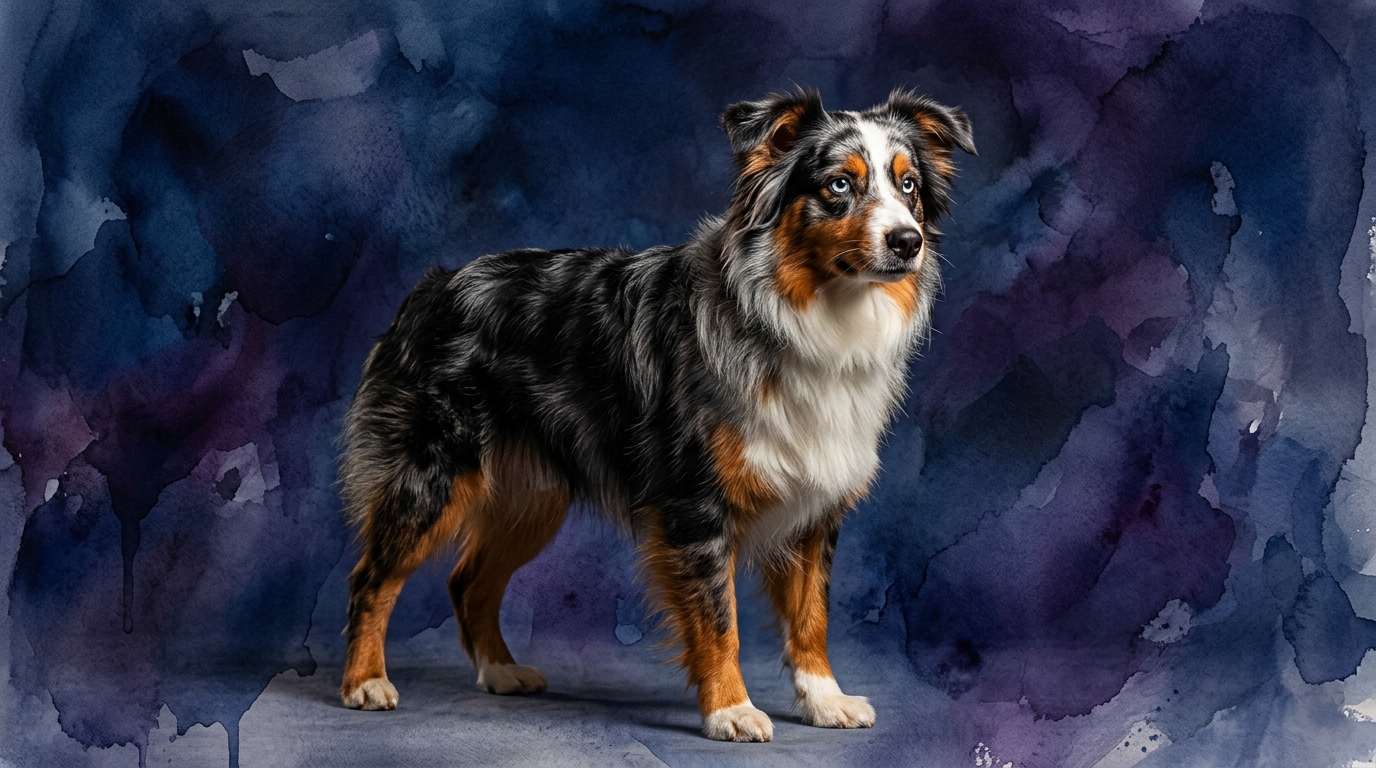
**Miniature American Shepherd:** This breed's intellect is deeply rooted in its herding heritage. Their **Problem Solving (3/5)** often involves dynamic situational awareness, quickly assessing a changing environment, like a scattering flock, and devising on-the-spot strategies to regain control or achieve a specific goal. This isn't just about following commands; it's about independent thought applied to a fluid, active scenario. Their **Training Speed (3/5)** is fueled by a keen desire to engage and learn from their handlers, making them generally quick to grasp new commands and routines, thriving with clear, consistent direction. **Social Intelligence (3/5)** for a Miniature American Shepherd means adeptly reading cues from both humans and other animals, crucial for their work, forming deep bonds with family while often being discerning with strangers. Their **Instinctive Drive (3/5)** is defined by a powerful herding urge to gather, organize, and control, whether livestock or family members, demanding appropriate outlets. Finally, their **Memory (3/5)** is robust, particularly for sequences of commands, established routines, and the spatial layout of familiar territories or work environments, recalling complex tasks with ease.
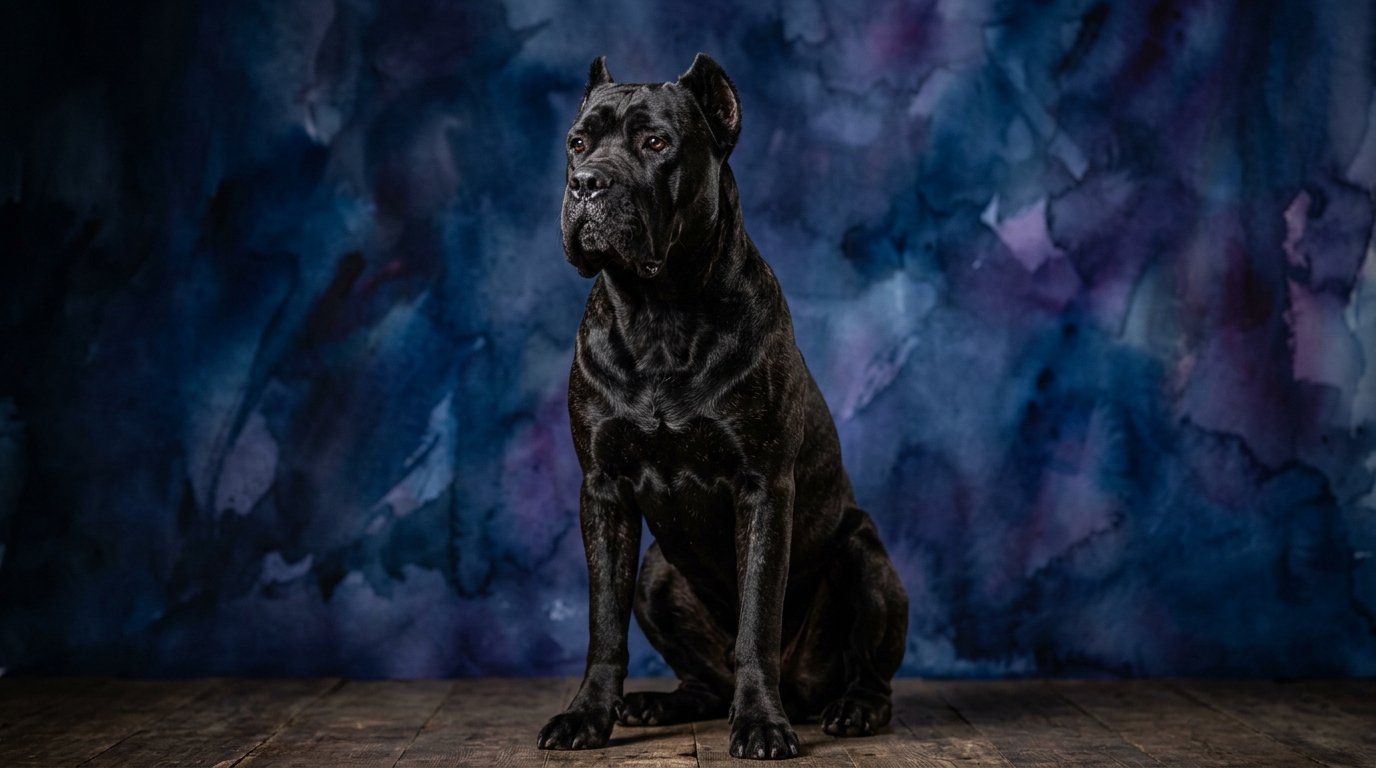
**Cane Corso:** The Cane Corso's cognitive strengths are profoundly influenced by its guardian role. Their **Problem Solving (3/5)** often manifests as discerning threats or protecting resources, involving a more analytical, deliberate approach to assessing a situation, such as identifying potential intruders or evaluating strange sounds. This problem-solving is independent and self-directed, rooted in their guardian role. Regarding **Training Speed (3/5)**, they are capable of learning complex tasks and commands quickly when motivated by a confident, consistent handler, though their strong will requires a trainer who understands how to channel their inherent drive. Their **Social Intelligence (3/5)** displays a deep understanding of their family's emotional states, acting as sensitive barometers, yet their social intelligence towards outsiders is geared towards discernment and caution, making them excellent judges of character but generally aloof. The core of the Cane Corso's **Instinctive Drive (3/5)** is protection and guardianship—a powerful, intrinsic motivation to defend their territory and family, which requires careful management and socialization. Their **Memory (3/5)** is strong for learned boundaries, established routines, and especially for differentiating between familiar, trusted individuals and potential threats, recalling specific commands or protective protocols with lasting accuracy.
Where Miniature American Shepherd Wins Cognitively
The Miniature American Shepherd's cognitive strengths shine in environments demanding quick, adaptive responses and intricate coordination. Their ability to simultaneously track multiple moving elements and predict their trajectories, a hallmark of their herding lineage, gives them an edge in dynamic problem-solving that requires fluid adjustments. This breed often displays a more overt eagerness to engage in novel learning situations, viewing new challenges as opportunities for mental stimulation rather than potential threats, which can translate into greater enthusiasm for varied training modalities.
Where Cane Corso Wins Cognitively
Conversely, the Cane Corso excels in cognitive areas demanding focused vigilance, independent assessment, and unwavering resolve. Their superior ability to maintain a calm, watchful presence while meticulously processing environmental cues for potential threats—a core aspect of their guardian role—is a distinct advantage. This breed demonstrates a profound capacity for discerning subtle shifts in human behavior or unfamiliar situations, allowing them to make nuanced judgments about safety and security without constant handler input, showcasing a deep, analytical form of social and situational intelligence.
Which is Easier to Train and Why
While both breeds score 3/5 in training speed, the *ease* of training can differ significantly due to their underlying behavioral drivers. The Miniature American Shepherd, with its innate desire to work *with* a handler and its strong prey drive channeled into herding, often exhibits a more overt enthusiasm for obedience and agility training. They typically respond well to positive reinforcement and enjoy the mental stimulation of learning new commands and tricks, finding fulfillment in collaborative tasks. Their herding instinct, while powerful, can often be redirected into structured activities like dog sports or advanced obedience, making them highly biddable.
The Cane Corso, while equally capable of learning quickly, presents a different training dynamic. Their strong protective instincts and independent decision-making, honed over centuries of guarding, mean they require a handler who can establish clear, consistent leadership built on trust and respect. They are not inherently eager to please in the same way a herding dog might be; instead, they learn best when they perceive the training as purposeful and beneficial, often related to their innate drives. Their formidable physical presence and serious demeanor mean that any training must be precise, fair, and confidently delivered to channel their powerful will effectively. A Cane Corso's training journey is less about enthusiastic compliance and more about forging a deep, mutual understanding and respect, which, while highly rewarding, can be more challenging for an inexperienced owner.
Which Suits Active Owners vs. Relaxed Owners
The Miniature American Shepherd is an ideal companion for active owners who thrive on engagement and shared activities. Their cognitive makeup demands consistent mental and physical stimulation, making them excellent partners for hiking, dog sports like agility or flyball, and advanced obedience. A relaxed owner who cannot provide outlets for their problem-solving mind and herding drive will likely find their Miniature American Shepherd inventing its own, potentially disruptive, 'work.'
The Cane Corso, while capable of bursts of activity, is generally better suited for owners who understand and respect their need for structured exercise combined with significant periods of watchful calm. They are not necessarily 'relaxed' dogs in the passive sense, but rather dogs whose activity often revolves around patrolling and observing their environment. A Cane Corso thrives with an owner who provides firm, consistent leadership and a secure territory to guard, valuing quality interaction and purposeful activity over constant, high-energy output. They are less about relentless motion and more about deliberate presence, making them suitable for owners who appreciate a powerful, discerning companion who is often quite content observing their domain from a strategic vantage point.
The Verdict
Choose the Miniature American Shepherd if you seek an agile, enthusiastic partner for dynamic activities and enjoy a highly interactive, collaborative training journey focused on channeling their intelligent herding drive.
Opt for the Cane Corso if you desire a steadfast, discerning guardian companion and are prepared to provide confident, consistent leadership and structured purpose for their powerful protective instincts.
🧠 Find Your Pet's IQ Score
Our Pet IQ Lab assessment covers 25+ tests across 5 cognitive dimensions — personalized to your breed.
Take the Full IQ Test →Frequently Asked Questions
Do Miniature American Shepherds and Cane Corsos learn at the same pace?
While both breeds score similarly in 'Training Speed,' indicating their capacity to grasp new commands, the approach to training differs. Miniature American Shepherds often display a more overt eagerness to please and collaborate, potentially making initial obedience feel faster for an average owner, whereas Cane Corsos require a more authoritative, trust-based relationship to unlock their learning potential effectively.
Which breed is better at adapting to new situations?
The Miniature American Shepherd typically shows greater cognitive flexibility in rapidly changing, novel environments, a trait stemming from their herding work that demands quick adaptation. The Cane Corso, while intelligent, often approaches new situations with a more cautious, analytical stance, prioritizing security assessment over immediate engagement, which can be perceived as slower adaptation in non-threatening contexts.
How do their instinctive drives impact daily life?
The Miniature American Shepherd's strong herding drive means they may attempt to 'herd' family members or other pets, requiring outlets like dog sports or specific training to manage this instinct. The Cane Corso's powerful protective drive means they are naturally wary of strangers and intensely loyal to their family, necessitating extensive socialization from a young age to ensure their guarding instincts are appropriately channeled and controlled in various social settings.