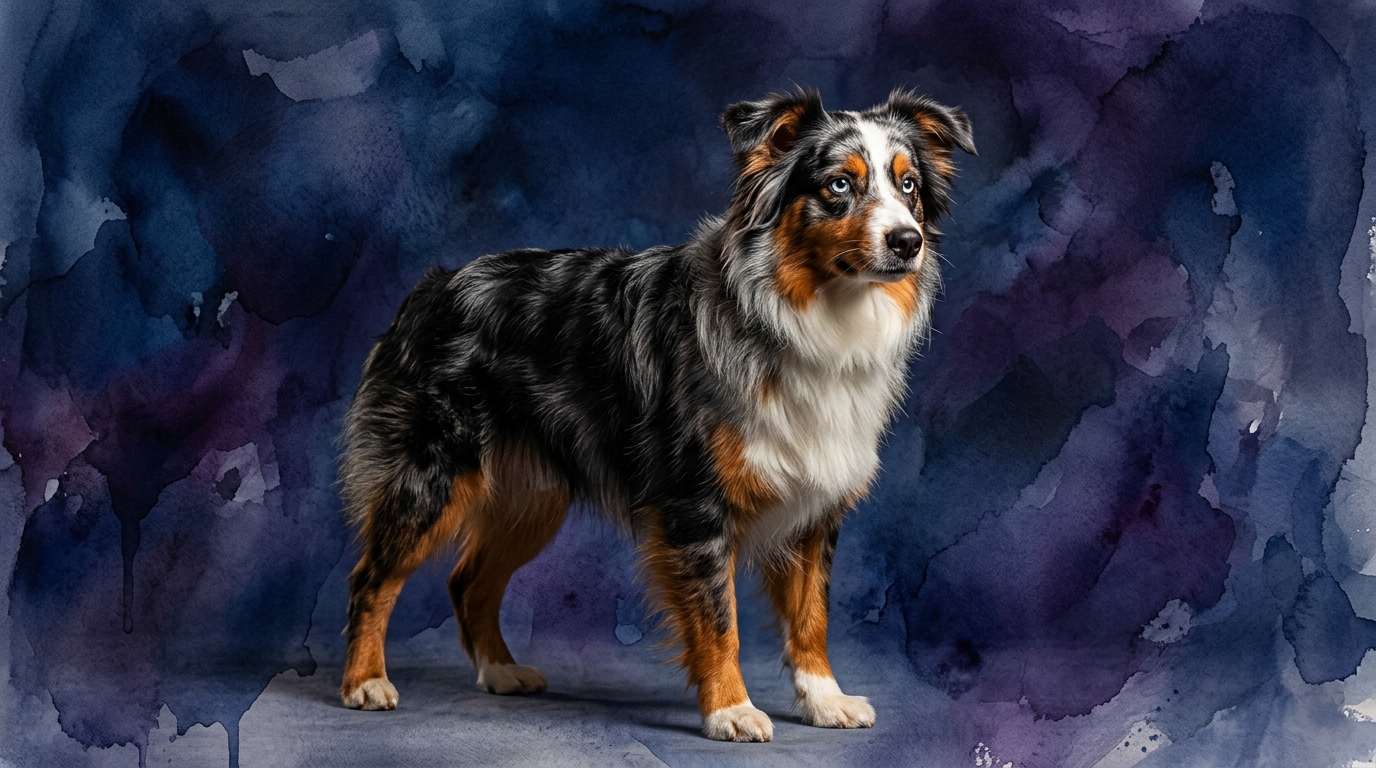
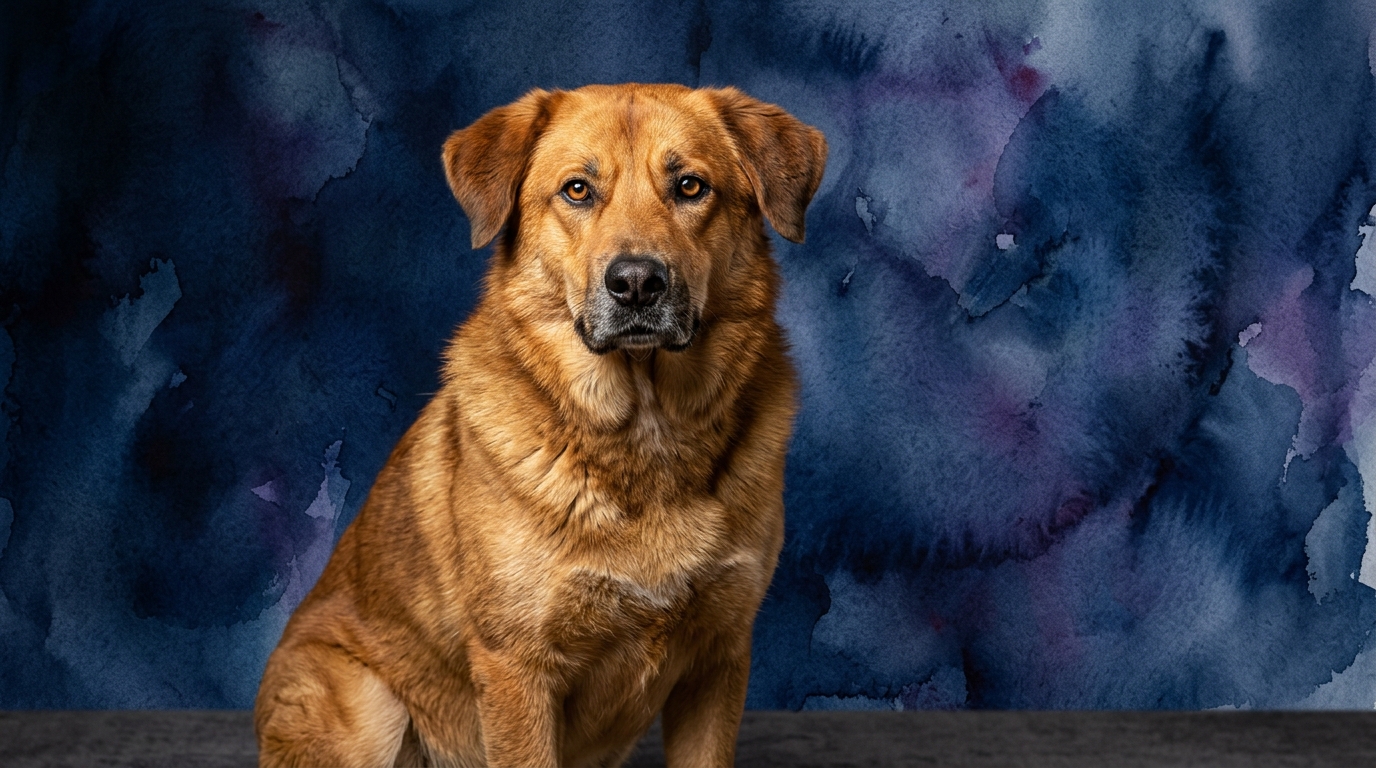
Side-by-Side IQ Profile: Miniature American Shepherd vs. Chinook
The Cosmic Pet Pet IQ Lab assesses canine intelligence across five critical dimensions, providing a nuanced view beyond simple obedience. For both the Miniature American Shepherd and the Chinook, each dimension scores a 3 out of 5, indicating a solid, adaptable cognitive foundation that expresses itself differently in each breed.
For the Miniature American Shepherd, a score of 3/5 in Problem Solving reflects a dog capable of navigating complex, dynamic environments, such as those encountered when managing livestock. They can assess situations, make quick decisions to redirect or gather, and learn from trial and error, often exhibiting ingenuity in novel circumstances. Their Training Speed at 3/5 suggests a willingness and capacity to absorb new commands and routines with consistent, positive reinforcement, though they thrive on varied and stimulating lessons rather than rote repetition. Social Intelligence, also 3/5, points to their ability to read human cues and other animals' behaviors, crucial for effective herding and strong family bonds, though they can be reserved with strangers. Their Instinctive Drive, 3/5, is strongly rooted in their herding heritage, manifesting as a desire to gather, chase, and control movement, which needs appropriate outlets. Finally, a Memory score of 3/5 means they retain learned behaviors, routes, and associations effectively over time, contributing to their reliability in tasks.
The Chinook, with identical 3/5 scores, demonstrates these capacities through a different lens, shaped by its working and sledding background. Their Problem Solving at 3/5 shines when faced with physical challenges, like navigating varied terrain while pulling a sled or figuring out how to overcome obstacles during an outdoor adventure. They are methodical in their approach, learning from experience to optimize effort. Training Speed at 3/5 indicates they are responsive and capable learners, particularly when tasks are presented as cooperative efforts with a clear purpose, requiring patience and consistency from their handler. Social Intelligence, 3/5, highlights their ability to understand pack dynamics and human intentions, fostering deep connections with their family and exhibiting a generally calm, friendly demeanor with others once trust is established. Their Instinctive Drive, 3/5, is geared towards endurance, pulling, and companionship, a drive to work alongside humans in a sustained effort. Memory at 3/5 allows them to remember complex routes, learned commands, and the specific duties associated with their working roles, making them dependable partners in long-term endeavors.
Where the Miniature American Shepherd Wins Cognitively
The Miniature American Shepherd's cognitive strengths truly stand out in scenarios demanding agility of thought and rapid adaptation. Their herding lineage has honed their ability to process multiple, fast-changing variables simultaneously—a flock scattering, a gate opening, a handler's subtle signal. This makes them particularly adept at dynamic problem-solving where quick, independent decisions are paramount. For instance, in agility courses, they don't just follow commands; they anticipate the next obstacle and adjust their body language, demonstrating a fluidity of thought that optimizes their performance. Their quick processing speed allows them to excel in sports and tasks that require immediate responses and creative solutions to novel challenges, often outmaneuvering their peers in complex, multi-stage events.
Where the Chinook Wins Cognitively
The Chinook's cognitive advantages become apparent in tasks requiring sustained focus, endurance, and methodical problem-solving. Their working heritage, particularly as sled dogs, has ingrained a capacity for long-term planning and consistent effort. When faced with a physical challenge, such as navigating a difficult trail or pulling a heavy load, a Chinook will often demonstrate a patient, persistent approach, learning from each attempt to find the most efficient path or method. This isn't about quick bursts of action, but rather a steady, intelligent application of effort over time. Their memory for routes and understanding of complex, multi-step procedures also allows them to excel in roles where reliability and consistency are more valued than instantaneous reactions, making them exceptional partners for extended outdoor activities or service work.
Which is Easier to Train and Why
Determining which breed is 'easier' to train depends heavily on the training approach and desired outcomes, given their shared 3/5 training speed. The Miniature American Shepherd, with its keen herding drive and quick decision-making, often responds well to training that is varied, engaging, and mentally stimulating. They thrive on tasks that mimic their natural desire to herd or solve puzzles, making them eager participants in activities like obedience, agility, and rally. However, their independent streak, a byproduct of needing to make on-the-spot herding decisions, means they might test boundaries or require creative motivation to maintain focus on repetitive drills. Training for them often feels like a partnership in problem-solving, where their handler guides their innate drives. For example, teaching a 'stay' might require more nuanced proofing in distracting environments due to their innate vigilance.
The Chinook, on the other hand, often responds best to training that is consistent, clear, and goal-oriented, leveraging their cooperative working drive. They appreciate understanding the 'why' behind a command and excel when tasks have a perceived purpose, like pulling a wagon or carrying a pack. Their social intelligence helps them form a deep bond with their handler, making them highly receptive to positive reinforcement and praise as part of a team effort. However, their methodical nature means they might take a bit longer to grasp new concepts initially compared to a faster-paced herding dog, preferring to solidify one skill before moving to the next. They might not exhibit the same explosive energy in training but offer unwavering dedication once a task is understood. For instance, teaching a recall might be straightforward due to their desire to stay with their 'pack,' but teaching a complex trick might require breaking it down into more steps.
Which Suits Active Owners vs. Relaxed Owners
For owners with an active lifestyle that includes a variety of fast-paced, mentally stimulating activities, the Miniature American Shepherd is an ideal match. Their cognitive profile, marked by quick problem-solving and a strong instinctive drive, means they excel in dog sports like agility, flyball, or frisbee, and thrive on hiking, trail running, or even urban exploration that offers new sights and smells. They require consistent mental engagement to prevent boredom, making them suited for owners who enjoy teaching new tricks, engaging in puzzle toys, and providing opportunities for their innate herding instincts to be channeled positively. Their need for dynamic interaction means they are not content with passive companionship; they crave shared activities that challenge both their bodies and minds.
The Chinook, while also requiring regular exercise, is better suited for active owners whose activities lean towards endurance, sustained effort, and companionship over high-speed bursts. Their cognitive strengths in methodical problem-solving and sustained focus make them excellent partners for long-distance hiking, backpacking, skijoring, or even urban walking where they can methodically take in their surroundings. They appreciate a consistent routine and thrive on having a 'job' that involves cooperation and physical exertion, even if it's just carrying a light pack on a walk. While they enjoy mental stimulation, it's often in the context of their physical activities, such as navigating a new trail or learning a new pulling command. They offer a calm, steady presence, making them suitable for owners who enjoy a consistent, purposeful outdoor lifestyle without the need for constant, high-intensity mental games.
The Verdict
Choose the Miniature American Shepherd if you seek a dynamic, quick-witted companion eager for fast-paced mental and physical challenges, thriving on varied and interactive engagement.
Opt for the Chinook if you desire a steadfast, cooperative partner for sustained outdoor activities, valuing methodical effort and a deep, purposeful bond over rapid-fire tasks.
🧠 Find Your Pet's IQ Score
Our Pet IQ Lab assessment covers 25+ tests across 5 cognitive dimensions — personalized to your breed.
Take the Full IQ Test →Frequently Asked Questions
Do Miniature American Shepherds and Chinooks require a lot of mental stimulation?
Yes, both breeds benefit significantly from mental stimulation to prevent boredom and channel their cognitive strengths constructively. The Miniature American Shepherd thrives on varied, puzzle-like activities, while the Chinook appreciates purposeful tasks that integrate with their physical activities.
Are these breeds suitable for first-time dog owners?
Both breeds can be suitable for first-time owners who are committed to understanding their specific needs and providing consistent training and socialization. Their identical 3/5 IQ scores indicate they are capable learners, but their distinct drives and temperaments mean owners must be prepared for their specific breed characteristics.
How do their social intelligence scores of 3/5 translate to living with families?
A 3/5 social intelligence score means both breeds are capable of forming strong bonds and understanding family dynamics. Miniature American Shepherds are often very tuned into their primary handler but can be reserved with strangers, while Chinooks are generally good-natured with family and can be friendly with others once trust is established, making both excellent family companions with proper socialization.