Side-by-Side Cognitive Profiles
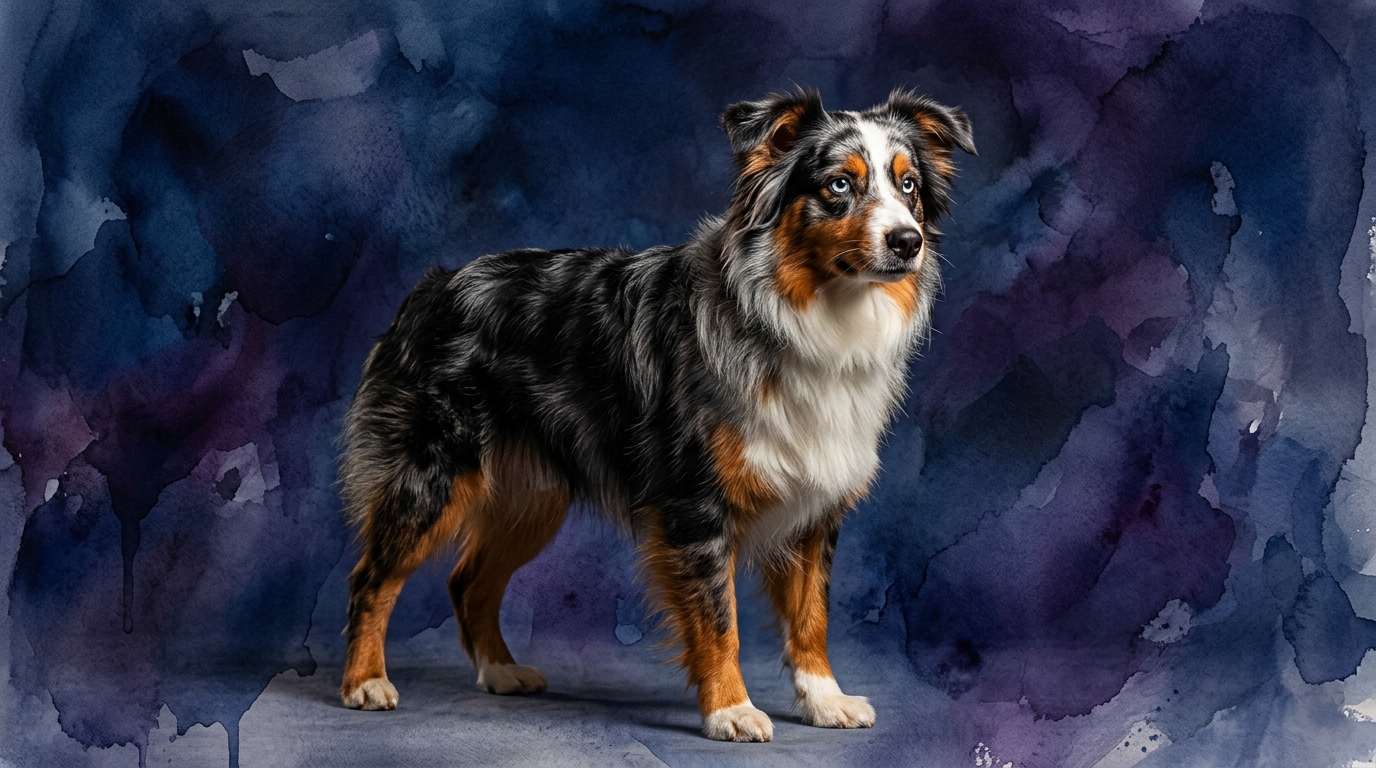
The Miniature American Shepherd, a Herding Group member not Coren-ranked, showcases a balanced cognitive profile. Its Problem Solving at 3/5 suggests an ability to navigate complex environments and adapt strategies, though perhaps not immediately grasping novel puzzles. Training Speed, also 3/5, indicates a willingness to learn, potentially requiring more repetition to solidify new behaviors. Social Intelligence at 3/5 points to an aptitude for understanding social hierarchies and human emotions, crucial for their historical farm role. An Instinctive Drive of 3/5 reflects a present, yet manageable, inherent motivation for breed-typical behaviors. Memory at 3/5 implies a solid capacity for recalling learned commands, routines, and experiences for consistent task performance.
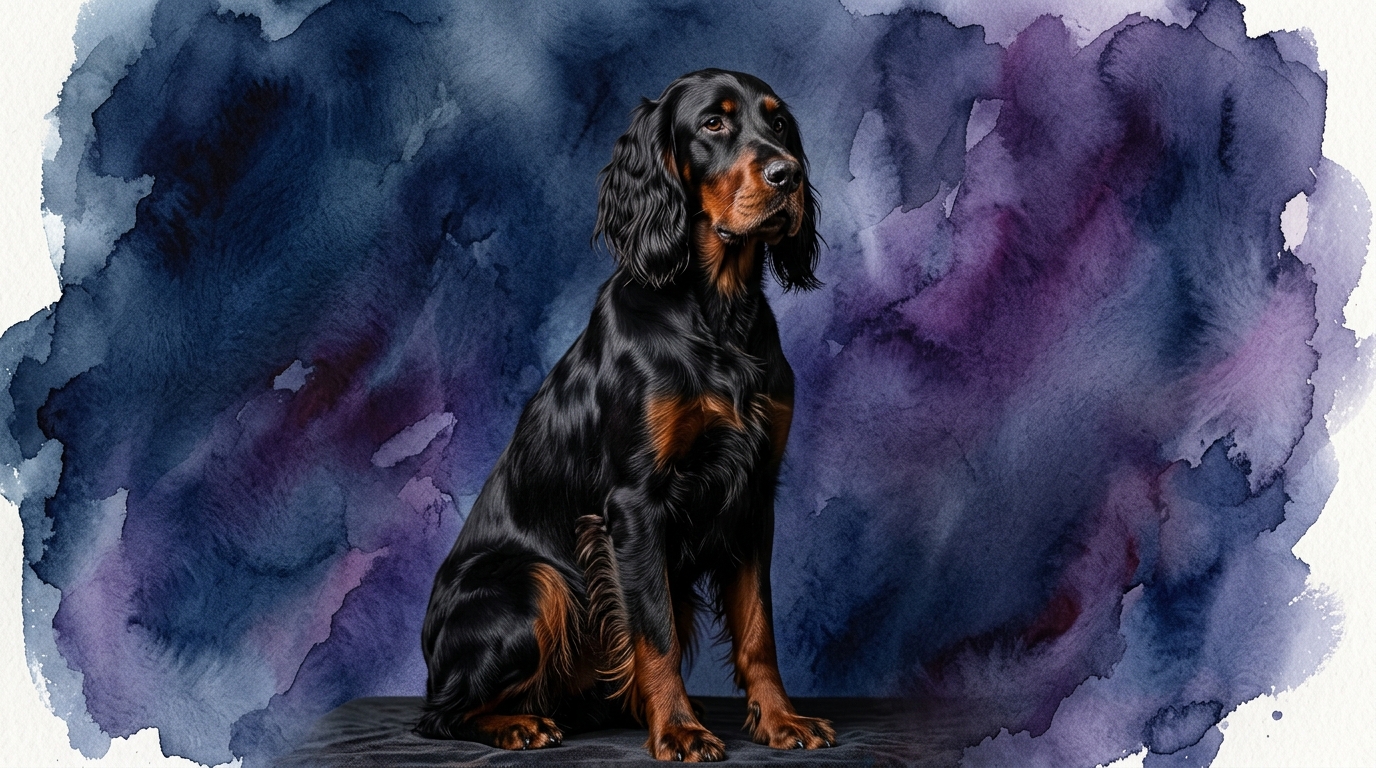
Conversely, the Gordon Setter, from the Sporting Group and Coren rank #39, demonstrates higher aptitudes in key areas. Its Problem Solving at 4/5 indicates a pronounced ability to analyze situations and devise solutions with resourcefulness, often independently. Training Speed at 4/5 suggests a rapid grasp of new commands and concepts, excelling in structured learning. Social Intelligence matches the MAS at 3/5, signifying a good understanding of social cues essential for working with hunters. An Instinctive Drive of 3/5 highlights a well-developed, yet manageable, natural inclination for scenting and retrieving, characteristic of its bird dog heritage. Memory at 4/5 signifies a superior capacity for retaining information, whether it's game location or complex command sequences.
Where the Miniature American Shepherd Wins Cognitively
Despite the Gordon Setter's generally higher scores, the Miniature American Shepherd's cognitive profile, particularly its 3/5 in problem-solving and instinctive drive, positions it uniquely. Their herding background cultivates a specific kind of situational awareness and adaptive intellect. While a Gordon Setter might excel at deciphering a novel puzzle box, the MAS often demonstrates a nuanced understanding of spatial relationships and movement, crucial for managing livestock. This involves anticipating other animals' actions, blocking escape routes, and guiding a flock with subtle pressure—a complex form of dynamic problem-solving. Their 3/5 social intelligence, combined with this practical problem-solving, fosters a deep working partnership, where they read their handler's cues and the environment simultaneously to achieve a goal. This isn't just about following commands; it's about making intelligent, real-time decisions within a fluid context. The MAS's memory, also a 3/5, is geared towards recalling field layouts or specific animal behaviors, rather than just rote commands, making them adept at consistent task execution in varied settings.
Where the Gordon Setter Wins Cognitively
The Gordon Setter clearly outpaces the Miniature American Shepherd in several key cognitive areas, notably problem-solving (4/5), training speed (4/5), and memory (4/5), complemented by its #39 Coren ranking. This breed exhibits a pronounced aptitude for independent thought and rapid learning. A Gordon Setter is more likely to quickly figure out how to open a gate or retrieve a toy from a tricky spot, showcasing a higher capacity for novel problem resolution. Their superior training speed means they absorb new commands and complex sequences with fewer repetitions, making them highly responsive to advanced obedience or intricate field work. This quick retention, supported by their 4/5 memory, allows them to build a vast repertoire of learned behaviors and recall specific environmental details, such as scent trails or game locations, with remarkable precision. This mental agility makes them particularly suited for activities requiring consistent, precise execution and a strong drive for understanding and mastering tasks.
Which is Easier to Train and Why
Based on the Pet IQ Lab scores, the Gordon Setter is generally easier to train, primarily due to its 4/5 training speed and 4/5 memory. These attributes translate into a dog that grasps new concepts more quickly and retains them more effectively. They often show a keen interest in understanding what is asked of them, leading to faster progress in obedience and specialized tasks; teaching a multi-step retrieve or complex agility sequence might require fewer sessions. In contrast, the Miniature American Shepherd, with its 3/5 training speed and memory, requires a more patient and consistent approach. While certainly trainable, they may need more repetition and varied methods to solidify behaviors. Their herding drive, while manageable (3/5 instinctive drive), can sometimes present a distraction if not channeled appropriately, requiring trainers to be creative in integrating their natural tendencies into learning. The Gordon Setter’s inherent desire to work cooperatively with a handler in the field also contributes to a focused training demeanor.
Activity Levels: Active Owners vs. Relaxed Owners
Both breeds generally suit active owners, but their activity needs, shaped by cognitive profiles, differ. The Gordon Setter, with its 3/5 instinctive drive for sporting activities and overall higher cognitive scores, thrives on purposeful physical and mental engagement. They require consistent exercise tapping into natural scenting and retrieving instincts, alongside mental challenges like advanced obedience or field trials. An owner enjoying long hikes, runs, or canine sports will find a Gordon Setter a willing, capable partner; their problem-solving and memory handle complex routines and benefit from ongoing intellectual stimulation. The Miniature American Shepherd, also requiring significant activity due to its herding heritage and 3/5 instinctive drive, needs outlets channeling its desire to work and manage, like herding games, agility, or trick training that simulates problem-solving. While both need mental engagement, the Gordon Setter's cognitive leanings adapt better to a wider range of structured sports, while the MAS often benefits from activities leveraging its spatial awareness and 'management' decision-making. Neither breed suits truly relaxed, sedentary owners; their intelligence and drives necessitate regular mental and physical exertion to prevent boredom.
The Verdict
Choose a Miniature American Shepherd if you appreciate a dog whose intelligence is rooted in dynamic situational awareness and a cooperative herding drive, thriving on tasks that involve reading environments and nuanced decision-making. They are ideal for owners who enjoy consistent, patient training and want a companion adept at agility or herding games.
Opt for a Gordon Setter if you seek a partner with a pronounced capacity for independent problem-solving, rapid learning, and excellent memory, excelling in structured training and field work. They are best for active owners who can provide consistent mental challenges and physical exercise that engages their strong sporting instincts.
🧠 Find Your Pet's IQ Score
Our Pet IQ Lab assessment covers 25+ tests across 5 cognitive dimensions — personalized to your breed.
Take the Full IQ Test →Frequently Asked Questions
Does the Gordon Setter's Coren rank mean it's definitively 'smarter' than the Miniature American Shepherd?
The Coren ranking primarily evaluates 'working and obedience intelligence,' focusing on how quickly a dog learns and obeys commands. While the Gordon Setter's rank of #39 reflects its strong performance in these areas, the Miniature American Shepherd's cognitive strengths lie more in adaptive problem-solving within its herding context, which isn't directly measured by Coren's methodology. Both breeds possess valuable, distinct forms of intelligence.
How do their social intelligence scores of 3/5 compare in practical terms?
A 3/5 social intelligence score for both breeds suggests they are generally adept at understanding human cues and integrating into family dynamics. For the Miniature American Shepherd, this often manifests as a close bond with their primary handler and an understanding of family routines. For the Gordon Setter, it supports their cooperative hunting partnership, where reading a handler's subtle signals is crucial. Both are capable of forming strong, perceptive connections.
Can a Miniature American Shepherd be trained for complex tasks like a Gordon Setter?
Yes, a Miniature American Shepherd can absolutely be trained for complex tasks, though their 3/5 training speed and memory suggest it might require more patience and varied methods than with a Gordon Setter. Their problem-solving and instinctive drive make them excel in activities like agility, rally, or even scent work, especially tasks that leverage their spatial awareness and desire to 'manage' an environment.