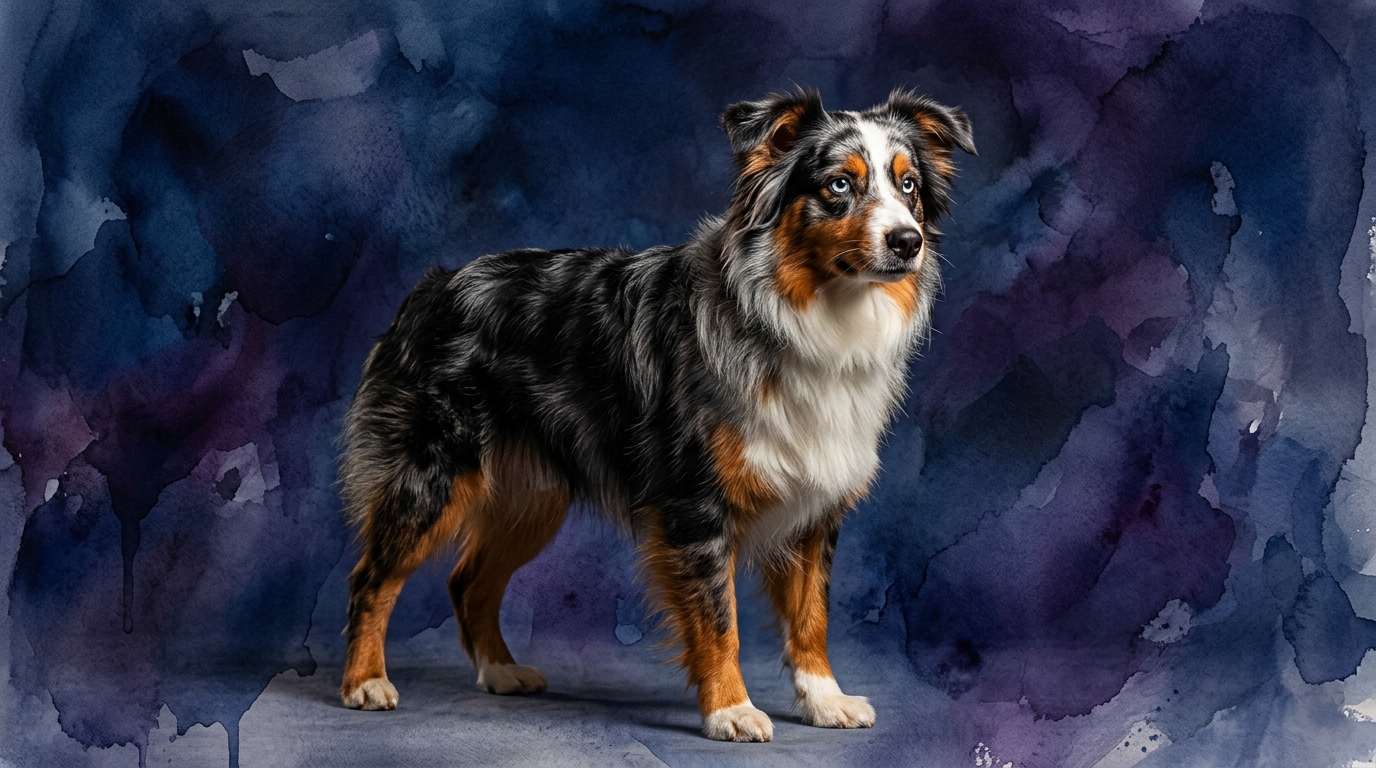
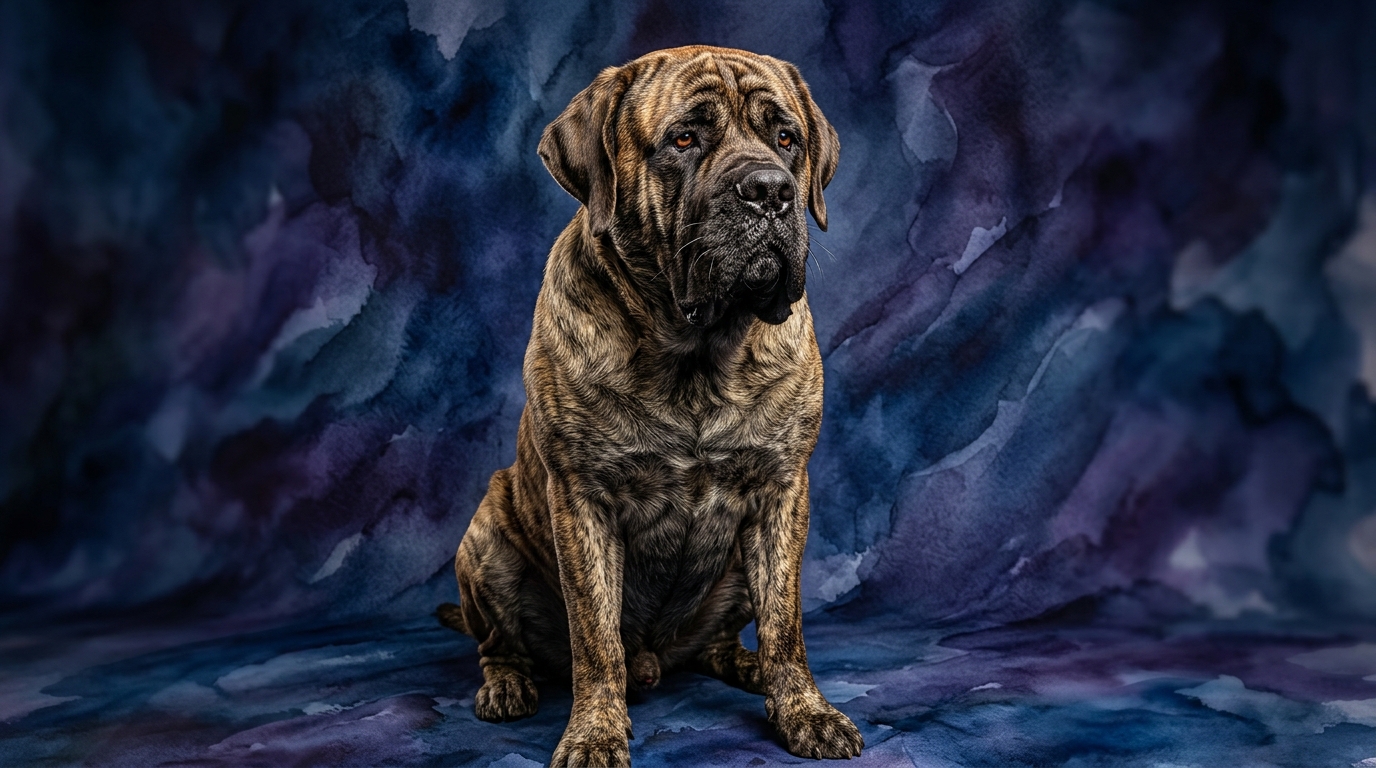
Side-by-Side IQ Profile: Miniature American Shepherd vs. Mastiff
Delving into the Cosmic Pet Pet IQ Lab data, both the Miniature American Shepherd and the Mastiff register a score of 3/5 across all five measured cognitive dimensions. While the numerical score is identical, the manifestation of these cognitive traits is deeply influenced by each breed's historical purpose, physical attributes, and inherent temperament. Understanding these nuances is key to appreciating their distinct forms of intelligence.
**Miniature American Shepherd (Herding Group) Cognitive Profile:** These agile dogs possess a practical intelligence, often finding creative solutions to tasks involving movement, spatial awareness, or managing small groups. Their **Problem Solving (3/5)** typically involves dynamic situations, like figuring out the best route around an obstacle or anticipating the movement of livestock, translating to adeptness in dog sports like agility. Miniature American Shepherds generally pick up new commands and routines at a steady pace, with their **Training Speed (3/5)** reflecting a strong desire to engage with their handler and an inherent drive to work, making them responsive to consistent, positive reinforcement. They exhibit a good understanding of social cues, both from humans and other animals, showing **Social Intelligence (3/5)** through their attunement to family moods and cooperative work. Their **Instinctive Drive (3/5)** is a robust herding heritage, manifesting as a persistent desire to gather, organize, and control. Finally, Miniature American Shepherds possess a solid **Memory (3/5)** for commands, routines, and experiences, contributing to their reliability in performing learned tasks over time.
**Mastiff (Working Group, Coren Rank #72) Cognitive Profile:** Mastiffs approach cognitive challenges with a thoughtful, often deliberate demeanor. Their **Problem Solving (3/5)** intelligence leans towards assessing situations, particularly those involving their territory or family's safety, and making calm, measured decisions, excelling at evaluating potential threats or understanding complex household dynamics. While not known for lightning-fast responses, Mastiffs learn at a consistent and respectable pace, with their **Training Speed (3/5)** requiring patience and positive reinforcement as they respond best when they understand the 'why' behind a command and are motivated by reward. Mastiffs exhibit a profound **Social Intelligence (3/5)**, deeply attuned to their human family's emotions and intentions; they are discerning in their interactions, quick to differentiate between welcomed guests and potential intruders, and often display a gentle understanding with children. The Mastiff's **Instinctive Drive (3/5)** is rooted in guardianship and protection, manifesting as a watchful, territorial awareness and a deep loyalty to their family. They possess a robust **Memory (3/5)**, particularly for people, past experiences, and routines within their home environment, remembering specific interactions and maintaining a long-term understanding of their family's schedule and territorial boundaries.
Where the Miniature American Shepherd Wins Cognitively
The Miniature American Shepherd's distinct advantage lies in their dynamic problem-solving and adaptability within fast-paced, changing environments. Their herding background cultivates a cognitive agility that allows them to quickly process multiple variables simultaneously, such as the movement of objects or individuals, and adjust their strategy on the fly. This makes them particularly adept at tasks requiring rapid decision-making and precise, coordinated action, whether in competitive dog sports or navigating complex new spaces. Their cognitive strengths are geared towards active engagement and responsive interaction with their surroundings.
Where the Mastiff Wins Cognitively
The Mastiff's cognitive edge emerges in their profound capacity for situational assessment and their nuanced understanding of social dynamics within their established "pack." While not flashy, their problem-solving is characterized by deliberate evaluation, particularly concerning perceived threats or changes in their immediate environment. Their social intelligence allows them to discern subtle shifts in human emotion and intent, making them exceptional at providing calm, reassuring presence or acting as a formidable, yet measured, guardian. Their mental strengths are deeply rooted in observation, discernment, and a steady, protective judgment.
Which is Easier to Train and Why?
Despite both breeds scoring 3/5 in training speed, the Miniature American Shepherd generally presents as easier to train for a wider range of activities due to their inherent eagerness to please and their high energy levels. Their strong herding drive translates into a desire for purpose and engagement, making them highly responsive to positive reinforcement and consistent guidance in learning new commands or complex routines. Their agility and smaller size also mean they can physically execute a broader array of tasks with less effort, often thriving on the mental challenge of learning.
The Mastiff, while certainly trainable, often requires a different approach. Their substantial size and independent, sometimes stoic, nature mean that training demands immense patience, clear communication, and strong motivation. They need to understand the 'why' behind a command and may not be as driven by constant activity as the MAS. Their training is more about building a respectful partnership and leveraging their desire to please their beloved family, rather than relying on endless repetitions or high-octane exercises. Consistency and gentle, firm leadership are paramount to unlocking their steady learning capacity.
Suitability for Active vs. Relaxed Owners
The Miniature American Shepherd is an ideal companion for active owners who thrive on outdoor adventures, dog sports, or simply have a bustling, engaged lifestyle. Their high energy, combined with their sharp cognitive abilities and desire for purpose, means they flourish when given ample opportunities for physical exercise and mental stimulation. Owners who enjoy activities like hiking, agility, flyball, or daily long walks will find the MAS an enthusiastic and capable partner, eager to participate and learn and requiring consistent engagement.
Conversely, the Mastiff is perfectly suited for more relaxed owners who appreciate a calm, dignified presence and a slower pace of life. While they require moderate exercise to maintain health, their energy levels are considerably lower than the MAS, making them content with leisurely strolls and plenty of time to lounge with their family. They thrive in homes where their role is that of a loyal, watchful companion, offering comfort and security without demanding constant, high-intensity engagement. Their large size and protective instincts make them excellent, albeit gentle, home guardians for those seeking a tranquil yet steadfast presence.
The Verdict
Choose the Miniature American Shepherd if you seek an agile, enthusiastic, and mentally keen partner for an active lifestyle, eager to engage in training and outdoor adventures.
Opt for the Mastiff if you desire a calm, loyal, and profoundly protective companion who thrives in a relaxed home environment and offers a steady, comforting presence.
🧠 Find Your Pet's IQ Score
Our Pet IQ Lab assessment covers 25+ tests across 5 cognitive dimensions — personalized to your breed.
Take the Full IQ Test →Frequently Asked Questions
Do their similar IQ scores mean they are equally suited for all tasks?
No, their identical 3/5 scores reflect a general capacity for learning and processing, but their breed-specific instincts and physical attributes dictate how that intelligence is applied. A Miniature American Shepherd excels in dynamic, movement-based tasks, while a Mastiff shines in observational and protective roles, each requiring different cognitive applications.
How does a Mastiff's Coren ranking of #72 compare to the Miniature American Shepherd's 'Not Coren-ranked'?
The Coren ranking primarily assesses 'working and obedience intelligence' based on trainability for specific commands; the Mastiff's #72 suggests they require more repetitions to learn new commands than breeds at the top of the list. The Miniature American Shepherd, being a newer breed, wasn't included in Coren's original study, but their herding background implies a different, perhaps more intuitive, form of intelligence not directly measured by simple obedience.
Can a Mastiff be an agility dog, or a Miniature American Shepherd a guard dog?
While a Mastiff could learn some agility basics, their massive size and build are not suited for the speed and intricate movements required for competitive agility, making it physically taxing and potentially unsafe. Similarly, while a Miniature American Shepherd will alert to strangers, their primary instinct is herding, not the imposing, territorial guardianship inherent to a Mastiff, making them less effective as traditional guard dogs.