Side-by-Side IQ Profile: Interpreting Identical Scores
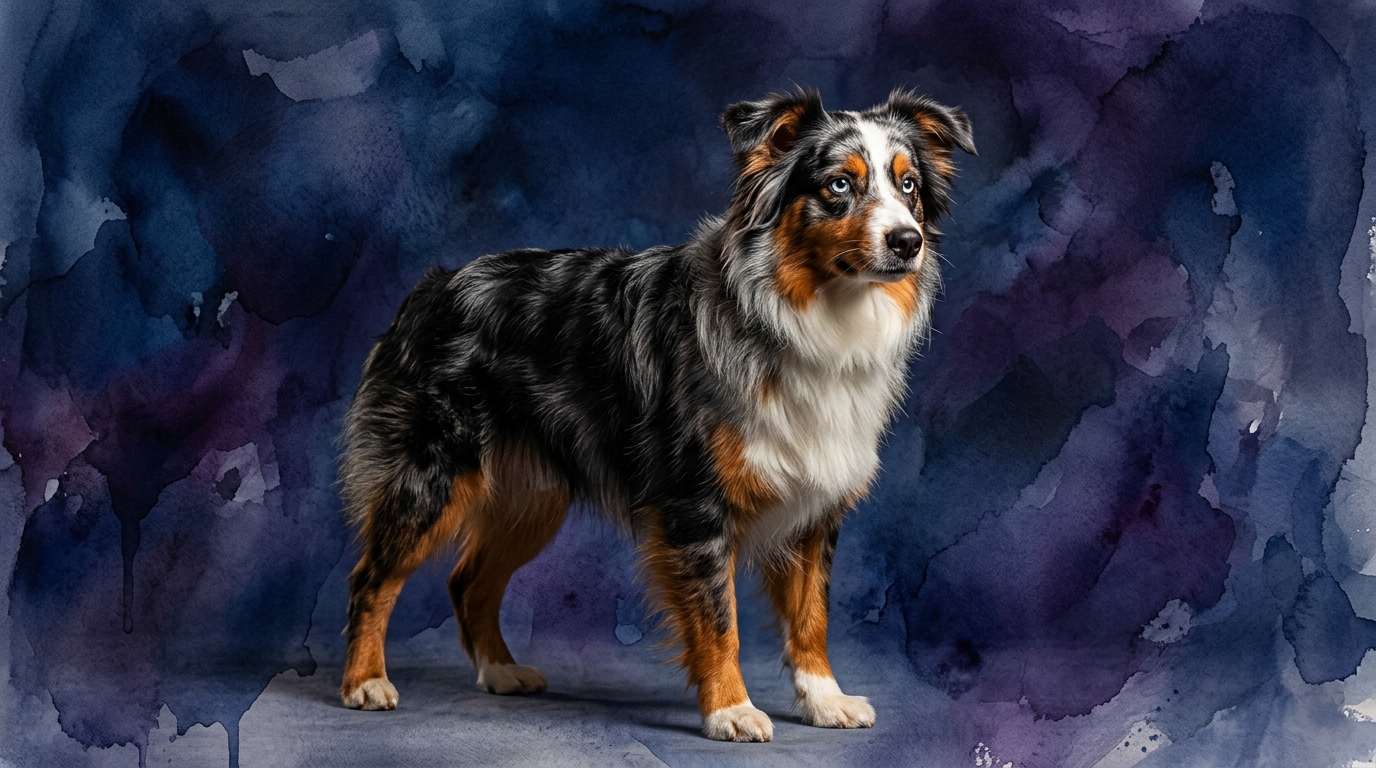
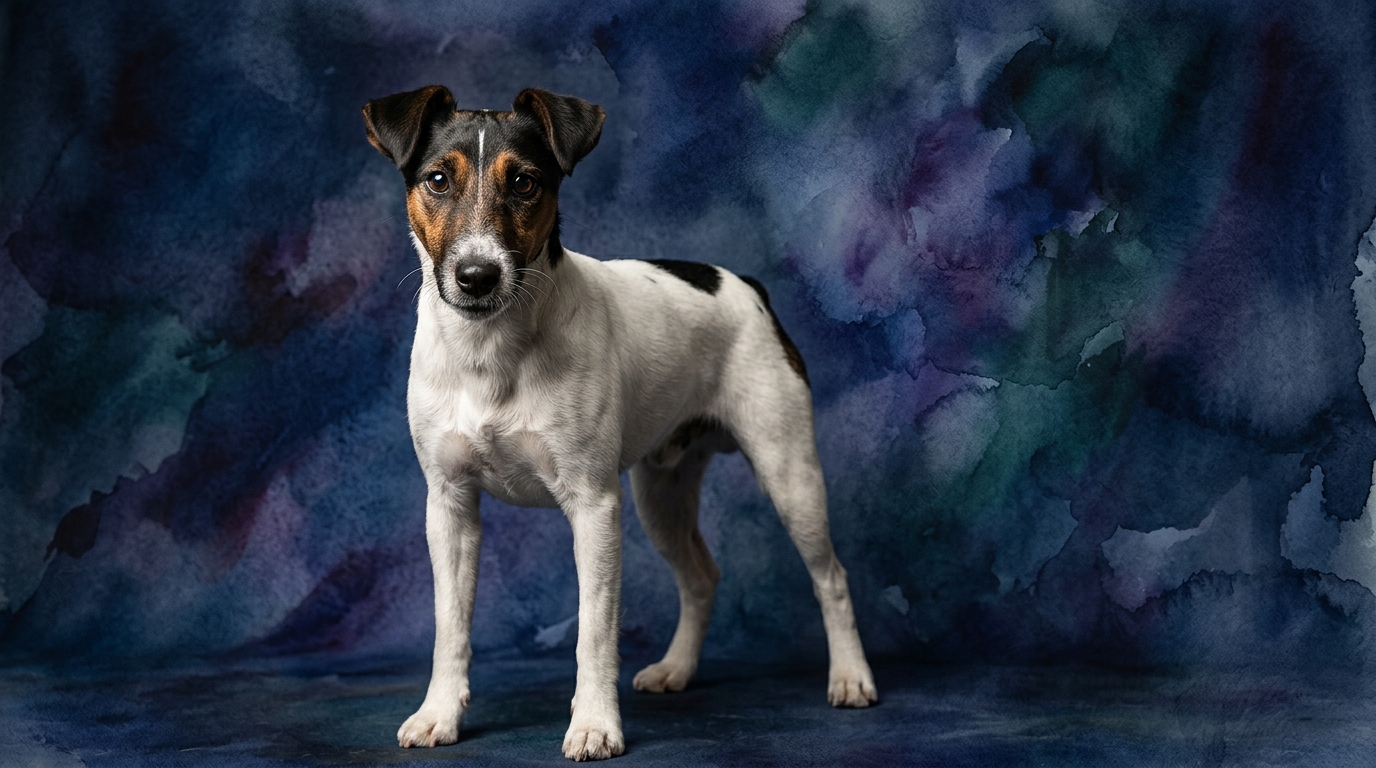
At first glance, the Miniature American Shepherd and the Smooth Fox Terrier appear to share the same cognitive blueprint, each scoring a 3/5 across all five Pet IQ Lab dimensions: Problem Solving, Training Speed, Social Intelligence, Instinctive Drive, and Memory. However, these identical scores belie fascinating differences in how these breeds apply their cognitive capacities, shaped by their distinct ancestral purposes and breed groups. A 3/5 score signifies a solid, capable level of intelligence, but its expression varies greatly between a cooperative herding dog and an independent terrier.
For the Miniature American Shepherd, a Herding breed, their Problem Solving (3/5) often manifests in devising strategies to manage livestock or navigate complex obedience courses, typically seeking human direction as part of a team. Their Training Speed (3/5) reflects a generally cooperative nature, allowing them to pick up commands consistently, driven by a desire to work alongside their handler. Social Intelligence (3/5) for a MAS is geared towards reading subtle human cues and adapting their behavior within a family unit, fostering strong, reciprocal bonds. Their Instinctive Drive (3/5) is expressed through their impulse to gather and control, translating into focused play or activity, while Memory (3/5) allows them to retain complex sequences of commands and routines over time, crucial for intricate tasks. For the Smooth Fox Terrier, a Terrier breed, Problem Solving (3/5) means they are adept at figuring out how to access small prey or overcome obstacles independently, often employing a persistent, trial-and-error approach. Their Training Speed (3/5) suggests they learn at a steady pace, but their independent streak might require more motivational consistency and creativity from a handler to maintain focus. Social Intelligence (3/5) in an SFT enables them to understand pack dynamics within their human family and respond to social cues, though their primary focus might be less on cooperative work and more on self-directed exploration and environmental interaction. Their Instinctive Drive (3/5) is expressed through a strong urge to chase, dig, and investigate, deeply rooted in their vermin-hunting heritage. Memory (3/5) helps them recall locations of interesting smells, past successful hunting strategies, or where a particular squirrel was last spotted.
Where the Miniature American Shepherd Excels Cognitively
The Miniature American Shepherd's cognitive strengths are deeply rooted in their herding heritage, emphasizing partnership and responsiveness. Their 3/5 in Problem Solving often comes with a human-centric approach; they excel at tasks requiring sequential steps guided by a handler, such as mastering intricate agility courses or performing complex obedience routines where anticipating and responding to cues is paramount. This cooperative problem-solving differentiates them from breeds that prefer to figure things out entirely on their own, showcasing a cognitive architecture built for collaboration.
The MAS's Social Intelligence (3/5) is particularly strong in its application to partnership. They are adept at reading subtle changes in human body language, tone, and emotional states, making them highly responsive to training and deeply intuitive companions. This allows them to integrate seamlessly into a family unit, often acting as diligent observers and keen participants in household dynamics. Furthermore, their Memory (3/5) is often tied to retaining intricate command sequences and understanding established routines, which is crucial for their original herding duties and for excelling in performance sports where consistency and recall of complex patterns are essential. They remember what is expected of them in a structured, interactive environment.
Where the Smooth Fox Terrier Excels Cognitively
In contrast, the Smooth Fox Terrier's cognitive advantages stem from its independent, tenacious terrier nature. Their 3/5 in Problem Solving shines in situations requiring self-reliance and persistence; they are masters at figuring out how to get to something they want, whether it's a hidden toy, a burrowing critter, or an interesting scent. This often involves employing creative, sometimes mischievous, strategies to overcome obstacles, showcasing a cognitive drive for autonomous discovery and achievement. Their ability to strategize independently was vital for their original role as vermin hunters, where they often worked without direct human oversight.
The SFT's Instinctive Drive (3/5) translates into an unwavering focus when pursuing a goal, making them exceptionally good at tasks requiring sustained attention to a specific target, like scent work, earthdog trials, or barn hunt. This intense drive fuels their cognitive engagement, allowing them to block out distractions and concentrate on the task at hand with remarkable tenacity. Their Memory (3/5) is often geared towards remembering locations of interesting environmental stimuli, scent trails, or effective ways to navigate complex terrain to reach a desired objective. They recall "where the action is" and how to get there efficiently, a crucial skill for a hunting dog.
Training Dynamics: Which is Easier and Why?
When it comes to training, both breeds score 3/5 for Training Speed, but their distinct temperaments create different experiences for handlers. The Miniature American Shepherd is generally perceived as more straightforward to train due to their herding heritage and inherent desire to please. Their 3/5 Training Speed is enhanced by their strong social bond with their handler and their eagerness to work cooperatively. They are highly motivated by praise and the opportunity to engage in tasks with a human partner, and their Problem Solving (3/5) often involves figuring out how to comply with a command effectively. They respond well to positive reinforcement and clear, consistent communication, thriving in structured learning environments. Challenges might arise if their herding instinct isn't channeled appropriately, potentially leading to nipping at heels or 'herding' family members if not given proper outlets.
The Smooth Fox Terrier, while also rated 3/5 for Training Speed, presents a different dynamic. They are capable learners, but their independent nature means they might choose not to comply if something more interesting captures their attention, or if they perceive a command as less rewarding than their own pursuits. Their Problem Solving (3/5) is often about getting what *they* want, which can sometimes conflict with a handler's directives. Training an SFT requires more creativity, higher-value rewards, and a firm, consistent approach that respects their spirited, independent personality. They are not as inherently biddable as a herding dog, demanding patience and ingenuity to keep them engaged. Managing their strong prey drive and tendencies towards digging or barking also forms a significant part of their training journey.
Matching Breeds to Lifestyles: Active vs. Relaxed Owners
Both the Miniature American Shepherd and the Smooth Fox Terrier are active breeds that require significant physical and mental engagement, meaning neither is ideally suited for truly 'relaxed' or sedentary owners. However, the *type* of activity and engagement they thrive on differs, making them suitable for different kinds of active lifestyles.
The Miniature American Shepherd is ideal for owners who enjoy structured activities and a true working partnership. Their Instinctive Drive (3/5) and Social Intelligence (3/5) make them eager participants in dog sports like agility, obedience, rally, or even amateur herding. They thrive on having a 'job' and consistent mental stimulation that involves working alongside their human. Owners who appreciate a highly responsive, biddable companion for long hikes, runs, and engaging training sessions will find a perfect match. The Smooth Fox Terrier also suits active owners, but those who appreciate a more independent, adventurous companion. They excel in activities like earthdog trials, barn hunt, or long, exploratory hikes where they can follow scents and engage their natural hunting instincts. Their Problem Solving (3/5) and Instinctive Drive (3/5) make them excellent companions for owners who enjoy challenging their dog's natural drive and allowing them to explore independently. These owners should be prepared for a dog with an unwavering focus on their environment and a desire for self-directed adventures, rather than constant human-directed tasks. Neither breed is a 'couch potato'; both demand consistent outlets for their energy and cognitive needs to prevent boredom and potential behavioral issues.
The Verdict
Choose the Miniature American Shepherd if you seek a highly cooperative, biddable partner eager to engage in structured activities and form a deep, responsive bond. Their cognitive strengths align with partnership and purposeful, human-directed work.
Opt for the Smooth Fox Terrier if you appreciate a tenacious, independent thinker who excels at self-directed problem-solving and thrives on exploring and pursuing their natural instincts. They are engaging companions for owners who value a dog with a strong, spirited personality.
🧠 Find Your Pet's IQ Score
Our Pet IQ Lab assessment covers 25+ tests across 5 cognitive dimensions — personalized to your breed.
Take the Full IQ Test →Frequently Asked Questions
Do Miniature American Shepherds or Smooth Fox Terriers bark more?
Miniature American Shepherds may use barking as a herding tool or alert, but Smooth Fox Terriers often have a more pronounced tendency to bark, especially when alerted to perceived intruders or during independent pursuit of scents, reflecting their vigilant terrier nature. This difference stems from their distinct instinctive drives and how they communicate with their environment.
Are Miniature American Shepherds or Smooth Fox Terriers better with children?
Miniature American Shepherds, with their strong social intelligence and desire to be part of the family 'pack,' are generally gentle and watchful with children, often enjoying supervising them responsibly. Smooth Fox Terriers can be playful and affectionate, but their high prey drive and independent nature mean careful supervision is needed with very young children, as they might chase or play too roughly if not guided.
Which breed requires more mental stimulation?
Both breeds require significant mental stimulation, but the *type* differs. Miniature American Shepherds thrive on learning new commands, solving puzzles alongside their owner, and structured training that reinforces their cooperative nature. Smooth Fox Terriers need mental challenges that engage their hunting instincts, like scent games, finding hidden objects, or exploring new environments independently to satisfy their inquisitive minds.