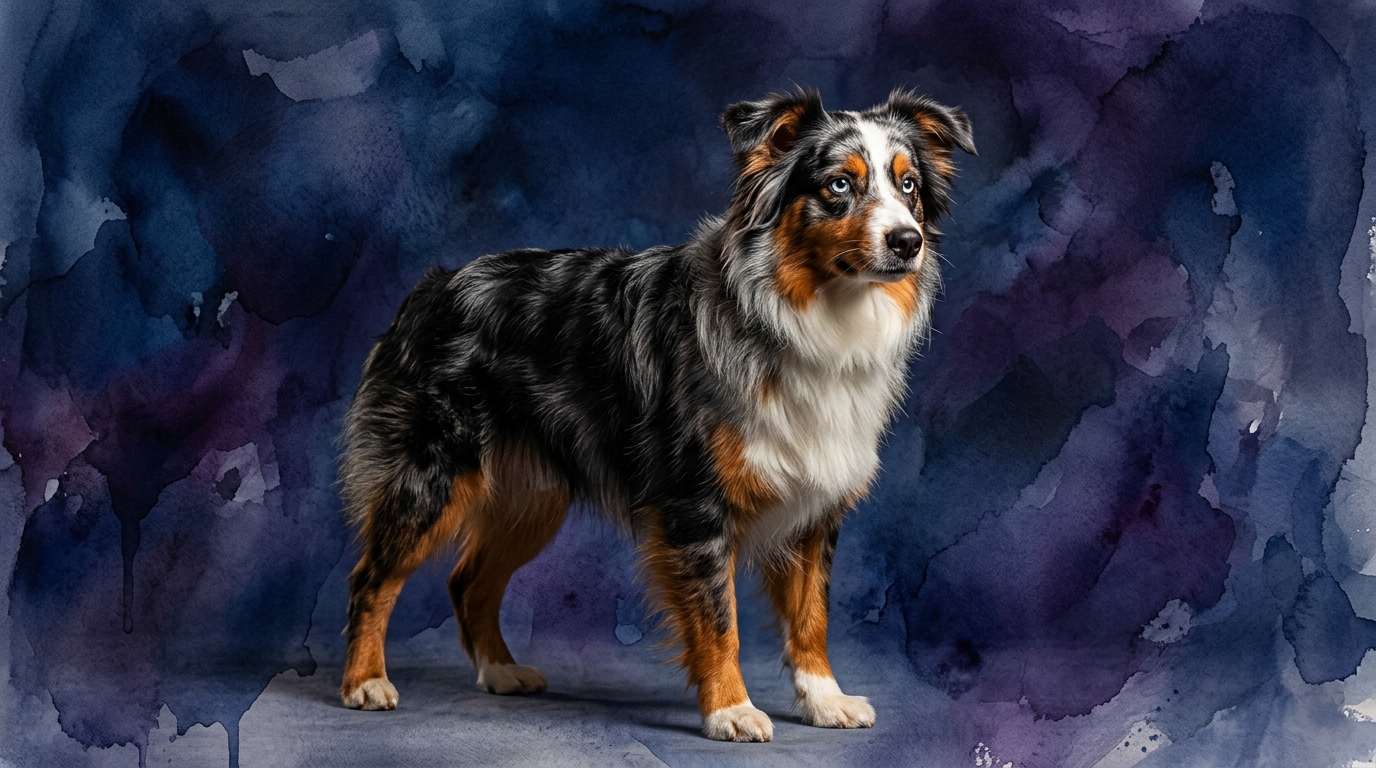
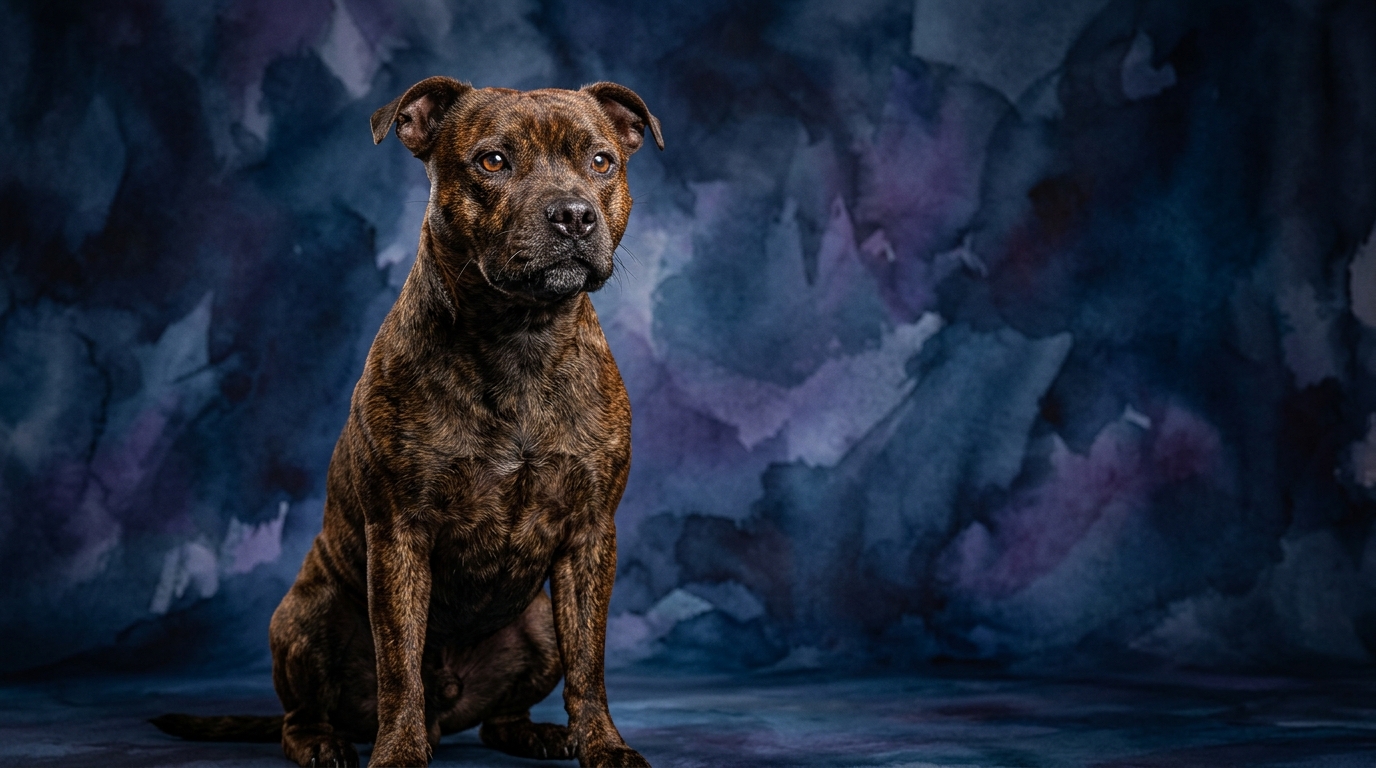
Side-by-Side IQ Profile: Herding Wit vs. Terrier Tenacity
The Cosmic Pet IQ Lab assesses five key dimensions of canine intelligence, and both the Miniature American Shepherd (MAS) and the Staffordshire Bull Terrier (SBT) register a consistent 3/5 across the board. This doesn't imply identical mental processes, but rather a comparable level of functional intelligence applied through their breed-specific lenses. For the Miniature American Shepherd, a herding breed, a 3/5 in Problem Solving often translates to a capacity for understanding complex sequences and anticipating movement, crucial for managing livestock. Their Training Speed at 3/5 reflects an eagerness to learn combined with a degree of independent thought, allowing them to absorb new commands efficiently but also sometimes offer their own interpretations. Social Intelligence at 3/5 means they are generally adept at reading human cues and forming strong bonds, essential for working closely with handlers. Their Instinctive Drive, also 3/5, is heavily geared towards herding behaviors like gathering and controlling, manifesting as a desire for purpose-driven activity. Finally, their Memory at 3/5 supports retaining intricate routines and commands over time, vital for their working roles.
The Staffordshire Bull Terrier, a terrier breed, applies its 3/5 Problem Solving score with a distinct flavor: it’s often characterized by determined ingenuity in navigating obstacles or pursuing a goal, reflecting their history of independent hunting. Their Training Speed, also 3/5, indicates they can learn quickly, but their terrier tenacity means they require consistent motivation and a clear understanding of what’s expected. A 3/5 in Social Intelligence typically means a deep connection with their human family, often showing sensitivity to human emotions, though their social interactions with other dogs can be more nuanced. Their Instinctive Drive at 3/5 is pronounced in areas like digging, chasing, and a powerful grip, stemming from their original purpose. Memory at 3/5 for the SBT implies a good recall of people, places, and established routines, though perhaps less emphasis on complex, multi-step sequences compared to a herding dog.
Where the Miniature American Shepherd Excels Cognitively
Despite sharing identical scores, the Miniature American Shepherd often demonstrates a superior aptitude for tasks requiring sequential processing and spatial reasoning. Their herding background means they are naturally inclined to understand patterns of movement, anticipate changes, and strategize how to influence a group, whether it's livestock or family members. This manifests in their problem-solving as an ability to figure out multi-step puzzles or agility courses that demand precise execution and route planning. Their instinctual drive, specifically for herding, makes them particularly adept at activities that mimic their ancestral work, such as canine sports like agility, obedience, or even advanced trick training where sequences are key. The MAS's social intelligence often extends to a subtle understanding of group dynamics, allowing them to manage interactions within a multi-pet household with a nuanced approach that isn't always about direct confrontation, but rather gentle guidance or positioning.
Where the Staffordshire Bull Terrier Excels Cognitively
The Staffordshire Bull Terrier, while also scoring 3/5, typically shines in cognitive areas demanding persistence, resilience, and independent thought in the face of a challenge. Their problem-solving often involves a 'never give up' attitude, finding creative ways to achieve a goal even if it means trying multiple approaches or demonstrating considerable physical effort. This can be seen in their determination to get to a favorite toy or navigate a complex scent trail. Their instinctive drive, rooted in their terrier heritage, provides a powerful motivation for tasks involving scent work, digging, or focused retrieving, where their tenacity can be a significant asset. Socially, the SBT often displays an exceptional ability to bond deeply and intimately with their human companions, often showing a profound empathy for their owners' emotional states, making them particularly attuned to personal interactions rather than group management. Their memory is strong for positive associations and routines that reinforce their bond with their people.
Training Dynamics: Herding Collaboration vs. Terrier Motivation
When it comes to training, the identical 3/5 Training Speed score for both breeds masks significant differences in approach and typical behavioral responses. The Miniature American Shepherd, with its herding lineage, generally responds well to positive reinforcement and structured, sequential training. They tend to be eager to please and enjoy the collaborative aspect of training, often looking to their handler for guidance and feedback. However, their inherent independent thinking, a trait necessary for making decisions in the field, means they can sometimes offer their own 'solutions' if a command isn't clear or they perceive a more efficient way. This requires a handler who is consistent, clear, and engaging, channeling their natural drive into desired behaviors.
The Staffordshire Bull Terrier, while also learning at a 3/5 pace, presents a different set of training considerations due to their terrier temperament. They are often highly motivated by food, toys, and praise, but their strong will and occasional stubbornness mean that a trainer must be patient, firm, and inventive in maintaining their interest. Their problem-solving manifests as a desire to figure things out for themselves, which can sometimes be mistaken for defiance if not properly channeled. Training an SBT often benefits from short, engaging sessions that tap into their natural playfulness and strong desire for human connection, rather than repetitive drills. Consistency is paramount, as is understanding their inherent drives like chewing or digging, and redirecting them constructively.
Lifestyle Suitability: Active Engagement vs. Dedicated Companionship
The cognitive profiles and inherent drives of these two breeds naturally lead them to thrive in different home environments. The Miniature American Shepherd, with its herding instincts and problem-solving aptitude for complex tasks, is an ideal match for active owners who are prepared to provide consistent mental and physical stimulation. They excel in dog sports like agility, flyball, and obedience, and appreciate having a 'job' to do, even if it's just learning new tricks or puzzle toys. A relaxed owner might find an MAS becomes restless or invents its own (potentially undesirable) activities, such as 'herding' children or other pets. Their social intelligence and memory make them excellent family dogs when their needs for engagement are met, integrating well into a bustling household that involves them in daily activities.
The Staffordshire Bull Terrier, while also requiring exercise, typically aligns better with owners who prioritize dedicated companionship and understand the need for focused, albeit not always high-intensity, engagement. Their problem-solving and instinctive drive, centered on tenacity and connection, means they thrive on one-on-one attention, interactive play, and opportunities to use their strong jaws for appropriate chewing. While they can participate in sports like scent work or weight pull, their primary contentment often comes from being an integral part of their human's life, rather than from complex, independent work. A relaxed owner who is willing to provide consistent, affectionate interaction, regular walks, and engaging play sessions will find a loyal and devoted companion in the SBT. They are content with a moderate activity level as long as they feel deeply connected to their family, making them suitable for owners who may not be extreme athletes but are highly present and attentive.
The Verdict
Choose a Miniature American Shepherd if you are an active owner seeking a collaborative canine partner for dog sports, complex training, and a dog that thrives on having a 'job' involving sequential thought and movement.
Opt for a Staffordshire Bull Terrier if you desire a deeply loyal and affectionate companion who will engage with tenacious play, enjoys focused one-on-one interaction, and you appreciate their determined problem-solving and unwavering devotion.
🧠 Find Your Pet's IQ Score
Our Pet IQ Lab assessment covers 25+ tests across 5 cognitive dimensions — personalized to your breed.
Take the Full IQ Test →Frequently Asked Questions
Do Miniature American Shepherds need a lot of mental stimulation?
Yes, Miniature American Shepherds are a herding breed with a 3/5 problem-solving score, meaning they require consistent mental challenges. They benefit greatly from puzzle toys, advanced trick training, and dog sports like agility to keep their minds engaged and prevent boredom-related behaviors.
Are Staffordshire Bull Terriers easy to train despite their terrier reputation?
Staffordshire Bull Terriers have a 3/5 training speed, indicating they can learn quickly. However, their terrier tenacity means training requires consistency, positive reinforcement, and making sessions fun and engaging to overcome any potential stubbornness and channel their determined nature effectively.
Which breed is better with children?
Both breeds can be wonderful with children when properly socialized and trained, but their approaches differ. Miniature American Shepherds often have a gentle herding instinct that can be managed, while Staffordshire Bull Terriers are often noted for their affectionate and patient nature with their family's children, often earning them the nickname 'nanny dog' for their protective and tolerant demeanor.