Side-by-Side IQ Profile: German Shepherd vs. Staffordshire Bull Terrier
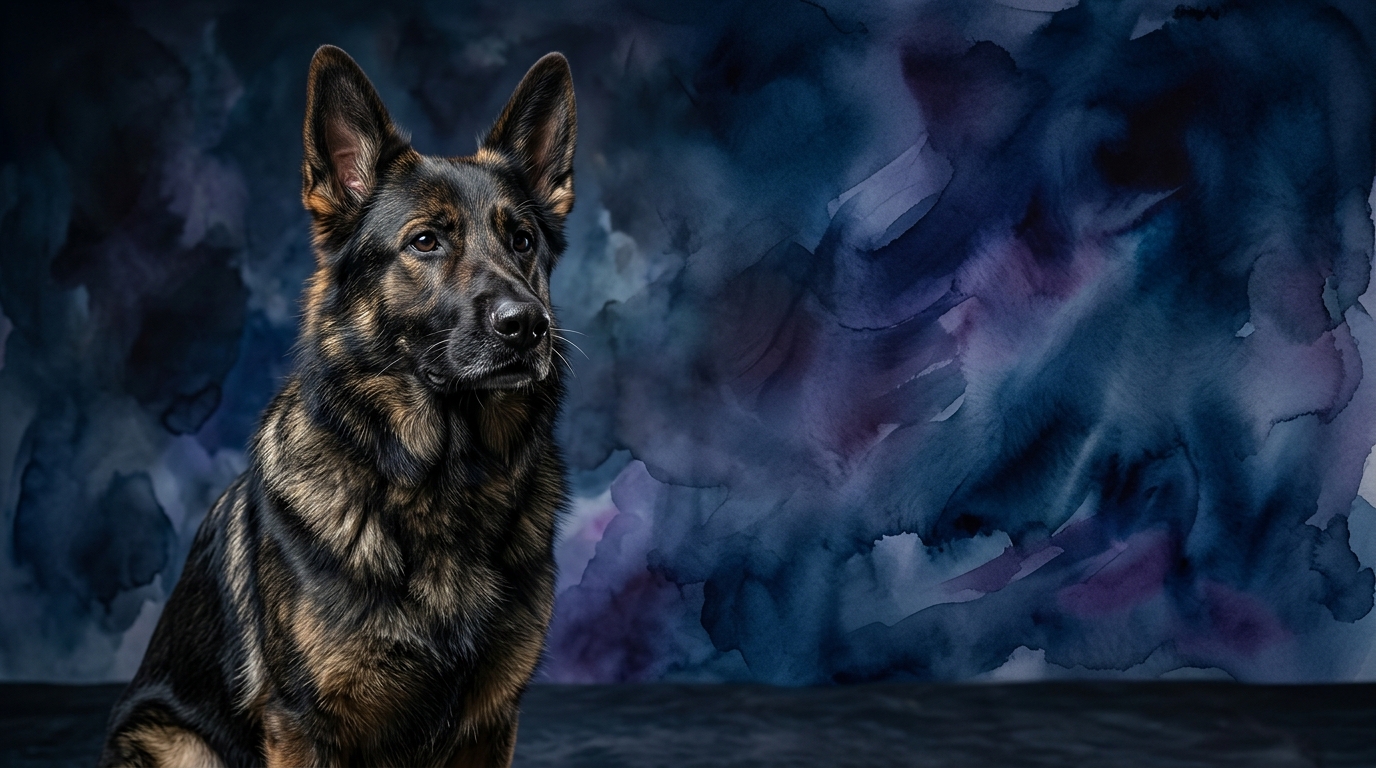
The German Shepherd, ranking #3 in Coren's intelligence scale, exemplifies a breed engineered for complex tasks and close human partnership. Its IQ profile paints a picture of exceptional cognitive prowess across the board. Problem Solving (5/5) means these dogs excel at navigating novel situations, understanding cause-and-effect, and devising solutions independently, often without explicit instruction. Training Speed (5/5) indicates an ability to grasp new commands and routines with minimal repetitions, often after just a few exposures, and to retain them long-term. Social Intelligence (5/5) reflects a profound capacity to read human cues, understand social hierarchies, and adapt behavior based on environmental context and emotional states. Instinctive Drive (5/5) highlights a powerful, innate motivation to work, herd, or protect, coupled with the focus to channel these drives constructively. Finally, Memory (5/5) ensures they recall past experiences, learned behaviors, and even specific individuals with remarkable accuracy and longevity.
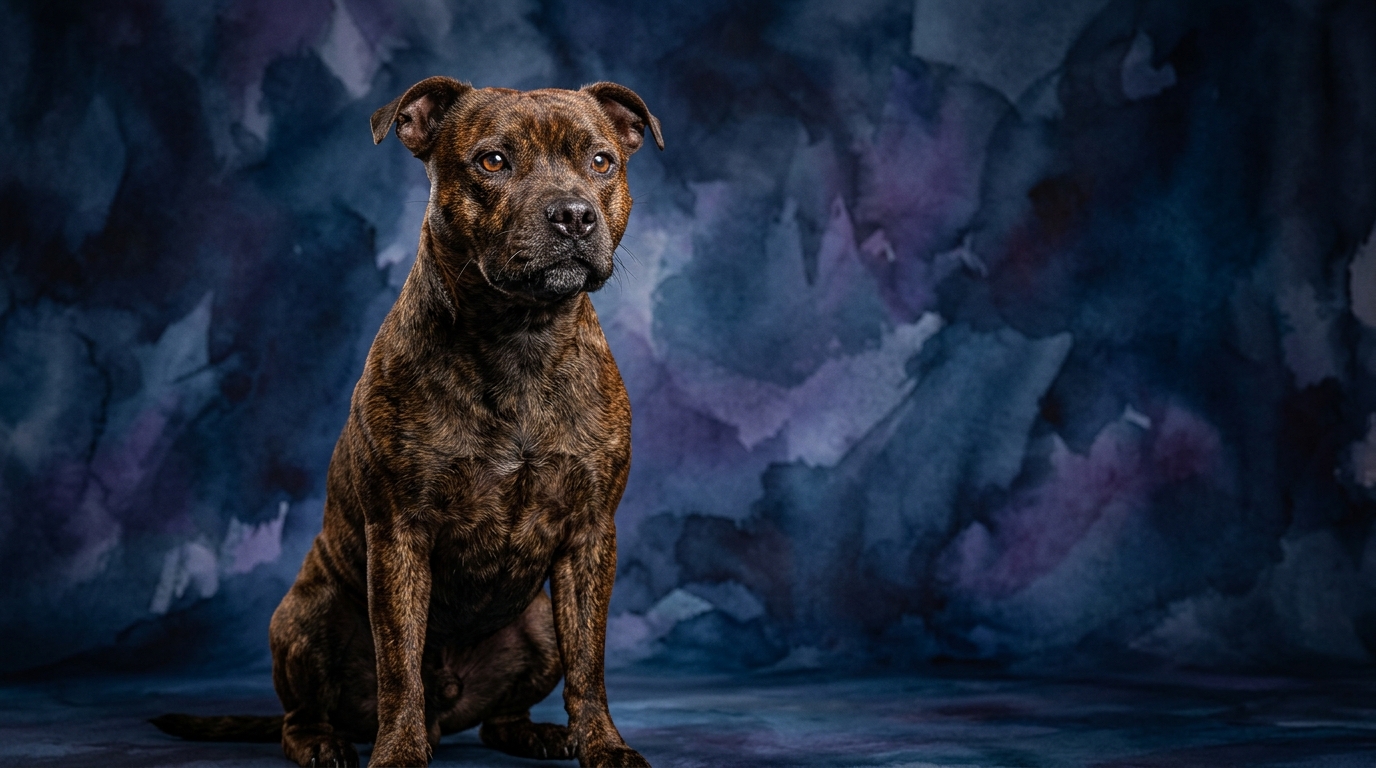
In contrast, the Staffordshire Bull Terrier, while not ranked on Coren's scale, presents a different cognitive blueprint, reflecting its terrier heritage. Its IQ profile, with consistent scores of 3/5, suggests a competent but not instinctively driven learner. Problem Solving (3/5) indicates they can solve practical problems, especially those involving persistence or physical manipulation, but may not generalize solutions as readily or devise intricate strategies. Training Speed (3/5) means they learn new commands with consistent effort and positive reinforcement, typically requiring more repetitions than a German Shepherd, but they are certainly trainable. Social Intelligence (3/5) suggests they are generally adept at reading clear social signals and forming strong bonds, though they might not pick up on subtle nuances or anticipate human intentions with the same depth. Instinctive Drive (3/5) points to a tenacious, robust drive, often focused on specific tasks like digging or chasing, but it requires more careful channeling compared to the German Shepherd's inherent work ethic. Memory (3/5) indicates they retain learned information adequately, especially when reinforced, but might not have the same breadth or depth of recall for less significant events or commands.
Where the German Shepherd Excels Cognitively
The German Shepherd's cognitive strengths lie in its unparalleled ability to process and act upon complex information rapidly. Their 5/5 score in Problem Solving means they can dissect a multi-layered task, such as navigating an obstacle course with hidden rewards or tracking a scent over varied terrain, and adapt their approach dynamically. This isn't just about following commands; it's about understanding the objective and improvising when conditions change. Their exceptional Training Speed (5/5) allows them to accumulate a vast repertoire of commands and behaviors, making them adaptable to diverse roles, from service work to competitive obedience. Furthermore, their 5/5 Social Intelligence allows them to interpret subtle shifts in human body language, vocal tone, and even emotional states, enabling them to respond appropriately in critical situations, whether comforting a distressed owner or identifying a potential threat. This nuanced understanding of their human partners is a significant cognitive advantage, fostering deep, effective communication. Their high Instinctive Drive and Memory combine to ensure that once a task or concept is learned, it is deeply ingrained and performed with consistent motivation and precision, even after long periods of inactivity, making them exceptionally reliable.
Where the Staffordshire Bull Terrier Demonstrates Unique Cognitive Strengths
While the Staffordshire Bull Terrier's cognitive profile differs, it possesses distinct strengths rooted in its terrier nature. Their 3/5 Problem Solving, while not as broad as the German Shepherd's, is characterized by immense tenacity and focused determination. They excel at 'sticking with it' when faced with a challenge, especially if it involves a tangible reward or an engaging physical puzzle. This persistent drive to achieve a goal, even when initial attempts fail, is a valuable form of cognitive resilience. Their Social Intelligence (3/5), though not as complex, is often expressed through an unwavering devotion and an intuitive understanding of their immediate human companions' emotional states, particularly in close, familiar settings. They may not read a crowd with the same precision, but they form incredibly strong, empathetic bonds with their chosen family members, demonstrating a focused emotional intelligence. Their Instinctive Drive (3/5) is less about broad utility and more about intense, directed focus, which can be harnessed for specific, repetitive tasks where robust engagement is paramount. This focused energy allows them to excel in activities requiring bursts of effort and unwavering concentration on a single objective, such as retrieving a specific toy or engaging in vigorous play, showcasing a different kind of cognitive efficiency.
Which is Easier to Train and Why?
Based on their IQ profiles, the German Shepherd is demonstrably easier to train for a wide range of commands and complex tasks. Their 5/5 Training Speed means they absorb new information with astonishing rapidity, often understanding the expectation after just a few repetitions. This is coupled with a 5/5 Memory, ensuring that once a behavior is learned, it is retained effectively over time, requiring less frequent refreshers. Their high Social Intelligence (5/5) makes them highly attuned to human direction and eager to please, translating into a natural inclination to cooperate and respond to cues. Furthermore, their powerful Instinctive Drive (5/5) is inherently geared towards purpose and work, making them highly motivated by tasks and challenges presented by their handlers. They often find the act of learning and working alongside their human intrinsically rewarding, reducing the need for constant high-value external motivators. This combination of cognitive traits results in a dog that is not only quick to learn but also eager to participate in the training process, making it a smoother, more efficient experience for both dog and owner.
The Staffordshire Bull Terrier, with 3/5 scores across the board for training-related metrics, requires a different approach. Their Training Speed (3/5) means that new behaviors will necessitate more consistent repetition and patience. They learn, but at a more measured pace. Their Instinctive Drive (3/5) is strong but often more independently directed, requiring handlers to be creative and persistent in channeling that drive towards desired behaviors. Unlike the German Shepherd, who often thrives on verbal praise and the satisfaction of a job well done, Staffies may require more tangible, high-value rewards (like favorite toys or treats) to maintain motivation, especially during initial learning phases. Their Social Intelligence (3/5) means they form strong bonds, but their independent streak as terriers can sometimes translate into a 'what's in it for me?' attitude during training. Owners must make training engaging, fun, and consistently rewarding to overcome this natural independence and achieve reliable results. While certainly trainable, the process with a Staffie demands more dedication, consistency, and understanding of their unique motivational triggers compared to the German Shepherd.
Which Suits Active Owners vs. Relaxed Owners?
For owners with a highly active lifestyle who crave a canine partner for demanding activities, the German Shepherd is an ideal match. Their 5/5 Instinctive Drive means they thrive on having a job, whether it's competitive dog sports, extensive hiking, protection work, or complex obedience routines. They require significant physical and mental engagement daily to prevent boredom and channel their considerable cognitive and physical energies constructively. An owner who can dedicate time to structured training, long walks or runs, and engaging mental puzzles will find the German Shepherd to be an incredibly fulfilling and responsive companion. Their need for purpose means a relaxed owner who offers minimal structured activity will likely find their German Shepherd developing undesirable behaviors out of sheer under-stimulation. They are not content to be mere couch companions; they need to think and do.
The Staffordshire Bull Terrier, while certainly an active and robust dog, can be more adaptable to a slightly less rigid routine. Their 3/5 Instinctive Drive suggests they enjoy activity and play, but their needs might be met with regular walks, vigorous play sessions, and interactive toys rather than constant, complex training tasks. They suit active owners who enjoy daily outdoor adventures and playful interaction, but perhaps don't have the time or inclination for advanced obedience or working dog trials. They are often happy to curl up with their family after a good run, making them suitable for owners who appreciate a robust companion but also value periods of calm companionship. While they still require consistent exercise and mental stimulation, their needs are generally less demanding in terms of structured 'work' compared to the German Shepherd, making them a good fit for active families who enjoy a more balanced mix of play and relaxation.
The Verdict
Choose a German Shepherd if you are an experienced owner seeking a highly trainable, driven, and cognitively agile partner for complex tasks, demanding activities, and deep, communicative companionship.
Opt for a Staffordshire Bull Terrier if you appreciate a tenacious, affectionate, and resilient companion who thrives on focused play and strong family bonds, and you are prepared for consistent, patient training.
🧠 Find Your Pet's IQ Score
Our Pet IQ Lab assessment covers 25+ tests across 5 cognitive dimensions — personalized to your breed.
Take the Full IQ Test →Frequently Asked Questions
Is the German Shepherd suitable for first-time dog owners?
While adaptable, a German Shepherd's intense cognitive needs and strong drives mean they are generally best suited for experienced owners who understand canine behavior and are committed to extensive training and mental stimulation. They require a significant investment of time and effort.
Are Staffordshire Bull Terriers good with children?
Staffordshire Bull Terriers are often called 'nanny dogs' due to their affectionate nature with children, forming strong bonds. However, like all breeds, supervision is crucial, and early socialization and training are essential to ensure appropriate interactions.
Do Staffordshire Bull Terriers need a lot of exercise?
Yes, Staffordshire Bull Terriers are active dogs who require regular exercise to stay healthy and happy. Daily walks, vigorous play sessions, and opportunities to run are important to satisfy their energy levels and prevent boredom.